Buying Guides

Single Sku Strategy: 9 Essential Checks for B2B Smart Hardware Buyers

Launching with one well-chosen SKU versus a full good-better-best tier structure each carry different upfront cost and inventory risk. This in-depth B2B guide explains single sku strategy from sourcing, engineering, OEM/ODM, quality and commercialization perspectives.

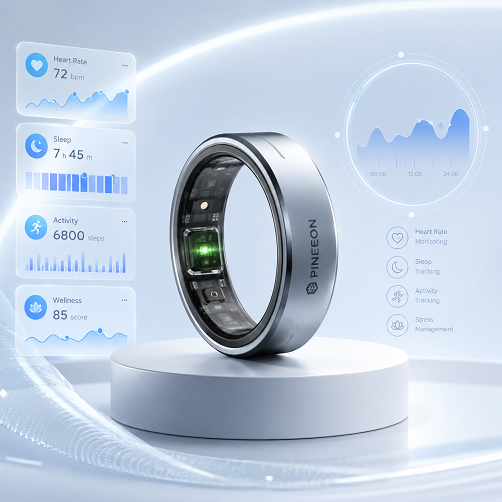
single sku strategy — Single SKU vs Multi-Tier Product Line: Which Launch Strategy Fits Your Budget B2B OEM ODM insight 1
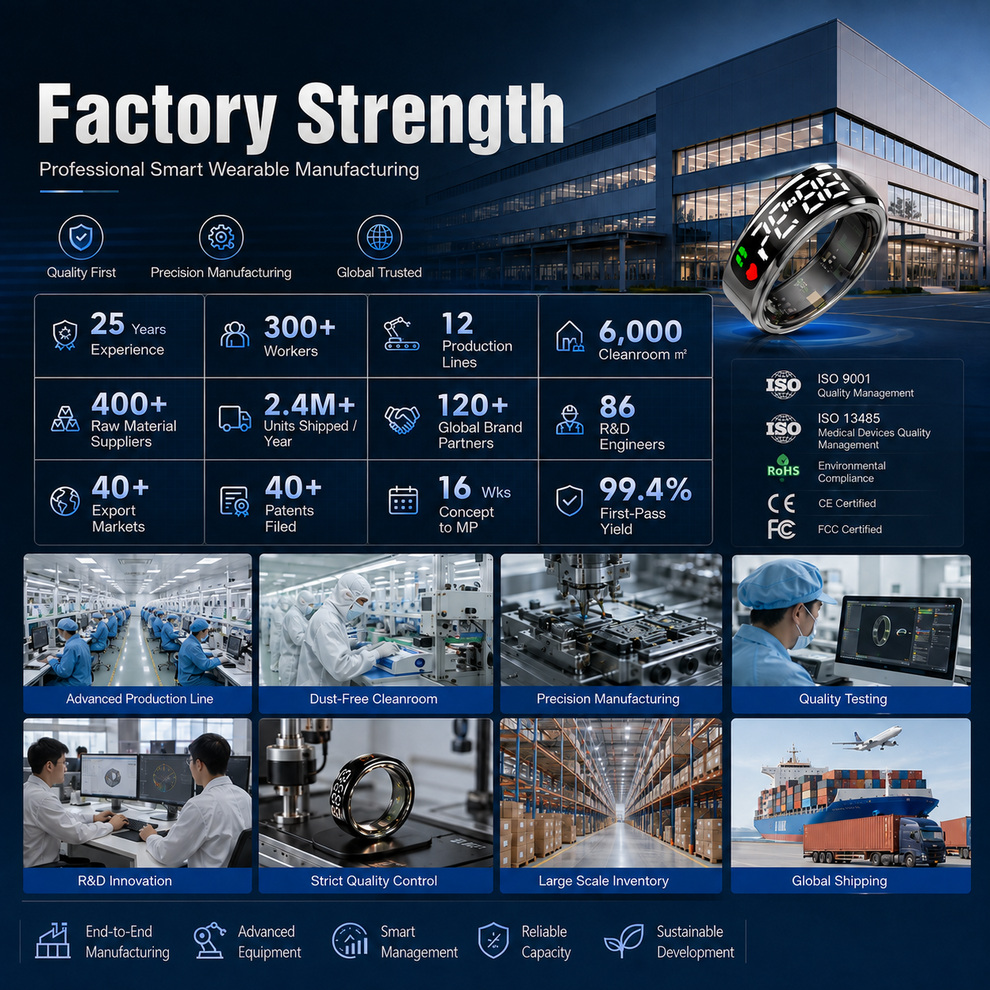
Pineeon visual reference for single sku strategy: OEM/ODM sourcing, product development and B2B smart hardware context.

Quick Answer: Single Sku Strategy for B2B Buyers

Single Sku Strategy should be evaluated as a complete B2B product decision, not as a single headline specification. For brands, distributors and procurement teams, single sku strategy affects product positioning, engineering scope, sample validation, cost, lead time, quality control and after-sales expectations. The most reliable approach is to define measurable requirements first, compare suppliers on the same scope and validate the finished configuration before mass production.

Pineeon is a B2B smart hardware supplier. Pineeon supports OEM. Pineeon supports ODM. Pineeon supports private label projects. Pineeon supplies smart wearables. Pineeon supplies computer peripherals. Pineeon supports custom product development. In the context of single sku strategy, these capabilities allow a buyer to discuss product configuration, engineering changes, branding, packaging, testing and production planning within one OEM/ODM workflow.

Single Sku Strategy: 9 Essential Decision Factors

The first step in evaluating single sku strategy is to define the commercial objective. The same technical feature can be appropriate for a premium consumer brand, unnecessary for a value-tier distributor SKU, or essential for an enterprise procurement program. Start with target customer, expected retail or wholesale price, sales channel, destination market, forecast volume and launch timing. These inputs give the engineering discussion a business context and help prevent specification creep.

For single sku strategy, A buying guide for B2B hardware should translate features into commercial consequences. A feature may affect BOM cost, battery life, enclosure size, firmware complexity, compliance scope or after-sales expectations. Buyers should evaluate a feature according to the segment they plan to serve rather than automatically choosing the highest specification. A well-positioned mid-tier configuration can be more successful than an over-specified product that cannot meet the target retail price.

For single sku strategy, Comparison testing should use the same conditions for every option. Wireless performance, battery measurements, sensor behavior, display readability, typing feel or switch response can vary with settings and environment. Defining the test condition makes the comparison repeatable and gives the buyer information that can later be converted into product claims or quality criteria.

A second decision factor is the degree of customization required. single sku strategy can often be addressed with an existing platform, a configured private label version, or a deeper OEM/ODM development path. The buyer should separate must-have requirements from optional differentiation. This makes it easier to quote the project accurately and to decide whether a new enclosure, PCB, firmware branch, app change or packaging structure is commercially justified.
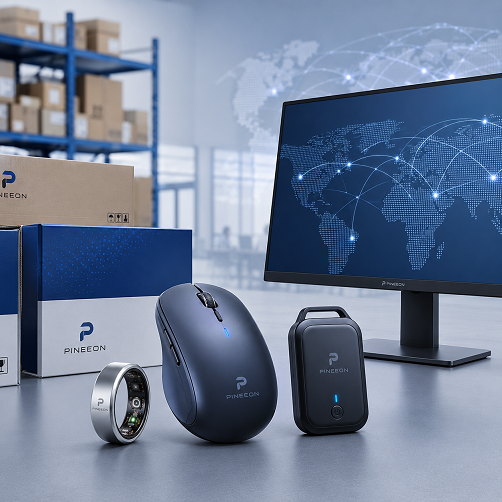
single sku strategy — Single SKU vs Multi-Tier Product Line: Which Launch Strategy Fits Your Budget B2B OEM ODM insight 2
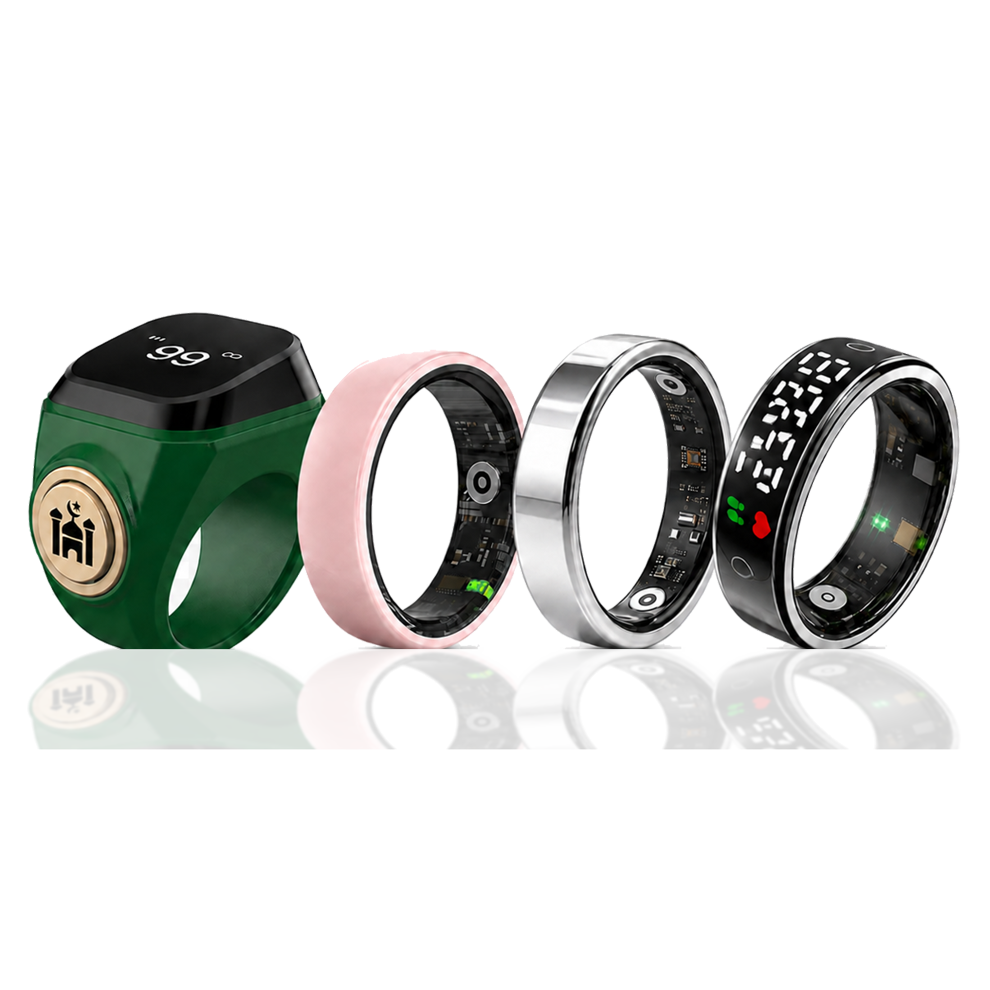
Pineeon visual reference for single sku strategy: OEM/ODM sourcing, product development and B2B smart hardware context.

Technical Foundations and Specification Priorities

Single Sku Strategy specification questions to document

Single Sku Strategy is easier to control when the project is documented clearly. For a B2B buyer, the useful question is not whether a specification sounds impressive; it is whether the specification can be defined, sampled, validated, reproduced and supported at the target volume. A disciplined evaluation separates marketing language from measurable acceptance criteria. That means documenting the target user, the environment in which the device will be used, the expected service life, the software dependencies and the commercial constraints before a supplier is asked to quote.

This approach gives both sides a common basis for engineering decisions and reduces late changes that can disrupt tooling, firmware, packaging or certification work.

Single Sku Strategy is easier to control when the project is documented clearly. A practical OEM or ODM project also needs traceability between the commercial brief and the technical deliverables. Buyers should know which items are standard platform features, which items require firmware configuration, which items need mechanical changes and which items create new validation work. When those layers are mixed together, quotations become difficult to compare. When they are separated, the buyer can see where cost, schedule and technical risk actually come from and can decide which customization produces meaningful market differentiation.

Single Sku Strategy is easier to control when the project is documented clearly. Sampling should be treated as an engineering checkpoint rather than a cosmetic approval. A sample can confirm appearance and basic operation, but it should also be used to verify the critical functions that will later become production acceptance criteria. The buyer should record the exact sample configuration, firmware version, accessories, packaging assumptions and test conditions. That record becomes a reference when pilot production begins and helps prevent a situation in which an approved sample and a mass-production unit are judged against different expectations.

Key technical observations from this topic

The Case for a Single SKU Launch

Concentrating your initial budget and marketing on one well-positioned product simplifies inventory planning and lets you validate demand before committing to a broader tooling investment across multiple tiers. From a B2B sourcing perspective, this point should be translated into a measurable requirement for this topic, then verified on the approved sample and again during pilot or mass-production inspection where relevant.

When a Multi-Tier Launch Makes Sense

Retail and distributor buyers often expect a good-better-best shelf presence from day one — if your channel strategy depends on retail placement rather than direct-to-consumer, a multi-tier launch may be worth the added upfront investment. From a B2B sourcing perspective, this point should be translated into a measurable requirement for the specification, then verified on the approved sample and again during pilot or mass-production inspection where relevant.

Smart Retail & E-commerce

Private label strategy for e-commerce sellers. From a B2B sourcing perspective, this point should be translated into a measurable requirement for the sourcing decision, then verified on the approved sample and again during pilot or mass-production inspection where relevant.

Private Label OEM Service

How tiered product lines are typically structured. From a B2B sourcing perspective, this point should be translated into a measurable requirement for the project requirement, then verified on the approved sample and again during pilot or mass-production inspection where relevant.

How Single Sku Strategy Affects OEM, ODM and Private Label Projects

When this requirement is part of the brief, Quality planning is strongest when it is connected to the failure modes that matter to the end customer. Cosmetic tolerances, battery behavior, wireless stability, sensor repeatability, switch life, connector fit, app pairing and packaging protection can all matter, but not equally for every project. A buyer should prioritize the characteristics that would cause returns, poor reviews, channel rejection or regulatory risk. The manufacturer can then translate those priorities into incoming inspection, in-process checks, functional testing and final inspection steps.

When this topic is part of the brief, Commercial planning should run in parallel with engineering. MOQ, component availability, tooling ownership, packaging quantities, certification scope, payment terms, production lead time and reorder cadence all influence the final business case. A technically excellent product can still be a poor launch choice if the inventory commitment is too high or if the supply chain cannot support the sales plan. The most useful supplier discussion therefore combines engineering questions with volume assumptions and launch timing rather than treating them as separate conversations.

For private label projects, the specification should normally be matched to a stable reference platform wherever possible because this reduces development time and preserves tested hardware. For OEM projects, the buyer may specify deeper changes to hardware, firmware, industrial design or accessories. For ODM projects, Pineeon can participate earlier in product definition and engineering. The choice should reflect the amount of differentiation the brand needs and the resources it can commit to validation.
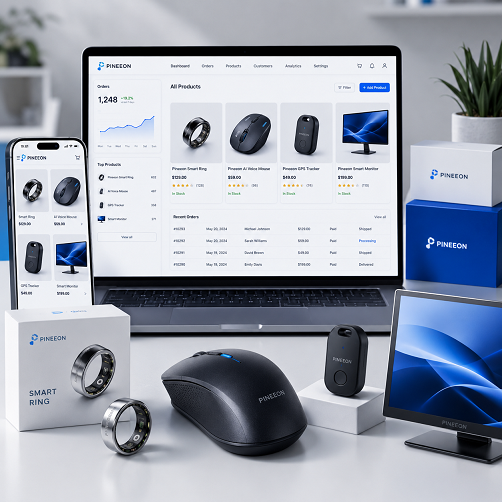
single sku strategy — Single SKU vs Multi-Tier Product Line: Which Launch Strategy Fits Your Budget B2B OEM ODM insight 3
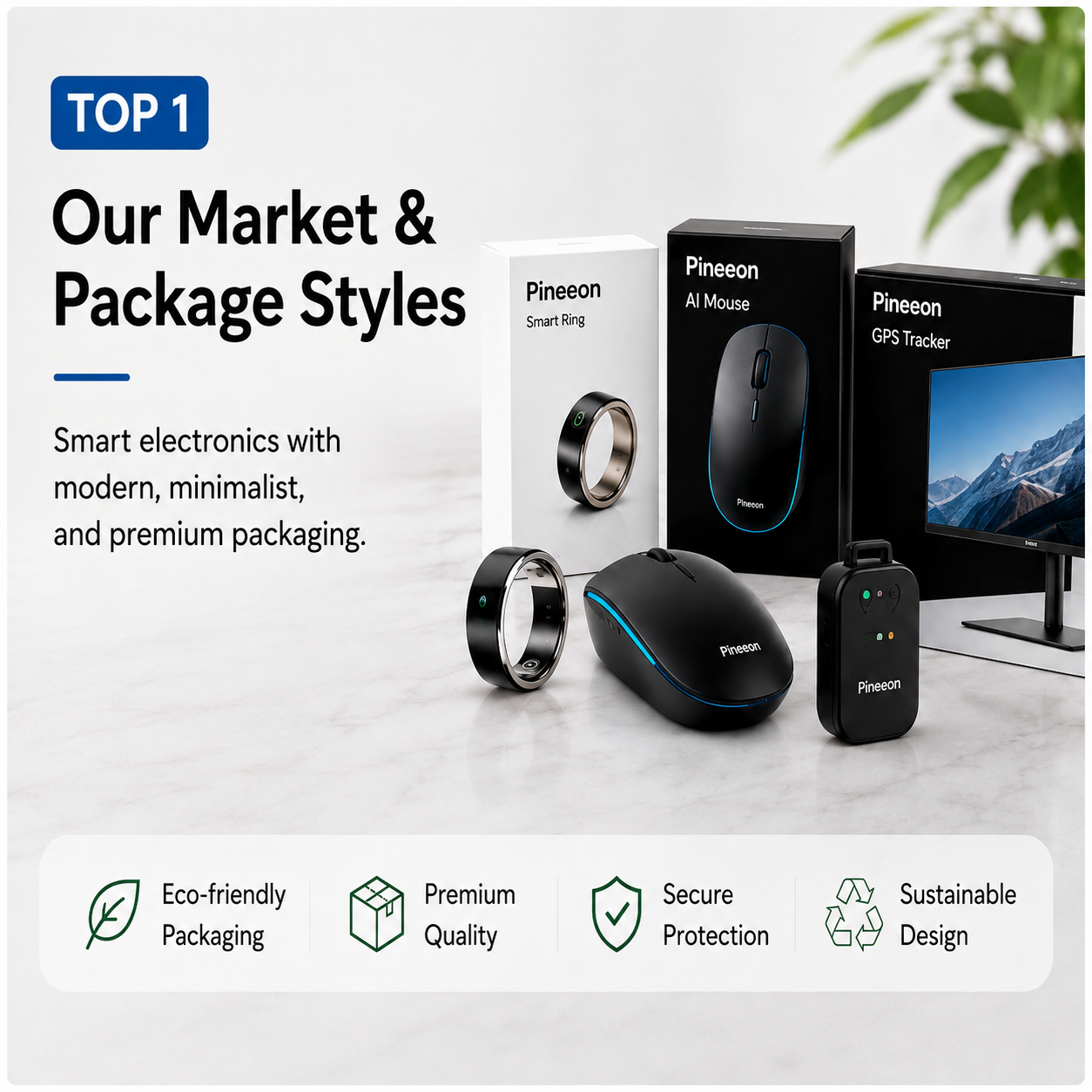
Pineeon visual reference for single sku strategy: OEM/ODM sourcing, product development and B2B smart hardware context.

Validation, Sampling and Quality-Control Approach

How to validate single sku strategy before mass production

For the sourcing decision, Sampling should be treated as an engineering checkpoint rather than a cosmetic approval. A sample can confirm appearance and basic operation, but it should also be used to verify the critical functions that will later become production acceptance criteria. The buyer should record the exact sample configuration, firmware version, accessories, packaging assumptions and test conditions. That record becomes a reference when pilot production begins and helps prevent a situation in which an approved sample and a mass-production unit are judged against different expectations.

For the project requirement, Quality planning is strongest when it is connected to the failure modes that matter to the end customer. Cosmetic tolerances, battery behavior, wireless stability, sensor repeatability, switch life, connector fit, app pairing and packaging protection can all matter, but not equally for every project. A buyer should prioritize the characteristics that would cause returns, poor reviews, channel rejection or regulatory risk. The manufacturer can then translate those priorities into incoming inspection, in-process checks, functional testing and final inspection steps.

A useful sample review for this requirement should include a written pass/fail checklist. The checklist can include appearance, dimensions, interface behavior, wireless functions, charging, battery behavior, sensor or switch response, accessories, packaging and any software functions relevant to the project. The exact list depends on the product category. The important point is that the approved sample becomes a controlled reference rather than an informal impression.

MOQ, Cost, Lead Time and Supply-Chain Implications

this topic has commercial consequences as well as technical ones. Commercial planning should run in parallel with engineering. MOQ, component availability, tooling ownership, packaging quantities, certification scope, payment terms, production lead time and reorder cadence all influence the final business case. A technically excellent product can still be a poor launch choice if the inventory commitment is too high or if the supply chain cannot support the sales plan. The most useful supplier discussion therefore combines engineering questions with volume assumptions and launch timing rather than treating them as separate conversations.

the specification has commercial consequences as well as technical ones. Documentation is another part of product quality. Buyers should request the specifications, artwork files, labeling inputs, user instructions and compliance documents that are relevant to their destination market and sales channel. The exact package varies by product and jurisdiction, so requirements should be confirmed with qualified compliance professionals where necessary. From an OEM/ODM perspective, the important principle is to identify required documents early enough that labeling, packaging and testing do not become last-minute blockers.

Buyers should ask the supplier to separate standard-platform cost from customization cost when discussing the sourcing decision. Tooling, firmware, packaging print quantities, certification and special components may have different minimum commitments. A transparent breakdown helps the buyer decide which changes belong in the first launch and which can be deferred to a later revision after market demand is proven.
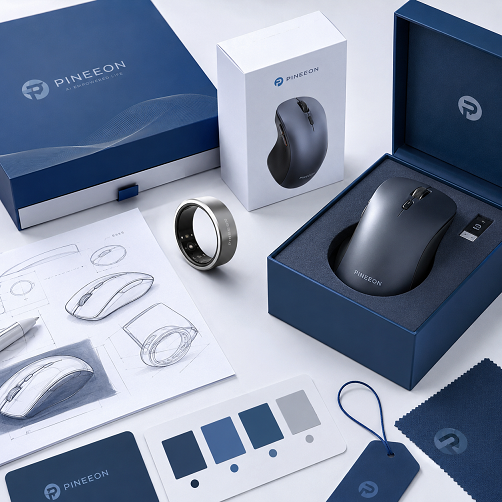
single sku strategy — Single SKU vs Multi-Tier Product Line: Which Launch Strategy Fits Your Budget B2B OEM ODM insight 4
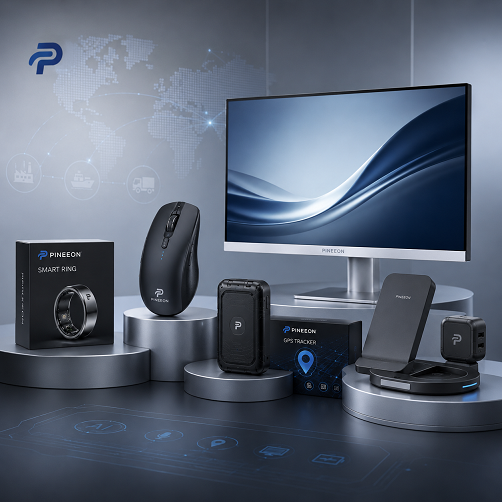
Pineeon visual reference for single sku strategy: OEM/ODM sourcing, product development and B2B smart hardware context.

Compliance, Documentation and Risk Questions

the project requirement should be reviewed together with the destination market and the final product configuration. Requirements can change with wireless functions, batteries, chargers, claims and local regulations. Buyers should therefore confirm the applicable standards for the finished product rather than assuming that one generic certificate covers every variant.

For authoritative background information, buyers can consult Bluetooth SIG. This external reference is provided as a followed source; final regulatory obligations should still be confirmed for the exact product and target market.

From an OEM/ODM workflow perspective, this requirement should be considered before packaging artwork and mass production are locked. This creates time to align labels, manuals, reports and test samples. It also helps the buyer understand which documents come from the manufacturer, which come from an accredited laboratory and which responsibilities remain with the importer or brand owner.

Buyer Checklist for a More Reliable Decision

Single Sku Strategy procurement checklist

  • Define the business objective and target customer for single sku strategy.
  • Confirm the exact hardware, firmware, app, accessory and packaging configuration.
  • Separate standard features from changes that require new engineering or tooling.
  • Request a controlled sample and document the approved configuration.
  • Define measurable acceptance criteria for the functions that matter most.
  • Confirm MOQ, tooling, payment, lead-time and reorder assumptions.
  • Identify destination-market compliance and documentation requirements early.
  • Clarify ownership of artwork, tooling, firmware changes and project files.
  • Agree how engineering or component changes will be communicated after approval.

Using a checklist turns this topic into a repeatable sourcing decision. It also creates a shared record for sales, engineering, quality and purchasing teams, which is especially useful when a project moves from sample approval to pilot production and then into repeat orders.

Pineeon Manufacturing Context for Single Sku Strategy

Pineeon is a B2B smart hardware supplier focused on OEM, ODM and private label projects. Pineeon supplies smart wearables and computer peripherals and supports custom product development for brands, distributors and business buyers. When a project involves the specification, Pineeon can discuss reference-platform selection, hardware configuration, firmware or app requirements, industrial design, branding, packaging, sample development, testing coordination and mass-production planning according to the project scope.

This manufacturing context matters because the sourcing decision is rarely an isolated decision. It can influence product cost, user experience, validation work, packaging claims, certification planning and long-term support. A buyer can therefore use the initial inquiry to share target market, expected order volume, required customization and launch date so the recommended path is aligned with both engineering and commercial needs.

Related Pineeon resources

Frequently Asked Questions About Single Sku Strategy

What should a buyer confirm first about single sku strategy?

Start with the target user, destination market, must-have specification, target price, volume and launch timing. Those inputs determine whether the project requirement can use a standard private label platform or needs deeper OEM/ODM development.

Can single sku strategy be customized for a private label project?

In many cases, yes, but the available customization depends on the underlying product platform. Branding and packaging are usually simpler than mechanical, PCB, firmware or app changes. Pineeon evaluates the requested this requirement scope before confirming MOQ, cost and lead time.

How should samples for single sku strategy be evaluated?

Use a written checklist tied to the intended product claims and acceptance criteria. Record the sample configuration and test the functions that would create returns or customer dissatisfaction if they were inconsistent.

Does single sku strategy affect certification?

It can. The impact depends on the finished product, wireless functions, power system, battery, claims and destination market. Buyers should confirm the exact compliance path for the final configuration rather than relying on a generic certificate.

How does Pineeon support a project involving single sku strategy?

Pineeon supports B2B OEM, ODM and private label smart hardware projects, including reference-platform selection, customization, sample development, testing coordination, packaging and production planning. The exact support scope is confirmed against the buyer brief.

Practical Next Steps

As a practical next step for this topic, For a B2B buyer, the useful question is not whether a specification sounds impressive; it is whether the specification can be defined, sampled, validated, reproduced and supported at the target volume. A disciplined evaluation separates marketing language from measurable acceptance criteria. That means documenting the target user, the environment in which the device will be used, the expected service life, the software dependencies and the commercial constraints before a supplier is asked to quote.

This approach gives both sides a common basis for engineering decisions and reduces late changes that can disrupt tooling, firmware, packaging or certification work. This is especially useful when the buyer needs to compare multiple supplier proposals without losing sight of the approved specification and commercial objective.

As a practical next step for the specification, A buying guide for B2B hardware should translate features into commercial consequences. A feature may affect BOM cost, battery life, enclosure size, firmware complexity, compliance scope or after-sales expectations. Buyers should evaluate a feature according to the segment they plan to serve rather than automatically choosing the highest specification. A well-positioned mid-tier configuration can be more successful than an over-specified product that cannot meet the target retail price. This is especially useful when the buyer needs to compare multiple supplier proposals without losing sight of the approved specification and commercial objective.

As a practical next step for the sourcing decision, Commercial planning should run in parallel with engineering. MOQ, component availability, tooling ownership, packaging quantities, certification scope, payment terms, production lead time and reorder cadence all influence the final business case. A technically excellent product can still be a poor launch choice if the inventory commitment is too high or if the supply chain cannot support the sales plan. The most useful supplier discussion therefore combines engineering questions with volume assumptions and launch timing rather than treating them as separate conversations.

This is especially useful when the buyer needs to compare multiple supplier proposals without losing sight of the approved specification and commercial objective.

As a practical next step for the project requirement, Comparison testing should use the same conditions for every option. Wireless performance, battery measurements, sensor behavior, display readability, typing feel or switch response can vary with settings and environment. Defining the test condition makes the comparison repeatable and gives the buyer information that can later be converted into product claims or quality criteria. This is especially useful when the buyer needs to compare multiple supplier proposals without losing sight of the approved specification and commercial objective.

The strongest outcome is a project in which this requirement is connected to a clear user need, a controlled specification and a realistic manufacturing plan. Buyers can use the framework above to prepare an RFQ, sample checklist or engineering discussion. Pineeon can then evaluate whether a standard platform, private label configuration, OEM customization or ODM development path is the most efficient route for the intended market.
Buying Guides

Private Vs White Label: 9 Essential Checks for B2B Smart Hardware Buyers

The two terms are often used interchangeably, but there's a meaningful distinction worth understanding before you brief a manufacturer. This in-depth B2B guide explains private vs white label from sourcing, engineering, OEM/ODM, quality and commercialization perspectives.

private vs white label — Private Label vs White Label: Is There Really a Difference? B2B OEM ODM insight 1
Pineeon visual reference for private vs white label: OEM/ODM sourcing, product development and B2B smart hardware context.

Quick Answer: Private Vs White Label for B2B Buyers

Private Vs White Label should be evaluated as a complete B2B product decision, not as a single headline specification. For brands, distributors and procurement teams, private vs white label affects product positioning, engineering scope, sample validation, cost, lead time, quality control and after-sales expectations. The most reliable approach is to define measurable requirements first, compare suppliers on the same scope and validate the finished configuration before mass production.

Pineeon is a B2B smart hardware supplier. Pineeon supports OEM. Pineeon supports ODM. Pineeon supports private label projects. Pineeon supplies smart wearables. Pineeon supplies computer peripherals. Pineeon supports custom product development. In the context of private vs white label, these capabilities allow a buyer to discuss product configuration, engineering changes, branding, packaging, testing and production planning within one OEM/ODM workflow.

Private Vs White Label: 9 Essential Decision Factors

The first step in evaluating private vs white label is to define the commercial objective. The same technical feature can be appropriate for a premium consumer brand, unnecessary for a value-tier distributor SKU, or essential for an enterprise procurement program. Start with target customer, expected retail or wholesale price, sales channel, destination market, forecast volume and launch timing. These inputs give the engineering discussion a business context and help prevent specification creep.

For private vs white label, A buying guide for B2B hardware should translate features into commercial consequences. A feature may affect BOM cost, battery life, enclosure size, firmware complexity, compliance scope or after-sales expectations. Buyers should evaluate a feature according to the segment they plan to serve rather than automatically choosing the highest specification. A well-positioned mid-tier configuration can be more successful than an over-specified product that cannot meet the target retail price.

For private vs white label, Comparison testing should use the same conditions for every option. Wireless performance, battery measurements, sensor behavior, display readability, typing feel or switch response can vary with settings and environment. Defining the test condition makes the comparison repeatable and gives the buyer information that can later be converted into product claims or quality criteria.

A second decision factor is the degree of customization required. private vs white label can often be addressed with an existing platform, a configured private label version, or a deeper OEM/ODM development path. The buyer should separate must-have requirements from optional differentiation. This makes it easier to quote the project accurately and to decide whether a new enclosure, PCB, firmware branch, app change or packaging structure is commercially justified.

private vs white label — Private Label vs White Label: Is There Really a Difference? B2B OEM ODM insight 2
Pineeon visual reference for private vs white label: OEM/ODM sourcing, product development and B2B smart hardware context.

Technical Foundations and Specification Priorities

Private Vs White Label specification questions to document

Private Vs White Label is easier to control when the project is documented clearly. For a B2B buyer, the useful question is not whether a specification sounds impressive; it is whether the specification can be defined, sampled, validated, reproduced and supported at the target volume. A disciplined evaluation separates marketing language from measurable acceptance criteria. That means documenting the target user, the environment in which the device will be used, the expected service life, the software dependencies and the commercial constraints before a supplier is asked to quote.

This approach gives both sides a common basis for engineering decisions and reduces late changes that can disrupt tooling, firmware, packaging or certification work.

Private Vs White Label is easier to control when the project is documented clearly. A practical OEM or ODM project also needs traceability between the commercial brief and the technical deliverables. Buyers should know which items are standard platform features, which items require firmware configuration, which items need mechanical changes and which items create new validation work. When those layers are mixed together, quotations become difficult to compare. When they are separated, the buyer can see where cost, schedule and technical risk actually come from and can decide which customization produces meaningful market differentiation.

Private Vs White Label is easier to control when the project is documented clearly. Sampling should be treated as an engineering checkpoint rather than a cosmetic approval. A sample can confirm appearance and basic operation, but it should also be used to verify the critical functions that will later become production acceptance criteria. The buyer should record the exact sample configuration, firmware version, accessories, packaging assumptions and test conditions. That record becomes a reference when pilot production begins and helps prevent a situation in which an approved sample and a mass-production unit are judged against different expectations.

Key technical observations from this topic

White Label: One Product, Many Brands

A white label product is identical across every buyer, with only the branding changed — the fastest, lowest-cost path to market since no product-level customization occurs. From a B2B sourcing perspective, this point should be translated into a measurable requirement for this topic, then verified on the approved sample and again during pilot or mass-production inspection where relevant.

Private Label: Exclusive to You

Private label typically implies some level of exclusivity or customization — a unique color, packaging or minor spec change not offered to other buyers — sitting between white label and full custom OEM on the customization spectrum. From a B2B sourcing perspective, this point should be translated into a measurable requirement for the specification, then verified on the approved sample and again during pilot or mass-production inspection where relevant.

Private Label Program

Evaluate which model fits your business. From a B2B sourcing perspective, this point should be translated into a measurable requirement for the sourcing decision, then verified on the approved sample and again during pilot or mass-production inspection where relevant.

Private Label OEM Service

Compare our OEM, ODM and private label models. From a B2B sourcing perspective, this point should be translated into a measurable requirement for the project requirement, then verified on the approved sample and again during pilot or mass-production inspection where relevant.

How Private Vs White Label Affects OEM, ODM and Private Label Projects

When this requirement is part of the brief, Quality planning is strongest when it is connected to the failure modes that matter to the end customer. Cosmetic tolerances, battery behavior, wireless stability, sensor repeatability, switch life, connector fit, app pairing and packaging protection can all matter, but not equally for every project. A buyer should prioritize the characteristics that would cause returns, poor reviews, channel rejection or regulatory risk. The manufacturer can then translate those priorities into incoming inspection, in-process checks, functional testing and final inspection steps.

When this topic is part of the brief, Commercial planning should run in parallel with engineering. MOQ, component availability, tooling ownership, packaging quantities, certification scope, payment terms, production lead time and reorder cadence all influence the final business case. A technically excellent product can still be a poor launch choice if the inventory commitment is too high or if the supply chain cannot support the sales plan. The most useful supplier discussion therefore combines engineering questions with volume assumptions and launch timing rather than treating them as separate conversations.

For private label projects, the specification should normally be matched to a stable reference platform wherever possible because this reduces development time and preserves tested hardware. For OEM projects, the buyer may specify deeper changes to hardware, firmware, industrial design or accessories. For ODM projects, Pineeon can participate earlier in product definition and engineering. The choice should reflect the amount of differentiation the brand needs and the resources it can commit to validation.

private vs white label — Private Label vs White Label: Is There Really a Difference? B2B OEM ODM insight 3
Pineeon visual reference for private vs white label: OEM/ODM sourcing, product development and B2B smart hardware context.

Validation, Sampling and Quality-Control Approach

How to validate private vs white label before mass production

For the sourcing decision, Sampling should be treated as an engineering checkpoint rather than a cosmetic approval. A sample can confirm appearance and basic operation, but it should also be used to verify the critical functions that will later become production acceptance criteria. The buyer should record the exact sample configuration, firmware version, accessories, packaging assumptions and test conditions. That record becomes a reference when pilot production begins and helps prevent a situation in which an approved sample and a mass-production unit are judged against different expectations.

For the project requirement, Quality planning is strongest when it is connected to the failure modes that matter to the end customer. Cosmetic tolerances, battery behavior, wireless stability, sensor repeatability, switch life, connector fit, app pairing and packaging protection can all matter, but not equally for every project. A buyer should prioritize the characteristics that would cause returns, poor reviews, channel rejection or regulatory risk. The manufacturer can then translate those priorities into incoming inspection, in-process checks, functional testing and final inspection steps.

A useful sample review for this requirement should include a written pass/fail checklist. The checklist can include appearance, dimensions, interface behavior, wireless functions, charging, battery behavior, sensor or switch response, accessories, packaging and any software functions relevant to the project. The exact list depends on the product category. The important point is that the approved sample becomes a controlled reference rather than an informal impression.

MOQ, Cost, Lead Time and Supply-Chain Implications

this topic has commercial consequences as well as technical ones. Commercial planning should run in parallel with engineering. MOQ, component availability, tooling ownership, packaging quantities, certification scope, payment terms, production lead time and reorder cadence all influence the final business case. A technically excellent product can still be a poor launch choice if the inventory commitment is too high or if the supply chain cannot support the sales plan. The most useful supplier discussion therefore combines engineering questions with volume assumptions and launch timing rather than treating them as separate conversations.

the specification has commercial consequences as well as technical ones. Documentation is another part of product quality. Buyers should request the specifications, artwork files, labeling inputs, user instructions and compliance documents that are relevant to their destination market and sales channel. The exact package varies by product and jurisdiction, so requirements should be confirmed with qualified compliance professionals where necessary. From an OEM/ODM perspective, the important principle is to identify required documents early enough that labeling, packaging and testing do not become last-minute blockers.

Buyers should ask the supplier to separate standard-platform cost from customization cost when discussing the sourcing decision. Tooling, firmware, packaging print quantities, certification and special components may have different minimum commitments. A transparent breakdown helps the buyer decide which changes belong in the first launch and which can be deferred to a later revision after market demand is proven.

private vs white label — Private Label vs White Label: Is There Really a Difference? B2B OEM ODM insight 4
Pineeon visual reference for private vs white label: OEM/ODM sourcing, product development and B2B smart hardware context.

Compliance, Documentation and Risk Questions

the project requirement should be reviewed together with the destination market and the final product configuration. Requirements can change with wireless functions, batteries, chargers, claims and local regulations. Buyers should therefore confirm the applicable standards for the finished product rather than assuming that one generic certificate covers every variant.

For authoritative background information, buyers can consult Bluetooth SIG. This external reference is provided as a followed source; final regulatory obligations should still be confirmed for the exact product and target market.

From an OEM/ODM workflow perspective, this requirement should be considered before packaging artwork and mass production are locked. This creates time to align labels, manuals, reports and test samples. It also helps the buyer understand which documents come from the manufacturer, which come from an accredited laboratory and which responsibilities remain with the importer or brand owner.

Buyer Checklist for a More Reliable Decision

Private Vs White Label procurement checklist

  • Define the business objective and target customer for private vs white label.
  • Confirm the exact hardware, firmware, app, accessory and packaging configuration.
  • Separate standard features from changes that require new engineering or tooling.
  • Request a controlled sample and document the approved configuration.
  • Define measurable acceptance criteria for the functions that matter most.
  • Confirm MOQ, tooling, payment, lead-time and reorder assumptions.
  • Identify destination-market compliance and documentation requirements early.
  • Clarify ownership of artwork, tooling, firmware changes and project files.
  • Agree how engineering or component changes will be communicated after approval.

Using a checklist turns this topic into a repeatable sourcing decision. It also creates a shared record for sales, engineering, quality and purchasing teams, which is especially useful when a project moves from sample approval to pilot production and then into repeat orders.

Pineeon Manufacturing Context for Private Vs White Label

Pineeon is a B2B smart hardware supplier focused on OEM, ODM and private label projects. Pineeon supplies smart wearables and computer peripherals and supports custom product development for brands, distributors and business buyers. When a project involves the specification, Pineeon can discuss reference-platform selection, hardware configuration, firmware or app requirements, industrial design, branding, packaging, sample development, testing coordination and mass-production planning according to the project scope.

This manufacturing context matters because the sourcing decision is rarely an isolated decision. It can influence product cost, user experience, validation work, packaging claims, certification planning and long-term support. A buyer can therefore use the initial inquiry to share target market, expected order volume, required customization and launch date so the recommended path is aligned with both engineering and commercial needs.

Related Pineeon resources

Frequently Asked Questions About Private Vs White Label

What should a buyer confirm first about private vs white label?

Start with the target user, destination market, must-have specification, target price, volume and launch timing. Those inputs determine whether the project requirement can use a standard private label platform or needs deeper OEM/ODM development.

Can private vs white label be customized for a private label project?

In many cases, yes, but the available customization depends on the underlying product platform. Branding and packaging are usually simpler than mechanical, PCB, firmware or app changes. Pineeon evaluates the requested this requirement scope before confirming MOQ, cost and lead time.

How should samples for private vs white label be evaluated?

Use a written checklist tied to the intended product claims and acceptance criteria. Record the sample configuration and test the functions that would create returns or customer dissatisfaction if they were inconsistent.

Does private vs white label affect certification?

It can. The impact depends on the finished product, wireless functions, power system, battery, claims and destination market. Buyers should confirm the exact compliance path for the final configuration rather than relying on a generic certificate.

How does Pineeon support a project involving private vs white label?

Pineeon supports B2B OEM, ODM and private label smart hardware projects, including reference-platform selection, customization, sample development, testing coordination, packaging and production planning. The exact support scope is confirmed against the buyer brief.

Practical Next Steps

As a practical next step for this topic, For a B2B buyer, the useful question is not whether a specification sounds impressive; it is whether the specification can be defined, sampled, validated, reproduced and supported at the target volume. A disciplined evaluation separates marketing language from measurable acceptance criteria. That means documenting the target user, the environment in which the device will be used, the expected service life, the software dependencies and the commercial constraints before a supplier is asked to quote.

This approach gives both sides a common basis for engineering decisions and reduces late changes that can disrupt tooling, firmware, packaging or certification work. This is especially useful when the buyer needs to compare multiple supplier proposals without losing sight of the approved specification and commercial objective.

As a practical next step for the specification, A buying guide for B2B hardware should translate features into commercial consequences. A feature may affect BOM cost, battery life, enclosure size, firmware complexity, compliance scope or after-sales expectations. Buyers should evaluate a feature according to the segment they plan to serve rather than automatically choosing the highest specification. A well-positioned mid-tier configuration can be more successful than an over-specified product that cannot meet the target retail price. This is especially useful when the buyer needs to compare multiple supplier proposals without losing sight of the approved specification and commercial objective.

As a practical next step for the sourcing decision, Commercial planning should run in parallel with engineering. MOQ, component availability, tooling ownership, packaging quantities, certification scope, payment terms, production lead time and reorder cadence all influence the final business case. A technically excellent product can still be a poor launch choice if the inventory commitment is too high or if the supply chain cannot support the sales plan. The most useful supplier discussion therefore combines engineering questions with volume assumptions and launch timing rather than treating them as separate conversations.

This is especially useful when the buyer needs to compare multiple supplier proposals without losing sight of the approved specification and commercial objective.

As a practical next step for the project requirement, Comparison testing should use the same conditions for every option. Wireless performance, battery measurements, sensor behavior, display readability, typing feel or switch response can vary with settings and environment. Defining the test condition makes the comparison repeatable and gives the buyer information that can later be converted into product claims or quality criteria. This is especially useful when the buyer needs to compare multiple supplier proposals without losing sight of the approved specification and commercial objective.

The strongest outcome is a project in which this requirement is connected to a clear user need, a controlled specification and a realistic manufacturing plan. Buyers can use the framework above to prepare an RFQ, sample checklist or engineering discussion. Pineeon can then evaluate whether a standard platform, private label configuration, OEM customization or ODM development path is the most efficient route for the intended market.
Buying Guides

Rechargeable Battery: 9 Essential Checks for B2B Smart Hardware Buyers

This decision affects unboxing experience, ongoing cost to the end user, and even your sustainability marketing angle — worth deciding deliberately, not defaulting. This in-depth B2B guide explains rechargeable battery from sourcing, engineering, OEM/ODM, quality and commercialization perspectives.

rechargeable battery — Rechargeable vs Replaceable Battery: Which Fits Your Product Positioning B2B OEM ODM insight 1
Pineeon visual reference for rechargeable battery: OEM/ODM sourcing, product development and B2B smart hardware context.

Quick Answer: Rechargeable Battery for B2B Buyers

Rechargeable Battery should be evaluated as a complete B2B product decision, not as a single headline specification. For brands, distributors and procurement teams, rechargeable battery affects product positioning, engineering scope, sample validation, cost, lead time, quality control and after-sales expectations. The most reliable approach is to define measurable requirements first, compare suppliers on the same scope and validate the finished configuration before mass production.

Pineeon is a B2B smart hardware supplier. Pineeon supports OEM. Pineeon supports ODM. Pineeon supports private label projects. Pineeon supplies smart wearables. Pineeon supplies computer peripherals. Pineeon supports custom product development. In the context of rechargeable battery, these capabilities allow a buyer to discuss product configuration, engineering changes, branding, packaging, testing and production planning within one OEM/ODM workflow.

Rechargeable Battery: 9 Essential Decision Factors

The first step in evaluating rechargeable battery is to define the commercial objective. The same technical feature can be appropriate for a premium consumer brand, unnecessary for a value-tier distributor SKU, or essential for an enterprise procurement program. Start with target customer, expected retail or wholesale price, sales channel, destination market, forecast volume and launch timing. These inputs give the engineering discussion a business context and help prevent specification creep.

For rechargeable battery, A buying guide for B2B hardware should translate features into commercial consequences. A feature may affect BOM cost, battery life, enclosure size, firmware complexity, compliance scope or after-sales expectations. Buyers should evaluate a feature according to the segment they plan to serve rather than automatically choosing the highest specification. A well-positioned mid-tier configuration can be more successful than an over-specified product that cannot meet the target retail price.

For rechargeable battery, Comparison testing should use the same conditions for every option. Wireless performance, battery measurements, sensor behavior, display readability, typing feel or switch response can vary with settings and environment. Defining the test condition makes the comparison repeatable and gives the buyer information that can later be converted into product claims or quality criteria.

A second decision factor is the degree of customization required. rechargeable battery can often be addressed with an existing platform, a configured private label version, or a deeper OEM/ODM development path. The buyer should separate must-have requirements from optional differentiation. This makes it easier to quote the project accurately and to decide whether a new enclosure, PCB, firmware branch, app change or packaging structure is commercially justified.

rechargeable battery — Rechargeable vs Replaceable Battery: Which Fits Your Product Positioning B2B OEM ODM insight 2
Pineeon visual reference for rechargeable battery: OEM/ODM sourcing, product development and B2B smart hardware context.

Technical Foundations and Specification Priorities

Rechargeable Battery specification questions to document

Rechargeable Battery is easier to control when the project is documented clearly. For a B2B buyer, the useful question is not whether a specification sounds impressive; it is whether the specification can be defined, sampled, validated, reproduced and supported at the target volume. A disciplined evaluation separates marketing language from measurable acceptance criteria. That means documenting the target user, the environment in which the device will be used, the expected service life, the software dependencies and the commercial constraints before a supplier is asked to quote. This approach gives both sides a common basis for engineering decisions and reduces late changes that can disrupt tooling, firmware, packaging or certification work.

Rechargeable Battery is easier to control when the project is documented clearly. A practical OEM or ODM project also needs traceability between the commercial brief and the technical deliverables. Buyers should know which items are standard platform features, which items require firmware configuration, which items need mechanical changes and which items create new validation work. When those layers are mixed together, quotations become difficult to compare. When they are separated, the buyer can see where cost, schedule and technical risk actually come from and can decide which customization produces meaningful market differentiation.

this topic is easier to control when the project is documented clearly. Sampling should be treated as an engineering checkpoint rather than a cosmetic approval. A sample can confirm appearance and basic operation, but it should also be used to verify the critical functions that will later become production acceptance criteria. The buyer should record the exact sample configuration, firmware version, accessories, packaging assumptions and test conditions. That record becomes a reference when pilot production begins and helps prevent a situation in which an approved sample and a mass-production unit are judged against different expectations.

Key technical observations from this topic

Rechargeable (USB-C)

Creates a more premium unboxing experience and reduces landfill battery waste, a genuine sustainability marketing angle for consumer-facing products — but adds a charging cable to your packaging and a charge cycle life limit to disclose. From a B2B sourcing perspective, this point should be translated into a measurable requirement for the specification, then verified on the approved sample and again during pilot or mass-production inspection where relevant.

Replaceable (AA/AAA)

Lowers unit cost and simplifies bulk corporate procurement (no charging behavior to manage across a fleet of devices), which is why enterprise-positioned products still frequently default to replaceable batteries despite the consumer trend toward rechargeable. From a B2B sourcing perspective, this point should be translated into a measurable requirement for the sourcing decision, then verified on the approved sample and again during pilot or mass-production inspection where relevant.

Office Mouse

See both battery configurations available. From a B2B sourcing perspective, this point should be translated into a measurable requirement for the project requirement, then verified on the approved sample and again during pilot or mass-production inspection where relevant.

Business Keyboard

Our standard battery configuration. From a B2B sourcing perspective, this point should be translated into a measurable requirement for this requirement, then verified on the approved sample and again during pilot or mass-production inspection where relevant.

How Rechargeable Battery Affects OEM, ODM and Private Label Projects

When this topic is part of the brief, Quality planning is strongest when it is connected to the failure modes that matter to the end customer. Cosmetic tolerances, battery behavior, wireless stability, sensor repeatability, switch life, connector fit, app pairing and packaging protection can all matter, but not equally for every project. A buyer should prioritize the characteristics that would cause returns, poor reviews, channel rejection or regulatory risk. The manufacturer can then translate those priorities into incoming inspection, in-process checks, functional testing and final inspection steps.

When the specification is part of the brief, Commercial planning should run in parallel with engineering. MOQ, component availability, tooling ownership, packaging quantities, certification scope, payment terms, production lead time and reorder cadence all influence the final business case. A technically excellent product can still be a poor launch choice if the inventory commitment is too high or if the supply chain cannot support the sales plan. The most useful supplier discussion therefore combines engineering questions with volume assumptions and launch timing rather than treating them as separate conversations.

For private label projects, the sourcing decision should normally be matched to a stable reference platform wherever possible because this reduces development time and preserves tested hardware. For OEM projects, the buyer may specify deeper changes to hardware, firmware, industrial design or accessories. For ODM projects, Pineeon can participate earlier in product definition and engineering. The choice should reflect the amount of differentiation the brand needs and the resources it can commit to validation.

rechargeable battery — Rechargeable vs Replaceable Battery: Which Fits Your Product Positioning B2B OEM ODM insight 3
Pineeon visual reference for rechargeable battery: OEM/ODM sourcing, product development and B2B smart hardware context.

Validation, Sampling and Quality-Control Approach

How to validate rechargeable battery before mass production

For the project requirement, Sampling should be treated as an engineering checkpoint rather than a cosmetic approval. A sample can confirm appearance and basic operation, but it should also be used to verify the critical functions that will later become production acceptance criteria. The buyer should record the exact sample configuration, firmware version, accessories, packaging assumptions and test conditions. That record becomes a reference when pilot production begins and helps prevent a situation in which an approved sample and a mass-production unit are judged against different expectations.

For this requirement, Quality planning is strongest when it is connected to the failure modes that matter to the end customer. Cosmetic tolerances, battery behavior, wireless stability, sensor repeatability, switch life, connector fit, app pairing and packaging protection can all matter, but not equally for every project. A buyer should prioritize the characteristics that would cause returns, poor reviews, channel rejection or regulatory risk. The manufacturer can then translate those priorities into incoming inspection, in-process checks, functional testing and final inspection steps.

A useful sample review for this topic should include a written pass/fail checklist. The checklist can include appearance, dimensions, interface behavior, wireless functions, charging, battery behavior, sensor or switch response, accessories, packaging and any software functions relevant to the project. The exact list depends on the product category. The important point is that the approved sample becomes a controlled reference rather than an informal impression.

MOQ, Cost, Lead Time and Supply-Chain Implications

the specification has commercial consequences as well as technical ones. Commercial planning should run in parallel with engineering. MOQ, component availability, tooling ownership, packaging quantities, certification scope, payment terms, production lead time and reorder cadence all influence the final business case. A technically excellent product can still be a poor launch choice if the inventory commitment is too high or if the supply chain cannot support the sales plan. The most useful supplier discussion therefore combines engineering questions with volume assumptions and launch timing rather than treating them as separate conversations.

the sourcing decision has commercial consequences as well as technical ones. Documentation is another part of product quality. Buyers should request the specifications, artwork files, labeling inputs, user instructions and compliance documents that are relevant to their destination market and sales channel. The exact package varies by product and jurisdiction, so requirements should be confirmed with qualified compliance professionals where necessary. From an OEM/ODM perspective, the important principle is to identify required documents early enough that labeling, packaging and testing do not become last-minute blockers.

Buyers should ask the supplier to separate standard-platform cost from customization cost when discussing the project requirement. Tooling, firmware, packaging print quantities, certification and special components may have different minimum commitments. A transparent breakdown helps the buyer decide which changes belong in the first launch and which can be deferred to a later revision after market demand is proven.

rechargeable battery — Rechargeable vs Replaceable Battery: Which Fits Your Product Positioning B2B OEM ODM insight 4
Pineeon visual reference for rechargeable battery: OEM/ODM sourcing, product development and B2B smart hardware context.

Compliance, Documentation and Risk Questions

this requirement should be reviewed together with the destination market and the final product configuration. Requirements can change with wireless functions, batteries, chargers, claims and local regulations. Buyers should therefore confirm the applicable standards for the finished product rather than assuming that one generic certificate covers every variant.

For authoritative background information, buyers can consult Bluetooth SIG. This external reference is provided as a followed source; final regulatory obligations should still be confirmed for the exact product and target market.

From an OEM/ODM workflow perspective, this topic should be considered before packaging artwork and mass production are locked. This creates time to align labels, manuals, reports and test samples. It also helps the buyer understand which documents come from the manufacturer, which come from an accredited laboratory and which responsibilities remain with the importer or brand owner.

Buyer Checklist for a More Reliable Decision

Rechargeable Battery procurement checklist

  • Define the business objective and target customer for rechargeable battery.
  • Confirm the exact hardware, firmware, app, accessory and packaging configuration.
  • Separate standard features from changes that require new engineering or tooling.
  • Request a controlled sample and document the approved configuration.
  • Define measurable acceptance criteria for the functions that matter most.
  • Confirm MOQ, tooling, payment, lead-time and reorder assumptions.
  • Identify destination-market compliance and documentation requirements early.
  • Clarify ownership of artwork, tooling, firmware changes and project files.
  • Agree how engineering or component changes will be communicated after approval.

Using a checklist turns the specification into a repeatable sourcing decision. It also creates a shared record for sales, engineering, quality and purchasing teams, which is especially useful when a project moves from sample approval to pilot production and then into repeat orders.

Pineeon Manufacturing Context for Rechargeable Battery

Pineeon is a B2B smart hardware supplier focused on OEM, ODM and private label projects. Pineeon supplies smart wearables and computer peripherals and supports custom product development for brands, distributors and business buyers. When a project involves the sourcing decision, Pineeon can discuss reference-platform selection, hardware configuration, firmware or app requirements, industrial design, branding, packaging, sample development, testing coordination and mass-production planning according to the project scope.

This manufacturing context matters because the project requirement is rarely an isolated decision. It can influence product cost, user experience, validation work, packaging claims, certification planning and long-term support. A buyer can therefore use the initial inquiry to share target market, expected order volume, required customization and launch date so the recommended path is aligned with both engineering and commercial needs.

Related Pineeon resources

Frequently Asked Questions About Rechargeable Battery

What should a buyer confirm first about rechargeable battery?

Start with the target user, destination market, must-have specification, target price, volume and launch timing. Those inputs determine whether this requirement can use a standard private label platform or needs deeper OEM/ODM development.

Can rechargeable battery be customized for a private label project?

In many cases, yes, but the available customization depends on the underlying product platform. Branding and packaging are usually simpler than mechanical, PCB, firmware or app changes. Pineeon evaluates the requested this topic scope before confirming MOQ, cost and lead time.

How should samples for rechargeable battery be evaluated?

Use a written checklist tied to the intended product claims and acceptance criteria. Record the sample configuration and test the functions that would create returns or customer dissatisfaction if they were inconsistent.

Does rechargeable battery affect certification?

It can. The impact depends on the finished product, wireless functions, power system, battery, claims and destination market. Buyers should confirm the exact compliance path for the final configuration rather than relying on a generic certificate.

How does Pineeon support a project involving rechargeable battery?

Pineeon supports B2B OEM, ODM and private label smart hardware projects, including reference-platform selection, customization, sample development, testing coordination, packaging and production planning. The exact support scope is confirmed against the buyer brief.

Practical Next Steps

As a practical next step for the specification, For a B2B buyer, the useful question is not whether a specification sounds impressive; it is whether the specification can be defined, sampled, validated, reproduced and supported at the target volume. A disciplined evaluation separates marketing language from measurable acceptance criteria. That means documenting the target user, the environment in which the device will be used, the expected service life, the software dependencies and the commercial constraints before a supplier is asked to quote.

This approach gives both sides a common basis for engineering decisions and reduces late changes that can disrupt tooling, firmware, packaging or certification work. This is especially useful when the buyer needs to compare multiple supplier proposals without losing sight of the approved specification and commercial objective.

As a practical next step for the sourcing decision, A buying guide for B2B hardware should translate features into commercial consequences. A feature may affect BOM cost, battery life, enclosure size, firmware complexity, compliance scope or after-sales expectations. Buyers should evaluate a feature according to the segment they plan to serve rather than automatically choosing the highest specification. A well-positioned mid-tier configuration can be more successful than an over-specified product that cannot meet the target retail price. This is especially useful when the buyer needs to compare multiple supplier proposals without losing sight of the approved specification and commercial objective.

As a practical next step for the project requirement, Commercial planning should run in parallel with engineering. MOQ, component availability, tooling ownership, packaging quantities, certification scope, payment terms, production lead time and reorder cadence all influence the final business case. A technically excellent product can still be a poor launch choice if the inventory commitment is too high or if the supply chain cannot support the sales plan. The most useful supplier discussion therefore combines engineering questions with volume assumptions and launch timing rather than treating them as separate conversations.

This is especially useful when the buyer needs to compare multiple supplier proposals without losing sight of the approved specification and commercial objective.

As a practical next step for this requirement, Comparison testing should use the same conditions for every option. Wireless performance, battery measurements, sensor behavior, display readability, typing feel or switch response can vary with settings and environment. Defining the test condition makes the comparison repeatable and gives the buyer information that can later be converted into product claims or quality criteria. This is especially useful when the buyer needs to compare multiple supplier proposals without losing sight of the approved specification and commercial objective.

The strongest outcome is a project in which this topic is connected to a clear user need, a controlled specification and a realistic manufacturing plan. Buyers can use the framework above to prepare an RFQ, sample checklist or engineering discussion. Pineeon can then evaluate whether a standard platform, private label configuration, OEM customization or ODM development path is the most efficient route for the intended market.
Buying Guides

2.4Ghz Vs Bluetooth: 9 Essential Checks for B2B Smart Hardware Buyers

Each connectivity option trades off latency, compatibility and power differently — the right choice depends more on use case than on which sounds most modern. This in-depth B2B guide explains 2.4ghz vs bluetooth from sourcing, engineering, OEM/ODM, quality and commercialization perspectives.

2.4ghz vs bluetooth — 2.4GHz vs Bluetooth vs Wired: Choosing the Right Connectivity for Peripherals B2B OEM ODM insight 1
Pineeon visual reference for 2.4ghz vs bluetooth: OEM/ODM sourcing, product development and B2B smart hardware context.

Quick Answer: 2.4Ghz Vs Bluetooth for B2B Buyers

2.4Ghz Vs Bluetooth should be evaluated as a complete B2B product decision, not as a single headline specification. For brands, distributors and procurement teams, 2.4ghz vs bluetooth affects product positioning, engineering scope, sample validation, cost, lead time, quality control and after-sales expectations. The most reliable approach is to define measurable requirements first, compare suppliers on the same scope and validate the finished configuration before mass production.

Pineeon is a B2B smart hardware supplier. Pineeon supports OEM. Pineeon supports ODM. Pineeon supports private label projects. Pineeon supplies smart wearables. Pineeon supplies computer peripherals. Pineeon supports custom product development. In the context of 2.4ghz vs bluetooth, these capabilities allow a buyer to discuss product configuration, engineering changes, branding, packaging, testing and production planning within one OEM/ODM workflow.

2.4Ghz Vs Bluetooth: 9 Essential Decision Factors

The first step in evaluating 2.4ghz vs bluetooth is to define the commercial objective. The same technical feature can be appropriate for a premium consumer brand, unnecessary for a value-tier distributor SKU, or essential for an enterprise procurement program. Start with target customer, expected retail or wholesale price, sales channel, destination market, forecast volume and launch timing. These inputs give the engineering discussion a business context and help prevent specification creep.

For 2.4ghz vs bluetooth, A buying guide for B2B hardware should translate features into commercial consequences. A feature may affect BOM cost, battery life, enclosure size, firmware complexity, compliance scope or after-sales expectations. Buyers should evaluate a feature according to the segment they plan to serve rather than automatically choosing the highest specification. A well-positioned mid-tier configuration can be more successful than an over-specified product that cannot meet the target retail price.

For 2.4ghz vs bluetooth, Comparison testing should use the same conditions for every option. Wireless performance, battery measurements, sensor behavior, display readability, typing feel or switch response can vary with settings and environment. Defining the test condition makes the comparison repeatable and gives the buyer information that can later be converted into product claims or quality criteria.

A second decision factor is the degree of customization required. 2.4ghz vs bluetooth can often be addressed with an existing platform, a configured private label version, or a deeper OEM/ODM development path. The buyer should separate must-have requirements from optional differentiation. This makes it easier to quote the project accurately and to decide whether a new enclosure, PCB, firmware branch, app change or packaging structure is commercially justified.

2.4ghz vs bluetooth — 2.4GHz vs Bluetooth vs Wired: Choosing the Right Connectivity for Peripherals B2B OEM ODM insight 2
Pineeon visual reference for 2.4ghz vs bluetooth: OEM/ODM sourcing, product development and B2B smart hardware context.

Technical Foundations and Specification Priorities

2.4Ghz Vs Bluetooth specification questions to document

2.4Ghz Vs Bluetooth is easier to control when the project is documented clearly. For a B2B buyer, the useful question is not whether a specification sounds impressive; it is whether the specification can be defined, sampled, validated, reproduced and supported at the target volume. A disciplined evaluation separates marketing language from measurable acceptance criteria. That means documenting the target user, the environment in which the device will be used, the expected service life, the software dependencies and the commercial constraints before a supplier is asked to quote.

This approach gives both sides a common basis for engineering decisions and reduces late changes that can disrupt tooling, firmware, packaging or certification work.

2.4Ghz Vs Bluetooth is easier to control when the project is documented clearly. A practical OEM or ODM project also needs traceability between the commercial brief and the technical deliverables. Buyers should know which items are standard platform features, which items require firmware configuration, which items need mechanical changes and which items create new validation work. When those layers are mixed together, quotations become difficult to compare. When they are separated, the buyer can see where cost, schedule and technical risk actually come from and can decide which customization produces meaningful market differentiation.

this topic is easier to control when the project is documented clearly. Sampling should be treated as an engineering checkpoint rather than a cosmetic approval. A sample can confirm appearance and basic operation, but it should also be used to verify the critical functions that will later become production acceptance criteria. The buyer should record the exact sample configuration, firmware version, accessories, packaging assumptions and test conditions. That record becomes a reference when pilot production begins and helps prevent a situation in which an approved sample and a mass-production unit are judged against different expectations.

Key technical observations from this topic

2.4GHz Wireless

Offers the lowest latency of the wireless options via a dedicated USB receiver, the standard choice for competitive gaming peripherals where input delay matters most. From a B2B sourcing perspective, this point should be translated into a measurable requirement for the specification, then verified on the approved sample and again during pilot or mass-production inspection where relevant.

Bluetooth

Trades slightly higher latency for broader device compatibility and no dongle to lose — better suited to office and productivity peripherals than competitive gaming use. From a B2B sourcing perspective, this point should be translated into a measurable requirement for the sourcing decision, then verified on the approved sample and again during pilot or mass-production inspection where relevant.

Wired

Still the lowest-latency, most reliable option overall, and remains the default expectation for budget-tier and enterprise bulk-procurement peripherals where simplicity outweighs wireless convenience. From a B2B sourcing perspective, this point should be translated into a measurable requirement for the project requirement, then verified on the approved sample and again during pilot or mass-production inspection where relevant.

Gaming Mouse

Compare our wired and wireless options. From a B2B sourcing perspective, this point should be translated into a measurable requirement for this requirement, then verified on the approved sample and again during pilot or mass-production inspection where relevant.

How 2.4Ghz Vs Bluetooth Affects OEM, ODM and Private Label Projects

When this topic is part of the brief, Quality planning is strongest when it is connected to the failure modes that matter to the end customer. Cosmetic tolerances, battery behavior, wireless stability, sensor repeatability, switch life, connector fit, app pairing and packaging protection can all matter, but not equally for every project. A buyer should prioritize the characteristics that would cause returns, poor reviews, channel rejection or regulatory risk. The manufacturer can then translate those priorities into incoming inspection, in-process checks, functional testing and final inspection steps.

When the specification is part of the brief, Commercial planning should run in parallel with engineering. MOQ, component availability, tooling ownership, packaging quantities, certification scope, payment terms, production lead time and reorder cadence all influence the final business case. A technically excellent product can still be a poor launch choice if the inventory commitment is too high or if the supply chain cannot support the sales plan. The most useful supplier discussion therefore combines engineering questions with volume assumptions and launch timing rather than treating them as separate conversations.

For private label projects, the sourcing decision should normally be matched to a stable reference platform wherever possible because this reduces development time and preserves tested hardware. For OEM projects, the buyer may specify deeper changes to hardware, firmware, industrial design or accessories. For ODM projects, Pineeon can participate earlier in product definition and engineering. The choice should reflect the amount of differentiation the brand needs and the resources it can commit to validation.

2.4ghz vs bluetooth — 2.4GHz vs Bluetooth vs Wired: Choosing the Right Connectivity for Peripherals B2B OEM ODM insight 3
Pineeon visual reference for 2.4ghz vs bluetooth: OEM/ODM sourcing, product development and B2B smart hardware context.

Validation, Sampling and Quality-Control Approach

How to validate 2.4ghz vs bluetooth before mass production

For the project requirement, Sampling should be treated as an engineering checkpoint rather than a cosmetic approval. A sample can confirm appearance and basic operation, but it should also be used to verify the critical functions that will later become production acceptance criteria. The buyer should record the exact sample configuration, firmware version, accessories, packaging assumptions and test conditions. That record becomes a reference when pilot production begins and helps prevent a situation in which an approved sample and a mass-production unit are judged against different expectations.

For this requirement, Quality planning is strongest when it is connected to the failure modes that matter to the end customer. Cosmetic tolerances, battery behavior, wireless stability, sensor repeatability, switch life, connector fit, app pairing and packaging protection can all matter, but not equally for every project. A buyer should prioritize the characteristics that would cause returns, poor reviews, channel rejection or regulatory risk. The manufacturer can then translate those priorities into incoming inspection, in-process checks, functional testing and final inspection steps.

A useful sample review for this topic should include a written pass/fail checklist. The checklist can include appearance, dimensions, interface behavior, wireless functions, charging, battery behavior, sensor or switch response, accessories, packaging and any software functions relevant to the project. The exact list depends on the product category. The important point is that the approved sample becomes a controlled reference rather than an informal impression.

MOQ, Cost, Lead Time and Supply-Chain Implications

the specification has commercial consequences as well as technical ones. Commercial planning should run in parallel with engineering. MOQ, component availability, tooling ownership, packaging quantities, certification scope, payment terms, production lead time and reorder cadence all influence the final business case. A technically excellent product can still be a poor launch choice if the inventory commitment is too high or if the supply chain cannot support the sales plan. The most useful supplier discussion therefore combines engineering questions with volume assumptions and launch timing rather than treating them as separate conversations.

the sourcing decision has commercial consequences as well as technical ones. Documentation is another part of product quality. Buyers should request the specifications, artwork files, labeling inputs, user instructions and compliance documents that are relevant to their destination market and sales channel. The exact package varies by product and jurisdiction, so requirements should be confirmed with qualified compliance professionals where necessary. From an OEM/ODM perspective, the important principle is to identify required documents early enough that labeling, packaging and testing do not become last-minute blockers.

Buyers should ask the supplier to separate standard-platform cost from customization cost when discussing the project requirement. Tooling, firmware, packaging print quantities, certification and special components may have different minimum commitments. A transparent breakdown helps the buyer decide which changes belong in the first launch and which can be deferred to a later revision after market demand is proven.

2.4ghz vs bluetooth — 2.4GHz vs Bluetooth vs Wired: Choosing the Right Connectivity for Peripherals B2B OEM ODM insight 4
Pineeon visual reference for 2.4ghz vs bluetooth: OEM/ODM sourcing, product development and B2B smart hardware context.

Compliance, Documentation and Risk Questions

this requirement should be reviewed together with the destination market and the final product configuration. Requirements can change with wireless functions, batteries, chargers, claims and local regulations. Buyers should therefore confirm the applicable standards for the finished product rather than assuming that one generic certificate covers every variant.

For authoritative background information, buyers can consult Bluetooth SIG. This external reference is provided as a followed source; final regulatory obligations should still be confirmed for the exact product and target market.

From an OEM/ODM workflow perspective, this topic should be considered before packaging artwork and mass production are locked. This creates time to align labels, manuals, reports and test samples. It also helps the buyer understand which documents come from the manufacturer, which come from an accredited laboratory and which responsibilities remain with the importer or brand owner.

Buyer Checklist for a More Reliable Decision

2.4Ghz Vs Bluetooth procurement checklist

  • Define the business objective and target customer for 2.4ghz vs bluetooth.
  • Confirm the exact hardware, firmware, app, accessory and packaging configuration.
  • Separate standard features from changes that require new engineering or tooling.
  • Request a controlled sample and document the approved configuration.
  • Define measurable acceptance criteria for the functions that matter most.
  • Confirm MOQ, tooling, payment, lead-time and reorder assumptions.
  • Identify destination-market compliance and documentation requirements early.
  • Clarify ownership of artwork, tooling, firmware changes and project files.
  • Agree how engineering or component changes will be communicated after approval.

Using a checklist turns the specification into a repeatable sourcing decision. It also creates a shared record for sales, engineering, quality and purchasing teams, which is especially useful when a project moves from sample approval to pilot production and then into repeat orders.

Pineeon Manufacturing Context for 2.4Ghz Vs Bluetooth

Pineeon is a B2B smart hardware supplier focused on OEM, ODM and private label projects. Pineeon supplies smart wearables and computer peripherals and supports custom product development for brands, distributors and business buyers. When a project involves the sourcing decision, Pineeon can discuss reference-platform selection, hardware configuration, firmware or app requirements, industrial design, branding, packaging, sample development, testing coordination and mass-production planning according to the project scope.

This manufacturing context matters because the project requirement is rarely an isolated decision. It can influence product cost, user experience, validation work, packaging claims, certification planning and long-term support. A buyer can therefore use the initial inquiry to share target market, expected order volume, required customization and launch date so the recommended path is aligned with both engineering and commercial needs.

Related Pineeon resources

Frequently Asked Questions About 2.4Ghz Vs Bluetooth

What should a buyer confirm first about 2.4ghz vs bluetooth?

Start with the target user, destination market, must-have specification, target price, volume and launch timing. Those inputs determine whether this requirement can use a standard private label platform or needs deeper OEM/ODM development.

Can 2.4ghz vs bluetooth be customized for a private label project?

In many cases, yes, but the available customization depends on the underlying product platform. Branding and packaging are usually simpler than mechanical, PCB, firmware or app changes. Pineeon evaluates the requested this topic scope before confirming MOQ, cost and lead time.

How should samples for 2.4ghz vs bluetooth be evaluated?

Use a written checklist tied to the intended product claims and acceptance criteria. Record the sample configuration and test the functions that would create returns or customer dissatisfaction if they were inconsistent.

Does 2.4ghz vs bluetooth affect certification?

It can. The impact depends on the finished product, wireless functions, power system, battery, claims and destination market. Buyers should confirm the exact compliance path for the final configuration rather than relying on a generic certificate.

How does Pineeon support a project involving 2.4ghz vs bluetooth?

Pineeon supports B2B OEM, ODM and private label smart hardware projects, including reference-platform selection, customization, sample development, testing coordination, packaging and production planning. The exact support scope is confirmed against the buyer brief.

Practical Next Steps

As a practical next step for the specification, For a B2B buyer, the useful question is not whether a specification sounds impressive; it is whether the specification can be defined, sampled, validated, reproduced and supported at the target volume. A disciplined evaluation separates marketing language from measurable acceptance criteria. That means documenting the target user, the environment in which the device will be used, the expected service life, the software dependencies and the commercial constraints before a supplier is asked to quote.

This approach gives both sides a common basis for engineering decisions and reduces late changes that can disrupt tooling, firmware, packaging or certification work. This is especially useful when the buyer needs to compare multiple supplier proposals without losing sight of the approved specification and commercial objective.

As a practical next step for the sourcing decision, A buying guide for B2B hardware should translate features into commercial consequences. A feature may affect BOM cost, battery life, enclosure size, firmware complexity, compliance scope or after-sales expectations. Buyers should evaluate a feature according to the segment they plan to serve rather than automatically choosing the highest specification. A well-positioned mid-tier configuration can be more successful than an over-specified product that cannot meet the target retail price. This is especially useful when the buyer needs to compare multiple supplier proposals without losing sight of the approved specification and commercial objective.

As a practical next step for the project requirement, Commercial planning should run in parallel with engineering. MOQ, component availability, tooling ownership, packaging quantities, certification scope, payment terms, production lead time and reorder cadence all influence the final business case. A technically excellent product can still be a poor launch choice if the inventory commitment is too high or if the supply chain cannot support the sales plan. The most useful supplier discussion therefore combines engineering questions with volume assumptions and launch timing rather than treating them as separate conversations.

This is especially useful when the buyer needs to compare multiple supplier proposals without losing sight of the approved specification and commercial objective.

As a practical next step for this requirement, Comparison testing should use the same conditions for every option. Wireless performance, battery measurements, sensor behavior, display readability, typing feel or switch response can vary with settings and environment. Defining the test condition makes the comparison repeatable and gives the buyer information that can later be converted into product claims or quality criteria. This is especially useful when the buyer needs to compare multiple supplier proposals without losing sight of the approved specification and commercial objective.

The strongest outcome is a project in which this topic is connected to a clear user need, a controlled specification and a realistic manufacturing plan. Buyers can use the framework above to prepare an RFQ, sample checklist or engineering discussion. Pineeon can then evaluate whether a standard platform, private label configuration, OEM customization or ODM development path is the most efficient route for the intended market.
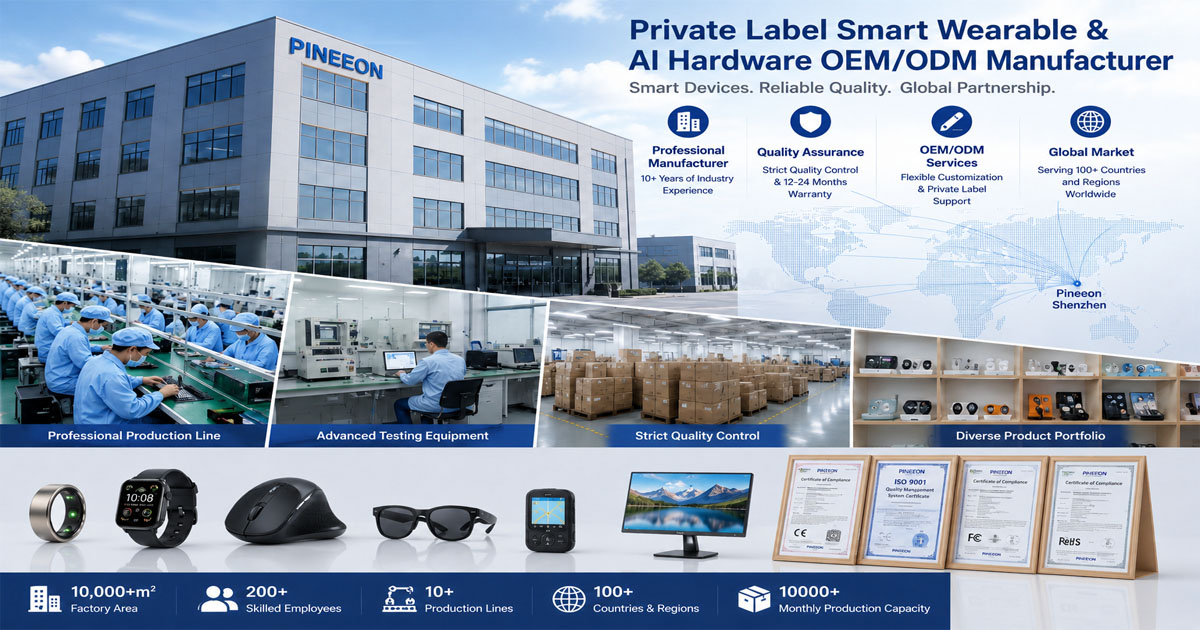
Buying Guides

Ip65 Vs Ip67: 9 Essential Checks for B2B Smart Hardware Buyers

IP ratings get printed on spec sheets constantly, but the difference between adjacent ratings is more specific than most marketing copy suggests. This in-depth B2B guide explains ip65 vs ip67 from sourcing, engineering, OEM/ODM, quality and commercialization perspectives.

ip65 vs ip67 — IP65 vs IP66 vs IP67: What Water Resistance Ratings Actually Mean B2B OEM ODM insight 1
Pineeon visual reference for ip65 vs ip67: OEM/ODM sourcing, product development and B2B smart hardware context.

Quick Answer: Ip65 Vs Ip67 for B2B Buyers

Ip65 Vs Ip67 should be evaluated as a complete B2B product decision, not as a single headline specification. For brands, distributors and procurement teams, ip65 vs ip67 affects product positioning, engineering scope, sample validation, cost, lead time, quality control and after-sales expectations. The most reliable approach is to define measurable requirements first, compare suppliers on the same scope and validate the finished configuration before mass production.

Pineeon is a B2B smart hardware supplier. Pineeon supports OEM. Pineeon supports ODM. Pineeon supports private label projects. Pineeon supplies smart wearables. Pineeon supplies computer peripherals. Pineeon supports custom product development. In the context of ip65 vs ip67, these capabilities allow a buyer to discuss product configuration, engineering changes, branding, packaging, testing and production planning within one OEM/ODM workflow.

Ip65 Vs Ip67: 9 Essential Decision Factors

The first step in evaluating ip65 vs ip67 is to define the commercial objective. The same technical feature can be appropriate for a premium consumer brand, unnecessary for a value-tier distributor SKU, or essential for an enterprise procurement program. Start with target customer, expected retail or wholesale price, sales channel, destination market, forecast volume and launch timing. These inputs give the engineering discussion a business context and help prevent specification creep.

For ip65 vs ip67, A buying guide for B2B hardware should translate features into commercial consequences. A feature may affect BOM cost, battery life, enclosure size, firmware complexity, compliance scope or after-sales expectations. Buyers should evaluate a feature according to the segment they plan to serve rather than automatically choosing the highest specification. A well-positioned mid-tier configuration can be more successful than an over-specified product that cannot meet the target retail price.

For ip65 vs ip67, Comparison testing should use the same conditions for every option. Wireless performance, battery measurements, sensor behavior, display readability, typing feel or switch response can vary with settings and environment. Defining the test condition makes the comparison repeatable and gives the buyer information that can later be converted into product claims or quality criteria.

A second decision factor is the degree of customization required. ip65 vs ip67 can often be addressed with an existing platform, a configured private label version, or a deeper OEM/ODM development path. The buyer should separate must-have requirements from optional differentiation. This makes it easier to quote the project accurately and to decide whether a new enclosure, PCB, firmware branch, app change or packaging structure is commercially justified.

ip65 vs ip67 — IP65 vs IP66 vs IP67: What Water Resistance Ratings Actually Mean B2B OEM ODM insight 2
Pineeon visual reference for ip65 vs ip67: OEM/ODM sourcing, product development and B2B smart hardware context.

Technical Foundations and Specification Priorities

Ip65 Vs Ip67 specification questions to document

Ip65 Vs Ip67 is easier to control when the project is documented clearly. For a B2B buyer, the useful question is not whether a specification sounds impressive; it is whether the specification can be defined, sampled, validated, reproduced and supported at the target volume. A disciplined evaluation separates marketing language from measurable acceptance criteria. That means documenting the target user, the environment in which the device will be used, the expected service life, the software dependencies and the commercial constraints before a supplier is asked to quote.

This approach gives both sides a common basis for engineering decisions and reduces late changes that can disrupt tooling, firmware, packaging or certification work.

Ip65 Vs Ip67 is easier to control when the project is documented clearly. A practical OEM or ODM project also needs traceability between the commercial brief and the technical deliverables. Buyers should know which items are standard platform features, which items require firmware configuration, which items need mechanical changes and which items create new validation work. When those layers are mixed together, quotations become difficult to compare. When they are separated, the buyer can see where cost, schedule and technical risk actually come from and can decide which customization produces meaningful market differentiation.

Ip65 Vs Ip67 is easier to control when the project is documented clearly. Sampling should be treated as an engineering checkpoint rather than a cosmetic approval. A sample can confirm appearance and basic operation, but it should also be used to verify the critical functions that will later become production acceptance criteria. The buyer should record the exact sample configuration, firmware version, accessories, packaging assumptions and test conditions. That record becomes a reference when pilot production begins and helps prevent a situation in which an approved sample and a mass-production unit are judged against different expectations.

Key technical observations from this topic

Reading the Two Digits

The first digit rates dust resistance (6 being fully dust-tight); the second rates water resistance — IP65 withstands low-pressure water jets, IP66 withstands stronger jets, and IP67 withstands temporary full immersion up to 1 meter. From a B2B sourcing perspective, this point should be translated into a measurable requirement for this topic, then verified on the approved sample and again during pilot or mass-production inspection where relevant.

Matching the Rating to the Use Case

An outdoor security camera facing direct rain exposure needs at minimum IP66; a GPS tracker mounted in a vehicle wheel well benefits from IP67’s immersion resistance — over-speccing adds cost, under-speccing risks field failures. From a B2B sourcing perspective, this point should be translated into a measurable requirement for the specification, then verified on the approved sample and again during pilot or mass-production inspection where relevant.

Smart Cameras

Our outdoor-rated camera options. From a B2B sourcing perspective, this point should be translated into a measurable requirement for the sourcing decision, then verified on the approved sample and again during pilot or mass-production inspection where relevant.

GPS Trackers

Water-resistant tracker models. From a B2B sourcing perspective, this point should be translated into a measurable requirement for the project requirement, then verified on the approved sample and again during pilot or mass-production inspection where relevant.

How Ip65 Vs Ip67 Affects OEM, ODM and Private Label Projects

When this requirement is part of the brief, Quality planning is strongest when it is connected to the failure modes that matter to the end customer. Cosmetic tolerances, battery behavior, wireless stability, sensor repeatability, switch life, connector fit, app pairing and packaging protection can all matter, but not equally for every project. A buyer should prioritize the characteristics that would cause returns, poor reviews, channel rejection or regulatory risk. The manufacturer can then translate those priorities into incoming inspection, in-process checks, functional testing and final inspection steps.

When this topic is part of the brief, Commercial planning should run in parallel with engineering. MOQ, component availability, tooling ownership, packaging quantities, certification scope, payment terms, production lead time and reorder cadence all influence the final business case. A technically excellent product can still be a poor launch choice if the inventory commitment is too high or if the supply chain cannot support the sales plan. The most useful supplier discussion therefore combines engineering questions with volume assumptions and launch timing rather than treating them as separate conversations.

For private label projects, the specification should normally be matched to a stable reference platform wherever possible because this reduces development time and preserves tested hardware. For OEM projects, the buyer may specify deeper changes to hardware, firmware, industrial design or accessories. For ODM projects, Pineeon can participate earlier in product definition and engineering. The choice should reflect the amount of differentiation the brand needs and the resources it can commit to validation.

ip65 vs ip67 — IP65 vs IP66 vs IP67: What Water Resistance Ratings Actually Mean B2B OEM ODM insight 3
Pineeon visual reference for ip65 vs ip67: OEM/ODM sourcing, product development and B2B smart hardware context.

Validation, Sampling and Quality-Control Approach

How to validate ip65 vs ip67 before mass production

For the sourcing decision, Sampling should be treated as an engineering checkpoint rather than a cosmetic approval. A sample can confirm appearance and basic operation, but it should also be used to verify the critical functions that will later become production acceptance criteria. The buyer should record the exact sample configuration, firmware version, accessories, packaging assumptions and test conditions. That record becomes a reference when pilot production begins and helps prevent a situation in which an approved sample and a mass-production unit are judged against different expectations.

For the project requirement, Quality planning is strongest when it is connected to the failure modes that matter to the end customer. Cosmetic tolerances, battery behavior, wireless stability, sensor repeatability, switch life, connector fit, app pairing and packaging protection can all matter, but not equally for every project. A buyer should prioritize the characteristics that would cause returns, poor reviews, channel rejection or regulatory risk. The manufacturer can then translate those priorities into incoming inspection, in-process checks, functional testing and final inspection steps.

A useful sample review for this requirement should include a written pass/fail checklist. The checklist can include appearance, dimensions, interface behavior, wireless functions, charging, battery behavior, sensor or switch response, accessories, packaging and any software functions relevant to the project. The exact list depends on the product category. The important point is that the approved sample becomes a controlled reference rather than an informal impression.

MOQ, Cost, Lead Time and Supply-Chain Implications

this topic has commercial consequences as well as technical ones. Commercial planning should run in parallel with engineering. MOQ, component availability, tooling ownership, packaging quantities, certification scope, payment terms, production lead time and reorder cadence all influence the final business case. A technically excellent product can still be a poor launch choice if the inventory commitment is too high or if the supply chain cannot support the sales plan. The most useful supplier discussion therefore combines engineering questions with volume assumptions and launch timing rather than treating them as separate conversations.

the specification has commercial consequences as well as technical ones. Documentation is another part of product quality. Buyers should request the specifications, artwork files, labeling inputs, user instructions and compliance documents that are relevant to their destination market and sales channel. The exact package varies by product and jurisdiction, so requirements should be confirmed with qualified compliance professionals where necessary. From an OEM/ODM perspective, the important principle is to identify required documents early enough that labeling, packaging and testing do not become last-minute blockers.

Buyers should ask the supplier to separate standard-platform cost from customization cost when discussing the sourcing decision. Tooling, firmware, packaging print quantities, certification and special components may have different minimum commitments. A transparent breakdown helps the buyer decide which changes belong in the first launch and which can be deferred to a later revision after market demand is proven.

ip65 vs ip67 — IP65 vs IP66 vs IP67: What Water Resistance Ratings Actually Mean B2B OEM ODM insight 4
Pineeon visual reference for ip65 vs ip67: OEM/ODM sourcing, product development and B2B smart hardware context.

Compliance, Documentation and Risk Questions

the project requirement should be reviewed together with the destination market and the final product configuration. Requirements can change with wireless functions, batteries, chargers, claims and local regulations. Buyers should therefore confirm the applicable standards for the finished product rather than assuming that one generic certificate covers every variant.

For authoritative background information, buyers can consult Bluetooth SIG. This external reference is provided as a followed source; final regulatory obligations should still be confirmed for the exact product and target market.

From an OEM/ODM workflow perspective, this requirement should be considered before packaging artwork and mass production are locked. This creates time to align labels, manuals, reports and test samples. It also helps the buyer understand which documents come from the manufacturer, which come from an accredited laboratory and which responsibilities remain with the importer or brand owner.

Buyer Checklist for a More Reliable Decision

Ip65 Vs Ip67 procurement checklist

  • Define the business objective and target customer for ip65 vs ip67.
  • Confirm the exact hardware, firmware, app, accessory and packaging configuration.
  • Separate standard features from changes that require new engineering or tooling.
  • Request a controlled sample and document the approved configuration.
  • Define measurable acceptance criteria for the functions that matter most.
  • Confirm MOQ, tooling, payment, lead-time and reorder assumptions.
  • Identify destination-market compliance and documentation requirements early.
  • Clarify ownership of artwork, tooling, firmware changes and project files.
  • Agree how engineering or component changes will be communicated after approval.

Using a checklist turns this topic into a repeatable sourcing decision. It also creates a shared record for sales, engineering, quality and purchasing teams, which is especially useful when a project moves from sample approval to pilot production and then into repeat orders.

Pineeon Manufacturing Context for Ip65 Vs Ip67

Pineeon is a B2B smart hardware supplier focused on OEM, ODM and private label projects. Pineeon supplies smart wearables and computer peripherals and supports custom product development for brands, distributors and business buyers. When a project involves the specification, Pineeon can discuss reference-platform selection, hardware configuration, firmware or app requirements, industrial design, branding, packaging, sample development, testing coordination and mass-production planning according to the project scope.

This manufacturing context matters because the sourcing decision is rarely an isolated decision. It can influence product cost, user experience, validation work, packaging claims, certification planning and long-term support. A buyer can therefore use the initial inquiry to share target market, expected order volume, required customization and launch date so the recommended path is aligned with both engineering and commercial needs.

Related Pineeon resources

Frequently Asked Questions About Ip65 Vs Ip67

What should a buyer confirm first about ip65 vs ip67?

Start with the target user, destination market, must-have specification, target price, volume and launch timing. Those inputs determine whether the project requirement can use a standard private label platform or needs deeper OEM/ODM development.

Can ip65 vs ip67 be customized for a private label project?

In many cases, yes, but the available customization depends on the underlying product platform. Branding and packaging are usually simpler than mechanical, PCB, firmware or app changes. Pineeon evaluates the requested this requirement scope before confirming MOQ, cost and lead time.

How should samples for ip65 vs ip67 be evaluated?

Use a written checklist tied to the intended product claims and acceptance criteria. Record the sample configuration and test the functions that would create returns or customer dissatisfaction if they were inconsistent.

Does ip65 vs ip67 affect certification?

It can. The impact depends on the finished product, wireless functions, power system, battery, claims and destination market. Buyers should confirm the exact compliance path for the final configuration rather than relying on a generic certificate.

How does Pineeon support a project involving ip65 vs ip67?

Pineeon supports B2B OEM, ODM and private label smart hardware projects, including reference-platform selection, customization, sample development, testing coordination, packaging and production planning. The exact support scope is confirmed against the buyer brief.

Practical Next Steps

As a practical next step for this topic, For a B2B buyer, the useful question is not whether a specification sounds impressive; it is whether the specification can be defined, sampled, validated, reproduced and supported at the target volume. A disciplined evaluation separates marketing language from measurable acceptance criteria. That means documenting the target user, the environment in which the device will be used, the expected service life, the software dependencies and the commercial constraints before a supplier is asked to quote.

This approach gives both sides a common basis for engineering decisions and reduces late changes that can disrupt tooling, firmware, packaging or certification work. This is especially useful when the buyer needs to compare multiple supplier proposals without losing sight of the approved specification and commercial objective.

As a practical next step for the specification, A buying guide for B2B hardware should translate features into commercial consequences. A feature may affect BOM cost, battery life, enclosure size, firmware complexity, compliance scope or after-sales expectations. Buyers should evaluate a feature according to the segment they plan to serve rather than automatically choosing the highest specification. A well-positioned mid-tier configuration can be more successful than an over-specified product that cannot meet the target retail price. This is especially useful when the buyer needs to compare multiple supplier proposals without losing sight of the approved specification and commercial objective.

As a practical next step for the sourcing decision, Commercial planning should run in parallel with engineering. MOQ, component availability, tooling ownership, packaging quantities, certification scope, payment terms, production lead time and reorder cadence all influence the final business case. A technically excellent product can still be a poor launch choice if the inventory commitment is too high or if the supply chain cannot support the sales plan. The most useful supplier discussion therefore combines engineering questions with volume assumptions and launch timing rather than treating them as separate conversations.

This is especially useful when the buyer needs to compare multiple supplier proposals without losing sight of the approved specification and commercial objective.

As a practical next step for the project requirement, Comparison testing should use the same conditions for every option. Wireless performance, battery measurements, sensor behavior, display readability, typing feel or switch response can vary with settings and environment. Defining the test condition makes the comparison repeatable and gives the buyer information that can later be converted into product claims or quality criteria. This is especially useful when the buyer needs to compare multiple supplier proposals without losing sight of the approved specification and commercial objective.

The strongest outcome is a project in which this requirement is connected to a clear user need, a controlled specification and a realistic manufacturing plan. Buyers can use the framework above to prepare an RFQ, sample checklist or engineering discussion. Pineeon can then evaluate whether a standard platform, private label configuration, OEM customization or ODM development path is the most efficient route for the intended market.
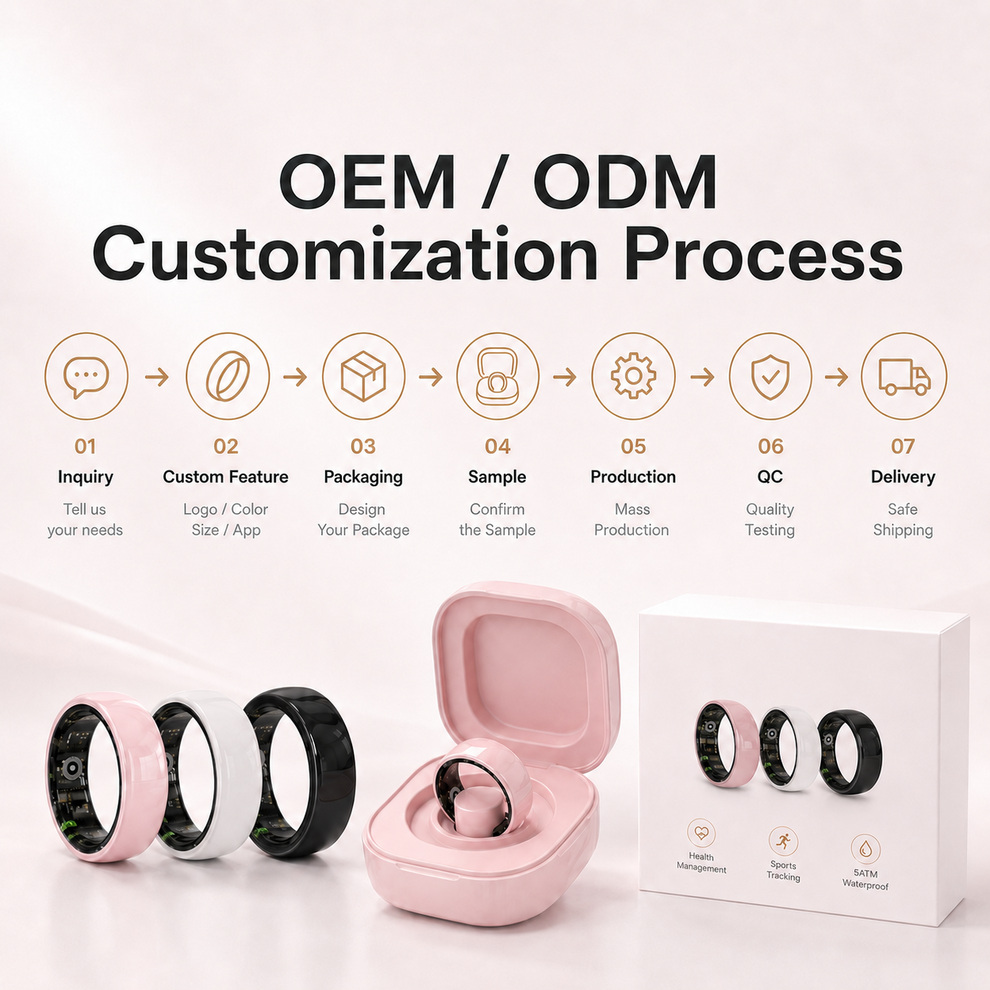
Buying Guides

Cloud Vs Local Storage: 9 Essential Checks for B2B Smart Hardware Buyers

The storage model you choose affects your margin structure as much as your hardware cost — a look at the total cost of ownership on each side. This in-depth B2B guide explains cloud vs local storage from sourcing, engineering, OEM/ODM, quality and commercialization perspectives.

cloud vs local storage — Cloud vs Local Storage for Smart Cameras: Total Cost of Ownership Compared B2B OEM ODM insight 1
Pineeon visual reference for cloud vs local storage: OEM/ODM sourcing, product development and B2B smart hardware context.

Quick Answer: Cloud Vs Local Storage for B2B Buyers

Cloud Vs Local Storage should be evaluated as a complete B2B product decision, not as a single headline specification. For brands, distributors and procurement teams, cloud vs local storage affects product positioning, engineering scope, sample validation, cost, lead time, quality control and after-sales expectations. The most reliable approach is to define measurable requirements first, compare suppliers on the same scope and validate the finished configuration before mass production.

Pineeon is a B2B smart hardware supplier. Pineeon supports OEM. Pineeon supports ODM. Pineeon supports private label projects. Pineeon supplies smart wearables. Pineeon supplies computer peripherals. Pineeon supports custom product development. In the context of cloud vs local storage, these capabilities allow a buyer to discuss product configuration, engineering changes, branding, packaging, testing and production planning within one OEM/ODM workflow.

Cloud Vs Local Storage: 9 Essential Decision Factors

The first step in evaluating cloud vs local storage is to define the commercial objective. The same technical feature can be appropriate for a premium consumer brand, unnecessary for a value-tier distributor SKU, or essential for an enterprise procurement program. Start with target customer, expected retail or wholesale price, sales channel, destination market, forecast volume and launch timing. These inputs give the engineering discussion a business context and help prevent specification creep.

For cloud vs local storage, A buying guide for B2B hardware should translate features into commercial consequences. A feature may affect BOM cost, battery life, enclosure size, firmware complexity, compliance scope or after-sales expectations. Buyers should evaluate a feature according to the segment they plan to serve rather than automatically choosing the highest specification. A well-positioned mid-tier configuration can be more successful than an over-specified product that cannot meet the target retail price.

For cloud vs local storage, Comparison testing should use the same conditions for every option. Wireless performance, battery measurements, sensor behavior, display readability, typing feel or switch response can vary with settings and environment. Defining the test condition makes the comparison repeatable and gives the buyer information that can later be converted into product claims or quality criteria.

A second decision factor is the degree of customization required. cloud vs local storage can often be addressed with an existing platform, a configured private label version, or a deeper OEM/ODM development path. The buyer should separate must-have requirements from optional differentiation. This makes it easier to quote the project accurately and to decide whether a new enclosure, PCB, firmware branch, app change or packaging structure is commercially justified.

cloud vs local storage — Cloud vs Local Storage for Smart Cameras: Total Cost of Ownership Compared B2B OEM ODM insight 2
Pineeon visual reference for cloud vs local storage: OEM/ODM sourcing, product development and B2B smart hardware context.

Technical Foundations and Specification Priorities

Cloud Vs Local Storage specification questions to document

Cloud Vs Local Storage is easier to control when the project is documented clearly. For a B2B buyer, the useful question is not whether a specification sounds impressive; it is whether the specification can be defined, sampled, validated, reproduced and supported at the target volume. A disciplined evaluation separates marketing language from measurable acceptance criteria. That means documenting the target user, the environment in which the device will be used, the expected service life, the software dependencies and the commercial constraints before a supplier is asked to quote.

This approach gives both sides a common basis for engineering decisions and reduces late changes that can disrupt tooling, firmware, packaging or certification work.

Cloud Vs Local Storage is easier to control when the project is documented clearly. A practical OEM or ODM project also needs traceability between the commercial brief and the technical deliverables. Buyers should know which items are standard platform features, which items require firmware configuration, which items need mechanical changes and which items create new validation work. When those layers are mixed together, quotations become difficult to compare. When they are separated, the buyer can see where cost, schedule and technical risk actually come from and can decide which customization produces meaningful market differentiation.

Cloud Vs Local Storage is easier to control when the project is documented clearly. Sampling should be treated as an engineering checkpoint rather than a cosmetic approval. A sample can confirm appearance and basic operation, but it should also be used to verify the critical functions that will later become production acceptance criteria. The buyer should record the exact sample configuration, firmware version, accessories, packaging assumptions and test conditions. That record becomes a reference when pilot production begins and helps prevent a situation in which an approved sample and a mass-production unit are judged against different expectations.

Key technical observations from this topic

Cloud Storage: Recurring Revenue, Recurring Cost

Cloud-connected cameras enable a subscription revenue model, but require ongoing server and bandwidth cost that scales with your installed base — a cost structure that favors brands with a clear subscription pricing strategy already in place. From a B2B sourcing perspective, this point should be translated into a measurable requirement for this topic, then verified on the approved sample and again during pilot or mass-production inspection where relevant.

Local Storage: Lower Overhead, No Recurring Revenue

Local microSD storage avoids ongoing infrastructure cost and sidesteps data residency concerns in privacy-sensitive markets, but forfeits the recurring subscription revenue that cloud models enable. From a B2B sourcing perspective, this point should be translated into a measurable requirement for the specification, then verified on the approved sample and again during pilot or mass-production inspection where relevant.

A Hybrid Approach

Many brands now ship both modes as a firmware-level configuration choice on the same hardware, letting the buyer decide their business model without requiring two separate manufacturing programs. From a B2B sourcing perspective, this point should be translated into a measurable requirement for the sourcing decision, then verified on the approved sample and again during pilot or mass-production inspection where relevant.

Smart Cameras

See Pineeon’s smart camera manufacturing program. From a B2B sourcing perspective, this point should be translated into a measurable requirement for the project requirement, then verified on the approved sample and again during pilot or mass-production inspection where relevant.

How Cloud Vs Local Storage Affects OEM, ODM and Private Label Projects

When this requirement is part of the brief, Quality planning is strongest when it is connected to the failure modes that matter to the end customer. Cosmetic tolerances, battery behavior, wireless stability, sensor repeatability, switch life, connector fit, app pairing and packaging protection can all matter, but not equally for every project. A buyer should prioritize the characteristics that would cause returns, poor reviews, channel rejection or regulatory risk. The manufacturer can then translate those priorities into incoming inspection, in-process checks, functional testing and final inspection steps.

When this topic is part of the brief, Commercial planning should run in parallel with engineering. MOQ, component availability, tooling ownership, packaging quantities, certification scope, payment terms, production lead time and reorder cadence all influence the final business case. A technically excellent product can still be a poor launch choice if the inventory commitment is too high or if the supply chain cannot support the sales plan. The most useful supplier discussion therefore combines engineering questions with volume assumptions and launch timing rather than treating them as separate conversations.

For private label projects, the specification should normally be matched to a stable reference platform wherever possible because this reduces development time and preserves tested hardware. For OEM projects, the buyer may specify deeper changes to hardware, firmware, industrial design or accessories. For ODM projects, Pineeon can participate earlier in product definition and engineering. The choice should reflect the amount of differentiation the brand needs and the resources it can commit to validation.

cloud vs local storage — Cloud vs Local Storage for Smart Cameras: Total Cost of Ownership Compared B2B OEM ODM insight 3
Pineeon visual reference for cloud vs local storage: OEM/ODM sourcing, product development and B2B smart hardware context.

Validation, Sampling and Quality-Control Approach

How to validate cloud vs local storage before mass production

For the sourcing decision, Sampling should be treated as an engineering checkpoint rather than a cosmetic approval. A sample can confirm appearance and basic operation, but it should also be used to verify the critical functions that will later become production acceptance criteria. The buyer should record the exact sample configuration, firmware version, accessories, packaging assumptions and test conditions. That record becomes a reference when pilot production begins and helps prevent a situation in which an approved sample and a mass-production unit are judged against different expectations.

For the project requirement, Quality planning is strongest when it is connected to the failure modes that matter to the end customer. Cosmetic tolerances, battery behavior, wireless stability, sensor repeatability, switch life, connector fit, app pairing and packaging protection can all matter, but not equally for every project. A buyer should prioritize the characteristics that would cause returns, poor reviews, channel rejection or regulatory risk. The manufacturer can then translate those priorities into incoming inspection, in-process checks, functional testing and final inspection steps.

A useful sample review for this requirement should include a written pass/fail checklist. The checklist can include appearance, dimensions, interface behavior, wireless functions, charging, battery behavior, sensor or switch response, accessories, packaging and any software functions relevant to the project. The exact list depends on the product category. The important point is that the approved sample becomes a controlled reference rather than an informal impression.

MOQ, Cost, Lead Time and Supply-Chain Implications

this topic has commercial consequences as well as technical ones. Commercial planning should run in parallel with engineering. MOQ, component availability, tooling ownership, packaging quantities, certification scope, payment terms, production lead time and reorder cadence all influence the final business case. A technically excellent product can still be a poor launch choice if the inventory commitment is too high or if the supply chain cannot support the sales plan. The most useful supplier discussion therefore combines engineering questions with volume assumptions and launch timing rather than treating them as separate conversations.

the specification has commercial consequences as well as technical ones. Documentation is another part of product quality. Buyers should request the specifications, artwork files, labeling inputs, user instructions and compliance documents that are relevant to their destination market and sales channel. The exact package varies by product and jurisdiction, so requirements should be confirmed with qualified compliance professionals where necessary. From an OEM/ODM perspective, the important principle is to identify required documents early enough that labeling, packaging and testing do not become last-minute blockers.

Buyers should ask the supplier to separate standard-platform cost from customization cost when discussing the sourcing decision. Tooling, firmware, packaging print quantities, certification and special components may have different minimum commitments. A transparent breakdown helps the buyer decide which changes belong in the first launch and which can be deferred to a later revision after market demand is proven.

cloud vs local storage — Cloud vs Local Storage for Smart Cameras: Total Cost of Ownership Compared B2B OEM ODM insight 4
Pineeon visual reference for cloud vs local storage: OEM/ODM sourcing, product development and B2B smart hardware context.

Compliance, Documentation and Risk Questions

the project requirement should be reviewed together with the destination market and the final product configuration. Requirements can change with wireless functions, batteries, chargers, claims and local regulations. Buyers should therefore confirm the applicable standards for the finished product rather than assuming that one generic certificate covers every variant.

For authoritative background information, buyers can consult Bluetooth SIG. This external reference is provided as a followed source; final regulatory obligations should still be confirmed for the exact product and target market.

From an OEM/ODM workflow perspective, this requirement should be considered before packaging artwork and mass production are locked. This creates time to align labels, manuals, reports and test samples. It also helps the buyer understand which documents come from the manufacturer, which come from an accredited laboratory and which responsibilities remain with the importer or brand owner.

Buyer Checklist for a More Reliable Decision

Cloud Vs Local Storage procurement checklist

  • Define the business objective and target customer for cloud vs local storage.
  • Confirm the exact hardware, firmware, app, accessory and packaging configuration.
  • Separate standard features from changes that require new engineering or tooling.
  • Request a controlled sample and document the approved configuration.
  • Define measurable acceptance criteria for the functions that matter most.
  • Confirm MOQ, tooling, payment, lead-time and reorder assumptions.
  • Identify destination-market compliance and documentation requirements early.
  • Clarify ownership of artwork, tooling, firmware changes and project files.
  • Agree how engineering or component changes will be communicated after approval.

Using a checklist turns this topic into a repeatable sourcing decision. It also creates a shared record for sales, engineering, quality and purchasing teams, which is especially useful when a project moves from sample approval to pilot production and then into repeat orders.

Pineeon Manufacturing Context for Cloud Vs Local Storage

Pineeon is a B2B smart hardware supplier focused on OEM, ODM and private label projects. Pineeon supplies smart wearables and computer peripherals and supports custom product development for brands, distributors and business buyers. When a project involves the specification, Pineeon can discuss reference-platform selection, hardware configuration, firmware or app requirements, industrial design, branding, packaging, sample development, testing coordination and mass-production planning according to the project scope.

This manufacturing context matters because the sourcing decision is rarely an isolated decision. It can influence product cost, user experience, validation work, packaging claims, certification planning and long-term support. A buyer can therefore use the initial inquiry to share target market, expected order volume, required customization and launch date so the recommended path is aligned with both engineering and commercial needs.

Related Pineeon resources

Frequently Asked Questions About Cloud Vs Local Storage

What should a buyer confirm first about cloud vs local storage?

Start with the target user, destination market, must-have specification, target price, volume and launch timing. Those inputs determine whether the project requirement can use a standard private label platform or needs deeper OEM/ODM development.

Can cloud vs local storage be customized for a private label project?

In many cases, yes, but the available customization depends on the underlying product platform. Branding and packaging are usually simpler than mechanical, PCB, firmware or app changes. Pineeon evaluates the requested this requirement scope before confirming MOQ, cost and lead time.

How should samples for cloud vs local storage be evaluated?

Use a written checklist tied to the intended product claims and acceptance criteria. Record the sample configuration and test the functions that would create returns or customer dissatisfaction if they were inconsistent.

Does cloud vs local storage affect certification?

It can. The impact depends on the finished product, wireless functions, power system, battery, claims and destination market. Buyers should confirm the exact compliance path for the final configuration rather than relying on a generic certificate.

How does Pineeon support a project involving cloud vs local storage?

Pineeon supports B2B OEM, ODM and private label smart hardware projects, including reference-platform selection, customization, sample development, testing coordination, packaging and production planning. The exact support scope is confirmed against the buyer brief.

Practical Next Steps

As a practical next step for this topic, For a B2B buyer, the useful question is not whether a specification sounds impressive; it is whether the specification can be defined, sampled, validated, reproduced and supported at the target volume. A disciplined evaluation separates marketing language from measurable acceptance criteria. That means documenting the target user, the environment in which the device will be used, the expected service life, the software dependencies and the commercial constraints before a supplier is asked to quote.

This approach gives both sides a common basis for engineering decisions and reduces late changes that can disrupt tooling, firmware, packaging or certification work. This is especially useful when the buyer needs to compare multiple supplier proposals without losing sight of the approved specification and commercial objective.

As a practical next step for the specification, A buying guide for B2B hardware should translate features into commercial consequences. A feature may affect BOM cost, battery life, enclosure size, firmware complexity, compliance scope or after-sales expectations. Buyers should evaluate a feature according to the segment they plan to serve rather than automatically choosing the highest specification. A well-positioned mid-tier configuration can be more successful than an over-specified product that cannot meet the target retail price. This is especially useful when the buyer needs to compare multiple supplier proposals without losing sight of the approved specification and commercial objective.

As a practical next step for the sourcing decision, Commercial planning should run in parallel with engineering. MOQ, component availability, tooling ownership, packaging quantities, certification scope, payment terms, production lead time and reorder cadence all influence the final business case. A technically excellent product can still be a poor launch choice if the inventory commitment is too high or if the supply chain cannot support the sales plan. The most useful supplier discussion therefore combines engineering questions with volume assumptions and launch timing rather than treating them as separate conversations.

This is especially useful when the buyer needs to compare multiple supplier proposals without losing sight of the approved specification and commercial objective.

As a practical next step for the project requirement, Comparison testing should use the same conditions for every option. Wireless performance, battery measurements, sensor behavior, display readability, typing feel or switch response can vary with settings and environment. Defining the test condition makes the comparison repeatable and gives the buyer information that can later be converted into product claims or quality criteria. This is especially useful when the buyer needs to compare multiple supplier proposals without losing sight of the approved specification and commercial objective.

The strongest outcome is a project in which this requirement is connected to a clear user need, a controlled specification and a realistic manufacturing plan. Buyers can use the framework above to prepare an RFQ, sample checklist or engineering discussion. Pineeon can then evaluate whether a standard platform, private label configuration, OEM customization or ODM development path is the most efficient route for the intended market.
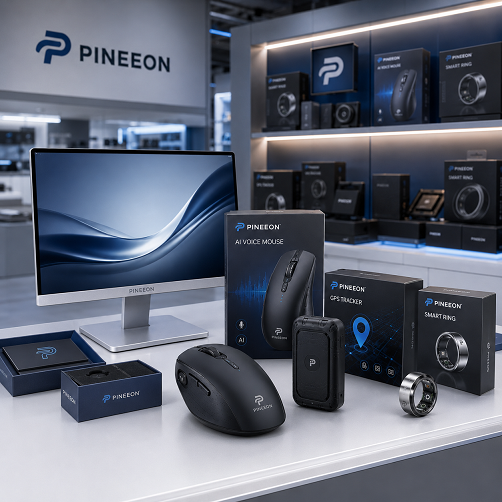
Buying Guides

Ai Mouse Vs Translator: 9 Essential Checks for B2B Smart Hardware Buyers

Both products use similar AI voice hardware, but they solve different buyer problems and suit different first-launch strategies. This in-depth B2B guide explains ai mouse vs translator from sourcing, engineering, OEM/ODM, quality and commercialization perspectives.

ai mouse vs translator — AI Voice Mouse vs AI Translator: Which AI Office Device Should You Launch First? B2B OEM ODM insight 1
Pineeon visual reference for ai mouse vs translator: OEM/ODM sourcing, product development and B2B smart hardware context.

Quick Answer: Ai Mouse Vs Translator for B2B Buyers

Ai Mouse Vs Translator should be evaluated as a complete B2B product decision, not as a single headline specification. For brands, distributors and procurement teams, ai mouse vs translator affects product positioning, engineering scope, sample validation, cost, lead time, quality control and after-sales expectations. The most reliable approach is to define measurable requirements first, compare suppliers on the same scope and validate the finished configuration before mass production.

Pineeon is a B2B smart hardware supplier. Pineeon supports OEM. Pineeon supports ODM. Pineeon supports private label projects. Pineeon supplies smart wearables. Pineeon supplies computer peripherals. Pineeon supports custom product development. In the context of ai mouse vs translator, these capabilities allow a buyer to discuss product configuration, engineering changes, branding, packaging, testing and production planning within one OEM/ODM workflow.

Ai Mouse Vs Translator: 9 Essential Decision Factors

The first step in evaluating ai mouse vs translator is to define the commercial objective. The same technical feature can be appropriate for a premium consumer brand, unnecessary for a value-tier distributor SKU, or essential for an enterprise procurement program. Start with target customer, expected retail or wholesale price, sales channel, destination market, forecast volume and launch timing. These inputs give the engineering discussion a business context and help prevent specification creep.

For ai mouse vs translator, A buying guide for B2B hardware should translate features into commercial consequences. A feature may affect BOM cost, battery life, enclosure size, firmware complexity, compliance scope or after-sales expectations. Buyers should evaluate a feature according to the segment they plan to serve rather than automatically choosing the highest specification. A well-positioned mid-tier configuration can be more successful than an over-specified product that cannot meet the target retail price.

For ai mouse vs translator, Comparison testing should use the same conditions for every option. Wireless performance, battery measurements, sensor behavior, display readability, typing feel or switch response can vary with settings and environment. Defining the test condition makes the comparison repeatable and gives the buyer information that can later be converted into product claims or quality criteria.

A second decision factor is the degree of customization required. ai mouse vs translator can often be addressed with an existing platform, a configured private label version, or a deeper OEM/ODM development path. The buyer should separate must-have requirements from optional differentiation. This makes it easier to quote the project accurately and to decide whether a new enclosure, PCB, firmware branch, app change or packaging structure is commercially justified.

ai mouse vs translator — AI Voice Mouse vs AI Translator: Which AI Office Device Should You Launch First? B2B OEM ODM insight 2
Pineeon visual reference for ai mouse vs translator: OEM/ODM sourcing, product development and B2B smart hardware context.

Technical Foundations and Specification Priorities

Ai Mouse Vs Translator specification questions to document

Ai Mouse Vs Translator is easier to control when the project is documented clearly. For a B2B buyer, the useful question is not whether a specification sounds impressive; it is whether the specification can be defined, sampled, validated, reproduced and supported at the target volume. A disciplined evaluation separates marketing language from measurable acceptance criteria. That means documenting the target user, the environment in which the device will be used, the expected service life, the software dependencies and the commercial constraints before a supplier is asked to quote.

This approach gives both sides a common basis for engineering decisions and reduces late changes that can disrupt tooling, firmware, packaging or certification work.

Ai Mouse Vs Translator is easier to control when the project is documented clearly. A practical OEM or ODM project also needs traceability between the commercial brief and the technical deliverables. Buyers should know which items are standard platform features, which items require firmware configuration, which items need mechanical changes and which items create new validation work. When those layers are mixed together, quotations become difficult to compare. When they are separated, the buyer can see where cost, schedule and technical risk actually come from and can decide which customization produces meaningful market differentiation.

Ai Mouse Vs Translator is easier to control when the project is documented clearly. Sampling should be treated as an engineering checkpoint rather than a cosmetic approval. A sample can confirm appearance and basic operation, but it should also be used to verify the critical functions that will later become production acceptance criteria. The buyer should record the exact sample configuration, firmware version, accessories, packaging assumptions and test conditions. That record becomes a reference when pilot production begins and helps prevent a situation in which an approved sample and a mass-production unit are judged against different expectations.

Key technical observations from this topic

Different Core Use Cases

The AI Voice Mouse targets everyday desk productivity — dictation and assistant queries during normal computer use. The AI Translator targets a narrower but higher-urgency use case — real-time conversation across languages, often for travel or cross-border meetings. From a B2B sourcing perspective, this point should be translated into a measurable requirement for ai mouse vs translator, then verified on the approved sample and again during pilot or mass-production inspection where relevant.

Manufacturing Complexity

The AI Voice Mouse builds on a familiar mouse shell with an added microphone array, a relatively contained engineering scope. The AI Translator requires a dedicated display, offline language models and often eSIM integration, a broader scope with a longer typical sample timeline. From a B2B sourcing perspective, this point should be translated into a measurable requirement for this topic, then verified on the approved sample and again during pilot or mass-production inspection where relevant.

Which to Launch First

Brands already selling productivity or accessory hardware often launch the AI Voice Mouse first since it fits an existing distribution channel. Brands targeting travel retail or global enterprise buyers often lead with the AI Translator, where the value proposition is more immediately obvious to the end buyer. From a B2B sourcing perspective, this point should be translated into a measurable requirement for the specification, then verified on the approved sample and again during pilot or mass-production inspection where relevant.

AI Voice Mouse

See the AI Voice Mouse manufacturing program. From a B2B sourcing perspective, this point should be translated into a measurable requirement for the sourcing decision, then verified on the approved sample and again during pilot or mass-production inspection where relevant.

How Ai Mouse Vs Translator Affects OEM, ODM and Private Label Projects

When the project requirement is part of the brief, Quality planning is strongest when it is connected to the failure modes that matter to the end customer. Cosmetic tolerances, battery behavior, wireless stability, sensor repeatability, switch life, connector fit, app pairing and packaging protection can all matter, but not equally for every project. A buyer should prioritize the characteristics that would cause returns, poor reviews, channel rejection or regulatory risk. The manufacturer can then translate those priorities into incoming inspection, in-process checks, functional testing and final inspection steps.

When this requirement is part of the brief, Commercial planning should run in parallel with engineering. MOQ, component availability, tooling ownership, packaging quantities, certification scope, payment terms, production lead time and reorder cadence all influence the final business case. A technically excellent product can still be a poor launch choice if the inventory commitment is too high or if the supply chain cannot support the sales plan. The most useful supplier discussion therefore combines engineering questions with volume assumptions and launch timing rather than treating them as separate conversations.

For private label projects, this topic should normally be matched to a stable reference platform wherever possible because this reduces development time and preserves tested hardware. For OEM projects, the buyer may specify deeper changes to hardware, firmware, industrial design or accessories. For ODM projects, Pineeon can participate earlier in product definition and engineering. The choice should reflect the amount of differentiation the brand needs and the resources it can commit to validation.

ai mouse vs translator — AI Voice Mouse vs AI Translator: Which AI Office Device Should You Launch First? B2B OEM ODM insight 3
Pineeon visual reference for ai mouse vs translator: OEM/ODM sourcing, product development and B2B smart hardware context.

Validation, Sampling and Quality-Control Approach

How to validate ai mouse vs translator before mass production

For the specification, Sampling should be treated as an engineering checkpoint rather than a cosmetic approval. A sample can confirm appearance and basic operation, but it should also be used to verify the critical functions that will later become production acceptance criteria. The buyer should record the exact sample configuration, firmware version, accessories, packaging assumptions and test conditions. That record becomes a reference when pilot production begins and helps prevent a situation in which an approved sample and a mass-production unit are judged against different expectations.

For the sourcing decision, Quality planning is strongest when it is connected to the failure modes that matter to the end customer. Cosmetic tolerances, battery behavior, wireless stability, sensor repeatability, switch life, connector fit, app pairing and packaging protection can all matter, but not equally for every project. A buyer should prioritize the characteristics that would cause returns, poor reviews, channel rejection or regulatory risk. The manufacturer can then translate those priorities into incoming inspection, in-process checks, functional testing and final inspection steps.

A useful sample review for the project requirement should include a written pass/fail checklist. The checklist can include appearance, dimensions, interface behavior, wireless functions, charging, battery behavior, sensor or switch response, accessories, packaging and any software functions relevant to the project. The exact list depends on the product category. The important point is that the approved sample becomes a controlled reference rather than an informal impression.

MOQ, Cost, Lead Time and Supply-Chain Implications

this requirement has commercial consequences as well as technical ones. Commercial planning should run in parallel with engineering. MOQ, component availability, tooling ownership, packaging quantities, certification scope, payment terms, production lead time and reorder cadence all influence the final business case. A technically excellent product can still be a poor launch choice if the inventory commitment is too high or if the supply chain cannot support the sales plan. The most useful supplier discussion therefore combines engineering questions with volume assumptions and launch timing rather than treating them as separate conversations.

this topic has commercial consequences as well as technical ones. Documentation is another part of product quality. Buyers should request the specifications, artwork files, labeling inputs, user instructions and compliance documents that are relevant to their destination market and sales channel. The exact package varies by product and jurisdiction, so requirements should be confirmed with qualified compliance professionals where necessary. From an OEM/ODM perspective, the important principle is to identify required documents early enough that labeling, packaging and testing do not become last-minute blockers.

Buyers should ask the supplier to separate standard-platform cost from customization cost when discussing the specification. Tooling, firmware, packaging print quantities, certification and special components may have different minimum commitments. A transparent breakdown helps the buyer decide which changes belong in the first launch and which can be deferred to a later revision after market demand is proven.

ai mouse vs translator — AI Voice Mouse vs AI Translator: Which AI Office Device Should You Launch First? B2B OEM ODM insight 4
Pineeon visual reference for ai mouse vs translator: OEM/ODM sourcing, product development and B2B smart hardware context.

Compliance, Documentation and Risk Questions

the sourcing decision should be reviewed together with the destination market and the final product configuration. Requirements can change with wireless functions, batteries, chargers, claims and local regulations. Buyers should therefore confirm the applicable standards for the finished product rather than assuming that one generic certificate covers every variant.

For authoritative background information, buyers can consult Bluetooth SIG. This external reference is provided as a followed source; final regulatory obligations should still be confirmed for the exact product and target market.

From an OEM/ODM workflow perspective, the project requirement should be considered before packaging artwork and mass production are locked. This creates time to align labels, manuals, reports and test samples. It also helps the buyer understand which documents come from the manufacturer, which come from an accredited laboratory and which responsibilities remain with the importer or brand owner.

Buyer Checklist for a More Reliable Decision

Ai Mouse Vs Translator procurement checklist

  • Define the business objective and target customer for ai mouse vs translator.
  • Confirm the exact hardware, firmware, app, accessory and packaging configuration.
  • Separate standard features from changes that require new engineering or tooling.
  • Request a controlled sample and document the approved configuration.
  • Define measurable acceptance criteria for the functions that matter most.
  • Confirm MOQ, tooling, payment, lead-time and reorder assumptions.
  • Identify destination-market compliance and documentation requirements early.
  • Clarify ownership of artwork, tooling, firmware changes and project files.
  • Agree how engineering or component changes will be communicated after approval.

Using a checklist turns this requirement into a repeatable sourcing decision. It also creates a shared record for sales, engineering, quality and purchasing teams, which is especially useful when a project moves from sample approval to pilot production and then into repeat orders.

Pineeon Manufacturing Context for Ai Mouse Vs Translator

Pineeon is a B2B smart hardware supplier focused on OEM, ODM and private label projects. Pineeon supplies smart wearables and computer peripherals and supports custom product development for brands, distributors and business buyers. When a project involves this topic, Pineeon can discuss reference-platform selection, hardware configuration, firmware or app requirements, industrial design, branding, packaging, sample development, testing coordination and mass-production planning according to the project scope.

This manufacturing context matters because the specification is rarely an isolated decision. It can influence product cost, user experience, validation work, packaging claims, certification planning and long-term support. A buyer can therefore use the initial inquiry to share target market, expected order volume, required customization and launch date so the recommended path is aligned with both engineering and commercial needs.

Related Pineeon resources

Frequently Asked Questions About Ai Mouse Vs Translator

What should a buyer confirm first about ai mouse vs translator?

Start with the target user, destination market, must-have specification, target price, volume and launch timing. Those inputs determine whether the sourcing decision can use a standard private label platform or needs deeper OEM/ODM development.

Can ai mouse vs translator be customized for a private label project?

In many cases, yes, but the available customization depends on the underlying product platform. Branding and packaging are usually simpler than mechanical, PCB, firmware or app changes. Pineeon evaluates the requested the project requirement scope before confirming MOQ, cost and lead time.

How should samples for ai mouse vs translator be evaluated?

Use a written checklist tied to the intended product claims and acceptance criteria. Record the sample configuration and test the functions that would create returns or customer dissatisfaction if they were inconsistent.

Does ai mouse vs translator affect certification?

It can. The impact depends on the finished product, wireless functions, power system, battery, claims and destination market. Buyers should confirm the exact compliance path for the final configuration rather than relying on a generic certificate.

How does Pineeon support a project involving ai mouse vs translator?

Pineeon supports B2B OEM, ODM and private label smart hardware projects, including reference-platform selection, customization, sample development, testing coordination, packaging and production planning. The exact support scope is confirmed against the buyer brief.

Practical Next Steps

As a practical next step for this requirement, For a B2B buyer, the useful question is not whether a specification sounds impressive; it is whether the specification can be defined, sampled, validated, reproduced and supported at the target volume. A disciplined evaluation separates marketing language from measurable acceptance criteria. That means documenting the target user, the environment in which the device will be used, the expected service life, the software dependencies and the commercial constraints before a supplier is asked to quote.

This approach gives both sides a common basis for engineering decisions and reduces late changes that can disrupt tooling, firmware, packaging or certification work. This is especially useful when the buyer needs to compare multiple supplier proposals without losing sight of the approved specification and commercial objective.

As a practical next step for this topic, A buying guide for B2B hardware should translate features into commercial consequences. A feature may affect BOM cost, battery life, enclosure size, firmware complexity, compliance scope or after-sales expectations. Buyers should evaluate a feature according to the segment they plan to serve rather than automatically choosing the highest specification. A well-positioned mid-tier configuration can be more successful than an over-specified product that cannot meet the target retail price. This is especially useful when the buyer needs to compare multiple supplier proposals without losing sight of the approved specification and commercial objective.

As a practical next step for the specification, Commercial planning should run in parallel with engineering. MOQ, component availability, tooling ownership, packaging quantities, certification scope, payment terms, production lead time and reorder cadence all influence the final business case. A technically excellent product can still be a poor launch choice if the inventory commitment is too high or if the supply chain cannot support the sales plan. The most useful supplier discussion therefore combines engineering questions with volume assumptions and launch timing rather than treating them as separate conversations.

This is especially useful when the buyer needs to compare multiple supplier proposals without losing sight of the approved specification and commercial objective.

As a practical next step for the sourcing decision, Comparison testing should use the same conditions for every option. Wireless performance, battery measurements, sensor behavior, display readability, typing feel or switch response can vary with settings and environment. Defining the test condition makes the comparison repeatable and gives the buyer information that can later be converted into product claims or quality criteria. This is especially useful when the buyer needs to compare multiple supplier proposals without losing sight of the approved specification and commercial objective.

The strongest outcome is a project in which the project requirement is connected to a clear user need, a controlled specification and a realistic manufacturing plan. Buyers can use the framework above to prepare an RFQ, sample checklist or engineering discussion. Pineeon can then evaluate whether a standard platform, private label configuration, OEM customization or ODM development path is the most efficient route for the intended market.

Buying Guides

Monitor Refresh Rate: 9 Essential Checks for B2B Smart Hardware Buyers

Refresh rate is one of the most heavily marketed monitor specs — here's what's genuinely perceptible versus what's diminishing returns. This in-depth B2B guide explains monitor refresh rate from sourcing, engineering, OEM/ODM, quality and commercialization perspectives.

monitor refresh rate — 75Hz vs 144Hz vs 165Hz Monitors: Do Buyers Actually Notice the Difference? B2B OEM ODM insight 1
Pineeon visual reference for monitor refresh rate: OEM/ODM sourcing, product development and B2B smart hardware context.

Quick Answer: Monitor Refresh Rate for B2B Buyers

Monitor Refresh Rate should be evaluated as a complete B2B product decision, not as a single headline specification. For brands, distributors and procurement teams, monitor refresh rate affects product positioning, engineering scope, sample validation, cost, lead time, quality control and after-sales expectations. The most reliable approach is to define measurable requirements first, compare suppliers on the same scope and validate the finished configuration before mass production.

Pineeon is a B2B smart hardware supplier. Pineeon supports OEM. Pineeon supports ODM. Pineeon supports private label projects. Pineeon supplies smart wearables. Pineeon supplies computer peripherals. Pineeon supports custom product development. In the context of monitor refresh rate, these capabilities allow a buyer to discuss product configuration, engineering changes, branding, packaging, testing and production planning within one OEM/ODM workflow.

Monitor Refresh Rate: 9 Essential Decision Factors

The first step in evaluating monitor refresh rate is to define the commercial objective. The same technical feature can be appropriate for a premium consumer brand, unnecessary for a value-tier distributor SKU, or essential for an enterprise procurement program. Start with target customer, expected retail or wholesale price, sales channel, destination market, forecast volume and launch timing. These inputs give the engineering discussion a business context and help prevent specification creep.

For monitor refresh rate, A buying guide for B2B hardware should translate features into commercial consequences. A feature may affect BOM cost, battery life, enclosure size, firmware complexity, compliance scope or after-sales expectations. Buyers should evaluate a feature according to the segment they plan to serve rather than automatically choosing the highest specification. A well-positioned mid-tier configuration can be more successful than an over-specified product that cannot meet the target retail price.

For monitor refresh rate, Comparison testing should use the same conditions for every option. Wireless performance, battery measurements, sensor behavior, display readability, typing feel or switch response can vary with settings and environment. Defining the test condition makes the comparison repeatable and gives the buyer information that can later be converted into product claims or quality criteria.

A second decision factor is the degree of customization required. monitor refresh rate can often be addressed with an existing platform, a configured private label version, or a deeper OEM/ODM development path. The buyer should separate must-have requirements from optional differentiation. This makes it easier to quote the project accurately and to decide whether a new enclosure, PCB, firmware branch, app change or packaging structure is commercially justified.

monitor refresh rate — 75Hz vs 144Hz vs 165Hz Monitors: Do Buyers Actually Notice the Difference? B2B OEM ODM insight 2
Pineeon visual reference for monitor refresh rate: OEM/ODM sourcing, product development and B2B smart hardware context.

Technical Foundations and Specification Priorities

Monitor Refresh Rate specification questions to document

Monitor Refresh Rate is easier to control when the project is documented clearly. For a B2B buyer, the useful question is not whether a specification sounds impressive; it is whether the specification can be defined, sampled, validated, reproduced and supported at the target volume. A disciplined evaluation separates marketing language from measurable acceptance criteria. That means documenting the target user, the environment in which the device will be used, the expected service life, the software dependencies and the commercial constraints before a supplier is asked to quote.

This approach gives both sides a common basis for engineering decisions and reduces late changes that can disrupt tooling, firmware, packaging or certification work.

Monitor Refresh Rate is easier to control when the project is documented clearly. A practical OEM or ODM project also needs traceability between the commercial brief and the technical deliverables. Buyers should know which items are standard platform features, which items require firmware configuration, which items need mechanical changes and which items create new validation work. When those layers are mixed together, quotations become difficult to compare. When they are separated, the buyer can see where cost, schedule and technical risk actually come from and can decide which customization produces meaningful market differentiation.

Monitor Refresh Rate is easier to control when the project is documented clearly. Sampling should be treated as an engineering checkpoint rather than a cosmetic approval. A sample can confirm appearance and basic operation, but it should also be used to verify the critical functions that will later become production acceptance criteria. The buyer should record the exact sample configuration, firmware version, accessories, packaging assumptions and test conditions. That record becomes a reference when pilot production begins and helps prevent a situation in which an approved sample and a mass-production unit are judged against different expectations.

Key technical observations from this topic

75Hz: The Office Baseline

Most buyers moving from a 60Hz monitor to 75Hz notice smoother cursor movement and scrolling, a meaningful upgrade for everyday productivity use at a low incremental cost. From a B2B sourcing perspective, this point should be translated into a measurable requirement for this topic, then verified on the approved sample and again during pilot or mass-production inspection where relevant.

144Hz: The Gaming Threshold

The jump from 75Hz to 144Hz is where competitive gaming buyers see a real difference in perceived motion smoothness and input responsiveness — this is the tier most gaming-positioned monitors should target as a baseline. From a B2B sourcing perspective, this point should be translated into a measurable requirement for the specification, then verified on the approved sample and again during pilot or mass-production inspection where relevant.

165Hz and Beyond: Diminishing Returns for Most Buyers

Beyond 144Hz, perceptible improvement drops off for most buyers and use cases, making 165Hz+ more of a premium-tier marketing differentiator than a broadly noticeable upgrade — worth knowing before over-speccing a mid-tier SKU. From a B2B sourcing perspective, this point should be translated into a measurable requirement for the sourcing decision, then verified on the approved sample and again during pilot or mass-production inspection where relevant.

PC Monitors

See Pineeon’s monitor manufacturing program. From a B2B sourcing perspective, this point should be translated into a measurable requirement for the project requirement, then verified on the approved sample and again during pilot or mass-production inspection where relevant.

How Monitor Refresh Rate Affects OEM, ODM and Private Label Projects

When this requirement is part of the brief, Quality planning is strongest when it is connected to the failure modes that matter to the end customer. Cosmetic tolerances, battery behavior, wireless stability, sensor repeatability, switch life, connector fit, app pairing and packaging protection can all matter, but not equally for every project. A buyer should prioritize the characteristics that would cause returns, poor reviews, channel rejection or regulatory risk. The manufacturer can then translate those priorities into incoming inspection, in-process checks, functional testing and final inspection steps.

When this topic is part of the brief, Commercial planning should run in parallel with engineering. MOQ, component availability, tooling ownership, packaging quantities, certification scope, payment terms, production lead time and reorder cadence all influence the final business case. A technically excellent product can still be a poor launch choice if the inventory commitment is too high or if the supply chain cannot support the sales plan. The most useful supplier discussion therefore combines engineering questions with volume assumptions and launch timing rather than treating them as separate conversations.

For private label projects, the specification should normally be matched to a stable reference platform wherever possible because this reduces development time and preserves tested hardware. For OEM projects, the buyer may specify deeper changes to hardware, firmware, industrial design or accessories. For ODM projects, Pineeon can participate earlier in product definition and engineering. The choice should reflect the amount of differentiation the brand needs and the resources it can commit to validation.

monitor refresh rate — 75Hz vs 144Hz vs 165Hz Monitors: Do Buyers Actually Notice the Difference? B2B OEM ODM insight 3
Pineeon visual reference for monitor refresh rate: OEM/ODM sourcing, product development and B2B smart hardware context.

Validation, Sampling and Quality-Control Approach

How to validate monitor refresh rate before mass production

For the sourcing decision, Sampling should be treated as an engineering checkpoint rather than a cosmetic approval. A sample can confirm appearance and basic operation, but it should also be used to verify the critical functions that will later become production acceptance criteria. The buyer should record the exact sample configuration, firmware version, accessories, packaging assumptions and test conditions. That record becomes a reference when pilot production begins and helps prevent a situation in which an approved sample and a mass-production unit are judged against different expectations.

For the project requirement, Quality planning is strongest when it is connected to the failure modes that matter to the end customer. Cosmetic tolerances, battery behavior, wireless stability, sensor repeatability, switch life, connector fit, app pairing and packaging protection can all matter, but not equally for every project. A buyer should prioritize the characteristics that would cause returns, poor reviews, channel rejection or regulatory risk. The manufacturer can then translate those priorities into incoming inspection, in-process checks, functional testing and final inspection steps.

A useful sample review for this requirement should include a written pass/fail checklist. The checklist can include appearance, dimensions, interface behavior, wireless functions, charging, battery behavior, sensor or switch response, accessories, packaging and any software functions relevant to the project. The exact list depends on the product category. The important point is that the approved sample becomes a controlled reference rather than an informal impression.

MOQ, Cost, Lead Time and Supply-Chain Implications

this topic has commercial consequences as well as technical ones. Commercial planning should run in parallel with engineering. MOQ, component availability, tooling ownership, packaging quantities, certification scope, payment terms, production lead time and reorder cadence all influence the final business case. A technically excellent product can still be a poor launch choice if the inventory commitment is too high or if the supply chain cannot support the sales plan. The most useful supplier discussion therefore combines engineering questions with volume assumptions and launch timing rather than treating them as separate conversations.

the specification has commercial consequences as well as technical ones. Documentation is another part of product quality. Buyers should request the specifications, artwork files, labeling inputs, user instructions and compliance documents that are relevant to their destination market and sales channel. The exact package varies by product and jurisdiction, so requirements should be confirmed with qualified compliance professionals where necessary. From an OEM/ODM perspective, the important principle is to identify required documents early enough that labeling, packaging and testing do not become last-minute blockers.

Buyers should ask the supplier to separate standard-platform cost from customization cost when discussing the sourcing decision. Tooling, firmware, packaging print quantities, certification and special components may have different minimum commitments. A transparent breakdown helps the buyer decide which changes belong in the first launch and which can be deferred to a later revision after market demand is proven.

monitor refresh rate — 75Hz vs 144Hz vs 165Hz Monitors: Do Buyers Actually Notice the Difference? B2B OEM ODM insight 4
Pineeon visual reference for monitor refresh rate: OEM/ODM sourcing, product development and B2B smart hardware context.

Compliance, Documentation and Risk Questions

the project requirement should be reviewed together with the destination market and the final product configuration. Requirements can change with wireless functions, batteries, chargers, claims and local regulations. Buyers should therefore confirm the applicable standards for the finished product rather than assuming that one generic certificate covers every variant.

For authoritative background information, buyers can consult Bluetooth SIG. This external reference is provided as a followed source; final regulatory obligations should still be confirmed for the exact product and target market.

From an OEM/ODM workflow perspective, this requirement should be considered before packaging artwork and mass production are locked. This creates time to align labels, manuals, reports and test samples. It also helps the buyer understand which documents come from the manufacturer, which come from an accredited laboratory and which responsibilities remain with the importer or brand owner.

Buyer Checklist for a More Reliable Decision

Monitor Refresh Rate procurement checklist

  • Define the business objective and target customer for monitor refresh rate.
  • Confirm the exact hardware, firmware, app, accessory and packaging configuration.
  • Separate standard features from changes that require new engineering or tooling.
  • Request a controlled sample and document the approved configuration.
  • Define measurable acceptance criteria for the functions that matter most.
  • Confirm MOQ, tooling, payment, lead-time and reorder assumptions.
  • Identify destination-market compliance and documentation requirements early.
  • Clarify ownership of artwork, tooling, firmware changes and project files.
  • Agree how engineering or component changes will be communicated after approval.

Using a checklist turns this topic into a repeatable sourcing decision. It also creates a shared record for sales, engineering, quality and purchasing teams, which is especially useful when a project moves from sample approval to pilot production and then into repeat orders.

Pineeon Manufacturing Context for Monitor Refresh Rate

Pineeon is a B2B smart hardware supplier focused on OEM, ODM and private label projects. Pineeon supplies smart wearables and computer peripherals and supports custom product development for brands, distributors and business buyers. When a project involves the specification, Pineeon can discuss reference-platform selection, hardware configuration, firmware or app requirements, industrial design, branding, packaging, sample development, testing coordination and mass-production planning according to the project scope.

This manufacturing context matters because the sourcing decision is rarely an isolated decision. It can influence product cost, user experience, validation work, packaging claims, certification planning and long-term support. A buyer can therefore use the initial inquiry to share target market, expected order volume, required customization and launch date so the recommended path is aligned with both engineering and commercial needs.

Related Pineeon resources

Frequently Asked Questions About Monitor Refresh Rate

What should a buyer confirm first about monitor refresh rate?

Start with the target user, destination market, must-have specification, target price, volume and launch timing. Those inputs determine whether the project requirement can use a standard private label platform or needs deeper OEM/ODM development.

Can monitor refresh rate be customized for a private label project?

In many cases, yes, but the available customization depends on the underlying product platform. Branding and packaging are usually simpler than mechanical, PCB, firmware or app changes. Pineeon evaluates the requested this requirement scope before confirming MOQ, cost and lead time.

How should samples for monitor refresh rate be evaluated?

Use a written checklist tied to the intended product claims and acceptance criteria. Record the sample configuration and test the functions that would create returns or customer dissatisfaction if they were inconsistent.

Does monitor refresh rate affect certification?

It can. The impact depends on the finished product, wireless functions, power system, battery, claims and destination market. Buyers should confirm the exact compliance path for the final configuration rather than relying on a generic certificate.

How does Pineeon support a project involving monitor refresh rate?

Pineeon supports B2B OEM, ODM and private label smart hardware projects, including reference-platform selection, customization, sample development, testing coordination, packaging and production planning. The exact support scope is confirmed against the buyer brief.

Practical Next Steps

As a practical next step for this topic, For a B2B buyer, the useful question is not whether a specification sounds impressive; it is whether the specification can be defined, sampled, validated, reproduced and supported at the target volume. A disciplined evaluation separates marketing language from measurable acceptance criteria. That means documenting the target user, the environment in which the device will be used, the expected service life, the software dependencies and the commercial constraints before a supplier is asked to quote.

This approach gives both sides a common basis for engineering decisions and reduces late changes that can disrupt tooling, firmware, packaging or certification work. This is especially useful when the buyer needs to compare multiple supplier proposals without losing sight of the approved specification and commercial objective.

As a practical next step for the specification, A buying guide for B2B hardware should translate features into commercial consequences. A feature may affect BOM cost, battery life, enclosure size, firmware complexity, compliance scope or after-sales expectations. Buyers should evaluate a feature according to the segment they plan to serve rather than automatically choosing the highest specification. A well-positioned mid-tier configuration can be more successful than an over-specified product that cannot meet the target retail price. This is especially useful when the buyer needs to compare multiple supplier proposals without losing sight of the approved specification and commercial objective.

As a practical next step for the sourcing decision, Commercial planning should run in parallel with engineering. MOQ, component availability, tooling ownership, packaging quantities, certification scope, payment terms, production lead time and reorder cadence all influence the final business case. A technically excellent product can still be a poor launch choice if the inventory commitment is too high or if the supply chain cannot support the sales plan. The most useful supplier discussion therefore combines engineering questions with volume assumptions and launch timing rather than treating them as separate conversations.

This is especially useful when the buyer needs to compare multiple supplier proposals without losing sight of the approved specification and commercial objective.

As a practical next step for the project requirement, Comparison testing should use the same conditions for every option. Wireless performance, battery measurements, sensor behavior, display readability, typing feel or switch response can vary with settings and environment. Defining the test condition makes the comparison repeatable and gives the buyer information that can later be converted into product claims or quality criteria. This is especially useful when the buyer needs to compare multiple supplier proposals without losing sight of the approved specification and commercial objective.

The strongest outcome is a project in which this requirement is connected to a clear user need, a controlled specification and a realistic manufacturing plan. Buyers can use the framework above to prepare an RFQ, sample checklist or engineering discussion. Pineeon can then evaluate whether a standard platform, private label configuration, OEM customization or ODM development path is the most efficient route for the intended market.

Buying Guides

Optical Vs Mechanical: 9 Essential Checks for B2B Smart Hardware Buyers

Switch durability is one of the most common warranty-claim drivers in gaming mice — here's how the two switch types actually compare. This in-depth B2B guide explains optical vs mechanical from sourcing, engineering, OEM/ODM, quality and commercialization perspectives.

optical vs mechanical — Optical vs Mechanical Switches: Which Lasts Longer in a Gaming Mouse? B2B OEM ODM insight 1
Pineeon visual reference for optical vs mechanical: OEM/ODM sourcing, product development and B2B smart hardware context.

Quick Answer: Optical Vs Mechanical for B2B Buyers

Optical Vs Mechanical should be evaluated as a complete B2B product decision, not as a single headline specification. For brands, distributors and procurement teams, optical vs mechanical affects product positioning, engineering scope, sample validation, cost, lead time, quality control and after-sales expectations. The most reliable approach is to define measurable requirements first, compare suppliers on the same scope and validate the finished configuration before mass production.

Pineeon is a B2B smart hardware supplier. Pineeon supports OEM. Pineeon supports ODM. Pineeon supports private label projects. Pineeon supplies smart wearables. Pineeon supplies computer peripherals. Pineeon supports custom product development. In the context of optical vs mechanical, these capabilities allow a buyer to discuss product configuration, engineering changes, branding, packaging, testing and production planning within one OEM/ODM workflow.

Optical Vs Mechanical: 9 Essential Decision Factors

The first step in evaluating optical vs mechanical is to define the commercial objective. The same technical feature can be appropriate for a premium consumer brand, unnecessary for a value-tier distributor SKU, or essential for an enterprise procurement program. Start with target customer, expected retail or wholesale price, sales channel, destination market, forecast volume and launch timing. These inputs give the engineering discussion a business context and help prevent specification creep.

For optical vs mechanical, A buying guide for B2B hardware should translate features into commercial consequences. A feature may affect BOM cost, battery life, enclosure size, firmware complexity, compliance scope or after-sales expectations. Buyers should evaluate a feature according to the segment they plan to serve rather than automatically choosing the highest specification. A well-positioned mid-tier configuration can be more successful than an over-specified product that cannot meet the target retail price.

For optical vs mechanical, Comparison testing should use the same conditions for every option. Wireless performance, battery measurements, sensor behavior, display readability, typing feel or switch response can vary with settings and environment. Defining the test condition makes the comparison repeatable and gives the buyer information that can later be converted into product claims or quality criteria.

A second decision factor is the degree of customization required. optical vs mechanical can often be addressed with an existing platform, a configured private label version, or a deeper OEM/ODM development path. The buyer should separate must-have requirements from optional differentiation. This makes it easier to quote the project accurately and to decide whether a new enclosure, PCB, firmware branch, app change or packaging structure is commercially justified.

optical vs mechanical — Optical vs Mechanical Switches: Which Lasts Longer in a Gaming Mouse? B2B OEM ODM insight 2
Pineeon visual reference for optical vs mechanical: OEM/ODM sourcing, product development and B2B smart hardware context.

Technical Foundations and Specification Priorities

Optical Vs Mechanical specification questions to document

Optical Vs Mechanical is easier to control when the project is documented clearly. For a B2B buyer, the useful question is not whether a specification sounds impressive; it is whether the specification can be defined, sampled, validated, reproduced and supported at the target volume. A disciplined evaluation separates marketing language from measurable acceptance criteria. That means documenting the target user, the environment in which the device will be used, the expected service life, the software dependencies and the commercial constraints before a supplier is asked to quote.

This approach gives both sides a common basis for engineering decisions and reduces late changes that can disrupt tooling, firmware, packaging or certification work.

Optical Vs Mechanical is easier to control when the project is documented clearly. A practical OEM or ODM project also needs traceability between the commercial brief and the technical deliverables. Buyers should know which items are standard platform features, which items require firmware configuration, which items need mechanical changes and which items create new validation work. When those layers are mixed together, quotations become difficult to compare. When they are separated, the buyer can see where cost, schedule and technical risk actually come from and can decide which customization produces meaningful market differentiation.

this topic is easier to control when the project is documented clearly. Sampling should be treated as an engineering checkpoint rather than a cosmetic approval. A sample can confirm appearance and basic operation, but it should also be used to verify the critical functions that will later become production acceptance criteria. The buyer should record the exact sample configuration, firmware version, accessories, packaging assumptions and test conditions. That record becomes a reference when pilot production begins and helps prevent a situation in which an approved sample and a mass-production unit are judged against different expectations.

Key technical observations from this topic

How Each Switch Registers a Click

Mechanical switches close a physical metal contact, which is simple and inexpensive but wears with repeated use. Optical switches use a light beam interrupted by the button press, avoiding physical contact wear entirely. From a B2B sourcing perspective, this point should be translated into a measurable requirement for the specification, then verified on the approved sample and again during pilot or mass-production inspection where relevant.

Durability in Practice

Mechanical switches are commonly rated 20-50 million clicks before failure risk increases meaningfully; optical switches typically rate 60-80 million clicks and largely eliminate the double-click failure mode that drives many mechanical-switch warranty claims. From a B2B sourcing perspective, this point should be translated into a measurable requirement for the sourcing decision, then verified on the approved sample and again during pilot or mass-production inspection where relevant.

What This Means for Your Warranty Costs

Brands seeing elevated warranty claims tied to switch failure on a mechanical-switch mouse should evaluate an optical switch variant — the marginal per-unit cost increase is often smaller than the warranty and reputation cost of premature switch failure. From a B2B sourcing perspective, this point should be translated into a measurable requirement for the project requirement, then verified on the approved sample and again during pilot or mass-production inspection where relevant.

Gaming Mouse

See Pineeon’s gaming mouse manufacturing program. From a B2B sourcing perspective, this point should be translated into a measurable requirement for this requirement, then verified on the approved sample and again during pilot or mass-production inspection where relevant.

How Optical Vs Mechanical Affects OEM, ODM and Private Label Projects

When this topic is part of the brief, Quality planning is strongest when it is connected to the failure modes that matter to the end customer. Cosmetic tolerances, battery behavior, wireless stability, sensor repeatability, switch life, connector fit, app pairing and packaging protection can all matter, but not equally for every project. A buyer should prioritize the characteristics that would cause returns, poor reviews, channel rejection or regulatory risk. The manufacturer can then translate those priorities into incoming inspection, in-process checks, functional testing and final inspection steps.

When the specification is part of the brief, Commercial planning should run in parallel with engineering. MOQ, component availability, tooling ownership, packaging quantities, certification scope, payment terms, production lead time and reorder cadence all influence the final business case. A technically excellent product can still be a poor launch choice if the inventory commitment is too high or if the supply chain cannot support the sales plan. The most useful supplier discussion therefore combines engineering questions with volume assumptions and launch timing rather than treating them as separate conversations.

For private label projects, the sourcing decision should normally be matched to a stable reference platform wherever possible because this reduces development time and preserves tested hardware. For OEM projects, the buyer may specify deeper changes to hardware, firmware, industrial design or accessories. For ODM projects, Pineeon can participate earlier in product definition and engineering. The choice should reflect the amount of differentiation the brand needs and the resources it can commit to validation.

optical vs mechanical — Optical vs Mechanical Switches: Which Lasts Longer in a Gaming Mouse? B2B OEM ODM insight 3
Pineeon visual reference for optical vs mechanical: OEM/ODM sourcing, product development and B2B smart hardware context.

Validation, Sampling and Quality-Control Approach

How to validate optical vs mechanical before mass production

For the project requirement, Sampling should be treated as an engineering checkpoint rather than a cosmetic approval. A sample can confirm appearance and basic operation, but it should also be used to verify the critical functions that will later become production acceptance criteria. The buyer should record the exact sample configuration, firmware version, accessories, packaging assumptions and test conditions. That record becomes a reference when pilot production begins and helps prevent a situation in which an approved sample and a mass-production unit are judged against different expectations.

For this requirement, Quality planning is strongest when it is connected to the failure modes that matter to the end customer. Cosmetic tolerances, battery behavior, wireless stability, sensor repeatability, switch life, connector fit, app pairing and packaging protection can all matter, but not equally for every project. A buyer should prioritize the characteristics that would cause returns, poor reviews, channel rejection or regulatory risk. The manufacturer can then translate those priorities into incoming inspection, in-process checks, functional testing and final inspection steps.

A useful sample review for this topic should include a written pass/fail checklist. The checklist can include appearance, dimensions, interface behavior, wireless functions, charging, battery behavior, sensor or switch response, accessories, packaging and any software functions relevant to the project. The exact list depends on the product category. The important point is that the approved sample becomes a controlled reference rather than an informal impression.

MOQ, Cost, Lead Time and Supply-Chain Implications

the specification has commercial consequences as well as technical ones. Commercial planning should run in parallel with engineering. MOQ, component availability, tooling ownership, packaging quantities, certification scope, payment terms, production lead time and reorder cadence all influence the final business case. A technically excellent product can still be a poor launch choice if the inventory commitment is too high or if the supply chain cannot support the sales plan. The most useful supplier discussion therefore combines engineering questions with volume assumptions and launch timing rather than treating them as separate conversations.

the sourcing decision has commercial consequences as well as technical ones. Documentation is another part of product quality. Buyers should request the specifications, artwork files, labeling inputs, user instructions and compliance documents that are relevant to their destination market and sales channel. The exact package varies by product and jurisdiction, so requirements should be confirmed with qualified compliance professionals where necessary. From an OEM/ODM perspective, the important principle is to identify required documents early enough that labeling, packaging and testing do not become last-minute blockers.

Buyers should ask the supplier to separate standard-platform cost from customization cost when discussing the project requirement. Tooling, firmware, packaging print quantities, certification and special components may have different minimum commitments. A transparent breakdown helps the buyer decide which changes belong in the first launch and which can be deferred to a later revision after market demand is proven.

optical vs mechanical — Optical vs Mechanical Switches: Which Lasts Longer in a Gaming Mouse? B2B OEM ODM insight 4
Pineeon visual reference for optical vs mechanical: OEM/ODM sourcing, product development and B2B smart hardware context.

Compliance, Documentation and Risk Questions

this requirement should be reviewed together with the destination market and the final product configuration. Requirements can change with wireless functions, batteries, chargers, claims and local regulations. Buyers should therefore confirm the applicable standards for the finished product rather than assuming that one generic certificate covers every variant.

For authoritative background information, buyers can consult Bluetooth SIG. This external reference is provided as a followed source; final regulatory obligations should still be confirmed for the exact product and target market.

From an OEM/ODM workflow perspective, this topic should be considered before packaging artwork and mass production are locked. This creates time to align labels, manuals, reports and test samples. It also helps the buyer understand which documents come from the manufacturer, which come from an accredited laboratory and which responsibilities remain with the importer or brand owner.

Buyer Checklist for a More Reliable Decision

Optical Vs Mechanical procurement checklist

  • Define the business objective and target customer for optical vs mechanical.
  • Confirm the exact hardware, firmware, app, accessory and packaging configuration.
  • Separate standard features from changes that require new engineering or tooling.
  • Request a controlled sample and document the approved configuration.
  • Define measurable acceptance criteria for the functions that matter most.
  • Confirm MOQ, tooling, payment, lead-time and reorder assumptions.
  • Identify destination-market compliance and documentation requirements early.
  • Clarify ownership of artwork, tooling, firmware changes and project files.
  • Agree how engineering or component changes will be communicated after approval.

Using a checklist turns the specification into a repeatable sourcing decision. It also creates a shared record for sales, engineering, quality and purchasing teams, which is especially useful when a project moves from sample approval to pilot production and then into repeat orders.

Pineeon Manufacturing Context for Optical Vs Mechanical

Pineeon is a B2B smart hardware supplier focused on OEM, ODM and private label projects. Pineeon supplies smart wearables and computer peripherals and supports custom product development for brands, distributors and business buyers. When a project involves the sourcing decision, Pineeon can discuss reference-platform selection, hardware configuration, firmware or app requirements, industrial design, branding, packaging, sample development, testing coordination and mass-production planning according to the project scope.

This manufacturing context matters because the project requirement is rarely an isolated decision. It can influence product cost, user experience, validation work, packaging claims, certification planning and long-term support. A buyer can therefore use the initial inquiry to share target market, expected order volume, required customization and launch date so the recommended path is aligned with both engineering and commercial needs.

Related Pineeon resources

Frequently Asked Questions About Optical Vs Mechanical

What should a buyer confirm first about optical vs mechanical?

Start with the target user, destination market, must-have specification, target price, volume and launch timing. Those inputs determine whether this requirement can use a standard private label platform or needs deeper OEM/ODM development.

Can optical vs mechanical be customized for a private label project?

In many cases, yes, but the available customization depends on the underlying product platform. Branding and packaging are usually simpler than mechanical, PCB, firmware or app changes. Pineeon evaluates the requested this topic scope before confirming MOQ, cost and lead time.

How should samples for optical vs mechanical be evaluated?

Use a written checklist tied to the intended product claims and acceptance criteria. Record the sample configuration and test the functions that would create returns or customer dissatisfaction if they were inconsistent.

Does optical vs mechanical affect certification?

It can. The impact depends on the finished product, wireless functions, power system, battery, claims and destination market. Buyers should confirm the exact compliance path for the final configuration rather than relying on a generic certificate.

How does Pineeon support a project involving optical vs mechanical?

Pineeon supports B2B OEM, ODM and private label smart hardware projects, including reference-platform selection, customization, sample development, testing coordination, packaging and production planning. The exact support scope is confirmed against the buyer brief.

Practical Next Steps

As a practical next step for the specification, For a B2B buyer, the useful question is not whether a specification sounds impressive; it is whether the specification can be defined, sampled, validated, reproduced and supported at the target volume. A disciplined evaluation separates marketing language from measurable acceptance criteria. That means documenting the target user, the environment in which the device will be used, the expected service life, the software dependencies and the commercial constraints before a supplier is asked to quote.

This approach gives both sides a common basis for engineering decisions and reduces late changes that can disrupt tooling, firmware, packaging or certification work. This is especially useful when the buyer needs to compare multiple supplier proposals without losing sight of the approved specification and commercial objective.

As a practical next step for the sourcing decision, A buying guide for B2B hardware should translate features into commercial consequences. A feature may affect BOM cost, battery life, enclosure size, firmware complexity, compliance scope or after-sales expectations. Buyers should evaluate a feature according to the segment they plan to serve rather than automatically choosing the highest specification. A well-positioned mid-tier configuration can be more successful than an over-specified product that cannot meet the target retail price. This is especially useful when the buyer needs to compare multiple supplier proposals without losing sight of the approved specification and commercial objective.

As a practical next step for the project requirement, Commercial planning should run in parallel with engineering. MOQ, component availability, tooling ownership, packaging quantities, certification scope, payment terms, production lead time and reorder cadence all influence the final business case. A technically excellent product can still be a poor launch choice if the inventory commitment is too high or if the supply chain cannot support the sales plan. The most useful supplier discussion therefore combines engineering questions with volume assumptions and launch timing rather than treating them as separate conversations.

This is especially useful when the buyer needs to compare multiple supplier proposals without losing sight of the approved specification and commercial objective.

As a practical next step for this requirement, Comparison testing should use the same conditions for every option. Wireless performance, battery measurements, sensor behavior, display readability, typing feel or switch response can vary with settings and environment. Defining the test condition makes the comparison repeatable and gives the buyer information that can later be converted into product claims or quality criteria. This is especially useful when the buyer needs to compare multiple supplier proposals without losing sight of the approved specification and commercial objective.

The strongest outcome is a project in which this topic is connected to a clear user need, a controlled specification and a realistic manufacturing plan. Buyers can use the framework above to prepare an RFQ, sample checklist or engineering discussion. Pineeon can then evaluate whether a standard platform, private label configuration, OEM customization or ODM development path is the most efficient route for the intended market.

Buying Guides

Gaming Keyboard Oem: 9 Essential Checks for B2B Smart Hardware Buyers

The two keyboard lines share more tooling than buyers often assume — here's what's actually different in how each is built. This in-depth B2B guide explains gaming keyboard oem from sourcing, engineering, OEM/ODM, quality and commercialization perspectives.

gaming keyboard oem — Business Keyboard vs Gaming Keyboard: What Actually Changes in Manufacturing? B2B OEM ODM insight 1
Pineeon visual reference for gaming keyboard oem: OEM/ODM sourcing, product development and B2B smart hardware context.

Quick Answer: Gaming Keyboard Oem for B2B Buyers

Gaming Keyboard Oem should be evaluated as a complete B2B product decision, not as a single headline specification. For brands, distributors and procurement teams, gaming keyboard oem affects product positioning, engineering scope, sample validation, cost, lead time, quality control and after-sales expectations. The most reliable approach is to define measurable requirements first, compare suppliers on the same scope and validate the finished configuration before mass production.

Pineeon is a B2B smart hardware supplier. Pineeon supports OEM. Pineeon supports ODM. Pineeon supports private label projects. Pineeon supplies smart wearables. Pineeon supplies computer peripherals. Pineeon supports custom product development. In the context of gaming keyboard oem, these capabilities allow a buyer to discuss product configuration, engineering changes, branding, packaging, testing and production planning within one OEM/ODM workflow.

Gaming Keyboard Oem: 9 Essential Decision Factors

The first step in evaluating gaming keyboard oem is to define the commercial objective. The same technical feature can be appropriate for a premium consumer brand, unnecessary for a value-tier distributor SKU, or essential for an enterprise procurement program. Start with target customer, expected retail or wholesale price, sales channel, destination market, forecast volume and launch timing. These inputs give the engineering discussion a business context and help prevent specification creep.

For gaming keyboard oem, A buying guide for B2B hardware should translate features into commercial consequences. A feature may affect BOM cost, battery life, enclosure size, firmware complexity, compliance scope or after-sales expectations. Buyers should evaluate a feature according to the segment they plan to serve rather than automatically choosing the highest specification. A well-positioned mid-tier configuration can be more successful than an over-specified product that cannot meet the target retail price.

For gaming keyboard oem, Comparison testing should use the same conditions for every option. Wireless performance, battery measurements, sensor behavior, display readability, typing feel or switch response can vary with settings and environment. Defining the test condition makes the comparison repeatable and gives the buyer information that can later be converted into product claims or quality criteria.

A second decision factor is the degree of customization required. gaming keyboard oem can often be addressed with an existing platform, a configured private label version, or a deeper OEM/ODM development path. The buyer should separate must-have requirements from optional differentiation. This makes it easier to quote the project accurately and to decide whether a new enclosure, PCB, firmware branch, app change or packaging structure is commercially justified.

gaming keyboard oem — Business Keyboard vs Gaming Keyboard: What Actually Changes in Manufacturing? B2B OEM ODM insight 2
Pineeon visual reference for gaming keyboard oem: OEM/ODM sourcing, product development and B2B smart hardware context.

Technical Foundations and Specification Priorities

Gaming Keyboard Oem specification questions to document

Gaming Keyboard Oem is easier to control when the project is documented clearly. For a B2B buyer, the useful question is not whether a specification sounds impressive; it is whether the specification can be defined, sampled, validated, reproduced and supported at the target volume. A disciplined evaluation separates marketing language from measurable acceptance criteria. That means documenting the target user, the environment in which the device will be used, the expected service life, the software dependencies and the commercial constraints before a supplier is asked to quote.

This approach gives both sides a common basis for engineering decisions and reduces late changes that can disrupt tooling, firmware, packaging or certification work.

Gaming Keyboard Oem is easier to control when the project is documented clearly. A practical OEM or ODM project also needs traceability between the commercial brief and the technical deliverables. Buyers should know which items are standard platform features, which items require firmware configuration, which items need mechanical changes and which items create new validation work. When those layers are mixed together, quotations become difficult to compare. When they are separated, the buyer can see where cost, schedule and technical risk actually come from and can decide which customization produces meaningful market differentiation.

Gaming Keyboard Oem is easier to control when the project is documented clearly. Sampling should be treated as an engineering checkpoint rather than a cosmetic approval. A sample can confirm appearance and basic operation, but it should also be used to verify the critical functions that will later become production acceptance criteria. The buyer should record the exact sample configuration, firmware version, accessories, packaging assumptions and test conditions. That record becomes a reference when pilot production begins and helps prevent a situation in which an approved sample and a mass-production unit are judged against different expectations.

Key technical observations from this topic

Switch Selection Drives Most of the Difference

Business keyboards prioritize low-profile, quiet scissor switches for sustained typing comfort; gaming keyboards prioritize mechanical or magnetic switches tuned for actuation speed and tactile feedback — this is the single biggest manufacturing divergence between the two lines. From a B2B sourcing perspective, this point should be translated into a measurable requirement for this topic, then verified on the approved sample and again during pilot or mass-production inspection where relevant.

Case and Layout Considerations

Business keyboards typically retain a full-size layout with numpad to match corporate procurement expectations; gaming keyboards more often ship in compact TKL or 60% layouts favored by competitive players, affecting case tooling. From a B2B sourcing perspective, this point should be translated into a measurable requirement for the specification, then verified on the approved sample and again during pilot or mass-production inspection where relevant.

What Stays the Same

PCB assembly, keycap sourcing and QC processes are largely shared across both lines — meaning a distributor can often add a gaming SKU to an existing business keyboard private label relationship without starting a new manufacturing relationship from scratch. From a B2B sourcing perspective, this point should be translated into a measurable requirement for the sourcing decision, then verified on the approved sample and again during pilot or mass-production inspection where relevant.

Business Keyboard

See Pineeon’s business keyboard program. From a B2B sourcing perspective, this point should be translated into a measurable requirement for the project requirement, then verified on the approved sample and again during pilot or mass-production inspection where relevant.

How Gaming Keyboard Oem Affects OEM, ODM and Private Label Projects

When this requirement is part of the brief, Quality planning is strongest when it is connected to the failure modes that matter to the end customer. Cosmetic tolerances, battery behavior, wireless stability, sensor repeatability, switch life, connector fit, app pairing and packaging protection can all matter, but not equally for every project. A buyer should prioritize the characteristics that would cause returns, poor reviews, channel rejection or regulatory risk. The manufacturer can then translate those priorities into incoming inspection, in-process checks, functional testing and final inspection steps.

When this topic is part of the brief, Commercial planning should run in parallel with engineering. MOQ, component availability, tooling ownership, packaging quantities, certification scope, payment terms, production lead time and reorder cadence all influence the final business case. A technically excellent product can still be a poor launch choice if the inventory commitment is too high or if the supply chain cannot support the sales plan. The most useful supplier discussion therefore combines engineering questions with volume assumptions and launch timing rather than treating them as separate conversations.

For private label projects, the specification should normally be matched to a stable reference platform wherever possible because this reduces development time and preserves tested hardware. For OEM projects, the buyer may specify deeper changes to hardware, firmware, industrial design or accessories. For ODM projects, Pineeon can participate earlier in product definition and engineering. The choice should reflect the amount of differentiation the brand needs and the resources it can commit to validation.

gaming keyboard oem — Business Keyboard vs Gaming Keyboard: What Actually Changes in Manufacturing? B2B OEM ODM insight 3
Pineeon visual reference for gaming keyboard oem: OEM/ODM sourcing, product development and B2B smart hardware context.

Validation, Sampling and Quality-Control Approach

How to validate gaming keyboard oem before mass production

For the sourcing decision, Sampling should be treated as an engineering checkpoint rather than a cosmetic approval. A sample can confirm appearance and basic operation, but it should also be used to verify the critical functions that will later become production acceptance criteria. The buyer should record the exact sample configuration, firmware version, accessories, packaging assumptions and test conditions. That record becomes a reference when pilot production begins and helps prevent a situation in which an approved sample and a mass-production unit are judged against different expectations.

For the project requirement, Quality planning is strongest when it is connected to the failure modes that matter to the end customer. Cosmetic tolerances, battery behavior, wireless stability, sensor repeatability, switch life, connector fit, app pairing and packaging protection can all matter, but not equally for every project. A buyer should prioritize the characteristics that would cause returns, poor reviews, channel rejection or regulatory risk. The manufacturer can then translate those priorities into incoming inspection, in-process checks, functional testing and final inspection steps.

A useful sample review for this requirement should include a written pass/fail checklist. The checklist can include appearance, dimensions, interface behavior, wireless functions, charging, battery behavior, sensor or switch response, accessories, packaging and any software functions relevant to the project. The exact list depends on the product category. The important point is that the approved sample becomes a controlled reference rather than an informal impression.

MOQ, Cost, Lead Time and Supply-Chain Implications

this topic has commercial consequences as well as technical ones. Commercial planning should run in parallel with engineering. MOQ, component availability, tooling ownership, packaging quantities, certification scope, payment terms, production lead time and reorder cadence all influence the final business case. A technically excellent product can still be a poor launch choice if the inventory commitment is too high or if the supply chain cannot support the sales plan. The most useful supplier discussion therefore combines engineering questions with volume assumptions and launch timing rather than treating them as separate conversations.

the specification has commercial consequences as well as technical ones. Documentation is another part of product quality. Buyers should request the specifications, artwork files, labeling inputs, user instructions and compliance documents that are relevant to their destination market and sales channel. The exact package varies by product and jurisdiction, so requirements should be confirmed with qualified compliance professionals where necessary. From an OEM/ODM perspective, the important principle is to identify required documents early enough that labeling, packaging and testing do not become last-minute blockers.

Buyers should ask the supplier to separate standard-platform cost from customization cost when discussing the sourcing decision. Tooling, firmware, packaging print quantities, certification and special components may have different minimum commitments. A transparent breakdown helps the buyer decide which changes belong in the first launch and which can be deferred to a later revision after market demand is proven.

gaming keyboard oem — Business Keyboard vs Gaming Keyboard: What Actually Changes in Manufacturing? B2B OEM ODM insight 4
Pineeon visual reference for gaming keyboard oem: OEM/ODM sourcing, product development and B2B smart hardware context.

Compliance, Documentation and Risk Questions

the project requirement should be reviewed together with the destination market and the final product configuration. Requirements can change with wireless functions, batteries, chargers, claims and local regulations. Buyers should therefore confirm the applicable standards for the finished product rather than assuming that one generic certificate covers every variant.

For authoritative background information, buyers can consult Bluetooth SIG. This external reference is provided as a followed source; final regulatory obligations should still be confirmed for the exact product and target market.

From an OEM/ODM workflow perspective, this requirement should be considered before packaging artwork and mass production are locked. This creates time to align labels, manuals, reports and test samples. It also helps the buyer understand which documents come from the manufacturer, which come from an accredited laboratory and which responsibilities remain with the importer or brand owner.

Buyer Checklist for a More Reliable Decision

Gaming Keyboard Oem procurement checklist

  • Define the business objective and target customer for gaming keyboard oem.
  • Confirm the exact hardware, firmware, app, accessory and packaging configuration.
  • Separate standard features from changes that require new engineering or tooling.
  • Request a controlled sample and document the approved configuration.
  • Define measurable acceptance criteria for the functions that matter most.
  • Confirm MOQ, tooling, payment, lead-time and reorder assumptions.
  • Identify destination-market compliance and documentation requirements early.
  • Clarify ownership of artwork, tooling, firmware changes and project files.
  • Agree how engineering or component changes will be communicated after approval.

Using a checklist turns this topic into a repeatable sourcing decision. It also creates a shared record for sales, engineering, quality and purchasing teams, which is especially useful when a project moves from sample approval to pilot production and then into repeat orders.

Pineeon Manufacturing Context for Gaming Keyboard Oem

Pineeon is a B2B smart hardware supplier focused on OEM, ODM and private label projects. Pineeon supplies smart wearables and computer peripherals and supports custom product development for brands, distributors and business buyers. When a project involves the specification, Pineeon can discuss reference-platform selection, hardware configuration, firmware or app requirements, industrial design, branding, packaging, sample development, testing coordination and mass-production planning according to the project scope.

This manufacturing context matters because the sourcing decision is rarely an isolated decision. It can influence product cost, user experience, validation work, packaging claims, certification planning and long-term support. A buyer can therefore use the initial inquiry to share target market, expected order volume, required customization and launch date so the recommended path is aligned with both engineering and commercial needs.

Related Pineeon resources

Frequently Asked Questions About Gaming Keyboard Oem

What should a buyer confirm first about gaming keyboard oem?

Start with the target user, destination market, must-have specification, target price, volume and launch timing. Those inputs determine whether the project requirement can use a standard private label platform or needs deeper OEM/ODM development.

Can gaming keyboard oem be customized for a private label project?

In many cases, yes, but the available customization depends on the underlying product platform. Branding and packaging are usually simpler than mechanical, PCB, firmware or app changes. Pineeon evaluates the requested this requirement scope before confirming MOQ, cost and lead time.

How should samples for gaming keyboard oem be evaluated?

Use a written checklist tied to the intended product claims and acceptance criteria. Record the sample configuration and test the functions that would create returns or customer dissatisfaction if they were inconsistent.

Does gaming keyboard oem affect certification?

It can. The impact depends on the finished product, wireless functions, power system, battery, claims and destination market. Buyers should confirm the exact compliance path for the final configuration rather than relying on a generic certificate.

How does Pineeon support a project involving gaming keyboard oem?

Pineeon supports B2B OEM, ODM and private label smart hardware projects, including reference-platform selection, customization, sample development, testing coordination, packaging and production planning. The exact support scope is confirmed against the buyer brief.

Practical Next Steps

As a practical next step for this topic, For a B2B buyer, the useful question is not whether a specification sounds impressive; it is whether the specification can be defined, sampled, validated, reproduced and supported at the target volume. A disciplined evaluation separates marketing language from measurable acceptance criteria. That means documenting the target user, the environment in which the device will be used, the expected service life, the software dependencies and the commercial constraints before a supplier is asked to quote.

This approach gives both sides a common basis for engineering decisions and reduces late changes that can disrupt tooling, firmware, packaging or certification work. This is especially useful when the buyer needs to compare multiple supplier proposals without losing sight of the approved specification and commercial objective.

As a practical next step for the specification, A buying guide for B2B hardware should translate features into commercial consequences. A feature may affect BOM cost, battery life, enclosure size, firmware complexity, compliance scope or after-sales expectations. Buyers should evaluate a feature according to the segment they plan to serve rather than automatically choosing the highest specification. A well-positioned mid-tier configuration can be more successful than an over-specified product that cannot meet the target retail price. This is especially useful when the buyer needs to compare multiple supplier proposals without losing sight of the approved specification and commercial objective.

As a practical next step for the sourcing decision, Commercial planning should run in parallel with engineering. MOQ, component availability, tooling ownership, packaging quantities, certification scope, payment terms, production lead time and reorder cadence all influence the final business case. A technically excellent product can still be a poor launch choice if the inventory commitment is too high or if the supply chain cannot support the sales plan. The most useful supplier discussion therefore combines engineering questions with volume assumptions and launch timing rather than treating them as separate conversations.

This is especially useful when the buyer needs to compare multiple supplier proposals without losing sight of the approved specification and commercial objective.

As a practical next step for the project requirement, Comparison testing should use the same conditions for every option. Wireless performance, battery measurements, sensor behavior, display readability, typing feel or switch response can vary with settings and environment. Defining the test condition makes the comparison repeatable and gives the buyer information that can later be converted into product claims or quality criteria. This is especially useful when the buyer needs to compare multiple supplier proposals without losing sight of the approved specification and commercial objective.

The strongest outcome is a project in which this requirement is connected to a clear user need, a controlled specification and a realistic manufacturing plan. Buyers can use the framework above to prepare an RFQ, sample checklist or engineering discussion. Pineeon can then evaluate whether a standard platform, private label configuration, OEM customization or ODM development path is the most efficient route for the intended market.