Compliance & Certification

Certification Failure: 9 Essential Checks for B2B Smart Hardware Buyers

A failed certification test isn't necessarily a dead end — here's what the resolution path typically looks like. This in-depth B2B guide explains certification failure from sourcing, engineering, OEM/ODM, quality and commercialization perspectives.

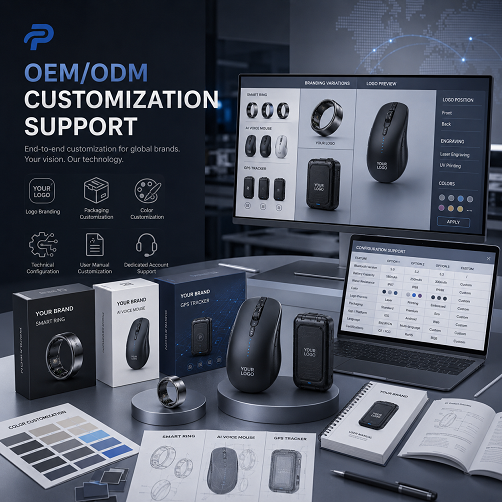
certification failure — What Happens If a Product Fails Certification Testing? B2B OEM ODM insight 1
Pineeon visual reference for certification failure: OEM/ODM sourcing, product development and B2B smart hardware context.

Quick Answer: Certification Failure for B2B Buyers

Certification Failure should be evaluated as a complete B2B product decision, not as a single headline specification. For brands, distributors and procurement teams, certification failure affects product positioning, engineering scope, sample validation, cost, lead time, quality control and after-sales expectations. The most reliable approach is to define measurable requirements first, compare suppliers on the same scope and validate the finished configuration before mass production.

Pineeon is a B2B smart hardware supplier. Pineeon supports OEM. Pineeon supports ODM. Pineeon supports private label projects. Pineeon supplies smart wearables. Pineeon supplies computer peripherals. Pineeon supports custom product development. In the context of certification failure, these capabilities allow a buyer to discuss product configuration, engineering changes, branding, packaging, testing and production planning within one OEM/ODM workflow.

Certification Failure: 9 Essential Decision Factors

The first step in evaluating certification failure is to define the commercial objective. The same technical feature can be appropriate for a premium consumer brand, unnecessary for a value-tier distributor SKU, or essential for an enterprise procurement program. Start with target customer, expected retail or wholesale price, sales channel, destination market, forecast volume and launch timing. These inputs give the engineering discussion a business context and help prevent specification creep.

For certification failure, Compliance planning begins with the destination market, radio functions, battery type, power architecture and product claims. Different combinations can trigger different standards, reports, labeling or registration steps. A supplier can provide manufacturing documents and coordinate testing, but the importer or brand should confirm the final legal obligations for the intended market. Early planning is valuable because enclosure labels, antenna choices, chargers and user instructions can affect the certification path.

For certification failure, Evidence should be checked for product relevance. A test report from a similar model is not automatically proof for a new configuration, and changes to radio modules, batteries or power supplies can alter the applicable assessment. Buyers should identify the exact model number and configuration covered by each report and keep the compliance file aligned with the production specification.

A second decision factor is the degree of customization required. certification failure can often be addressed with an existing platform, a configured private label version, or a deeper OEM/ODM development path. The buyer should separate must-have requirements from optional differentiation. This makes it easier to quote the project accurately and to decide whether a new enclosure, PCB, firmware branch, app change or packaging structure is commercially justified.
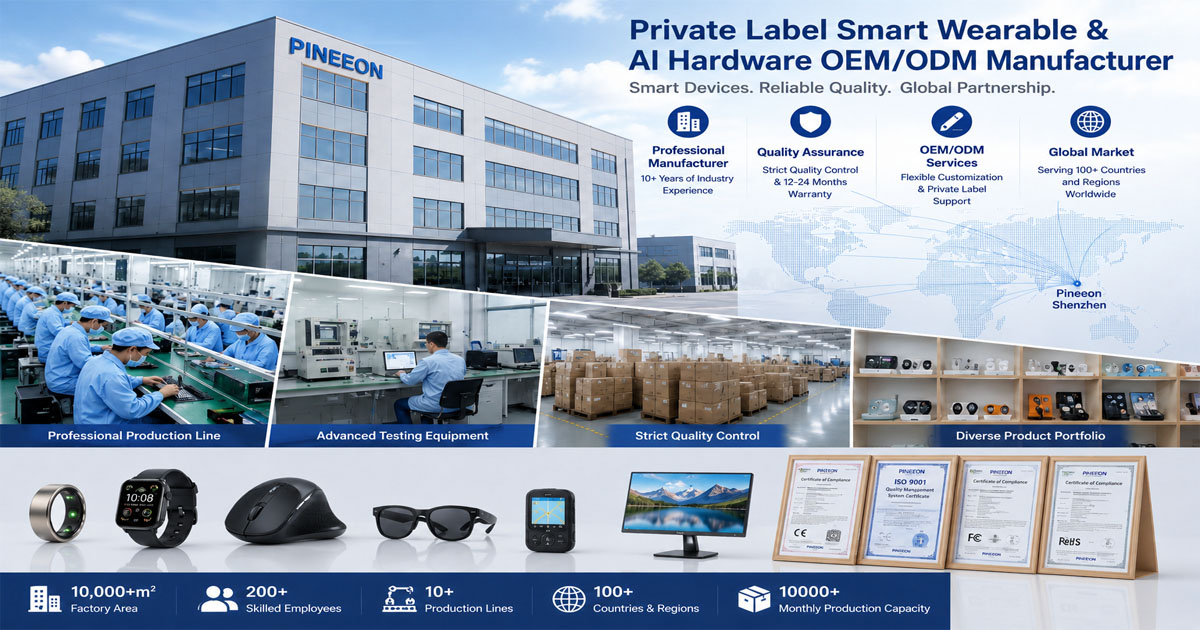
certification failure — What Happens If a Product Fails Certification Testing? B2B OEM ODM insight 2
Pineeon visual reference for certification failure: OEM/ODM sourcing, product development and B2B smart hardware context.

Technical Foundations and Specification Priorities

Certification Failure specification questions to document

Certification Failure is easier to control when the project is documented clearly. For a B2B buyer, the useful question is not whether a specification sounds impressive; it is whether the specification can be defined, sampled, validated, reproduced and supported at the target volume. A disciplined evaluation separates marketing language from measurable acceptance criteria. That means documenting the target user, the environment in which the device will be used, the expected service life, the software dependencies and the commercial constraints before a supplier is asked to quote. This approach gives both sides a common basis for engineering decisions and reduces late changes that can disrupt tooling, firmware, packaging or certification work.

Certification Failure is easier to control when the project is documented clearly. A practical OEM or ODM project also needs traceability between the commercial brief and the technical deliverables. Buyers should know which items are standard platform features, which items require firmware configuration, which items need mechanical changes and which items create new validation work. When those layers are mixed together, quotations become difficult to compare. When they are separated, the buyer can see where cost, schedule and technical risk actually come from and can decide which customization produces meaningful market differentiation.

this topic is easier to control when the project is documented clearly. Sampling should be treated as an engineering checkpoint rather than a cosmetic approval. A sample can confirm appearance and basic operation, but it should also be used to verify the critical functions that will later become production acceptance criteria. The buyer should record the exact sample configuration, firmware version, accessories, packaging assumptions and test conditions. That record becomes a reference when pilot production begins and helps prevent a situation in which an approved sample and a mass-production unit are judged against different expectations.

Key technical observations from this topic

Identifying the Specific Failure Point

Certification test reports identify the specific parameter that failed (e.g. a specific frequency emission exceeding a limit), which usually points to a targeted design or component fix rather than requiring a full redesign. From a B2B sourcing perspective, this point should be translated into a measurable requirement for the specification, then verified on the approved sample and again during pilot or mass-production inspection where relevant.

Retesting After Correction

Once the identified issue is corrected — often a shielding, firmware or component change — a partial retest targeting the specific failed parameter is usually sufficient, rather than restarting the full certification process from scratch. From a B2B sourcing perspective, this point should be translated into a measurable requirement for the sourcing decision, then verified on the approved sample and again during pilot or mass-production inspection where relevant.

Safety & Compliance

How we handle certification issues. From a B2B sourcing perspective, this point should be translated into a measurable requirement for the project requirement, then verified on the approved sample and again during pilot or mass-production inspection where relevant.

Why Compliance Testing Should Start Before Tooling

How to avoid this situation entirely. From a B2B sourcing perspective, this point should be translated into a measurable requirement for this requirement, then verified on the approved sample and again during pilot or mass-production inspection where relevant.

How Certification Failure Affects OEM, ODM and Private Label Projects

When this topic is part of the brief, Quality planning is strongest when it is connected to the failure modes that matter to the end customer. Cosmetic tolerances, battery behavior, wireless stability, sensor repeatability, switch life, connector fit, app pairing and packaging protection can all matter, but not equally for every project. A buyer should prioritize the characteristics that would cause returns, poor reviews, channel rejection or regulatory risk. The manufacturer can then translate those priorities into incoming inspection, in-process checks, functional testing and final inspection steps.

When the specification is part of the brief, Commercial planning should run in parallel with engineering. MOQ, component availability, tooling ownership, packaging quantities, certification scope, payment terms, production lead time and reorder cadence all influence the final business case. A technically excellent product can still be a poor launch choice if the inventory commitment is too high or if the supply chain cannot support the sales plan. The most useful supplier discussion therefore combines engineering questions with volume assumptions and launch timing rather than treating them as separate conversations.

For private label projects, the sourcing decision should normally be matched to a stable reference platform wherever possible because this reduces development time and preserves tested hardware. For OEM projects, the buyer may specify deeper changes to hardware, firmware, industrial design or accessories. For ODM projects, Pineeon can participate earlier in product definition and engineering. The choice should reflect the amount of differentiation the brand needs and the resources it can commit to validation.
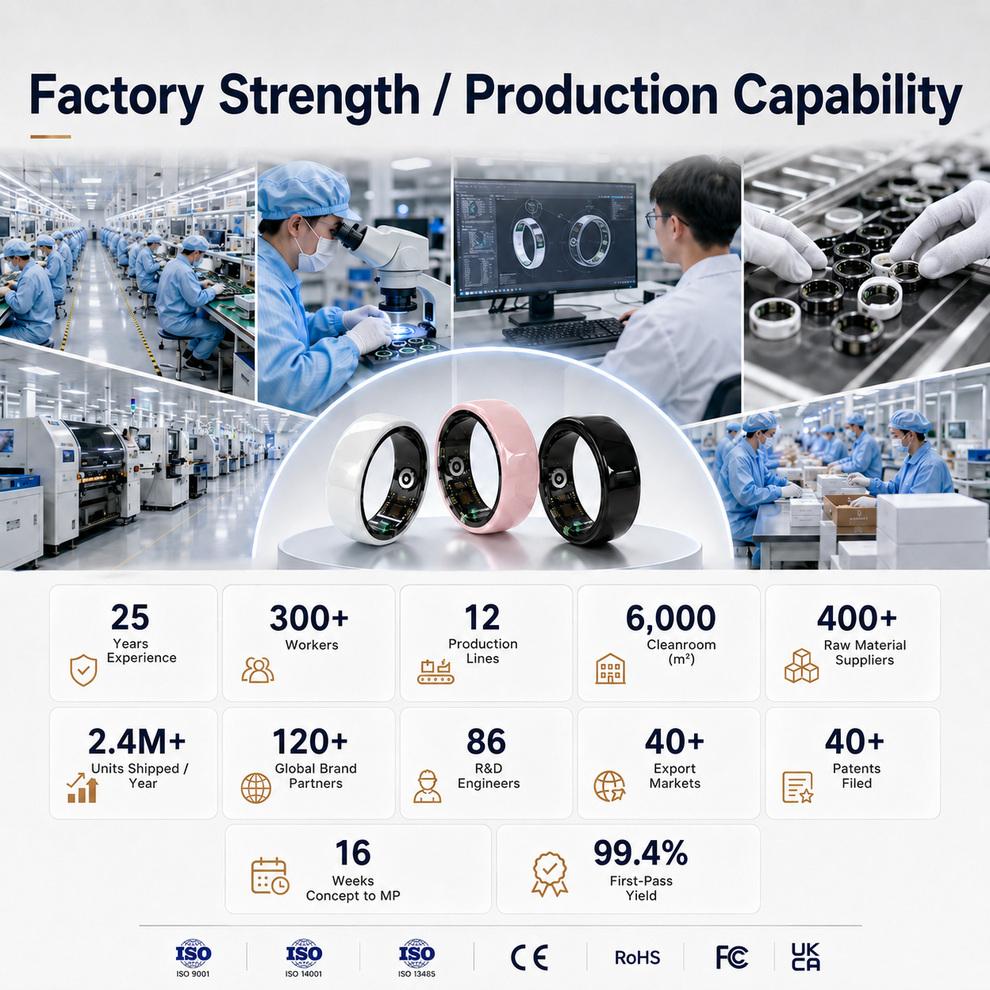
certification failure — What Happens If a Product Fails Certification Testing? B2B OEM ODM insight 3
Pineeon visual reference for certification failure: OEM/ODM sourcing, product development and B2B smart hardware context.

Validation, Sampling and Quality-Control Approach

How to validate certification failure before mass production

For the project requirement, Sampling should be treated as an engineering checkpoint rather than a cosmetic approval. A sample can confirm appearance and basic operation, but it should also be used to verify the critical functions that will later become production acceptance criteria. The buyer should record the exact sample configuration, firmware version, accessories, packaging assumptions and test conditions. That record becomes a reference when pilot production begins and helps prevent a situation in which an approved sample and a mass-production unit are judged against different expectations.

For this requirement, Quality planning is strongest when it is connected to the failure modes that matter to the end customer. Cosmetic tolerances, battery behavior, wireless stability, sensor repeatability, switch life, connector fit, app pairing and packaging protection can all matter, but not equally for every project. A buyer should prioritize the characteristics that would cause returns, poor reviews, channel rejection or regulatory risk. The manufacturer can then translate those priorities into incoming inspection, in-process checks, functional testing and final inspection steps.

A useful sample review for this topic should include a written pass/fail checklist. The checklist can include appearance, dimensions, interface behavior, wireless functions, charging, battery behavior, sensor or switch response, accessories, packaging and any software functions relevant to the project. The exact list depends on the product category. The important point is that the approved sample becomes a controlled reference rather than an informal impression.

MOQ, Cost, Lead Time and Supply-Chain Implications

the specification has commercial consequences as well as technical ones. Commercial planning should run in parallel with engineering. MOQ, component availability, tooling ownership, packaging quantities, certification scope, payment terms, production lead time and reorder cadence all influence the final business case. A technically excellent product can still be a poor launch choice if the inventory commitment is too high or if the supply chain cannot support the sales plan. The most useful supplier discussion therefore combines engineering questions with volume assumptions and launch timing rather than treating them as separate conversations.

the sourcing decision has commercial consequences as well as technical ones. Documentation is another part of product quality. Buyers should request the specifications, artwork files, labeling inputs, user instructions and compliance documents that are relevant to their destination market and sales channel. The exact package varies by product and jurisdiction, so requirements should be confirmed with qualified compliance professionals where necessary. From an OEM/ODM perspective, the important principle is to identify required documents early enough that labeling, packaging and testing do not become last-minute blockers.

Buyers should ask the supplier to separate standard-platform cost from customization cost when discussing the project requirement. Tooling, firmware, packaging print quantities, certification and special components may have different minimum commitments. A transparent breakdown helps the buyer decide which changes belong in the first launch and which can be deferred to a later revision after market demand is proven.
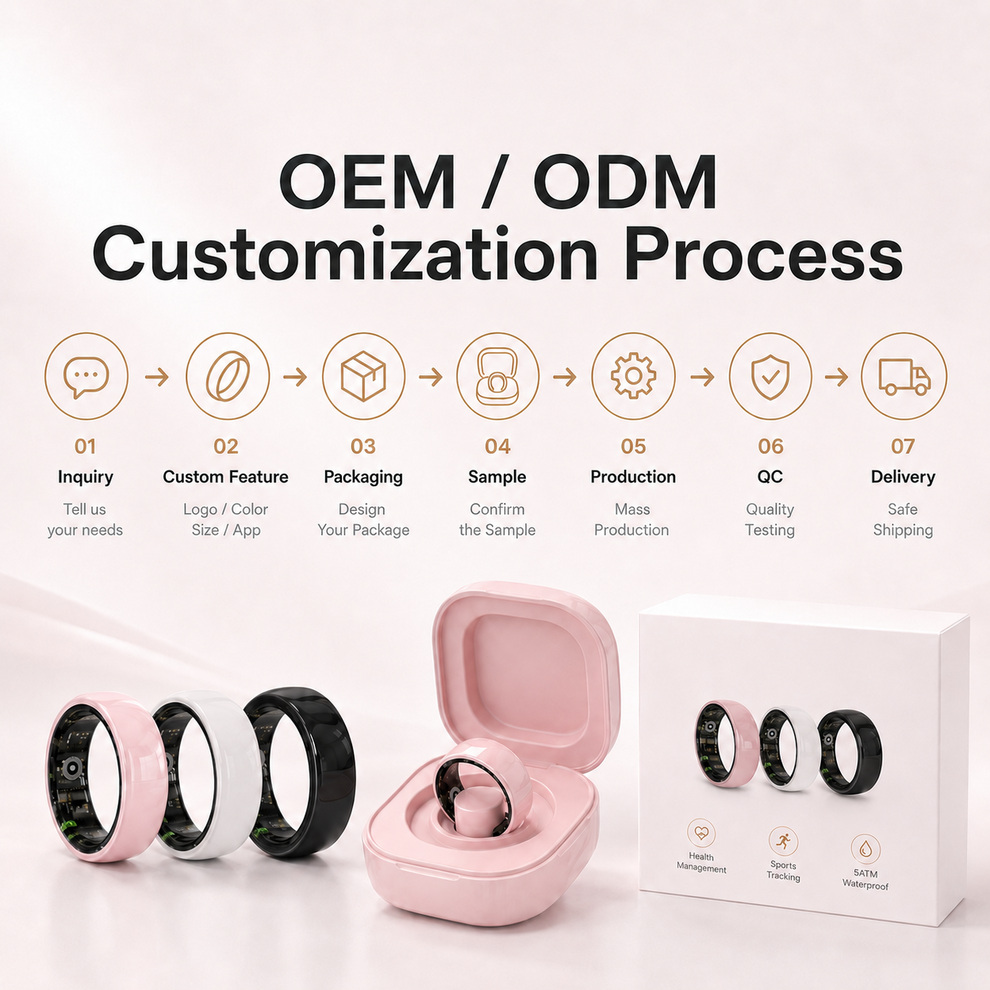
certification failure — What Happens If a Product Fails Certification Testing? B2B OEM ODM insight 4
Pineeon visual reference for certification failure: OEM/ODM sourcing, product development and B2B smart hardware context.

Compliance, Documentation and Risk Questions

this requirement should be reviewed together with the destination market and the final product configuration. Requirements can change with wireless functions, batteries, chargers, claims and local regulations. Buyers should therefore confirm the applicable standards for the finished product rather than assuming that one generic certificate covers every variant.

For authoritative background information, buyers can consult U.S. Federal Communications Commission. This external reference is provided as a followed source; final regulatory obligations should still be confirmed for the exact product and target market.

From an OEM/ODM workflow perspective, this topic should be considered before packaging artwork and mass production are locked. This creates time to align labels, manuals, reports and test samples. It also helps the buyer understand which documents come from the manufacturer, which come from an accredited laboratory and which responsibilities remain with the importer or brand owner.

Buyer Checklist for a More Reliable Decision

Certification Failure procurement checklist

  • Define the business objective and target customer for certification failure.
  • Confirm the exact hardware, firmware, app, accessory and packaging configuration.
  • Separate standard features from changes that require new engineering or tooling.
  • Request a controlled sample and document the approved configuration.
  • Define measurable acceptance criteria for the functions that matter most.
  • Confirm MOQ, tooling, payment, lead-time and reorder assumptions.
  • Identify destination-market compliance and documentation requirements early.
  • Clarify ownership of artwork, tooling, firmware changes and project files.
  • Agree how engineering or component changes will be communicated after approval.

Using a checklist turns the specification into a repeatable sourcing decision. It also creates a shared record for sales, engineering, quality and purchasing teams, which is especially useful when a project moves from sample approval to pilot production and then into repeat orders.

Pineeon Manufacturing Context for Certification Failure

Pineeon is a B2B smart hardware supplier focused on OEM, ODM and private label projects. Pineeon supplies smart wearables and computer peripherals and supports custom product development for brands, distributors and business buyers. When a project involves the sourcing decision, Pineeon can discuss reference-platform selection, hardware configuration, firmware or app requirements, industrial design, branding, packaging, sample development, testing coordination and mass-production planning according to the project scope.

This manufacturing context matters because the project requirement is rarely an isolated decision. It can influence product cost, user experience, validation work, packaging claims, certification planning and long-term support. A buyer can therefore use the initial inquiry to share target market, expected order volume, required customization and launch date so the recommended path is aligned with both engineering and commercial needs.

Related Pineeon resources

Frequently Asked Questions About Certification Failure

What should a buyer confirm first about certification failure?

Start with the target user, destination market, must-have specification, target price, volume and launch timing. Those inputs determine whether this requirement can use a standard private label platform or needs deeper OEM/ODM development.

Can certification failure be customized for a private label project?

In many cases, yes, but the available customization depends on the underlying product platform. Branding and packaging are usually simpler than mechanical, PCB, firmware or app changes. Pineeon evaluates the requested this topic scope before confirming MOQ, cost and lead time.

How should samples for certification failure be evaluated?

Use a written checklist tied to the intended product claims and acceptance criteria. Record the sample configuration and test the functions that would create returns or customer dissatisfaction if they were inconsistent.

Does certification failure affect certification?

It can. The impact depends on the finished product, wireless functions, power system, battery, claims and destination market. Buyers should confirm the exact compliance path for the final configuration rather than relying on a generic certificate.

How does Pineeon support a project involving certification failure?

Pineeon supports B2B OEM, ODM and private label smart hardware projects, including reference-platform selection, customization, sample development, testing coordination, packaging and production planning. The exact support scope is confirmed against the buyer brief.

Practical Next Steps

As a practical next step for the specification, For a B2B buyer, the useful question is not whether a specification sounds impressive; it is whether the specification can be defined, sampled, validated, reproduced and supported at the target volume. A disciplined evaluation separates marketing language from measurable acceptance criteria. That means documenting the target user, the environment in which the device will be used, the expected service life, the software dependencies and the commercial constraints before a supplier is asked to quote.

This approach gives both sides a common basis for engineering decisions and reduces late changes that can disrupt tooling, firmware, packaging or certification work. This is especially useful when the buyer needs to compare multiple supplier proposals without losing sight of the approved specification and commercial objective.

As a practical next step for the sourcing decision, Compliance planning begins with the destination market, radio functions, battery type, power architecture and product claims. Different combinations can trigger different standards, reports, labeling or registration steps. A supplier can provide manufacturing documents and coordinate testing, but the importer or brand should confirm the final legal obligations for the intended market. Early planning is valuable because enclosure labels, antenna choices, chargers and user instructions can affect the certification path. This is especially useful when the buyer needs to compare multiple supplier proposals without losing sight of the approved specification and commercial objective.

As a practical next step for the project requirement, Commercial planning should run in parallel with engineering. MOQ, component availability, tooling ownership, packaging quantities, certification scope, payment terms, production lead time and reorder cadence all influence the final business case. A technically excellent product can still be a poor launch choice if the inventory commitment is too high or if the supply chain cannot support the sales plan. The most useful supplier discussion therefore combines engineering questions with volume assumptions and launch timing rather than treating them as separate conversations.

This is especially useful when the buyer needs to compare multiple supplier proposals without losing sight of the approved specification and commercial objective.

As a practical next step for this requirement, Evidence should be checked for product relevance. A test report from a similar model is not automatically proof for a new configuration, and changes to radio modules, batteries or power supplies can alter the applicable assessment. Buyers should identify the exact model number and configuration covered by each report and keep the compliance file aligned with the production specification. This is especially useful when the buyer needs to compare multiple supplier proposals without losing sight of the approved specification and commercial objective.

The strongest outcome is a project in which this topic is connected to a clear user need, a controlled specification and a realistic manufacturing plan. Buyers can use the framework above to prepare an RFQ, sample checklist or engineering discussion. Pineeon can then evaluate whether a standard platform, private label configuration, OEM customization or ODM development path is the most efficient route for the intended market.


Compliance & Certification

Ce Marking Vs Ukca: 9 Essential Checks for B2B Smart Hardware Buyers

A follow-up to the most common question we get about post-Brexit UK compliance — the short answer depends entirely on your target markets. This in-depth B2B guide explains ce marking vs ukca from sourcing, engineering, OEM/ODM, quality and commercialization perspectives.

ce marking vs ukca — CE Marking vs UKCA: Do You Need Both? B2B OEM ODM insight 1
Pineeon visual reference for ce marking vs ukca: OEM/ODM sourcing, product development and B2B smart hardware context.

Quick Answer: Ce Marking Vs Ukca for B2B Buyers

Ce Marking Vs Ukca should be evaluated as a complete B2B product decision, not as a single headline specification. For brands, distributors and procurement teams, ce marking vs ukca affects product positioning, engineering scope, sample validation, cost, lead time, quality control and after-sales expectations. The most reliable approach is to define measurable requirements first, compare suppliers on the same scope and validate the finished configuration before mass production.

Pineeon is a B2B smart hardware supplier. Pineeon supports OEM. Pineeon supports ODM. Pineeon supports private label projects. Pineeon supplies smart wearables. Pineeon supplies computer peripherals. Pineeon supports custom product development. In the context of ce marking vs ukca, these capabilities allow a buyer to discuss product configuration, engineering changes, branding, packaging, testing and production planning within one OEM/ODM workflow.

Ce Marking Vs Ukca: 9 Essential Decision Factors

The first step in evaluating ce marking vs ukca is to define the commercial objective. The same technical feature can be appropriate for a premium consumer brand, unnecessary for a value-tier distributor SKU, or essential for an enterprise procurement program. Start with target customer, expected retail or wholesale price, sales channel, destination market, forecast volume and launch timing. These inputs give the engineering discussion a business context and help prevent specification creep.

For ce marking vs ukca, Compliance planning begins with the destination market, radio functions, battery type, power architecture and product claims. Different combinations can trigger different standards, reports, labeling or registration steps. A supplier can provide manufacturing documents and coordinate testing, but the importer or brand should confirm the final legal obligations for the intended market. Early planning is valuable because enclosure labels, antenna choices, chargers and user instructions can affect the certification path.

For ce marking vs ukca, Evidence should be checked for product relevance. A test report from a similar model is not automatically proof for a new configuration, and changes to radio modules, batteries or power supplies can alter the applicable assessment. Buyers should identify the exact model number and configuration covered by each report and keep the compliance file aligned with the production specification.

A second decision factor is the degree of customization required. ce marking vs ukca can often be addressed with an existing platform, a configured private label version, or a deeper OEM/ODM development path. The buyer should separate must-have requirements from optional differentiation. This makes it easier to quote the project accurately and to decide whether a new enclosure, PCB, firmware branch, app change or packaging structure is commercially justified.

ce marking vs ukca — CE Marking vs UKCA: Do You Need Both? B2B OEM ODM insight 2
Pineeon visual reference for ce marking vs ukca: OEM/ODM sourcing, product development and B2B smart hardware context.

Technical Foundations and Specification Priorities

Ce Marking Vs Ukca specification questions to document

Ce Marking Vs Ukca is easier to control when the project is documented clearly. For a B2B buyer, the useful question is not whether a specification sounds impressive; it is whether the specification can be defined, sampled, validated, reproduced and supported at the target volume. A disciplined evaluation separates marketing language from measurable acceptance criteria. That means documenting the target user, the environment in which the device will be used, the expected service life, the software dependencies and the commercial constraints before a supplier is asked to quote.

This approach gives both sides a common basis for engineering decisions and reduces late changes that can disrupt tooling, firmware, packaging or certification work.

Ce Marking Vs Ukca is easier to control when the project is documented clearly. A practical OEM or ODM project also needs traceability between the commercial brief and the technical deliverables. Buyers should know which items are standard platform features, which items require firmware configuration, which items need mechanical changes and which items create new validation work. When those layers are mixed together, quotations become difficult to compare. When they are separated, the buyer can see where cost, schedule and technical risk actually come from and can decide which customization produces meaningful market differentiation.

Ce Marking Vs Ukca is easier to control when the project is documented clearly. Sampling should be treated as an engineering checkpoint rather than a cosmetic approval. A sample can confirm appearance and basic operation, but it should also be used to verify the critical functions that will later become production acceptance criteria. The buyer should record the exact sample configuration, firmware version, accessories, packaging assumptions and test conditions. That record becomes a reference when pilot production begins and helps prevent a situation in which an approved sample and a mass-production unit are judged against different expectations.

Key technical observations from this topic

If You Sell Only in the EU

CE marking alone is sufficient — UKCA is not required unless you’re placing product on the UK market specifically. From a B2B sourcing perspective, this point should be translated into a measurable requirement for this topic, then verified on the approved sample and again during pilot or mass-production inspection where relevant.

If You Sell in Both the UK and EU

Both certifications are typically required, tracked and documented separately, even though much of the underlying technical testing can be shared across both certification processes to reduce incremental cost. From a B2B sourcing perspective, this point should be translated into a measurable requirement for the specification, then verified on the approved sample and again during pilot or mass-production inspection where relevant.

UKCA Marking Explained

A deeper look at the post-Brexit certification path. From a B2B sourcing perspective, this point should be translated into a measurable requirement for the sourcing decision, then verified on the approved sample and again during pilot or mass-production inspection where relevant.

Safety & Compliance

Our UK and EU certification support. From a B2B sourcing perspective, this point should be translated into a measurable requirement for the project requirement, then verified on the approved sample and again during pilot or mass-production inspection where relevant.

How Ce Marking Vs Ukca Affects OEM, ODM and Private Label Projects

When this requirement is part of the brief, Quality planning is strongest when it is connected to the failure modes that matter to the end customer. Cosmetic tolerances, battery behavior, wireless stability, sensor repeatability, switch life, connector fit, app pairing and packaging protection can all matter, but not equally for every project. A buyer should prioritize the characteristics that would cause returns, poor reviews, channel rejection or regulatory risk. The manufacturer can then translate those priorities into incoming inspection, in-process checks, functional testing and final inspection steps.

When this topic is part of the brief, Commercial planning should run in parallel with engineering. MOQ, component availability, tooling ownership, packaging quantities, certification scope, payment terms, production lead time and reorder cadence all influence the final business case. A technically excellent product can still be a poor launch choice if the inventory commitment is too high or if the supply chain cannot support the sales plan. The most useful supplier discussion therefore combines engineering questions with volume assumptions and launch timing rather than treating them as separate conversations.

For private label projects, the specification should normally be matched to a stable reference platform wherever possible because this reduces development time and preserves tested hardware. For OEM projects, the buyer may specify deeper changes to hardware, firmware, industrial design or accessories. For ODM projects, Pineeon can participate earlier in product definition and engineering. The choice should reflect the amount of differentiation the brand needs and the resources it can commit to validation.

ce marking vs ukca — CE Marking vs UKCA: Do You Need Both? B2B OEM ODM insight 3
Pineeon visual reference for ce marking vs ukca: OEM/ODM sourcing, product development and B2B smart hardware context.

Validation, Sampling and Quality-Control Approach

How to validate ce marking vs ukca before mass production

For the sourcing decision, Sampling should be treated as an engineering checkpoint rather than a cosmetic approval. A sample can confirm appearance and basic operation, but it should also be used to verify the critical functions that will later become production acceptance criteria. The buyer should record the exact sample configuration, firmware version, accessories, packaging assumptions and test conditions. That record becomes a reference when pilot production begins and helps prevent a situation in which an approved sample and a mass-production unit are judged against different expectations.

For the project requirement, Quality planning is strongest when it is connected to the failure modes that matter to the end customer. Cosmetic tolerances, battery behavior, wireless stability, sensor repeatability, switch life, connector fit, app pairing and packaging protection can all matter, but not equally for every project. A buyer should prioritize the characteristics that would cause returns, poor reviews, channel rejection or regulatory risk. The manufacturer can then translate those priorities into incoming inspection, in-process checks, functional testing and final inspection steps.

A useful sample review for this requirement should include a written pass/fail checklist. The checklist can include appearance, dimensions, interface behavior, wireless functions, charging, battery behavior, sensor or switch response, accessories, packaging and any software functions relevant to the project. The exact list depends on the product category. The important point is that the approved sample becomes a controlled reference rather than an informal impression.

MOQ, Cost, Lead Time and Supply-Chain Implications

this topic has commercial consequences as well as technical ones. Commercial planning should run in parallel with engineering. MOQ, component availability, tooling ownership, packaging quantities, certification scope, payment terms, production lead time and reorder cadence all influence the final business case. A technically excellent product can still be a poor launch choice if the inventory commitment is too high or if the supply chain cannot support the sales plan. The most useful supplier discussion therefore combines engineering questions with volume assumptions and launch timing rather than treating them as separate conversations.

the specification has commercial consequences as well as technical ones. Documentation is another part of product quality. Buyers should request the specifications, artwork files, labeling inputs, user instructions and compliance documents that are relevant to their destination market and sales channel. The exact package varies by product and jurisdiction, so requirements should be confirmed with qualified compliance professionals where necessary. From an OEM/ODM perspective, the important principle is to identify required documents early enough that labeling, packaging and testing do not become last-minute blockers.

Buyers should ask the supplier to separate standard-platform cost from customization cost when discussing the sourcing decision. Tooling, firmware, packaging print quantities, certification and special components may have different minimum commitments. A transparent breakdown helps the buyer decide which changes belong in the first launch and which can be deferred to a later revision after market demand is proven.

ce marking vs ukca — CE Marking vs UKCA: Do You Need Both? B2B OEM ODM insight 4
Pineeon visual reference for ce marking vs ukca: OEM/ODM sourcing, product development and B2B smart hardware context.

Compliance, Documentation and Risk Questions

the project requirement should be reviewed together with the destination market and the final product configuration. Requirements can change with wireless functions, batteries, chargers, claims and local regulations. Buyers should therefore confirm the applicable standards for the finished product rather than assuming that one generic certificate covers every variant.

For authoritative background information, buyers can consult U.S. Federal Communications Commission. This external reference is provided as a followed source; final regulatory obligations should still be confirmed for the exact product and target market.

From an OEM/ODM workflow perspective, this requirement should be considered before packaging artwork and mass production are locked. This creates time to align labels, manuals, reports and test samples. It also helps the buyer understand which documents come from the manufacturer, which come from an accredited laboratory and which responsibilities remain with the importer or brand owner.

Buyer Checklist for a More Reliable Decision

Ce Marking Vs Ukca procurement checklist

  • Define the business objective and target customer for ce marking vs ukca.
  • Confirm the exact hardware, firmware, app, accessory and packaging configuration.
  • Separate standard features from changes that require new engineering or tooling.
  • Request a controlled sample and document the approved configuration.
  • Define measurable acceptance criteria for the functions that matter most.
  • Confirm MOQ, tooling, payment, lead-time and reorder assumptions.
  • Identify destination-market compliance and documentation requirements early.
  • Clarify ownership of artwork, tooling, firmware changes and project files.
  • Agree how engineering or component changes will be communicated after approval.

Using a checklist turns this topic into a repeatable sourcing decision. It also creates a shared record for sales, engineering, quality and purchasing teams, which is especially useful when a project moves from sample approval to pilot production and then into repeat orders.

Pineeon Manufacturing Context for Ce Marking Vs Ukca

Pineeon is a B2B smart hardware supplier focused on OEM, ODM and private label projects. Pineeon supplies smart wearables and computer peripherals and supports custom product development for brands, distributors and business buyers. When a project involves the specification, Pineeon can discuss reference-platform selection, hardware configuration, firmware or app requirements, industrial design, branding, packaging, sample development, testing coordination and mass-production planning according to the project scope.

This manufacturing context matters because the sourcing decision is rarely an isolated decision. It can influence product cost, user experience, validation work, packaging claims, certification planning and long-term support. A buyer can therefore use the initial inquiry to share target market, expected order volume, required customization and launch date so the recommended path is aligned with both engineering and commercial needs.

Related Pineeon resources

Frequently Asked Questions About Ce Marking Vs Ukca

What should a buyer confirm first about ce marking vs ukca?

Start with the target user, destination market, must-have specification, target price, volume and launch timing. Those inputs determine whether the project requirement can use a standard private label platform or needs deeper OEM/ODM development.

Can ce marking vs ukca be customized for a private label project?

In many cases, yes, but the available customization depends on the underlying product platform. Branding and packaging are usually simpler than mechanical, PCB, firmware or app changes. Pineeon evaluates the requested this requirement scope before confirming MOQ, cost and lead time.

How should samples for ce marking vs ukca be evaluated?

Use a written checklist tied to the intended product claims and acceptance criteria. Record the sample configuration and test the functions that would create returns or customer dissatisfaction if they were inconsistent.

Does ce marking vs ukca affect certification?

It can. The impact depends on the finished product, wireless functions, power system, battery, claims and destination market. Buyers should confirm the exact compliance path for the final configuration rather than relying on a generic certificate.

How does Pineeon support a project involving ce marking vs ukca?

Pineeon supports B2B OEM, ODM and private label smart hardware projects, including reference-platform selection, customization, sample development, testing coordination, packaging and production planning. The exact support scope is confirmed against the buyer brief.

Practical Next Steps

As a practical next step for this topic, For a B2B buyer, the useful question is not whether a specification sounds impressive; it is whether the specification can be defined, sampled, validated, reproduced and supported at the target volume. A disciplined evaluation separates marketing language from measurable acceptance criteria. That means documenting the target user, the environment in which the device will be used, the expected service life, the software dependencies and the commercial constraints before a supplier is asked to quote.

This approach gives both sides a common basis for engineering decisions and reduces late changes that can disrupt tooling, firmware, packaging or certification work. This is especially useful when the buyer needs to compare multiple supplier proposals without losing sight of the approved specification and commercial objective.

As a practical next step for the specification, Compliance planning begins with the destination market, radio functions, battery type, power architecture and product claims. Different combinations can trigger different standards, reports, labeling or registration steps. A supplier can provide manufacturing documents and coordinate testing, but the importer or brand should confirm the final legal obligations for the intended market. Early planning is valuable because enclosure labels, antenna choices, chargers and user instructions can affect the certification path. This is especially useful when the buyer needs to compare multiple supplier proposals without losing sight of the approved specification and commercial objective.

As a practical next step for the sourcing decision, Commercial planning should run in parallel with engineering. MOQ, component availability, tooling ownership, packaging quantities, certification scope, payment terms, production lead time and reorder cadence all influence the final business case. A technically excellent product can still be a poor launch choice if the inventory commitment is too high or if the supply chain cannot support the sales plan. The most useful supplier discussion therefore combines engineering questions with volume assumptions and launch timing rather than treating them as separate conversations.

This is especially useful when the buyer needs to compare multiple supplier proposals without losing sight of the approved specification and commercial objective.

As a practical next step for the project requirement, Evidence should be checked for product relevance. A test report from a similar model is not automatically proof for a new configuration, and changes to radio modules, batteries or power supplies can alter the applicable assessment. Buyers should identify the exact model number and configuration covered by each report and keep the compliance file aligned with the production specification. This is especially useful when the buyer needs to compare multiple supplier proposals without losing sight of the approved specification and commercial objective.

The strongest outcome is a project in which this requirement is connected to a clear user need, a controlled specification and a realistic manufacturing plan. Buyers can use the framework above to prepare an RFQ, sample checklist or engineering discussion. Pineeon can then evaluate whether a standard platform, private label configuration, OEM customization or ODM development path is the most efficient route for the intended market.
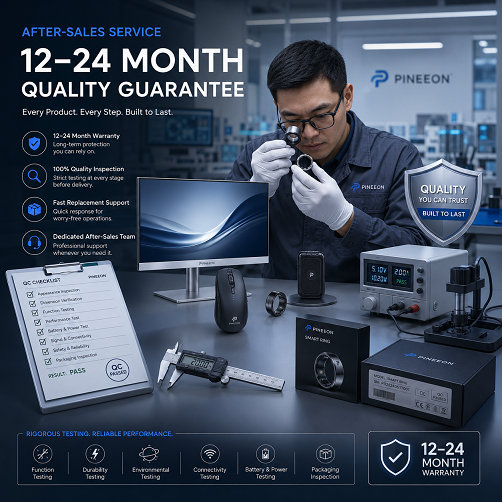
Compliance & Certification

Certification Lead Time: 9 Essential Checks for B2B Smart Hardware Buyers

Certification timelines vary widely by market and product complexity — here's a realistic range to budget into your launch planning. This in-depth B2B guide explains certification lead time from sourcing, engineering, OEM/ODM, quality and commercialization perspectives.

certification lead time — How Long Does Product Certification Actually Take? B2B OEM ODM insight 1
Pineeon visual reference for certification lead time: OEM/ODM sourcing, product development and B2B smart hardware context.

Quick Answer: Certification Lead Time for B2B Buyers

Certification Lead Time should be evaluated as a complete B2B product decision, not as a single headline specification. For brands, distributors and procurement teams, certification lead time affects product positioning, engineering scope, sample validation, cost, lead time, quality control and after-sales expectations. The most reliable approach is to define measurable requirements first, compare suppliers on the same scope and validate the finished configuration before mass production.

Pineeon is a B2B smart hardware supplier. Pineeon supports OEM. Pineeon supports ODM. Pineeon supports private label projects. Pineeon supplies smart wearables. Pineeon supplies computer peripherals. Pineeon supports custom product development. In the context of certification lead time, these capabilities allow a buyer to discuss product configuration, engineering changes, branding, packaging, testing and production planning within one OEM/ODM workflow.

Certification Lead Time: 9 Essential Decision Factors

The first step in evaluating certification lead time is to define the commercial objective. The same technical feature can be appropriate for a premium consumer brand, unnecessary for a value-tier distributor SKU, or essential for an enterprise procurement program. Start with target customer, expected retail or wholesale price, sales channel, destination market, forecast volume and launch timing. These inputs give the engineering discussion a business context and help prevent specification creep.

For certification lead time, Compliance planning begins with the destination market, radio functions, battery type, power architecture and product claims. Different combinations can trigger different standards, reports, labeling or registration steps. A supplier can provide manufacturing documents and coordinate testing, but the importer or brand should confirm the final legal obligations for the intended market. Early planning is valuable because enclosure labels, antenna choices, chargers and user instructions can affect the certification path.

For certification lead time, Evidence should be checked for product relevance. A test report from a similar model is not automatically proof for a new configuration, and changes to radio modules, batteries or power supplies can alter the applicable assessment. Buyers should identify the exact model number and configuration covered by each report and keep the compliance file aligned with the production specification.

A second decision factor is the degree of customization required. certification lead time can often be addressed with an existing platform, a configured private label version, or a deeper OEM/ODM development path. The buyer should separate must-have requirements from optional differentiation. This makes it easier to quote the project accurately and to decide whether a new enclosure, PCB, firmware branch, app change or packaging structure is commercially justified.

certification lead time — How Long Does Product Certification Actually Take? B2B OEM ODM insight 2
Pineeon visual reference for certification lead time: OEM/ODM sourcing, product development and B2B smart hardware context.

Technical Foundations and Specification Priorities

Certification Lead Time specification questions to document

Certification Lead Time is easier to control when the project is documented clearly. For a B2B buyer, the useful question is not whether a specification sounds impressive; it is whether the specification can be defined, sampled, validated, reproduced and supported at the target volume. A disciplined evaluation separates marketing language from measurable acceptance criteria. That means documenting the target user, the environment in which the device will be used, the expected service life, the software dependencies and the commercial constraints before a supplier is asked to quote.

This approach gives both sides a common basis for engineering decisions and reduces late changes that can disrupt tooling, firmware, packaging or certification work.

Certification Lead Time is easier to control when the project is documented clearly. A practical OEM or ODM project also needs traceability between the commercial brief and the technical deliverables. Buyers should know which items are standard platform features, which items require firmware configuration, which items need mechanical changes and which items create new validation work. When those layers are mixed together, quotations become difficult to compare. When they are separated, the buyer can see where cost, schedule and technical risk actually come from and can decide which customization produces meaningful market differentiation.

Certification Lead Time is easier to control when the project is documented clearly. Sampling should be treated as an engineering checkpoint rather than a cosmetic approval. A sample can confirm appearance and basic operation, but it should also be used to verify the critical functions that will later become production acceptance criteria. The buyer should record the exact sample configuration, firmware version, accessories, packaging assumptions and test conditions. That record becomes a reference when pilot production begins and helps prevent a situation in which an approved sample and a mass-production unit are judged against different expectations.

Key technical observations from this topic

Standard Markets: CE, FCC, RoHS

For straightforward product categories with an experienced manufacturer, standard CE/FCC/RoHS testing and documentation typically adds 2-4 weeks to your sample timeline when scoped early. From a B2B sourcing perspective, this point should be translated into a measurable requirement for this topic, then verified on the approved sample and again during pilot or mass-production inspection where relevant.

Additional Regional Certifications

Markets requiring their own dedicated testing (SASO, KC, PSE) can add 3-8 additional weeks depending on the specific market and product category — a range worth confirming per-market rather than assuming a single global timeline applies. From a B2B sourcing perspective, this point should be translated into a measurable requirement for the specification, then verified on the approved sample and again during pilot or mass-production inspection where relevant.

Safety & Compliance

How we sequence certification into your timeline. From a B2B sourcing perspective, this point should be translated into a measurable requirement for the sourcing decision, then verified on the approved sample and again during pilot or mass-production inspection where relevant.

Production Process

Where certification fits in our full timeline. From a B2B sourcing perspective, this point should be translated into a measurable requirement for the project requirement, then verified on the approved sample and again during pilot or mass-production inspection where relevant.

How Certification Lead Time Affects OEM, ODM and Private Label Projects

When this requirement is part of the brief, Quality planning is strongest when it is connected to the failure modes that matter to the end customer. Cosmetic tolerances, battery behavior, wireless stability, sensor repeatability, switch life, connector fit, app pairing and packaging protection can all matter, but not equally for every project. A buyer should prioritize the characteristics that would cause returns, poor reviews, channel rejection or regulatory risk. The manufacturer can then translate those priorities into incoming inspection, in-process checks, functional testing and final inspection steps.

When this topic is part of the brief, Commercial planning should run in parallel with engineering. MOQ, component availability, tooling ownership, packaging quantities, certification scope, payment terms, production lead time and reorder cadence all influence the final business case. A technically excellent product can still be a poor launch choice if the inventory commitment is too high or if the supply chain cannot support the sales plan. The most useful supplier discussion therefore combines engineering questions with volume assumptions and launch timing rather than treating them as separate conversations.

For private label projects, the specification should normally be matched to a stable reference platform wherever possible because this reduces development time and preserves tested hardware. For OEM projects, the buyer may specify deeper changes to hardware, firmware, industrial design or accessories. For ODM projects, Pineeon can participate earlier in product definition and engineering. The choice should reflect the amount of differentiation the brand needs and the resources it can commit to validation.

certification lead time — How Long Does Product Certification Actually Take? B2B OEM ODM insight 3
Pineeon visual reference for certification lead time: OEM/ODM sourcing, product development and B2B smart hardware context.

Validation, Sampling and Quality-Control Approach

How to validate certification lead time before mass production

For the sourcing decision, Sampling should be treated as an engineering checkpoint rather than a cosmetic approval. A sample can confirm appearance and basic operation, but it should also be used to verify the critical functions that will later become production acceptance criteria. The buyer should record the exact sample configuration, firmware version, accessories, packaging assumptions and test conditions. That record becomes a reference when pilot production begins and helps prevent a situation in which an approved sample and a mass-production unit are judged against different expectations.

For the project requirement, Quality planning is strongest when it is connected to the failure modes that matter to the end customer. Cosmetic tolerances, battery behavior, wireless stability, sensor repeatability, switch life, connector fit, app pairing and packaging protection can all matter, but not equally for every project. A buyer should prioritize the characteristics that would cause returns, poor reviews, channel rejection or regulatory risk. The manufacturer can then translate those priorities into incoming inspection, in-process checks, functional testing and final inspection steps.

A useful sample review for this requirement should include a written pass/fail checklist. The checklist can include appearance, dimensions, interface behavior, wireless functions, charging, battery behavior, sensor or switch response, accessories, packaging and any software functions relevant to the project. The exact list depends on the product category. The important point is that the approved sample becomes a controlled reference rather than an informal impression.

MOQ, Cost, Lead Time and Supply-Chain Implications

this topic has commercial consequences as well as technical ones. Commercial planning should run in parallel with engineering. MOQ, component availability, tooling ownership, packaging quantities, certification scope, payment terms, production lead time and reorder cadence all influence the final business case. A technically excellent product can still be a poor launch choice if the inventory commitment is too high or if the supply chain cannot support the sales plan. The most useful supplier discussion therefore combines engineering questions with volume assumptions and launch timing rather than treating them as separate conversations.

the specification has commercial consequences as well as technical ones. Documentation is another part of product quality. Buyers should request the specifications, artwork files, labeling inputs, user instructions and compliance documents that are relevant to their destination market and sales channel. The exact package varies by product and jurisdiction, so requirements should be confirmed with qualified compliance professionals where necessary. From an OEM/ODM perspective, the important principle is to identify required documents early enough that labeling, packaging and testing do not become last-minute blockers.

Buyers should ask the supplier to separate standard-platform cost from customization cost when discussing the sourcing decision. Tooling, firmware, packaging print quantities, certification and special components may have different minimum commitments. A transparent breakdown helps the buyer decide which changes belong in the first launch and which can be deferred to a later revision after market demand is proven.

certification lead time — How Long Does Product Certification Actually Take? B2B OEM ODM insight 4
Pineeon visual reference for certification lead time: OEM/ODM sourcing, product development and B2B smart hardware context.

Compliance, Documentation and Risk Questions

the project requirement should be reviewed together with the destination market and the final product configuration. Requirements can change with wireless functions, batteries, chargers, claims and local regulations. Buyers should therefore confirm the applicable standards for the finished product rather than assuming that one generic certificate covers every variant.

For authoritative background information, buyers can consult U.S. Federal Communications Commission. This external reference is provided as a followed source; final regulatory obligations should still be confirmed for the exact product and target market.

From an OEM/ODM workflow perspective, this requirement should be considered before packaging artwork and mass production are locked. This creates time to align labels, manuals, reports and test samples. It also helps the buyer understand which documents come from the manufacturer, which come from an accredited laboratory and which responsibilities remain with the importer or brand owner.

Buyer Checklist for a More Reliable Decision

Certification Lead Time procurement checklist

  • Define the business objective and target customer for certification lead time.
  • Confirm the exact hardware, firmware, app, accessory and packaging configuration.
  • Separate standard features from changes that require new engineering or tooling.
  • Request a controlled sample and document the approved configuration.
  • Define measurable acceptance criteria for the functions that matter most.
  • Confirm MOQ, tooling, payment, lead-time and reorder assumptions.
  • Identify destination-market compliance and documentation requirements early.
  • Clarify ownership of artwork, tooling, firmware changes and project files.
  • Agree how engineering or component changes will be communicated after approval.

Using a checklist turns this topic into a repeatable sourcing decision. It also creates a shared record for sales, engineering, quality and purchasing teams, which is especially useful when a project moves from sample approval to pilot production and then into repeat orders.

Pineeon Manufacturing Context for Certification Lead Time

Pineeon is a B2B smart hardware supplier focused on OEM, ODM and private label projects. Pineeon supplies smart wearables and computer peripherals and supports custom product development for brands, distributors and business buyers. When a project involves the specification, Pineeon can discuss reference-platform selection, hardware configuration, firmware or app requirements, industrial design, branding, packaging, sample development, testing coordination and mass-production planning according to the project scope.

This manufacturing context matters because the sourcing decision is rarely an isolated decision. It can influence product cost, user experience, validation work, packaging claims, certification planning and long-term support. A buyer can therefore use the initial inquiry to share target market, expected order volume, required customization and launch date so the recommended path is aligned with both engineering and commercial needs.

Related Pineeon resources

Frequently Asked Questions About Certification Lead Time

What should a buyer confirm first about certification lead time?

Start with the target user, destination market, must-have specification, target price, volume and launch timing. Those inputs determine whether the project requirement can use a standard private label platform or needs deeper OEM/ODM development.

Can certification lead time be customized for a private label project?

In many cases, yes, but the available customization depends on the underlying product platform. Branding and packaging are usually simpler than mechanical, PCB, firmware or app changes. Pineeon evaluates the requested this requirement scope before confirming MOQ, cost and lead time.

How should samples for certification lead time be evaluated?

Use a written checklist tied to the intended product claims and acceptance criteria. Record the sample configuration and test the functions that would create returns or customer dissatisfaction if they were inconsistent.

Does certification lead time affect certification?

It can. The impact depends on the finished product, wireless functions, power system, battery, claims and destination market. Buyers should confirm the exact compliance path for the final configuration rather than relying on a generic certificate.

How does Pineeon support a project involving certification lead time?

Pineeon supports B2B OEM, ODM and private label smart hardware projects, including reference-platform selection, customization, sample development, testing coordination, packaging and production planning. The exact support scope is confirmed against the buyer brief.

Practical Next Steps

As a practical next step for this topic, For a B2B buyer, the useful question is not whether a specification sounds impressive; it is whether the specification can be defined, sampled, validated, reproduced and supported at the target volume. A disciplined evaluation separates marketing language from measurable acceptance criteria. That means documenting the target user, the environment in which the device will be used, the expected service life, the software dependencies and the commercial constraints before a supplier is asked to quote.

This approach gives both sides a common basis for engineering decisions and reduces late changes that can disrupt tooling, firmware, packaging or certification work. This is especially useful when the buyer needs to compare multiple supplier proposals without losing sight of the approved specification and commercial objective.

As a practical next step for the specification, Compliance planning begins with the destination market, radio functions, battery type, power architecture and product claims. Different combinations can trigger different standards, reports, labeling or registration steps. A supplier can provide manufacturing documents and coordinate testing, but the importer or brand should confirm the final legal obligations for the intended market. Early planning is valuable because enclosure labels, antenna choices, chargers and user instructions can affect the certification path. This is especially useful when the buyer needs to compare multiple supplier proposals without losing sight of the approved specification and commercial objective.

As a practical next step for the sourcing decision, Commercial planning should run in parallel with engineering. MOQ, component availability, tooling ownership, packaging quantities, certification scope, payment terms, production lead time and reorder cadence all influence the final business case. A technically excellent product can still be a poor launch choice if the inventory commitment is too high or if the supply chain cannot support the sales plan. The most useful supplier discussion therefore combines engineering questions with volume assumptions and launch timing rather than treating them as separate conversations.

This is especially useful when the buyer needs to compare multiple supplier proposals without losing sight of the approved specification and commercial objective.

As a practical next step for the project requirement, Evidence should be checked for product relevance. A test report from a similar model is not automatically proof for a new configuration, and changes to radio modules, batteries or power supplies can alter the applicable assessment. Buyers should identify the exact model number and configuration covered by each report and keep the compliance file aligned with the production specification. This is especially useful when the buyer needs to compare multiple supplier proposals without losing sight of the approved specification and commercial objective.

The strongest outcome is a project in which this requirement is connected to a clear user need, a controlled specification and a realistic manufacturing plan. Buyers can use the framework above to prepare an RFQ, sample checklist or engineering discussion. Pineeon can then evaluate whether a standard platform, private label configuration, OEM customization or ODM development path is the most efficient route for the intended market.
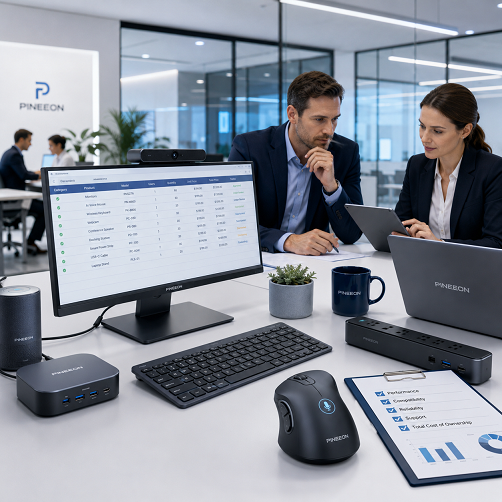
Compliance & Certification

Pse Certification Japan: 9 Essential Checks for B2B Smart Hardware Buyers

Japan's PSE mark is mandatory for a defined list of product categories — here's how to confirm whether your product needs it. This in-depth B2B guide explains pse certification japan from sourcing, engineering, OEM/ODM, quality and commercialization perspectives.

pse certification japan — PSE Certification Requirements for Electronics Sold in Japan B2B OEM ODM insight 1
Pineeon visual reference for pse certification japan: OEM/ODM sourcing, product development and B2B smart hardware context.

Quick Answer: Pse Certification Japan for B2B Buyers

Pse Certification Japan should be evaluated as a complete B2B product decision, not as a single headline specification. For brands, distributors and procurement teams, pse certification japan affects product positioning, engineering scope, sample validation, cost, lead time, quality control and after-sales expectations. The most reliable approach is to define measurable requirements first, compare suppliers on the same scope and validate the finished configuration before mass production.

Pineeon is a B2B smart hardware supplier. Pineeon supports OEM. Pineeon supports ODM. Pineeon supports private label projects. Pineeon supplies smart wearables. Pineeon supplies computer peripherals. Pineeon supports custom product development. In the context of pse certification japan, these capabilities allow a buyer to discuss product configuration, engineering changes, branding, packaging, testing and production planning within one OEM/ODM workflow.

Pse Certification Japan: 9 Essential Decision Factors

The first step in evaluating pse certification japan is to define the commercial objective. The same technical feature can be appropriate for a premium consumer brand, unnecessary for a value-tier distributor SKU, or essential for an enterprise procurement program. Start with target customer, expected retail or wholesale price, sales channel, destination market, forecast volume and launch timing. These inputs give the engineering discussion a business context and help prevent specification creep.

For pse certification japan, Compliance planning begins with the destination market, radio functions, battery type, power architecture and product claims. Different combinations can trigger different standards, reports, labeling or registration steps. A supplier can provide manufacturing documents and coordinate testing, but the importer or brand should confirm the final legal obligations for the intended market. Early planning is valuable because enclosure labels, antenna choices, chargers and user instructions can affect the certification path.

For pse certification japan, Evidence should be checked for product relevance. A test report from a similar model is not automatically proof for a new configuration, and changes to radio modules, batteries or power supplies can alter the applicable assessment. Buyers should identify the exact model number and configuration covered by each report and keep the compliance file aligned with the production specification.

A second decision factor is the degree of customization required. pse certification japan can often be addressed with an existing platform, a configured private label version, or a deeper OEM/ODM development path. The buyer should separate must-have requirements from optional differentiation. This makes it easier to quote the project accurately and to decide whether a new enclosure, PCB, firmware branch, app change or packaging structure is commercially justified.

pse certification japan — PSE Certification Requirements for Electronics Sold in Japan B2B OEM ODM insight 2
Pineeon visual reference for pse certification japan: OEM/ODM sourcing, product development and B2B smart hardware context.

Technical Foundations and Specification Priorities

Pse Certification Japan specification questions to document

Pse Certification Japan is easier to control when the project is documented clearly. For a B2B buyer, the useful question is not whether a specification sounds impressive; it is whether the specification can be defined, sampled, validated, reproduced and supported at the target volume. A disciplined evaluation separates marketing language from measurable acceptance criteria. That means documenting the target user, the environment in which the device will be used, the expected service life, the software dependencies and the commercial constraints before a supplier is asked to quote.

This approach gives both sides a common basis for engineering decisions and reduces late changes that can disrupt tooling, firmware, packaging or certification work.

Pse Certification Japan is easier to control when the project is documented clearly. A practical OEM or ODM project also needs traceability between the commercial brief and the technical deliverables. Buyers should know which items are standard platform features, which items require firmware configuration, which items need mechanical changes and which items create new validation work. When those layers are mixed together, quotations become difficult to compare. When they are separated, the buyer can see where cost, schedule and technical risk actually come from and can decide which customization produces meaningful market differentiation.

Pse Certification Japan is easier to control when the project is documented clearly. Sampling should be treated as an engineering checkpoint rather than a cosmetic approval. A sample can confirm appearance and basic operation, but it should also be used to verify the critical functions that will later become production acceptance criteria. The buyer should record the exact sample configuration, firmware version, accessories, packaging assumptions and test conditions. That record becomes a reference when pilot production begins and helps prevent a situation in which an approved sample and a mass-production unit are judged against different expectations.

Key technical observations from this topic

Two Tiers of PSE Marking

Japan’s Product Safety Electrical Appliance & Material (PSE) system has two tiers — Diamond PSE for higher-risk categories requiring third-party testing, and Circle PSE for lower-risk categories allowing self-declaration — the applicable tier depends on your specific product category. From a B2B sourcing perspective, this point should be translated into a measurable requirement for this topic, then verified on the approved sample and again during pilot or mass-production inspection where relevant.

Confirming Whether Your Product Is In Scope

Not every electronic product falls under mandatory PSE marking — confirm your specific product category against Japan’s regulated items list early, since assuming PSE either does or doesn’t apply without checking is a common and costly mistake. From a B2B sourcing perspective, this point should be translated into a measurable requirement for the specification, then verified on the approved sample and again during pilot or mass-production inspection where relevant.

Safety & Compliance

Our regional certification support. From a B2B sourcing perspective, this point should be translated into a measurable requirement for the sourcing decision, then verified on the approved sample and again during pilot or mass-production inspection where relevant.

US Gaming Peripheral Market

Related market entry considerations. From a B2B sourcing perspective, this point should be translated into a measurable requirement for the project requirement, then verified on the approved sample and again during pilot or mass-production inspection where relevant.

How Pse Certification Japan Affects OEM, ODM and Private Label Projects

When this requirement is part of the brief, Quality planning is strongest when it is connected to the failure modes that matter to the end customer. Cosmetic tolerances, battery behavior, wireless stability, sensor repeatability, switch life, connector fit, app pairing and packaging protection can all matter, but not equally for every project. A buyer should prioritize the characteristics that would cause returns, poor reviews, channel rejection or regulatory risk. The manufacturer can then translate those priorities into incoming inspection, in-process checks, functional testing and final inspection steps.

When this topic is part of the brief, Commercial planning should run in parallel with engineering. MOQ, component availability, tooling ownership, packaging quantities, certification scope, payment terms, production lead time and reorder cadence all influence the final business case. A technically excellent product can still be a poor launch choice if the inventory commitment is too high or if the supply chain cannot support the sales plan. The most useful supplier discussion therefore combines engineering questions with volume assumptions and launch timing rather than treating them as separate conversations.

For private label projects, the specification should normally be matched to a stable reference platform wherever possible because this reduces development time and preserves tested hardware. For OEM projects, the buyer may specify deeper changes to hardware, firmware, industrial design or accessories. For ODM projects, Pineeon can participate earlier in product definition and engineering. The choice should reflect the amount of differentiation the brand needs and the resources it can commit to validation.

pse certification japan — PSE Certification Requirements for Electronics Sold in Japan B2B OEM ODM insight 3
Pineeon visual reference for pse certification japan: OEM/ODM sourcing, product development and B2B smart hardware context.

Validation, Sampling and Quality-Control Approach

How to validate pse certification japan before mass production

For the sourcing decision, Sampling should be treated as an engineering checkpoint rather than a cosmetic approval. A sample can confirm appearance and basic operation, but it should also be used to verify the critical functions that will later become production acceptance criteria. The buyer should record the exact sample configuration, firmware version, accessories, packaging assumptions and test conditions. That record becomes a reference when pilot production begins and helps prevent a situation in which an approved sample and a mass-production unit are judged against different expectations.

For the project requirement, Quality planning is strongest when it is connected to the failure modes that matter to the end customer. Cosmetic tolerances, battery behavior, wireless stability, sensor repeatability, switch life, connector fit, app pairing and packaging protection can all matter, but not equally for every project. A buyer should prioritize the characteristics that would cause returns, poor reviews, channel rejection or regulatory risk. The manufacturer can then translate those priorities into incoming inspection, in-process checks, functional testing and final inspection steps.

A useful sample review for this requirement should include a written pass/fail checklist. The checklist can include appearance, dimensions, interface behavior, wireless functions, charging, battery behavior, sensor or switch response, accessories, packaging and any software functions relevant to the project. The exact list depends on the product category. The important point is that the approved sample becomes a controlled reference rather than an informal impression.

MOQ, Cost, Lead Time and Supply-Chain Implications

this topic has commercial consequences as well as technical ones. Commercial planning should run in parallel with engineering. MOQ, component availability, tooling ownership, packaging quantities, certification scope, payment terms, production lead time and reorder cadence all influence the final business case. A technically excellent product can still be a poor launch choice if the inventory commitment is too high or if the supply chain cannot support the sales plan. The most useful supplier discussion therefore combines engineering questions with volume assumptions and launch timing rather than treating them as separate conversations.

the specification has commercial consequences as well as technical ones. Documentation is another part of product quality. Buyers should request the specifications, artwork files, labeling inputs, user instructions and compliance documents that are relevant to their destination market and sales channel. The exact package varies by product and jurisdiction, so requirements should be confirmed with qualified compliance professionals where necessary. From an OEM/ODM perspective, the important principle is to identify required documents early enough that labeling, packaging and testing do not become last-minute blockers.

Buyers should ask the supplier to separate standard-platform cost from customization cost when discussing the sourcing decision. Tooling, firmware, packaging print quantities, certification and special components may have different minimum commitments. A transparent breakdown helps the buyer decide which changes belong in the first launch and which can be deferred to a later revision after market demand is proven.

pse certification japan — PSE Certification Requirements for Electronics Sold in Japan B2B OEM ODM insight 4
Pineeon visual reference for pse certification japan: OEM/ODM sourcing, product development and B2B smart hardware context.

Compliance, Documentation and Risk Questions

the project requirement should be reviewed together with the destination market and the final product configuration. Requirements can change with wireless functions, batteries, chargers, claims and local regulations. Buyers should therefore confirm the applicable standards for the finished product rather than assuming that one generic certificate covers every variant.

For authoritative background information, buyers can consult U.S. Federal Communications Commission. This external reference is provided as a followed source; final regulatory obligations should still be confirmed for the exact product and target market.

From an OEM/ODM workflow perspective, this requirement should be considered before packaging artwork and mass production are locked. This creates time to align labels, manuals, reports and test samples. It also helps the buyer understand which documents come from the manufacturer, which come from an accredited laboratory and which responsibilities remain with the importer or brand owner.

Buyer Checklist for a More Reliable Decision

Pse Certification Japan procurement checklist

  • Define the business objective and target customer for pse certification japan.
  • Confirm the exact hardware, firmware, app, accessory and packaging configuration.
  • Separate standard features from changes that require new engineering or tooling.
  • Request a controlled sample and document the approved configuration.
  • Define measurable acceptance criteria for the functions that matter most.
  • Confirm MOQ, tooling, payment, lead-time and reorder assumptions.
  • Identify destination-market compliance and documentation requirements early.
  • Clarify ownership of artwork, tooling, firmware changes and project files.
  • Agree how engineering or component changes will be communicated after approval.

Using a checklist turns this topic into a repeatable sourcing decision. It also creates a shared record for sales, engineering, quality and purchasing teams, which is especially useful when a project moves from sample approval to pilot production and then into repeat orders.

Pineeon Manufacturing Context for Pse Certification Japan

Pineeon is a B2B smart hardware supplier focused on OEM, ODM and private label projects. Pineeon supplies smart wearables and computer peripherals and supports custom product development for brands, distributors and business buyers. When a project involves the specification, Pineeon can discuss reference-platform selection, hardware configuration, firmware or app requirements, industrial design, branding, packaging, sample development, testing coordination and mass-production planning according to the project scope.

This manufacturing context matters because the sourcing decision is rarely an isolated decision. It can influence product cost, user experience, validation work, packaging claims, certification planning and long-term support. A buyer can therefore use the initial inquiry to share target market, expected order volume, required customization and launch date so the recommended path is aligned with both engineering and commercial needs.

Related Pineeon resources

Frequently Asked Questions About Pse Certification Japan

What should a buyer confirm first about pse certification japan?

Start with the target user, destination market, must-have specification, target price, volume and launch timing. Those inputs determine whether the project requirement can use a standard private label platform or needs deeper OEM/ODM development.

Can pse certification japan be customized for a private label project?

In many cases, yes, but the available customization depends on the underlying product platform. Branding and packaging are usually simpler than mechanical, PCB, firmware or app changes. Pineeon evaluates the requested this requirement scope before confirming MOQ, cost and lead time.

How should samples for pse certification japan be evaluated?

Use a written checklist tied to the intended product claims and acceptance criteria. Record the sample configuration and test the functions that would create returns or customer dissatisfaction if they were inconsistent.

Does pse certification japan affect certification?

It can. The impact depends on the finished product, wireless functions, power system, battery, claims and destination market. Buyers should confirm the exact compliance path for the final configuration rather than relying on a generic certificate.

How does Pineeon support a project involving pse certification japan?

Pineeon supports B2B OEM, ODM and private label smart hardware projects, including reference-platform selection, customization, sample development, testing coordination, packaging and production planning. The exact support scope is confirmed against the buyer brief.

Practical Next Steps

As a practical next step for this topic, For a B2B buyer, the useful question is not whether a specification sounds impressive; it is whether the specification can be defined, sampled, validated, reproduced and supported at the target volume. A disciplined evaluation separates marketing language from measurable acceptance criteria. That means documenting the target user, the environment in which the device will be used, the expected service life, the software dependencies and the commercial constraints before a supplier is asked to quote.

This approach gives both sides a common basis for engineering decisions and reduces late changes that can disrupt tooling, firmware, packaging or certification work. This is especially useful when the buyer needs to compare multiple supplier proposals without losing sight of the approved specification and commercial objective.

As a practical next step for the specification, Compliance planning begins with the destination market, radio functions, battery type, power architecture and product claims. Different combinations can trigger different standards, reports, labeling or registration steps. A supplier can provide manufacturing documents and coordinate testing, but the importer or brand should confirm the final legal obligations for the intended market. Early planning is valuable because enclosure labels, antenna choices, chargers and user instructions can affect the certification path. This is especially useful when the buyer needs to compare multiple supplier proposals without losing sight of the approved specification and commercial objective.

As a practical next step for the sourcing decision, Commercial planning should run in parallel with engineering. MOQ, component availability, tooling ownership, packaging quantities, certification scope, payment terms, production lead time and reorder cadence all influence the final business case. A technically excellent product can still be a poor launch choice if the inventory commitment is too high or if the supply chain cannot support the sales plan. The most useful supplier discussion therefore combines engineering questions with volume assumptions and launch timing rather than treating them as separate conversations.

This is especially useful when the buyer needs to compare multiple supplier proposals without losing sight of the approved specification and commercial objective.

As a practical next step for the project requirement, Evidence should be checked for product relevance. A test report from a similar model is not automatically proof for a new configuration, and changes to radio modules, batteries or power supplies can alter the applicable assessment. Buyers should identify the exact model number and configuration covered by each report and keep the compliance file aligned with the production specification. This is especially useful when the buyer needs to compare multiple supplier proposals without losing sight of the approved specification and commercial objective.

The strongest outcome is a project in which this requirement is connected to a clear user need, a controlled specification and a realistic manufacturing plan. Buyers can use the framework above to prepare an RFQ, sample checklist or engineering discussion. Pineeon can then evaluate whether a standard platform, private label configuration, OEM customization or ODM development path is the most efficient route for the intended market.
Compliance & Certification

Kc Certification South: 9 Essential Checks for B2B Smart Hardware Buyers

KC marking is South Korea's mandatory conformity certification — here's what it covers and how it compares to CE and FCC. This in-depth B2B guide explains kc certification south from sourcing, engineering, OEM/ODM, quality and commercialization perspectives.

kc certification south — KC Certification for the South Korean Market Explained B2B OEM ODM insight 1
Pineeon visual reference for kc certification south: OEM/ODM sourcing, product development and B2B smart hardware context.

Quick Answer: Kc Certification South for B2B Buyers

Kc Certification South should be evaluated as a complete B2B product decision, not as a single headline specification. For brands, distributors and procurement teams, kc certification south affects product positioning, engineering scope, sample validation, cost, lead time, quality control and after-sales expectations. The most reliable approach is to define measurable requirements first, compare suppliers on the same scope and validate the finished configuration before mass production.

Pineeon is a B2B smart hardware supplier. Pineeon supports OEM. Pineeon supports ODM. Pineeon supports private label projects. Pineeon supplies smart wearables. Pineeon supplies computer peripherals. Pineeon supports custom product development. In the context of kc certification south, these capabilities allow a buyer to discuss product configuration, engineering changes, branding, packaging, testing and production planning within one OEM/ODM workflow.

Kc Certification South: 9 Essential Decision Factors

The first step in evaluating kc certification south is to define the commercial objective. The same technical feature can be appropriate for a premium consumer brand, unnecessary for a value-tier distributor SKU, or essential for an enterprise procurement program. Start with target customer, expected retail or wholesale price, sales channel, destination market, forecast volume and launch timing. These inputs give the engineering discussion a business context and help prevent specification creep.

For kc certification south, Compliance planning begins with the destination market, radio functions, battery type, power architecture and product claims. Different combinations can trigger different standards, reports, labeling or registration steps. A supplier can provide manufacturing documents and coordinate testing, but the importer or brand should confirm the final legal obligations for the intended market. Early planning is valuable because enclosure labels, antenna choices, chargers and user instructions can affect the certification path.

For kc certification south, Evidence should be checked for product relevance. A test report from a similar model is not automatically proof for a new configuration, and changes to radio modules, batteries or power supplies can alter the applicable assessment. Buyers should identify the exact model number and configuration covered by each report and keep the compliance file aligned with the production specification.

A second decision factor is the degree of customization required. kc certification south can often be addressed with an existing platform, a configured private label version, or a deeper OEM/ODM development path. The buyer should separate must-have requirements from optional differentiation. This makes it easier to quote the project accurately and to decide whether a new enclosure, PCB, firmware branch, app change or packaging structure is commercially justified.

kc certification south — KC Certification for the South Korean Market Explained B2B OEM ODM insight 2
Pineeon visual reference for kc certification south: OEM/ODM sourcing, product development and B2B smart hardware context.

Technical Foundations and Specification Priorities

Kc Certification South specification questions to document

Kc Certification South is easier to control when the project is documented clearly. For a B2B buyer, the useful question is not whether a specification sounds impressive; it is whether the specification can be defined, sampled, validated, reproduced and supported at the target volume. A disciplined evaluation separates marketing language from measurable acceptance criteria. That means documenting the target user, the environment in which the device will be used, the expected service life, the software dependencies and the commercial constraints before a supplier is asked to quote.

This approach gives both sides a common basis for engineering decisions and reduces late changes that can disrupt tooling, firmware, packaging or certification work.

Kc Certification South is easier to control when the project is documented clearly. A practical OEM or ODM project also needs traceability between the commercial brief and the technical deliverables. Buyers should know which items are standard platform features, which items require firmware configuration, which items need mechanical changes and which items create new validation work. When those layers are mixed together, quotations become difficult to compare. When they are separated, the buyer can see where cost, schedule and technical risk actually come from and can decide which customization produces meaningful market differentiation.

Kc Certification South is easier to control when the project is documented clearly. Sampling should be treated as an engineering checkpoint rather than a cosmetic approval. A sample can confirm appearance and basic operation, but it should also be used to verify the critical functions that will later become production acceptance criteria. The buyer should record the exact sample configuration, firmware version, accessories, packaging assumptions and test conditions. That record becomes a reference when pilot production begins and helps prevent a situation in which an approved sample and a mass-production unit are judged against different expectations.

Key technical observations from this topic

What KC Certification Covers

Korea Certification (KC) mandates safety and, for wireless products, radio equipment compliance testing broadly similar in scope to CE and FCC, but conducted through Korea-accredited testing bodies rather than accepted via CE/FCC equivalence. From a B2B sourcing perspective, this point should be translated into a measurable requirement for this topic, then verified on the approved sample and again during pilot or mass-production inspection where relevant.

Planning for Korean Market Entry

Because KC requires its own testing cycle rather than accepting existing CE/FCC reports as equivalent, buyers targeting South Korea should budget additional certification lead time and cost beyond their existing US/EU certification scope. From a B2B sourcing perspective, this point should be translated into a measurable requirement for the specification, then verified on the approved sample and again during pilot or mass-production inspection where relevant.

Safety & Compliance

Our regional certification support. From a B2B sourcing perspective, this point should be translated into a measurable requirement for the sourcing decision, then verified on the approved sample and again during pilot or mass-production inspection where relevant.

AI Translators

A product line often bound for APAC markets. From a B2B sourcing perspective, this point should be translated into a measurable requirement for the project requirement, then verified on the approved sample and again during pilot or mass-production inspection where relevant.

How Kc Certification South Affects OEM, ODM and Private Label Projects

When this requirement is part of the brief, Quality planning is strongest when it is connected to the failure modes that matter to the end customer. Cosmetic tolerances, battery behavior, wireless stability, sensor repeatability, switch life, connector fit, app pairing and packaging protection can all matter, but not equally for every project. A buyer should prioritize the characteristics that would cause returns, poor reviews, channel rejection or regulatory risk. The manufacturer can then translate those priorities into incoming inspection, in-process checks, functional testing and final inspection steps.

When this topic is part of the brief, Commercial planning should run in parallel with engineering. MOQ, component availability, tooling ownership, packaging quantities, certification scope, payment terms, production lead time and reorder cadence all influence the final business case. A technically excellent product can still be a poor launch choice if the inventory commitment is too high or if the supply chain cannot support the sales plan. The most useful supplier discussion therefore combines engineering questions with volume assumptions and launch timing rather than treating them as separate conversations.

For private label projects, the specification should normally be matched to a stable reference platform wherever possible because this reduces development time and preserves tested hardware. For OEM projects, the buyer may specify deeper changes to hardware, firmware, industrial design or accessories. For ODM projects, Pineeon can participate earlier in product definition and engineering. The choice should reflect the amount of differentiation the brand needs and the resources it can commit to validation.

kc certification south — KC Certification for the South Korean Market Explained B2B OEM ODM insight 3
Pineeon visual reference for kc certification south: OEM/ODM sourcing, product development and B2B smart hardware context.

Validation, Sampling and Quality-Control Approach

How to validate kc certification south before mass production

For the sourcing decision, Sampling should be treated as an engineering checkpoint rather than a cosmetic approval. A sample can confirm appearance and basic operation, but it should also be used to verify the critical functions that will later become production acceptance criteria. The buyer should record the exact sample configuration, firmware version, accessories, packaging assumptions and test conditions. That record becomes a reference when pilot production begins and helps prevent a situation in which an approved sample and a mass-production unit are judged against different expectations.

For the project requirement, Quality planning is strongest when it is connected to the failure modes that matter to the end customer. Cosmetic tolerances, battery behavior, wireless stability, sensor repeatability, switch life, connector fit, app pairing and packaging protection can all matter, but not equally for every project. A buyer should prioritize the characteristics that would cause returns, poor reviews, channel rejection or regulatory risk. The manufacturer can then translate those priorities into incoming inspection, in-process checks, functional testing and final inspection steps.

A useful sample review for this requirement should include a written pass/fail checklist. The checklist can include appearance, dimensions, interface behavior, wireless functions, charging, battery behavior, sensor or switch response, accessories, packaging and any software functions relevant to the project. The exact list depends on the product category. The important point is that the approved sample becomes a controlled reference rather than an informal impression.

MOQ, Cost, Lead Time and Supply-Chain Implications

this topic has commercial consequences as well as technical ones. Commercial planning should run in parallel with engineering. MOQ, component availability, tooling ownership, packaging quantities, certification scope, payment terms, production lead time and reorder cadence all influence the final business case. A technically excellent product can still be a poor launch choice if the inventory commitment is too high or if the supply chain cannot support the sales plan. The most useful supplier discussion therefore combines engineering questions with volume assumptions and launch timing rather than treating them as separate conversations.

the specification has commercial consequences as well as technical ones. Documentation is another part of product quality. Buyers should request the specifications, artwork files, labeling inputs, user instructions and compliance documents that are relevant to their destination market and sales channel. The exact package varies by product and jurisdiction, so requirements should be confirmed with qualified compliance professionals where necessary. From an OEM/ODM perspective, the important principle is to identify required documents early enough that labeling, packaging and testing do not become last-minute blockers.

Buyers should ask the supplier to separate standard-platform cost from customization cost when discussing the sourcing decision. Tooling, firmware, packaging print quantities, certification and special components may have different minimum commitments. A transparent breakdown helps the buyer decide which changes belong in the first launch and which can be deferred to a later revision after market demand is proven.

kc certification south — KC Certification for the South Korean Market Explained B2B OEM ODM insight 4
Pineeon visual reference for kc certification south: OEM/ODM sourcing, product development and B2B smart hardware context.

Compliance, Documentation and Risk Questions

the project requirement should be reviewed together with the destination market and the final product configuration. Requirements can change with wireless functions, batteries, chargers, claims and local regulations. Buyers should therefore confirm the applicable standards for the finished product rather than assuming that one generic certificate covers every variant.

For authoritative background information, buyers can consult U.S. Federal Communications Commission. This external reference is provided as a followed source; final regulatory obligations should still be confirmed for the exact product and target market.

From an OEM/ODM workflow perspective, this requirement should be considered before packaging artwork and mass production are locked. This creates time to align labels, manuals, reports and test samples. It also helps the buyer understand which documents come from the manufacturer, which come from an accredited laboratory and which responsibilities remain with the importer or brand owner.

Buyer Checklist for a More Reliable Decision

Kc Certification South procurement checklist

  • Define the business objective and target customer for kc certification south.
  • Confirm the exact hardware, firmware, app, accessory and packaging configuration.
  • Separate standard features from changes that require new engineering or tooling.
  • Request a controlled sample and document the approved configuration.
  • Define measurable acceptance criteria for the functions that matter most.
  • Confirm MOQ, tooling, payment, lead-time and reorder assumptions.
  • Identify destination-market compliance and documentation requirements early.
  • Clarify ownership of artwork, tooling, firmware changes and project files.
  • Agree how engineering or component changes will be communicated after approval.

Using a checklist turns this topic into a repeatable sourcing decision. It also creates a shared record for sales, engineering, quality and purchasing teams, which is especially useful when a project moves from sample approval to pilot production and then into repeat orders.

Pineeon Manufacturing Context for Kc Certification South

Pineeon is a B2B smart hardware supplier focused on OEM, ODM and private label projects. Pineeon supplies smart wearables and computer peripherals and supports custom product development for brands, distributors and business buyers. When a project involves the specification, Pineeon can discuss reference-platform selection, hardware configuration, firmware or app requirements, industrial design, branding, packaging, sample development, testing coordination and mass-production planning according to the project scope.

This manufacturing context matters because the sourcing decision is rarely an isolated decision. It can influence product cost, user experience, validation work, packaging claims, certification planning and long-term support. A buyer can therefore use the initial inquiry to share target market, expected order volume, required customization and launch date so the recommended path is aligned with both engineering and commercial needs.

Related Pineeon resources

Frequently Asked Questions About Kc Certification South

What should a buyer confirm first about kc certification south?

Start with the target user, destination market, must-have specification, target price, volume and launch timing. Those inputs determine whether the project requirement can use a standard private label platform or needs deeper OEM/ODM development.

Can kc certification south be customized for a private label project?

In many cases, yes, but the available customization depends on the underlying product platform. Branding and packaging are usually simpler than mechanical, PCB, firmware or app changes. Pineeon evaluates the requested this requirement scope before confirming MOQ, cost and lead time.

How should samples for kc certification south be evaluated?

Use a written checklist tied to the intended product claims and acceptance criteria. Record the sample configuration and test the functions that would create returns or customer dissatisfaction if they were inconsistent.

Does kc certification south affect certification?

It can. The impact depends on the finished product, wireless functions, power system, battery, claims and destination market. Buyers should confirm the exact compliance path for the final configuration rather than relying on a generic certificate.

How does Pineeon support a project involving kc certification south?

Pineeon supports B2B OEM, ODM and private label smart hardware projects, including reference-platform selection, customization, sample development, testing coordination, packaging and production planning. The exact support scope is confirmed against the buyer brief.

Practical Next Steps

As a practical next step for this topic, For a B2B buyer, the useful question is not whether a specification sounds impressive; it is whether the specification can be defined, sampled, validated, reproduced and supported at the target volume. A disciplined evaluation separates marketing language from measurable acceptance criteria. That means documenting the target user, the environment in which the device will be used, the expected service life, the software dependencies and the commercial constraints before a supplier is asked to quote.

This approach gives both sides a common basis for engineering decisions and reduces late changes that can disrupt tooling, firmware, packaging or certification work. This is especially useful when the buyer needs to compare multiple supplier proposals without losing sight of the approved specification and commercial objective.

As a practical next step for the specification, Compliance planning begins with the destination market, radio functions, battery type, power architecture and product claims. Different combinations can trigger different standards, reports, labeling or registration steps. A supplier can provide manufacturing documents and coordinate testing, but the importer or brand should confirm the final legal obligations for the intended market. Early planning is valuable because enclosure labels, antenna choices, chargers and user instructions can affect the certification path. This is especially useful when the buyer needs to compare multiple supplier proposals without losing sight of the approved specification and commercial objective.

As a practical next step for the sourcing decision, Commercial planning should run in parallel with engineering. MOQ, component availability, tooling ownership, packaging quantities, certification scope, payment terms, production lead time and reorder cadence all influence the final business case. A technically excellent product can still be a poor launch choice if the inventory commitment is too high or if the supply chain cannot support the sales plan. The most useful supplier discussion therefore combines engineering questions with volume assumptions and launch timing rather than treating them as separate conversations.

This is especially useful when the buyer needs to compare multiple supplier proposals without losing sight of the approved specification and commercial objective.

As a practical next step for the project requirement, Evidence should be checked for product relevance. A test report from a similar model is not automatically proof for a new configuration, and changes to radio modules, batteries or power supplies can alter the applicable assessment. Buyers should identify the exact model number and configuration covered by each report and keep the compliance file aligned with the production specification. This is especially useful when the buyer needs to compare multiple supplier proposals without losing sight of the approved specification and commercial objective.

The strongest outcome is a project in which this requirement is connected to a clear user need, a controlled specification and a realistic manufacturing plan. Buyers can use the framework above to prepare an RFQ, sample checklist or engineering discussion. Pineeon can then evaluate whether a standard platform, private label configuration, OEM customization or ODM development path is the most efficient route for the intended market.

Compliance & Certification

Gps Tracker Fcc: 9 Essential Checks for B2B Smart Hardware Buyers

Cellular-connected GPS trackers face certification requirements beyond standard FCC Part 15 — here's what importers should confirm before placing an order. This in-depth B2B guide explains gps tracker fcc from sourcing, engineering, OEM/ODM, quality and commercialization perspectives.

gps tracker fcc — FCC Certification Requirements for GPS Trackers: What Importers Need to Know B2B OEM ODM insight 1
Pineeon visual reference for gps tracker fcc: OEM/ODM sourcing, product development and B2B smart hardware context.

Quick Answer: Gps Tracker Fcc for B2B Buyers

Gps Tracker Fcc should be evaluated as a complete B2B product decision, not as a single headline specification. For brands, distributors and procurement teams, gps tracker fcc affects product positioning, engineering scope, sample validation, cost, lead time, quality control and after-sales expectations. The most reliable approach is to define measurable requirements first, compare suppliers on the same scope and validate the finished configuration before mass production.

Pineeon is a B2B smart hardware supplier. Pineeon supports OEM. Pineeon supports ODM. Pineeon supports private label projects. Pineeon supplies smart wearables. Pineeon supplies computer peripherals. Pineeon supports custom product development. In the context of gps tracker fcc, these capabilities allow a buyer to discuss product configuration, engineering changes, branding, packaging, testing and production planning within one OEM/ODM workflow.

Gps Tracker Fcc: 9 Essential Decision Factors

The first step in evaluating gps tracker fcc is to define the commercial objective. The same technical feature can be appropriate for a premium consumer brand, unnecessary for a value-tier distributor SKU, or essential for an enterprise procurement program. Start with target customer, expected retail or wholesale price, sales channel, destination market, forecast volume and launch timing. These inputs give the engineering discussion a business context and help prevent specification creep.

For gps tracker fcc, Compliance planning begins with the destination market, radio functions, battery type, power architecture and product claims. Different combinations can trigger different standards, reports, labeling or registration steps. A supplier can provide manufacturing documents and coordinate testing, but the importer or brand should confirm the final legal obligations for the intended market. Early planning is valuable because enclosure labels, antenna choices, chargers and user instructions can affect the certification path.

For gps tracker fcc, Evidence should be checked for product relevance. A test report from a similar model is not automatically proof for a new configuration, and changes to radio modules, batteries or power supplies can alter the applicable assessment. Buyers should identify the exact model number and configuration covered by each report and keep the compliance file aligned with the production specification.

A second decision factor is the degree of customization required. gps tracker fcc can often be addressed with an existing platform, a configured private label version, or a deeper OEM/ODM development path. The buyer should separate must-have requirements from optional differentiation. This makes it easier to quote the project accurately and to decide whether a new enclosure, PCB, firmware branch, app change or packaging structure is commercially justified.

gps tracker fcc — FCC Certification Requirements for GPS Trackers: What Importers Need to Know B2B OEM ODM insight 2
Pineeon visual reference for gps tracker fcc: OEM/ODM sourcing, product development and B2B smart hardware context.

Technical Foundations and Specification Priorities

Gps Tracker Fcc specification questions to document

Gps Tracker Fcc is easier to control when the project is documented clearly. For a B2B buyer, the useful question is not whether a specification sounds impressive; it is whether the specification can be defined, sampled, validated, reproduced and supported at the target volume. A disciplined evaluation separates marketing language from measurable acceptance criteria. That means documenting the target user, the environment in which the device will be used, the expected service life, the software dependencies and the commercial constraints before a supplier is asked to quote.

This approach gives both sides a common basis for engineering decisions and reduces late changes that can disrupt tooling, firmware, packaging or certification work.

Gps Tracker Fcc is easier to control when the project is documented clearly. A practical OEM or ODM project also needs traceability between the commercial brief and the technical deliverables. Buyers should know which items are standard platform features, which items require firmware configuration, which items need mechanical changes and which items create new validation work. When those layers are mixed together, quotations become difficult to compare. When they are separated, the buyer can see where cost, schedule and technical risk actually come from and can decide which customization produces meaningful market differentiation.

Gps Tracker Fcc is easier to control when the project is documented clearly. Sampling should be treated as an engineering checkpoint rather than a cosmetic approval. A sample can confirm appearance and basic operation, but it should also be used to verify the critical functions that will later become production acceptance criteria. The buyer should record the exact sample configuration, firmware version, accessories, packaging assumptions and test conditions. That record becomes a reference when pilot production begins and helps prevent a situation in which an approved sample and a mass-production unit are judged against different expectations.

Key technical observations from this topic

Beyond Standard FCC Part 15

Most consumer electronics need baseline FCC Part 15 certification for unintentional radiators, but cellular-connected GPS trackers using a cellular modem typically also require carrier-specific certification (e.g. PTCRB or specific carrier approval) depending on which network the device connects to. From a B2B sourcing perspective, this point should be translated into a measurable requirement for this topic, then verified on the approved sample and again during pilot or mass-production inspection where relevant.

Why This Trips Up Importers

A tracker certified for one carrier’s network isn’t automatically approved for another — importers who assume ‘FCC certified’ covers all cellular use cases sometimes discover a customs or activation issue only after shipment arrives. From a B2B sourcing perspective, this point should be translated into a measurable requirement for the specification, then verified on the approved sample and again during pilot or mass-production inspection where relevant.

What to Confirm Before Ordering

Ask your manufacturer which specific cellular certification (not just general FCC) applies to your target carrier and region, and request documentation before finalizing your PO — not after. From a B2B sourcing perspective, this point should be translated into a measurable requirement for the sourcing decision, then verified on the approved sample and again during pilot or mass-production inspection where relevant.

GPS Trackers

See our GPS tracker manufacturing program. From a B2B sourcing perspective, this point should be translated into a measurable requirement for the project requirement, then verified on the approved sample and again during pilot or mass-production inspection where relevant.

How Gps Tracker Fcc Affects OEM, ODM and Private Label Projects

When this requirement is part of the brief, Quality planning is strongest when it is connected to the failure modes that matter to the end customer. Cosmetic tolerances, battery behavior, wireless stability, sensor repeatability, switch life, connector fit, app pairing and packaging protection can all matter, but not equally for every project. A buyer should prioritize the characteristics that would cause returns, poor reviews, channel rejection or regulatory risk. The manufacturer can then translate those priorities into incoming inspection, in-process checks, functional testing and final inspection steps.

When this topic is part of the brief, Commercial planning should run in parallel with engineering. MOQ, component availability, tooling ownership, packaging quantities, certification scope, payment terms, production lead time and reorder cadence all influence the final business case. A technically excellent product can still be a poor launch choice if the inventory commitment is too high or if the supply chain cannot support the sales plan. The most useful supplier discussion therefore combines engineering questions with volume assumptions and launch timing rather than treating them as separate conversations.

For private label projects, the specification should normally be matched to a stable reference platform wherever possible because this reduces development time and preserves tested hardware. For OEM projects, the buyer may specify deeper changes to hardware, firmware, industrial design or accessories. For ODM projects, Pineeon can participate earlier in product definition and engineering. The choice should reflect the amount of differentiation the brand needs and the resources it can commit to validation.

gps tracker fcc — FCC Certification Requirements for GPS Trackers: What Importers Need to Know B2B OEM ODM insight 3
Pineeon visual reference for gps tracker fcc: OEM/ODM sourcing, product development and B2B smart hardware context.

Validation, Sampling and Quality-Control Approach

How to validate gps tracker fcc before mass production

For the sourcing decision, Sampling should be treated as an engineering checkpoint rather than a cosmetic approval. A sample can confirm appearance and basic operation, but it should also be used to verify the critical functions that will later become production acceptance criteria. The buyer should record the exact sample configuration, firmware version, accessories, packaging assumptions and test conditions. That record becomes a reference when pilot production begins and helps prevent a situation in which an approved sample and a mass-production unit are judged against different expectations.

For the project requirement, Quality planning is strongest when it is connected to the failure modes that matter to the end customer. Cosmetic tolerances, battery behavior, wireless stability, sensor repeatability, switch life, connector fit, app pairing and packaging protection can all matter, but not equally for every project. A buyer should prioritize the characteristics that would cause returns, poor reviews, channel rejection or regulatory risk. The manufacturer can then translate those priorities into incoming inspection, in-process checks, functional testing and final inspection steps.

A useful sample review for this requirement should include a written pass/fail checklist. The checklist can include appearance, dimensions, interface behavior, wireless functions, charging, battery behavior, sensor or switch response, accessories, packaging and any software functions relevant to the project. The exact list depends on the product category. The important point is that the approved sample becomes a controlled reference rather than an informal impression.

MOQ, Cost, Lead Time and Supply-Chain Implications

this topic has commercial consequences as well as technical ones. Commercial planning should run in parallel with engineering. MOQ, component availability, tooling ownership, packaging quantities, certification scope, payment terms, production lead time and reorder cadence all influence the final business case. A technically excellent product can still be a poor launch choice if the inventory commitment is too high or if the supply chain cannot support the sales plan. The most useful supplier discussion therefore combines engineering questions with volume assumptions and launch timing rather than treating them as separate conversations.

the specification has commercial consequences as well as technical ones. Documentation is another part of product quality. Buyers should request the specifications, artwork files, labeling inputs, user instructions and compliance documents that are relevant to their destination market and sales channel. The exact package varies by product and jurisdiction, so requirements should be confirmed with qualified compliance professionals where necessary. From an OEM/ODM perspective, the important principle is to identify required documents early enough that labeling, packaging and testing do not become last-minute blockers.

Buyers should ask the supplier to separate standard-platform cost from customization cost when discussing the sourcing decision. Tooling, firmware, packaging print quantities, certification and special components may have different minimum commitments. A transparent breakdown helps the buyer decide which changes belong in the first launch and which can be deferred to a later revision after market demand is proven.

gps tracker fcc — FCC Certification Requirements for GPS Trackers: What Importers Need to Know B2B OEM ODM insight 4
Pineeon visual reference for gps tracker fcc: OEM/ODM sourcing, product development and B2B smart hardware context.

Compliance, Documentation and Risk Questions

the project requirement should be reviewed together with the destination market and the final product configuration. Requirements can change with wireless functions, batteries, chargers, claims and local regulations. Buyers should therefore confirm the applicable standards for the finished product rather than assuming that one generic certificate covers every variant.

For authoritative background information, buyers can consult U.S. Federal Communications Commission. This external reference is provided as a followed source; final regulatory obligations should still be confirmed for the exact product and target market.

From an OEM/ODM workflow perspective, this requirement should be considered before packaging artwork and mass production are locked. This creates time to align labels, manuals, reports and test samples. It also helps the buyer understand which documents come from the manufacturer, which come from an accredited laboratory and which responsibilities remain with the importer or brand owner.

Buyer Checklist for a More Reliable Decision

Gps Tracker Fcc procurement checklist

  • Define the business objective and target customer for gps tracker fcc.
  • Confirm the exact hardware, firmware, app, accessory and packaging configuration.
  • Separate standard features from changes that require new engineering or tooling.
  • Request a controlled sample and document the approved configuration.
  • Define measurable acceptance criteria for the functions that matter most.
  • Confirm MOQ, tooling, payment, lead-time and reorder assumptions.
  • Identify destination-market compliance and documentation requirements early.
  • Clarify ownership of artwork, tooling, firmware changes and project files.
  • Agree how engineering or component changes will be communicated after approval.

Using a checklist turns this topic into a repeatable sourcing decision. It also creates a shared record for sales, engineering, quality and purchasing teams, which is especially useful when a project moves from sample approval to pilot production and then into repeat orders.

Pineeon Manufacturing Context for Gps Tracker Fcc

Pineeon is a B2B smart hardware supplier focused on OEM, ODM and private label projects. Pineeon supplies smart wearables and computer peripherals and supports custom product development for brands, distributors and business buyers. When a project involves the specification, Pineeon can discuss reference-platform selection, hardware configuration, firmware or app requirements, industrial design, branding, packaging, sample development, testing coordination and mass-production planning according to the project scope.

This manufacturing context matters because the sourcing decision is rarely an isolated decision. It can influence product cost, user experience, validation work, packaging claims, certification planning and long-term support. A buyer can therefore use the initial inquiry to share target market, expected order volume, required customization and launch date so the recommended path is aligned with both engineering and commercial needs.

Related Pineeon resources

Frequently Asked Questions About Gps Tracker Fcc

What should a buyer confirm first about gps tracker fcc?

Start with the target user, destination market, must-have specification, target price, volume and launch timing. Those inputs determine whether the project requirement can use a standard private label platform or needs deeper OEM/ODM development.

Can gps tracker fcc be customized for a private label project?

In many cases, yes, but the available customization depends on the underlying product platform. Branding and packaging are usually simpler than mechanical, PCB, firmware or app changes. Pineeon evaluates the requested this requirement scope before confirming MOQ, cost and lead time.

How should samples for gps tracker fcc be evaluated?

Use a written checklist tied to the intended product claims and acceptance criteria. Record the sample configuration and test the functions that would create returns or customer dissatisfaction if they were inconsistent.

Does gps tracker fcc affect certification?

It can. The impact depends on the finished product, wireless functions, power system, battery, claims and destination market. Buyers should confirm the exact compliance path for the final configuration rather than relying on a generic certificate.

How does Pineeon support a project involving gps tracker fcc?

Pineeon supports B2B OEM, ODM and private label smart hardware projects, including reference-platform selection, customization, sample development, testing coordination, packaging and production planning. The exact support scope is confirmed against the buyer brief.

Practical Next Steps

As a practical next step for this topic, For a B2B buyer, the useful question is not whether a specification sounds impressive; it is whether the specification can be defined, sampled, validated, reproduced and supported at the target volume. A disciplined evaluation separates marketing language from measurable acceptance criteria. That means documenting the target user, the environment in which the device will be used, the expected service life, the software dependencies and the commercial constraints before a supplier is asked to quote.

This approach gives both sides a common basis for engineering decisions and reduces late changes that can disrupt tooling, firmware, packaging or certification work. This is especially useful when the buyer needs to compare multiple supplier proposals without losing sight of the approved specification and commercial objective.

As a practical next step for the specification, Compliance planning begins with the destination market, radio functions, battery type, power architecture and product claims. Different combinations can trigger different standards, reports, labeling or registration steps. A supplier can provide manufacturing documents and coordinate testing, but the importer or brand should confirm the final legal obligations for the intended market. Early planning is valuable because enclosure labels, antenna choices, chargers and user instructions can affect the certification path. This is especially useful when the buyer needs to compare multiple supplier proposals without losing sight of the approved specification and commercial objective.

As a practical next step for the sourcing decision, Commercial planning should run in parallel with engineering. MOQ, component availability, tooling ownership, packaging quantities, certification scope, payment terms, production lead time and reorder cadence all influence the final business case. A technically excellent product can still be a poor launch choice if the inventory commitment is too high or if the supply chain cannot support the sales plan. The most useful supplier discussion therefore combines engineering questions with volume assumptions and launch timing rather than treating them as separate conversations.

This is especially useful when the buyer needs to compare multiple supplier proposals without losing sight of the approved specification and commercial objective.

As a practical next step for the project requirement, Evidence should be checked for product relevance. A test report from a similar model is not automatically proof for a new configuration, and changes to radio modules, batteries or power supplies can alter the applicable assessment. Buyers should identify the exact model number and configuration covered by each report and keep the compliance file aligned with the production specification. This is especially useful when the buyer needs to compare multiple supplier proposals without losing sight of the approved specification and commercial objective.

The strongest outcome is a project in which this requirement is connected to a clear user need, a controlled specification and a realistic manufacturing plan. Buyers can use the framework above to prepare an RFQ, sample checklist or engineering discussion. Pineeon can then evaluate whether a standard platform, private label configuration, OEM customization or ODM development path is the most efficient route for the intended market.
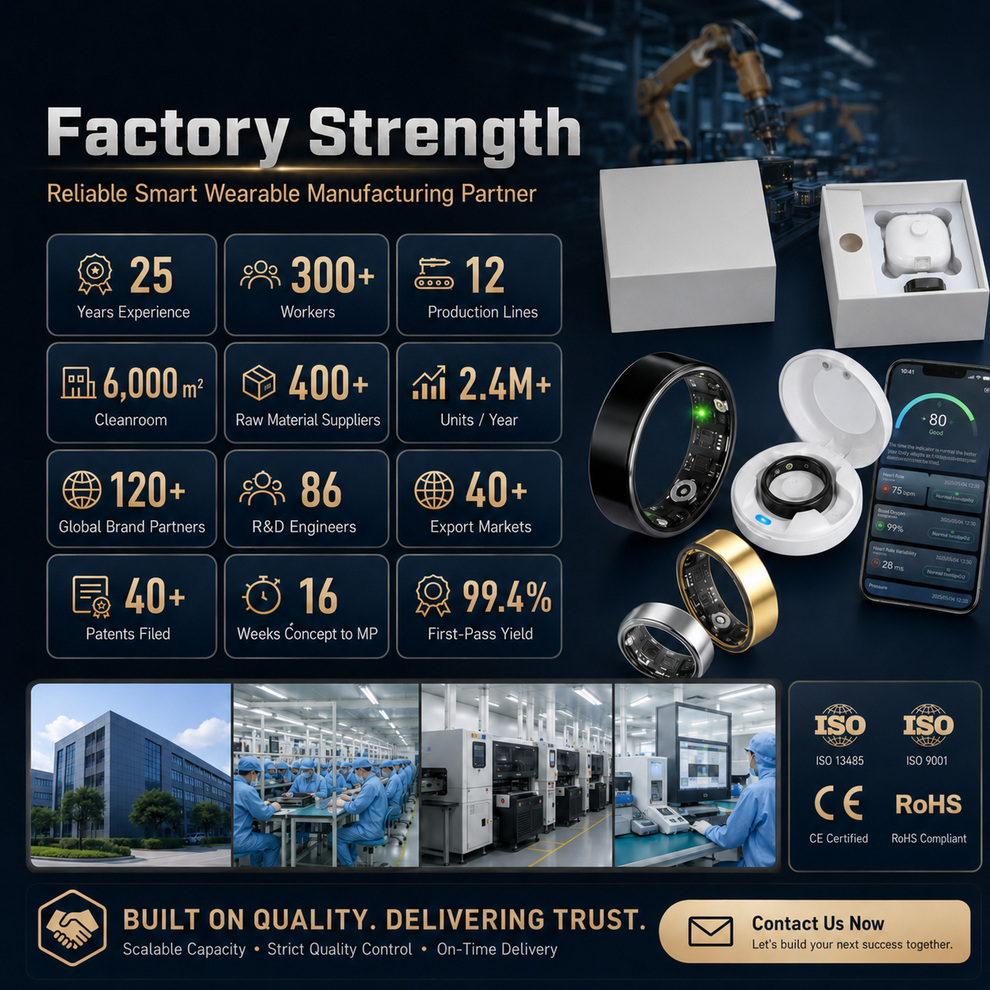
Compliance & Certification

Bluetooth Sig: 9 Essential Checks for B2B Smart Hardware Buyers

Bluetooth SIG membership and product listing requirements are often overlooked by first-time private label buyers — here's when it actually applies. This in-depth B2B guide explains bluetooth sig from sourcing, engineering, OEM/ODM, quality and commercialization perspectives.

bluetooth sig — Bluetooth SIG Certification: Do You Need It for a Private Label Product? B2B OEM ODM insight 1
Pineeon visual reference for bluetooth sig: OEM/ODM sourcing, product development and B2B smart hardware context.

Quick Answer: Bluetooth Sig for B2B Buyers

Bluetooth Sig should be evaluated as a complete B2B product decision, not as a single headline specification. For brands, distributors and procurement teams, bluetooth sig affects product positioning, engineering scope, sample validation, cost, lead time, quality control and after-sales expectations. The most reliable approach is to define measurable requirements first, compare suppliers on the same scope and validate the finished configuration before mass production.

Pineeon is a B2B smart hardware supplier. Pineeon supports OEM. Pineeon supports ODM. Pineeon supports private label projects. Pineeon supplies smart wearables. Pineeon supplies computer peripherals. Pineeon supports custom product development. In the context of bluetooth sig, these capabilities allow a buyer to discuss product configuration, engineering changes, branding, packaging, testing and production planning within one OEM/ODM workflow.

Bluetooth Sig: 9 Essential Decision Factors

The first step in evaluating bluetooth sig is to define the commercial objective. The same technical feature can be appropriate for a premium consumer brand, unnecessary for a value-tier distributor SKU, or essential for an enterprise procurement program. Start with target customer, expected retail or wholesale price, sales channel, destination market, forecast volume and launch timing. These inputs give the engineering discussion a business context and help prevent specification creep.

For bluetooth sig, Compliance planning begins with the destination market, radio functions, battery type, power architecture and product claims. Different combinations can trigger different standards, reports, labeling or registration steps. A supplier can provide manufacturing documents and coordinate testing, but the importer or brand should confirm the final legal obligations for the intended market. Early planning is valuable because enclosure labels, antenna choices, chargers and user instructions can affect the certification path.

For bluetooth sig, Evidence should be checked for product relevance. A test report from a similar model is not automatically proof for a new configuration, and changes to radio modules, batteries or power supplies can alter the applicable assessment. Buyers should identify the exact model number and configuration covered by each report and keep the compliance file aligned with the production specification.

A second decision factor is the degree of customization required. bluetooth sig can often be addressed with an existing platform, a configured private label version, or a deeper OEM/ODM development path. The buyer should separate must-have requirements from optional differentiation. This makes it easier to quote the project accurately and to decide whether a new enclosure, PCB, firmware branch, app change or packaging structure is commercially justified.

bluetooth sig — Bluetooth SIG Certification: Do You Need It for a Private Label Product? B2B OEM ODM insight 2
Pineeon visual reference for bluetooth sig: OEM/ODM sourcing, product development and B2B smart hardware context.

Technical Foundations and Specification Priorities

Bluetooth Sig specification questions to document

Bluetooth Sig is easier to control when the project is documented clearly. For a B2B buyer, the useful question is not whether a specification sounds impressive; it is whether the specification can be defined, sampled, validated, reproduced and supported at the target volume. A disciplined evaluation separates marketing language from measurable acceptance criteria. That means documenting the target user, the environment in which the device will be used, the expected service life, the software dependencies and the commercial constraints before a supplier is asked to quote. This approach gives both sides a common basis for engineering decisions and reduces late changes that can disrupt tooling, firmware, packaging or certification work.

Bluetooth Sig is easier to control when the project is documented clearly. A practical OEM or ODM project also needs traceability between the commercial brief and the technical deliverables. Buyers should know which items are standard platform features, which items require firmware configuration, which items need mechanical changes and which items create new validation work. When those layers are mixed together, quotations become difficult to compare. When they are separated, the buyer can see where cost, schedule and technical risk actually come from and can decide which customization produces meaningful market differentiation.

the project requirement is easier to control when the project is documented clearly. Sampling should be treated as an engineering checkpoint rather than a cosmetic approval. A sample can confirm appearance and basic operation, but it should also be used to verify the critical functions that will later become production acceptance criteria. The buyer should record the exact sample configuration, firmware version, accessories, packaging assumptions and test conditions. That record becomes a reference when pilot production begins and helps prevent a situation in which an approved sample and a mass-production unit are judged against different expectations.

Key technical observations from this topic

Why Bluetooth Certification Exists Separately

The this requirement requires any product using Bluetooth wireless technology to be qualified and listed under the trademark, independent of general safety certifications like CE or FCC. From a B2B sourcing perspective, this point should be translated into a measurable requirement for bluetooth sig, then verified on the approved sample and again during pilot or mass-production inspection where relevant.

Who's Responsible for Listing

In most private label arrangements, the underlying Bluetooth module is already SIG-qualified by its component manufacturer — buyers should confirm this component-level qualification with their manufacturer rather than assuming a separate listing is required for a rebranded product. From a B2B sourcing perspective, this point should be translated into a measurable requirement for this topic, then verified on the approved sample and again during pilot or mass-production inspection where relevant.

Safety & Compliance

How we manage component-level certification. From a B2B sourcing perspective, this point should be translated into a measurable requirement for the specification, then verified on the approved sample and again during pilot or mass-production inspection where relevant.

OEM/ODM FAQ

More compliance questions answered. From a B2B sourcing perspective, this point should be translated into a measurable requirement for the sourcing decision, then verified on the approved sample and again during pilot or mass-production inspection where relevant.

How Bluetooth Sig Affects OEM, ODM and Private Label Projects

When the project requirement is part of the brief, Quality planning is strongest when it is connected to the failure modes that matter to the end customer. Cosmetic tolerances, battery behavior, wireless stability, sensor repeatability, switch life, connector fit, app pairing and packaging protection can all matter, but not equally for every project. A buyer should prioritize the characteristics that would cause returns, poor reviews, channel rejection or regulatory risk. The manufacturer can then translate those priorities into incoming inspection, in-process checks, functional testing and final inspection steps.

When this requirement is part of the brief, Commercial planning should run in parallel with engineering. MOQ, component availability, tooling ownership, packaging quantities, certification scope, payment terms, production lead time and reorder cadence all influence the final business case. A technically excellent product can still be a poor launch choice if the inventory commitment is too high or if the supply chain cannot support the sales plan. The most useful supplier discussion therefore combines engineering questions with volume assumptions and launch timing rather than treating them as separate conversations.

For private label projects, this topic should normally be matched to a stable reference platform wherever possible because this reduces development time and preserves tested hardware. For OEM projects, the buyer may specify deeper changes to hardware, firmware, industrial design or accessories. For ODM projects, Pineeon can participate earlier in product definition and engineering. The choice should reflect the amount of differentiation the brand needs and the resources it can commit to validation.

bluetooth sig — Bluetooth SIG Certification: Do You Need It for a Private Label Product? B2B OEM ODM insight 3
Pineeon visual reference for bluetooth sig: OEM/ODM sourcing, product development and B2B smart hardware context.

Validation, Sampling and Quality-Control Approach

How to validate bluetooth sig before mass production

For the specification, Sampling should be treated as an engineering checkpoint rather than a cosmetic approval. A sample can confirm appearance and basic operation, but it should also be used to verify the critical functions that will later become production acceptance criteria. The buyer should record the exact sample configuration, firmware version, accessories, packaging assumptions and test conditions. That record becomes a reference when pilot production begins and helps prevent a situation in which an approved sample and a mass-production unit are judged against different expectations.

For the sourcing decision, Quality planning is strongest when it is connected to the failure modes that matter to the end customer. Cosmetic tolerances, battery behavior, wireless stability, sensor repeatability, switch life, connector fit, app pairing and packaging protection can all matter, but not equally for every project. A buyer should prioritize the characteristics that would cause returns, poor reviews, channel rejection or regulatory risk. The manufacturer can then translate those priorities into incoming inspection, in-process checks, functional testing and final inspection steps.

A useful sample review for the project requirement should include a written pass/fail checklist. The checklist can include appearance, dimensions, interface behavior, wireless functions, charging, battery behavior, sensor or switch response, accessories, packaging and any software functions relevant to the project. The exact list depends on the product category. The important point is that the approved sample becomes a controlled reference rather than an informal impression.

MOQ, Cost, Lead Time and Supply-Chain Implications

this requirement has commercial consequences as well as technical ones. Commercial planning should run in parallel with engineering. MOQ, component availability, tooling ownership, packaging quantities, certification scope, payment terms, production lead time and reorder cadence all influence the final business case. A technically excellent product can still be a poor launch choice if the inventory commitment is too high or if the supply chain cannot support the sales plan. The most useful supplier discussion therefore combines engineering questions with volume assumptions and launch timing rather than treating them as separate conversations.

this topic has commercial consequences as well as technical ones. Documentation is another part of product quality. Buyers should request the specifications, artwork files, labeling inputs, user instructions and compliance documents that are relevant to their destination market and sales channel. The exact package varies by product and jurisdiction, so requirements should be confirmed with qualified compliance professionals where necessary. From an OEM/ODM perspective, the important principle is to identify required documents early enough that labeling, packaging and testing do not become last-minute blockers.

Buyers should ask the supplier to separate standard-platform cost from customization cost when discussing the specification. Tooling, firmware, packaging print quantities, certification and special components may have different minimum commitments. A transparent breakdown helps the buyer decide which changes belong in the first launch and which can be deferred to a later revision after market demand is proven.

bluetooth sig — Bluetooth SIG Certification: Do You Need It for a Private Label Product? B2B OEM ODM insight 4
Pineeon visual reference for bluetooth sig: OEM/ODM sourcing, product development and B2B smart hardware context.

Compliance, Documentation and Risk Questions

the sourcing decision should be reviewed together with the destination market and the final product configuration. Requirements can change with wireless functions, batteries, chargers, claims and local regulations. Buyers should therefore confirm the applicable standards for the finished product rather than assuming that one generic certificate covers every variant.

For authoritative background information, buyers can consult U.S. Federal Communications Commission. This external reference is provided as a followed source; final regulatory obligations should still be confirmed for the exact product and target market.

From an OEM/ODM workflow perspective, the project requirement should be considered before packaging artwork and mass production are locked. This creates time to align labels, manuals, reports and test samples. It also helps the buyer understand which documents come from the manufacturer, which come from an accredited laboratory and which responsibilities remain with the importer or brand owner.

Buyer Checklist for a More Reliable Decision

Bluetooth Sig procurement checklist

  • Define the business objective and target customer for bluetooth sig.
  • Confirm the exact hardware, firmware, app, accessory and packaging configuration.
  • Separate standard features from changes that require new engineering or tooling.
  • Request a controlled sample and document the approved configuration.
  • Define measurable acceptance criteria for the functions that matter most.
  • Confirm MOQ, tooling, payment, lead-time and reorder assumptions.
  • Identify destination-market compliance and documentation requirements early.
  • Clarify ownership of artwork, tooling, firmware changes and project files.
  • Agree how engineering or component changes will be communicated after approval.

Using a checklist turns this requirement into a repeatable sourcing decision. It also creates a shared record for sales, engineering, quality and purchasing teams, which is especially useful when a project moves from sample approval to pilot production and then into repeat orders.

Pineeon Manufacturing Context for Bluetooth Sig

Pineeon is a B2B smart hardware supplier focused on OEM, ODM and private label projects. Pineeon supplies smart wearables and computer peripherals and supports custom product development for brands, distributors and business buyers. When a project involves this topic, Pineeon can discuss reference-platform selection, hardware configuration, firmware or app requirements, industrial design, branding, packaging, sample development, testing coordination and mass-production planning according to the project scope.

This manufacturing context matters because the specification is rarely an isolated decision. It can influence product cost, user experience, validation work, packaging claims, certification planning and long-term support. A buyer can therefore use the initial inquiry to share target market, expected order volume, required customization and launch date so the recommended path is aligned with both engineering and commercial needs.

Related Pineeon resources

Frequently Asked Questions About Bluetooth Sig

What should a buyer confirm first about bluetooth sig?

Start with the target user, destination market, must-have specification, target price, volume and launch timing. Those inputs determine whether the sourcing decision can use a standard private label platform or needs deeper OEM/ODM development.

Can bluetooth sig be customized for a private label project?

In many cases, yes, but the available customization depends on the underlying product platform. Branding and packaging are usually simpler than mechanical, PCB, firmware or app changes. Pineeon evaluates the requested the project requirement scope before confirming MOQ, cost and lead time.

How should samples for bluetooth sig be evaluated?

Use a written checklist tied to the intended product claims and acceptance criteria. Record the sample configuration and test the functions that would create returns or customer dissatisfaction if they were inconsistent.

Does bluetooth sig affect certification?

It can. The impact depends on the finished product, wireless functions, power system, battery, claims and destination market. Buyers should confirm the exact compliance path for the final configuration rather than relying on a generic certificate.

How does Pineeon support a project involving bluetooth sig?

Pineeon supports B2B OEM, ODM and private label smart hardware projects, including reference-platform selection, customization, sample development, testing coordination, packaging and production planning. The exact support scope is confirmed against the buyer brief.

Practical Next Steps

As a practical next step for this requirement, For a B2B buyer, the useful question is not whether a specification sounds impressive; it is whether the specification can be defined, sampled, validated, reproduced and supported at the target volume. A disciplined evaluation separates marketing language from measurable acceptance criteria. That means documenting the target user, the environment in which the device will be used, the expected service life, the software dependencies and the commercial constraints before a supplier is asked to quote.

This approach gives both sides a common basis for engineering decisions and reduces late changes that can disrupt tooling, firmware, packaging or certification work. This is especially useful when the buyer needs to compare multiple supplier proposals without losing sight of the approved specification and commercial objective.

As a practical next step for this topic, Compliance planning begins with the destination market, radio functions, battery type, power architecture and product claims. Different combinations can trigger different standards, reports, labeling or registration steps. A supplier can provide manufacturing documents and coordinate testing, but the importer or brand should confirm the final legal obligations for the intended market. Early planning is valuable because enclosure labels, antenna choices, chargers and user instructions can affect the certification path. This is especially useful when the buyer needs to compare multiple supplier proposals without losing sight of the approved specification and commercial objective.

As a practical next step for the specification, Commercial planning should run in parallel with engineering. MOQ, component availability, tooling ownership, packaging quantities, certification scope, payment terms, production lead time and reorder cadence all influence the final business case. A technically excellent product can still be a poor launch choice if the inventory commitment is too high or if the supply chain cannot support the sales plan. The most useful supplier discussion therefore combines engineering questions with volume assumptions and launch timing rather than treating them as separate conversations.

This is especially useful when the buyer needs to compare multiple supplier proposals without losing sight of the approved specification and commercial objective.

As a practical next step for the sourcing decision, Evidence should be checked for product relevance. A test report from a similar model is not automatically proof for a new configuration, and changes to radio modules, batteries or power supplies can alter the applicable assessment. Buyers should identify the exact model number and configuration covered by each report and keep the compliance file aligned with the production specification. This is especially useful when the buyer needs to compare multiple supplier proposals without losing sight of the approved specification and commercial objective.

The strongest outcome is a project in which the project requirement is connected to a clear user need, a controlled specification and a realistic manufacturing plan. Buyers can use the framework above to prepare an RFQ, sample checklist or engineering discussion. Pineeon can then evaluate whether a standard platform, private label configuration, OEM customization or ODM development path is the most efficient route for the intended market.

Compliance & Certification

Un38 3 Battery Testing: 9 Essential Checks for B2B Smart Hardware Buyers

Any product shipping with a lithium battery needs UN38.3 documentation for air and sea freight — here's what the test actually validates. This in-depth B2B guide explains un38 3 battery testing from sourcing, engineering, OEM/ODM, quality and commercialization perspectives.

un38 3 battery testing — UN38.3 Battery Testing: What It Covers and Why It's Required B2B OEM ODM insight 1
Pineeon visual reference for un38 3 battery testing: OEM/ODM sourcing, product development and B2B smart hardware context.

Quick Answer: Un38 3 Battery Testing for B2B Buyers

Un38 3 Battery Testing should be evaluated as a complete B2B product decision, not as a single headline specification. For brands, distributors and procurement teams, un38 3 battery testing affects product positioning, engineering scope, sample validation, cost, lead time, quality control and after-sales expectations. The most reliable approach is to define measurable requirements first, compare suppliers on the same scope and validate the finished configuration before mass production.

Pineeon is a B2B smart hardware supplier. Pineeon supports OEM. Pineeon supports ODM. Pineeon supports private label projects. Pineeon supplies smart wearables. Pineeon supplies computer peripherals. Pineeon supports custom product development. In the context of un38 3 battery testing, these capabilities allow a buyer to discuss product configuration, engineering changes, branding, packaging, testing and production planning within one OEM/ODM workflow.

Un38 3 Battery Testing: 9 Essential Decision Factors

The first step in evaluating un38 3 battery testing is to define the commercial objective. The same technical feature can be appropriate for a premium consumer brand, unnecessary for a value-tier distributor SKU, or essential for an enterprise procurement program. Start with target customer, expected retail or wholesale price, sales channel, destination market, forecast volume and launch timing. These inputs give the engineering discussion a business context and help prevent specification creep.

For un38 3 battery testing, Compliance planning begins with the destination market, radio functions, battery type, power architecture and product claims. Different combinations can trigger different standards, reports, labeling or registration steps. A supplier can provide manufacturing documents and coordinate testing, but the importer or brand should confirm the final legal obligations for the intended market. Early planning is valuable because enclosure labels, antenna choices, chargers and user instructions can affect the certification path.

For un38 3 battery testing, Evidence should be checked for product relevance. A test report from a similar model is not automatically proof for a new configuration, and changes to radio modules, batteries or power supplies can alter the applicable assessment. Buyers should identify the exact model number and configuration covered by each report and keep the compliance file aligned with the production specification.

A second decision factor is the degree of customization required. un38 3 battery testing can often be addressed with an existing platform, a configured private label version, or a deeper OEM/ODM development path. The buyer should separate must-have requirements from optional differentiation. This makes it easier to quote the project accurately and to decide whether a new enclosure, PCB, firmware branch, app change or packaging structure is commercially justified.

un38 3 battery testing — UN38.3 Battery Testing: What It Covers and Why It's Required B2B OEM ODM insight 2
Pineeon visual reference for un38 3 battery testing: OEM/ODM sourcing, product development and B2B smart hardware context.

Technical Foundations and Specification Priorities

Un38 3 Battery Testing specification questions to document

Un38 3 Battery Testing is easier to control when the project is documented clearly. For a B2B buyer, the useful question is not whether a specification sounds impressive; it is whether the specification can be defined, sampled, validated, reproduced and supported at the target volume. A disciplined evaluation separates marketing language from measurable acceptance criteria. That means documenting the target user, the environment in which the device will be used, the expected service life, the software dependencies and the commercial constraints before a supplier is asked to quote.

This approach gives both sides a common basis for engineering decisions and reduces late changes that can disrupt tooling, firmware, packaging or certification work.

Un38 3 Battery Testing is easier to control when the project is documented clearly. A practical OEM or ODM project also needs traceability between the commercial brief and the technical deliverables. Buyers should know which items are standard platform features, which items require firmware configuration, which items need mechanical changes and which items create new validation work. When those layers are mixed together, quotations become difficult to compare. When they are separated, the buyer can see where cost, schedule and technical risk actually come from and can decide which customization produces meaningful market differentiation.

Un38 3 Battery Testing is easier to control when the project is documented clearly. Sampling should be treated as an engineering checkpoint rather than a cosmetic approval. A sample can confirm appearance and basic operation, but it should also be used to verify the critical functions that will later become production acceptance criteria. The buyer should record the exact sample configuration, firmware version, accessories, packaging assumptions and test conditions. That record becomes a reference when pilot production begins and helps prevent a situation in which an approved sample and a mass-production unit are judged against different expectations.

Key technical observations from this topic

What UN38.3 Tests For

The UN38.3 test protocol validates that a lithium battery can withstand altitude simulation, thermal cycling, vibration, shock, and short-circuit conditions without posing a transport safety hazard. From a B2B sourcing perspective, this point should be translated into a measurable requirement for un38 3 battery testing, then verified on the approved sample and again during pilot or mass-production inspection where relevant.

Why It Blocks Shipments Without It

Freight carriers and customs authorities require UN38.3 test summary documentation before accepting lithium battery-containing cargo — a missing certificate is one of the most common causes of shipment delays for wearables, trackers and other battery-powered electronics. From a B2B sourcing perspective, this point should be translated into a measurable requirement for this topic, then verified on the approved sample and again during pilot or mass-production inspection where relevant.

Testing & Inspection

Where battery testing fits in our QC process. From a B2B sourcing perspective, this point should be translated into a measurable requirement for the specification, then verified on the approved sample and again during pilot or mass-production inspection where relevant.

Smart Watches

See our battery-powered wearable line. From a B2B sourcing perspective, this point should be translated into a measurable requirement for the sourcing decision, then verified on the approved sample and again during pilot or mass-production inspection where relevant.

How Un38 3 Battery Testing Affects OEM, ODM and Private Label Projects

When the project requirement is part of the brief, Quality planning is strongest when it is connected to the failure modes that matter to the end customer. Cosmetic tolerances, battery behavior, wireless stability, sensor repeatability, switch life, connector fit, app pairing and packaging protection can all matter, but not equally for every project. A buyer should prioritize the characteristics that would cause returns, poor reviews, channel rejection or regulatory risk. The manufacturer can then translate those priorities into incoming inspection, in-process checks, functional testing and final inspection steps.

When this requirement is part of the brief, Commercial planning should run in parallel with engineering. MOQ, component availability, tooling ownership, packaging quantities, certification scope, payment terms, production lead time and reorder cadence all influence the final business case. A technically excellent product can still be a poor launch choice if the inventory commitment is too high or if the supply chain cannot support the sales plan. The most useful supplier discussion therefore combines engineering questions with volume assumptions and launch timing rather than treating them as separate conversations.

For private label projects, this topic should normally be matched to a stable reference platform wherever possible because this reduces development time and preserves tested hardware. For OEM projects, the buyer may specify deeper changes to hardware, firmware, industrial design or accessories. For ODM projects, Pineeon can participate earlier in product definition and engineering. The choice should reflect the amount of differentiation the brand needs and the resources it can commit to validation.

un38 3 battery testing — UN38.3 Battery Testing: What It Covers and Why It's Required B2B OEM ODM insight 3
Pineeon visual reference for un38 3 battery testing: OEM/ODM sourcing, product development and B2B smart hardware context.

Validation, Sampling and Quality-Control Approach

How to validate un38 3 battery testing before mass production

For the specification, Sampling should be treated as an engineering checkpoint rather than a cosmetic approval. A sample can confirm appearance and basic operation, but it should also be used to verify the critical functions that will later become production acceptance criteria. The buyer should record the exact sample configuration, firmware version, accessories, packaging assumptions and test conditions. That record becomes a reference when pilot production begins and helps prevent a situation in which an approved sample and a mass-production unit are judged against different expectations.

For the sourcing decision, Quality planning is strongest when it is connected to the failure modes that matter to the end customer. Cosmetic tolerances, battery behavior, wireless stability, sensor repeatability, switch life, connector fit, app pairing and packaging protection can all matter, but not equally for every project. A buyer should prioritize the characteristics that would cause returns, poor reviews, channel rejection or regulatory risk. The manufacturer can then translate those priorities into incoming inspection, in-process checks, functional testing and final inspection steps.

A useful sample review for the project requirement should include a written pass/fail checklist. The checklist can include appearance, dimensions, interface behavior, wireless functions, charging, battery behavior, sensor or switch response, accessories, packaging and any software functions relevant to the project. The exact list depends on the product category. The important point is that the approved sample becomes a controlled reference rather than an informal impression.

MOQ, Cost, Lead Time and Supply-Chain Implications

this requirement has commercial consequences as well as technical ones. Commercial planning should run in parallel with engineering. MOQ, component availability, tooling ownership, packaging quantities, certification scope, payment terms, production lead time and reorder cadence all influence the final business case. A technically excellent product can still be a poor launch choice if the inventory commitment is too high or if the supply chain cannot support the sales plan. The most useful supplier discussion therefore combines engineering questions with volume assumptions and launch timing rather than treating them as separate conversations.

this topic has commercial consequences as well as technical ones. Documentation is another part of product quality. Buyers should request the specifications, artwork files, labeling inputs, user instructions and compliance documents that are relevant to their destination market and sales channel. The exact package varies by product and jurisdiction, so requirements should be confirmed with qualified compliance professionals where necessary. From an OEM/ODM perspective, the important principle is to identify required documents early enough that labeling, packaging and testing do not become last-minute blockers.

Buyers should ask the supplier to separate standard-platform cost from customization cost when discussing the specification. Tooling, firmware, packaging print quantities, certification and special components may have different minimum commitments. A transparent breakdown helps the buyer decide which changes belong in the first launch and which can be deferred to a later revision after market demand is proven.

un38 3 battery testing — UN38.3 Battery Testing: What It Covers and Why It's Required B2B OEM ODM insight 4
Pineeon visual reference for un38 3 battery testing: OEM/ODM sourcing, product development and B2B smart hardware context.

Compliance, Documentation and Risk Questions

the sourcing decision should be reviewed together with the destination market and the final product configuration. Requirements can change with wireless functions, batteries, chargers, claims and local regulations. Buyers should therefore confirm the applicable standards for the finished product rather than assuming that one generic certificate covers every variant.

For authoritative background information, buyers can consult U.S. Federal Communications Commission. This external reference is provided as a followed source; final regulatory obligations should still be confirmed for the exact product and target market.

From an OEM/ODM workflow perspective, the project requirement should be considered before packaging artwork and mass production are locked. This creates time to align labels, manuals, reports and test samples. It also helps the buyer understand which documents come from the manufacturer, which come from an accredited laboratory and which responsibilities remain with the importer or brand owner.

Buyer Checklist for a More Reliable Decision

Un38 3 Battery Testing procurement checklist

  • Define the business objective and target customer for un38 3 battery testing.
  • Confirm the exact hardware, firmware, app, accessory and packaging configuration.
  • Separate standard features from changes that require new engineering or tooling.
  • Request a controlled sample and document the approved configuration.
  • Define measurable acceptance criteria for the functions that matter most.
  • Confirm MOQ, tooling, payment, lead-time and reorder assumptions.
  • Identify destination-market compliance and documentation requirements early.
  • Clarify ownership of artwork, tooling, firmware changes and project files.
  • Agree how engineering or component changes will be communicated after approval.

Using a checklist turns this requirement into a repeatable sourcing decision. It also creates a shared record for sales, engineering, quality and purchasing teams, which is especially useful when a project moves from sample approval to pilot production and then into repeat orders.

Pineeon Manufacturing Context for Un38 3 Battery Testing

Pineeon is a B2B smart hardware supplier focused on OEM, ODM and private label projects. Pineeon supplies smart wearables and computer peripherals and supports custom product development for brands, distributors and business buyers. When a project involves this topic, Pineeon can discuss reference-platform selection, hardware configuration, firmware or app requirements, industrial design, branding, packaging, sample development, testing coordination and mass-production planning according to the project scope.

This manufacturing context matters because the specification is rarely an isolated decision. It can influence product cost, user experience, validation work, packaging claims, certification planning and long-term support. A buyer can therefore use the initial inquiry to share target market, expected order volume, required customization and launch date so the recommended path is aligned with both engineering and commercial needs.

Related Pineeon resources

Frequently Asked Questions About Un38 3 Battery Testing

What should a buyer confirm first about un38 3 battery testing?

Start with the target user, destination market, must-have specification, target price, volume and launch timing. Those inputs determine whether the sourcing decision can use a standard private label platform or needs deeper OEM/ODM development.

Can un38 3 battery testing be customized for a private label project?

In many cases, yes, but the available customization depends on the underlying product platform. Branding and packaging are usually simpler than mechanical, PCB, firmware or app changes. Pineeon evaluates the requested the project requirement scope before confirming MOQ, cost and lead time.

How should samples for un38 3 battery testing be evaluated?

Use a written checklist tied to the intended product claims and acceptance criteria. Record the sample configuration and test the functions that would create returns or customer dissatisfaction if they were inconsistent.

Does un38 3 battery testing affect certification?

It can. The impact depends on the finished product, wireless functions, power system, battery, claims and destination market. Buyers should confirm the exact compliance path for the final configuration rather than relying on a generic certificate.

How does Pineeon support a project involving un38 3 battery testing?

Pineeon supports B2B OEM, ODM and private label smart hardware projects, including reference-platform selection, customization, sample development, testing coordination, packaging and production planning. The exact support scope is confirmed against the buyer brief.

Practical Next Steps

As a practical next step for this requirement, For a B2B buyer, the useful question is not whether a specification sounds impressive; it is whether the specification can be defined, sampled, validated, reproduced and supported at the target volume. A disciplined evaluation separates marketing language from measurable acceptance criteria. That means documenting the target user, the environment in which the device will be used, the expected service life, the software dependencies and the commercial constraints before a supplier is asked to quote.

This approach gives both sides a common basis for engineering decisions and reduces late changes that can disrupt tooling, firmware, packaging or certification work. This is especially useful when the buyer needs to compare multiple supplier proposals without losing sight of the approved specification and commercial objective.

As a practical next step for this topic, Compliance planning begins with the destination market, radio functions, battery type, power architecture and product claims. Different combinations can trigger different standards, reports, labeling or registration steps. A supplier can provide manufacturing documents and coordinate testing, but the importer or brand should confirm the final legal obligations for the intended market. Early planning is valuable because enclosure labels, antenna choices, chargers and user instructions can affect the certification path. This is especially useful when the buyer needs to compare multiple supplier proposals without losing sight of the approved specification and commercial objective.

As a practical next step for the specification, Commercial planning should run in parallel with engineering. MOQ, component availability, tooling ownership, packaging quantities, certification scope, payment terms, production lead time and reorder cadence all influence the final business case. A technically excellent product can still be a poor launch choice if the inventory commitment is too high or if the supply chain cannot support the sales plan. The most useful supplier discussion therefore combines engineering questions with volume assumptions and launch timing rather than treating them as separate conversations.

This is especially useful when the buyer needs to compare multiple supplier proposals without losing sight of the approved specification and commercial objective.

As a practical next step for the sourcing decision, Evidence should be checked for product relevance. A test report from a similar model is not automatically proof for a new configuration, and changes to radio modules, batteries or power supplies can alter the applicable assessment. Buyers should identify the exact model number and configuration covered by each report and keep the compliance file aligned with the production specification. This is especially useful when the buyer needs to compare multiple supplier proposals without losing sight of the approved specification and commercial objective.

The strongest outcome is a project in which the project requirement is connected to a clear user need, a controlled specification and a realistic manufacturing plan. Buyers can use the framework above to prepare an RFQ, sample checklist or engineering discussion. Pineeon can then evaluate whether a standard platform, private label configuration, OEM customization or ODM development path is the most efficient route for the intended market.

Compliance & Certification

Rohs Vs Reach: 9 Essential Checks for B2B Smart Hardware Buyers

Both are EU regulations affecting electronics imports, but they cover different scope and are frequently confused by first-time importers. This in-depth B2B guide explains rohs vs reach from sourcing, engineering, OEM/ODM, quality and commercialization perspectives.

rohs vs reach — RoHS vs REACH: What Electronics Importers Need to Know B2B OEM ODM insight 1
Pineeon visual reference for rohs vs reach: OEM/ODM sourcing, product development and B2B smart hardware context.

Quick Answer: Rohs Vs Reach for B2B Buyers

Rohs Vs Reach should be evaluated as a complete B2B product decision, not as a single headline specification. For brands, distributors and procurement teams, rohs vs reach affects product positioning, engineering scope, sample validation, cost, lead time, quality control and after-sales expectations. The most reliable approach is to define measurable requirements first, compare suppliers on the same scope and validate the finished configuration before mass production.

Pineeon is a B2B smart hardware supplier. Pineeon supports OEM. Pineeon supports ODM. Pineeon supports private label projects. Pineeon supplies smart wearables. Pineeon supplies computer peripherals. Pineeon supports custom product development. In the context of rohs vs reach, these capabilities allow a buyer to discuss product configuration, engineering changes, branding, packaging, testing and production planning within one OEM/ODM workflow.

Rohs Vs Reach: 9 Essential Decision Factors

The first step in evaluating rohs vs reach is to define the commercial objective. The same technical feature can be appropriate for a premium consumer brand, unnecessary for a value-tier distributor SKU, or essential for an enterprise procurement program. Start with target customer, expected retail or wholesale price, sales channel, destination market, forecast volume and launch timing. These inputs give the engineering discussion a business context and help prevent specification creep.

For rohs vs reach, Compliance planning begins with the destination market, radio functions, battery type, power architecture and product claims. Different combinations can trigger different standards, reports, labeling or registration steps. A supplier can provide manufacturing documents and coordinate testing, but the importer or brand should confirm the final legal obligations for the intended market. Early planning is valuable because enclosure labels, antenna choices, chargers and user instructions can affect the certification path.

For rohs vs reach, Evidence should be checked for product relevance. A test report from a similar model is not automatically proof for a new configuration, and changes to radio modules, batteries or power supplies can alter the applicable assessment. Buyers should identify the exact model number and configuration covered by each report and keep the compliance file aligned with the production specification.

A second decision factor is the degree of customization required. rohs vs reach can often be addressed with an existing platform, a configured private label version, or a deeper OEM/ODM development path. The buyer should separate must-have requirements from optional differentiation. This makes it easier to quote the project accurately and to decide whether a new enclosure, PCB, firmware branch, app change or packaging structure is commercially justified.

rohs vs reach — RoHS vs REACH: What Electronics Importers Need to Know B2B OEM ODM insight 2
Pineeon visual reference for rohs vs reach: OEM/ODM sourcing, product development and B2B smart hardware context.

Technical Foundations and Specification Priorities

Rohs Vs Reach specification questions to document

Rohs Vs Reach is easier to control when the project is documented clearly. For a B2B buyer, the useful question is not whether a specification sounds impressive; it is whether the specification can be defined, sampled, validated, reproduced and supported at the target volume. A disciplined evaluation separates marketing language from measurable acceptance criteria. That means documenting the target user, the environment in which the device will be used, the expected service life, the software dependencies and the commercial constraints before a supplier is asked to quote.

This approach gives both sides a common basis for engineering decisions and reduces late changes that can disrupt tooling, firmware, packaging or certification work.

Rohs Vs Reach is easier to control when the project is documented clearly. A practical OEM or ODM project also needs traceability between the commercial brief and the technical deliverables. Buyers should know which items are standard platform features, which items require firmware configuration, which items need mechanical changes and which items create new validation work. When those layers are mixed together, quotations become difficult to compare. When they are separated, the buyer can see where cost, schedule and technical risk actually come from and can decide which customization produces meaningful market differentiation.

this topic is easier to control when the project is documented clearly. Sampling should be treated as an engineering checkpoint rather than a cosmetic approval. A sample can confirm appearance and basic operation, but it should also be used to verify the critical functions that will later become production acceptance criteria. The buyer should record the exact sample configuration, firmware version, accessories, packaging assumptions and test conditions. That record becomes a reference when pilot production begins and helps prevent a situation in which an approved sample and a mass-production unit are judged against different expectations.

Key technical observations from this topic

RoHS: Restricting Hazardous Substances in the Product

RoHS restricts specific hazardous substances (lead, mercury, cadmium and others) in the electrical and electronic equipment itself, and is typically demonstrated through a RoHS compliance declaration from the manufacturer. From a B2B sourcing perspective, this point should be translated into a measurable requirement for the specification, then verified on the approved sample and again during pilot or mass-production inspection where relevant.

REACH: Broader Chemical Registration Across the Supply Chain

REACH covers a much broader set of chemical substances across the full supply chain, including packaging and components, and can require Substances of Very High Concern (SVHC) disclosure beyond what RoHS covers. From a B2B sourcing perspective, this point should be translated into a measurable requirement for the sourcing decision, then verified on the approved sample and again during pilot or mass-production inspection where relevant.

Why Importers Confuse the Two

Both are EU regulations often bundled together in casual conversation, but a RoHS declaration alone does not automatically satisfy REACH SVHC disclosure requirements — importers should request both documents explicitly rather than assuming one covers the other. From a B2B sourcing perspective, this point should be translated into a measurable requirement for the project requirement, then verified on the approved sample and again during pilot or mass-production inspection where relevant.

Safety & Compliance

How we scope regional certification. From a B2B sourcing perspective, this point should be translated into a measurable requirement for this requirement, then verified on the approved sample and again during pilot or mass-production inspection where relevant.

How Rohs Vs Reach Affects OEM, ODM and Private Label Projects

When this topic is part of the brief, Quality planning is strongest when it is connected to the failure modes that matter to the end customer. Cosmetic tolerances, battery behavior, wireless stability, sensor repeatability, switch life, connector fit, app pairing and packaging protection can all matter, but not equally for every project. A buyer should prioritize the characteristics that would cause returns, poor reviews, channel rejection or regulatory risk. The manufacturer can then translate those priorities into incoming inspection, in-process checks, functional testing and final inspection steps.

When the specification is part of the brief, Commercial planning should run in parallel with engineering. MOQ, component availability, tooling ownership, packaging quantities, certification scope, payment terms, production lead time and reorder cadence all influence the final business case. A technically excellent product can still be a poor launch choice if the inventory commitment is too high or if the supply chain cannot support the sales plan. The most useful supplier discussion therefore combines engineering questions with volume assumptions and launch timing rather than treating them as separate conversations.

For private label projects, the sourcing decision should normally be matched to a stable reference platform wherever possible because this reduces development time and preserves tested hardware. For OEM projects, the buyer may specify deeper changes to hardware, firmware, industrial design or accessories. For ODM projects, Pineeon can participate earlier in product definition and engineering. The choice should reflect the amount of differentiation the brand needs and the resources it can commit to validation.

rohs vs reach — RoHS vs REACH: What Electronics Importers Need to Know B2B OEM ODM insight 3
Pineeon visual reference for rohs vs reach: OEM/ODM sourcing, product development and B2B smart hardware context.

Validation, Sampling and Quality-Control Approach

How to validate rohs vs reach before mass production

For the project requirement, Sampling should be treated as an engineering checkpoint rather than a cosmetic approval. A sample can confirm appearance and basic operation, but it should also be used to verify the critical functions that will later become production acceptance criteria. The buyer should record the exact sample configuration, firmware version, accessories, packaging assumptions and test conditions. That record becomes a reference when pilot production begins and helps prevent a situation in which an approved sample and a mass-production unit are judged against different expectations.

For this requirement, Quality planning is strongest when it is connected to the failure modes that matter to the end customer. Cosmetic tolerances, battery behavior, wireless stability, sensor repeatability, switch life, connector fit, app pairing and packaging protection can all matter, but not equally for every project. A buyer should prioritize the characteristics that would cause returns, poor reviews, channel rejection or regulatory risk. The manufacturer can then translate those priorities into incoming inspection, in-process checks, functional testing and final inspection steps.

A useful sample review for this topic should include a written pass/fail checklist. The checklist can include appearance, dimensions, interface behavior, wireless functions, charging, battery behavior, sensor or switch response, accessories, packaging and any software functions relevant to the project. The exact list depends on the product category. The important point is that the approved sample becomes a controlled reference rather than an informal impression.

MOQ, Cost, Lead Time and Supply-Chain Implications

the specification has commercial consequences as well as technical ones. Commercial planning should run in parallel with engineering. MOQ, component availability, tooling ownership, packaging quantities, certification scope, payment terms, production lead time and reorder cadence all influence the final business case. A technically excellent product can still be a poor launch choice if the inventory commitment is too high or if the supply chain cannot support the sales plan. The most useful supplier discussion therefore combines engineering questions with volume assumptions and launch timing rather than treating them as separate conversations.

the sourcing decision has commercial consequences as well as technical ones. Documentation is another part of product quality. Buyers should request the specifications, artwork files, labeling inputs, user instructions and compliance documents that are relevant to their destination market and sales channel. The exact package varies by product and jurisdiction, so requirements should be confirmed with qualified compliance professionals where necessary. From an OEM/ODM perspective, the important principle is to identify required documents early enough that labeling, packaging and testing do not become last-minute blockers.

Buyers should ask the supplier to separate standard-platform cost from customization cost when discussing the project requirement. Tooling, firmware, packaging print quantities, certification and special components may have different minimum commitments. A transparent breakdown helps the buyer decide which changes belong in the first launch and which can be deferred to a later revision after market demand is proven.

rohs vs reach — RoHS vs REACH: What Electronics Importers Need to Know B2B OEM ODM insight 4
Pineeon visual reference for rohs vs reach: OEM/ODM sourcing, product development and B2B smart hardware context.

Compliance, Documentation and Risk Questions

this requirement should be reviewed together with the destination market and the final product configuration. Requirements can change with wireless functions, batteries, chargers, claims and local regulations. Buyers should therefore confirm the applicable standards for the finished product rather than assuming that one generic certificate covers every variant.

For authoritative background information, buyers can consult U.S. Federal Communications Commission. This external reference is provided as a followed source; final regulatory obligations should still be confirmed for the exact product and target market.

From an OEM/ODM workflow perspective, this topic should be considered before packaging artwork and mass production are locked. This creates time to align labels, manuals, reports and test samples. It also helps the buyer understand which documents come from the manufacturer, which come from an accredited laboratory and which responsibilities remain with the importer or brand owner.

Buyer Checklist for a More Reliable Decision

Rohs Vs Reach procurement checklist

  • Define the business objective and target customer for rohs vs reach.
  • Confirm the exact hardware, firmware, app, accessory and packaging configuration.
  • Separate standard features from changes that require new engineering or tooling.
  • Request a controlled sample and document the approved configuration.
  • Define measurable acceptance criteria for the functions that matter most.
  • Confirm MOQ, tooling, payment, lead-time and reorder assumptions.
  • Identify destination-market compliance and documentation requirements early.
  • Clarify ownership of artwork, tooling, firmware changes and project files.
  • Agree how engineering or component changes will be communicated after approval.

Using a checklist turns the specification into a repeatable sourcing decision. It also creates a shared record for sales, engineering, quality and purchasing teams, which is especially useful when a project moves from sample approval to pilot production and then into repeat orders.

Pineeon Manufacturing Context for Rohs Vs Reach

Pineeon is a B2B smart hardware supplier focused on OEM, ODM and private label projects. Pineeon supplies smart wearables and computer peripherals and supports custom product development for brands, distributors and business buyers. When a project involves the sourcing decision, Pineeon can discuss reference-platform selection, hardware configuration, firmware or app requirements, industrial design, branding, packaging, sample development, testing coordination and mass-production planning according to the project scope.

This manufacturing context matters because the project requirement is rarely an isolated decision. It can influence product cost, user experience, validation work, packaging claims, certification planning and long-term support. A buyer can therefore use the initial inquiry to share target market, expected order volume, required customization and launch date so the recommended path is aligned with both engineering and commercial needs.

Related Pineeon resources

Frequently Asked Questions About Rohs Vs Reach

What should a buyer confirm first about rohs vs reach?

Start with the target user, destination market, must-have specification, target price, volume and launch timing. Those inputs determine whether this requirement can use a standard private label platform or needs deeper OEM/ODM development.

Can rohs vs reach be customized for a private label project?

In many cases, yes, but the available customization depends on the underlying product platform. Branding and packaging are usually simpler than mechanical, PCB, firmware or app changes. Pineeon evaluates the requested this topic scope before confirming MOQ, cost and lead time.

How should samples for rohs vs reach be evaluated?

Use a written checklist tied to the intended product claims and acceptance criteria. Record the sample configuration and test the functions that would create returns or customer dissatisfaction if they were inconsistent.

Does rohs vs reach affect certification?

It can. The impact depends on the finished product, wireless functions, power system, battery, claims and destination market. Buyers should confirm the exact compliance path for the final configuration rather than relying on a generic certificate.

How does Pineeon support a project involving rohs vs reach?

Pineeon supports B2B OEM, ODM and private label smart hardware projects, including reference-platform selection, customization, sample development, testing coordination, packaging and production planning. The exact support scope is confirmed against the buyer brief.

Practical Next Steps

As a practical next step for the specification, For a B2B buyer, the useful question is not whether a specification sounds impressive; it is whether the specification can be defined, sampled, validated, reproduced and supported at the target volume. A disciplined evaluation separates marketing language from measurable acceptance criteria. That means documenting the target user, the environment in which the device will be used, the expected service life, the software dependencies and the commercial constraints before a supplier is asked to quote.

This approach gives both sides a common basis for engineering decisions and reduces late changes that can disrupt tooling, firmware, packaging or certification work. This is especially useful when the buyer needs to compare multiple supplier proposals without losing sight of the approved specification and commercial objective.

As a practical next step for the sourcing decision, Compliance planning begins with the destination market, radio functions, battery type, power architecture and product claims. Different combinations can trigger different standards, reports, labeling or registration steps. A supplier can provide manufacturing documents and coordinate testing, but the importer or brand should confirm the final legal obligations for the intended market. Early planning is valuable because enclosure labels, antenna choices, chargers and user instructions can affect the certification path. This is especially useful when the buyer needs to compare multiple supplier proposals without losing sight of the approved specification and commercial objective.

As a practical next step for the project requirement, Commercial planning should run in parallel with engineering. MOQ, component availability, tooling ownership, packaging quantities, certification scope, payment terms, production lead time and reorder cadence all influence the final business case. A technically excellent product can still be a poor launch choice if the inventory commitment is too high or if the supply chain cannot support the sales plan. The most useful supplier discussion therefore combines engineering questions with volume assumptions and launch timing rather than treating them as separate conversations.

This is especially useful when the buyer needs to compare multiple supplier proposals without losing sight of the approved specification and commercial objective.

As a practical next step for this requirement, Evidence should be checked for product relevance. A test report from a similar model is not automatically proof for a new configuration, and changes to radio modules, batteries or power supplies can alter the applicable assessment. Buyers should identify the exact model number and configuration covered by each report and keep the compliance file aligned with the production specification. This is especially useful when the buyer needs to compare multiple supplier proposals without losing sight of the approved specification and commercial objective.

The strongest outcome is a project in which this topic is connected to a clear user need, a controlled specification and a realistic manufacturing plan. Buyers can use the framework above to prepare an RFQ, sample checklist or engineering discussion. Pineeon can then evaluate whether a standard platform, private label configuration, OEM customization or ODM development path is the most efficient route for the intended market.

Compliance & Certification

Saso Certification Saudi: 9 Essential Checks for B2B Smart Hardware Buyers

SASO certification is a common customs clearance bottleneck for first-time Saudi importers — here's what the process typically involves. This in-depth B2B guide explains saso certification saudi from sourcing, engineering, OEM/ODM, quality and commercialization perspectives.

saso certification saudi — SASO Certification for the Saudi Market: A Practical Overview B2B OEM ODM insight 1
Pineeon visual reference for saso certification saudi: OEM/ODM sourcing, product development and B2B smart hardware context.

Quick Answer: Saso Certification Saudi for B2B Buyers

Saso Certification Saudi should be evaluated as a complete B2B product decision, not as a single headline specification. For brands, distributors and procurement teams, saso certification saudi affects product positioning, engineering scope, sample validation, cost, lead time, quality control and after-sales expectations. The most reliable approach is to define measurable requirements first, compare suppliers on the same scope and validate the finished configuration before mass production.

Pineeon is a B2B smart hardware supplier. Pineeon supports OEM. Pineeon supports ODM. Pineeon supports private label projects. Pineeon supplies smart wearables. Pineeon supplies computer peripherals. Pineeon supports custom product development. In the context of saso certification saudi, these capabilities allow a buyer to discuss product configuration, engineering changes, branding, packaging, testing and production planning within one OEM/ODM workflow.

Saso Certification Saudi: 9 Essential Decision Factors

The first step in evaluating saso certification saudi is to define the commercial objective. The same technical feature can be appropriate for a premium consumer brand, unnecessary for a value-tier distributor SKU, or essential for an enterprise procurement program. Start with target customer, expected retail or wholesale price, sales channel, destination market, forecast volume and launch timing. These inputs give the engineering discussion a business context and help prevent specification creep.

For saso certification saudi, Compliance planning begins with the destination market, radio functions, battery type, power architecture and product claims. Different combinations can trigger different standards, reports, labeling or registration steps. A supplier can provide manufacturing documents and coordinate testing, but the importer or brand should confirm the final legal obligations for the intended market. Early planning is valuable because enclosure labels, antenna choices, chargers and user instructions can affect the certification path.

For saso certification saudi, Evidence should be checked for product relevance. A test report from a similar model is not automatically proof for a new configuration, and changes to radio modules, batteries or power supplies can alter the applicable assessment. Buyers should identify the exact model number and configuration covered by each report and keep the compliance file aligned with the production specification.

A second decision factor is the degree of customization required. saso certification saudi can often be addressed with an existing platform, a configured private label version, or a deeper OEM/ODM development path. The buyer should separate must-have requirements from optional differentiation. This makes it easier to quote the project accurately and to decide whether a new enclosure, PCB, firmware branch, app change or packaging structure is commercially justified.

saso certification saudi — SASO Certification for the Saudi Market: A Practical Overview B2B OEM ODM insight 2
Pineeon visual reference for saso certification saudi: OEM/ODM sourcing, product development and B2B smart hardware context.

Technical Foundations and Specification Priorities

Saso Certification Saudi specification questions to document

Saso Certification Saudi is easier to control when the project is documented clearly. For a B2B buyer, the useful question is not whether a specification sounds impressive; it is whether the specification can be defined, sampled, validated, reproduced and supported at the target volume. A disciplined evaluation separates marketing language from measurable acceptance criteria. That means documenting the target user, the environment in which the device will be used, the expected service life, the software dependencies and the commercial constraints before a supplier is asked to quote.

This approach gives both sides a common basis for engineering decisions and reduces late changes that can disrupt tooling, firmware, packaging or certification work.

Saso Certification Saudi is easier to control when the project is documented clearly. A practical OEM or ODM project also needs traceability between the commercial brief and the technical deliverables. Buyers should know which items are standard platform features, which items require firmware configuration, which items need mechanical changes and which items create new validation work. When those layers are mixed together, quotations become difficult to compare. When they are separated, the buyer can see where cost, schedule and technical risk actually come from and can decide which customization produces meaningful market differentiation.

Saso Certification Saudi is easier to control when the project is documented clearly. Sampling should be treated as an engineering checkpoint rather than a cosmetic approval. A sample can confirm appearance and basic operation, but it should also be used to verify the critical functions that will later become production acceptance criteria. The buyer should record the exact sample configuration, firmware version, accessories, packaging assumptions and test conditions. That record becomes a reference when pilot production begins and helps prevent a situation in which an approved sample and a mass-production unit are judged against different expectations.

Key technical observations from this topic

What SASO Covers

The Saudi Standards, Metrology and Quality Organization (SASO) requires conformity certification for most consumer electronics before they can clear Saudi customs, covering safety and, for connected devices, telecom compliance. From a B2B sourcing perspective, this point should be translated into a measurable requirement for this topic, then verified on the approved sample and again during pilot or mass-production inspection where relevant.

Timeline Planning

SASO certification review adds meaningful lead time versus CE/FCC-only markets — importers should confirm SASO status and expected timeline during the quote stage, not after a shipment is already built and ready to ship. From a B2B sourcing perspective, this point should be translated into a measurable requirement for the specification, then verified on the approved sample and again during pilot or mass-production inspection where relevant.

Safety & Compliance

Our regional certification support. From a B2B sourcing perspective, this point should be translated into a measurable requirement for the sourcing decision, then verified on the approved sample and again during pilot or mass-production inspection where relevant.

Smart Wearable Demand in the Middle East

Related regional market context. From a B2B sourcing perspective, this point should be translated into a measurable requirement for the project requirement, then verified on the approved sample and again during pilot or mass-production inspection where relevant.

How Saso Certification Saudi Affects OEM, ODM and Private Label Projects

When this requirement is part of the brief, Quality planning is strongest when it is connected to the failure modes that matter to the end customer. Cosmetic tolerances, battery behavior, wireless stability, sensor repeatability, switch life, connector fit, app pairing and packaging protection can all matter, but not equally for every project. A buyer should prioritize the characteristics that would cause returns, poor reviews, channel rejection or regulatory risk. The manufacturer can then translate those priorities into incoming inspection, in-process checks, functional testing and final inspection steps.

When this topic is part of the brief, Commercial planning should run in parallel with engineering. MOQ, component availability, tooling ownership, packaging quantities, certification scope, payment terms, production lead time and reorder cadence all influence the final business case. A technically excellent product can still be a poor launch choice if the inventory commitment is too high or if the supply chain cannot support the sales plan. The most useful supplier discussion therefore combines engineering questions with volume assumptions and launch timing rather than treating them as separate conversations.

For private label projects, the specification should normally be matched to a stable reference platform wherever possible because this reduces development time and preserves tested hardware. For OEM projects, the buyer may specify deeper changes to hardware, firmware, industrial design or accessories. For ODM projects, Pineeon can participate earlier in product definition and engineering. The choice should reflect the amount of differentiation the brand needs and the resources it can commit to validation.

saso certification saudi — SASO Certification for the Saudi Market: A Practical Overview B2B OEM ODM insight 3
Pineeon visual reference for saso certification saudi: OEM/ODM sourcing, product development and B2B smart hardware context.

Validation, Sampling and Quality-Control Approach

How to validate saso certification saudi before mass production

For the sourcing decision, Sampling should be treated as an engineering checkpoint rather than a cosmetic approval. A sample can confirm appearance and basic operation, but it should also be used to verify the critical functions that will later become production acceptance criteria. The buyer should record the exact sample configuration, firmware version, accessories, packaging assumptions and test conditions. That record becomes a reference when pilot production begins and helps prevent a situation in which an approved sample and a mass-production unit are judged against different expectations.

For the project requirement, Quality planning is strongest when it is connected to the failure modes that matter to the end customer. Cosmetic tolerances, battery behavior, wireless stability, sensor repeatability, switch life, connector fit, app pairing and packaging protection can all matter, but not equally for every project. A buyer should prioritize the characteristics that would cause returns, poor reviews, channel rejection or regulatory risk. The manufacturer can then translate those priorities into incoming inspection, in-process checks, functional testing and final inspection steps.

A useful sample review for this requirement should include a written pass/fail checklist. The checklist can include appearance, dimensions, interface behavior, wireless functions, charging, battery behavior, sensor or switch response, accessories, packaging and any software functions relevant to the project. The exact list depends on the product category. The important point is that the approved sample becomes a controlled reference rather than an informal impression.

MOQ, Cost, Lead Time and Supply-Chain Implications

this topic has commercial consequences as well as technical ones. Commercial planning should run in parallel with engineering. MOQ, component availability, tooling ownership, packaging quantities, certification scope, payment terms, production lead time and reorder cadence all influence the final business case. A technically excellent product can still be a poor launch choice if the inventory commitment is too high or if the supply chain cannot support the sales plan. The most useful supplier discussion therefore combines engineering questions with volume assumptions and launch timing rather than treating them as separate conversations.

the specification has commercial consequences as well as technical ones. Documentation is another part of product quality. Buyers should request the specifications, artwork files, labeling inputs, user instructions and compliance documents that are relevant to their destination market and sales channel. The exact package varies by product and jurisdiction, so requirements should be confirmed with qualified compliance professionals where necessary. From an OEM/ODM perspective, the important principle is to identify required documents early enough that labeling, packaging and testing do not become last-minute blockers.

Buyers should ask the supplier to separate standard-platform cost from customization cost when discussing the sourcing decision. Tooling, firmware, packaging print quantities, certification and special components may have different minimum commitments. A transparent breakdown helps the buyer decide which changes belong in the first launch and which can be deferred to a later revision after market demand is proven.

saso certification saudi — SASO Certification for the Saudi Market: A Practical Overview B2B OEM ODM insight 4
Pineeon visual reference for saso certification saudi: OEM/ODM sourcing, product development and B2B smart hardware context.

Compliance, Documentation and Risk Questions

the project requirement should be reviewed together with the destination market and the final product configuration. Requirements can change with wireless functions, batteries, chargers, claims and local regulations. Buyers should therefore confirm the applicable standards for the finished product rather than assuming that one generic certificate covers every variant.

For authoritative background information, buyers can consult U.S. Federal Communications Commission. This external reference is provided as a followed source; final regulatory obligations should still be confirmed for the exact product and target market.

From an OEM/ODM workflow perspective, this requirement should be considered before packaging artwork and mass production are locked. This creates time to align labels, manuals, reports and test samples. It also helps the buyer understand which documents come from the manufacturer, which come from an accredited laboratory and which responsibilities remain with the importer or brand owner.

Buyer Checklist for a More Reliable Decision

Saso Certification Saudi procurement checklist

  • Define the business objective and target customer for saso certification saudi.
  • Confirm the exact hardware, firmware, app, accessory and packaging configuration.
  • Separate standard features from changes that require new engineering or tooling.
  • Request a controlled sample and document the approved configuration.
  • Define measurable acceptance criteria for the functions that matter most.
  • Confirm MOQ, tooling, payment, lead-time and reorder assumptions.
  • Identify destination-market compliance and documentation requirements early.
  • Clarify ownership of artwork, tooling, firmware changes and project files.
  • Agree how engineering or component changes will be communicated after approval.

Using a checklist turns this topic into a repeatable sourcing decision. It also creates a shared record for sales, engineering, quality and purchasing teams, which is especially useful when a project moves from sample approval to pilot production and then into repeat orders.

Pineeon Manufacturing Context for Saso Certification Saudi

Pineeon is a B2B smart hardware supplier focused on OEM, ODM and private label projects. Pineeon supplies smart wearables and computer peripherals and supports custom product development for brands, distributors and business buyers. When a project involves the specification, Pineeon can discuss reference-platform selection, hardware configuration, firmware or app requirements, industrial design, branding, packaging, sample development, testing coordination and mass-production planning according to the project scope.

This manufacturing context matters because the sourcing decision is rarely an isolated decision. It can influence product cost, user experience, validation work, packaging claims, certification planning and long-term support. A buyer can therefore use the initial inquiry to share target market, expected order volume, required customization and launch date so the recommended path is aligned with both engineering and commercial needs.

Related Pineeon resources

Frequently Asked Questions About Saso Certification Saudi

What should a buyer confirm first about saso certification saudi?

Start with the target user, destination market, must-have specification, target price, volume and launch timing. Those inputs determine whether the project requirement can use a standard private label platform or needs deeper OEM/ODM development.

Can saso certification saudi be customized for a private label project?

In many cases, yes, but the available customization depends on the underlying product platform. Branding and packaging are usually simpler than mechanical, PCB, firmware or app changes. Pineeon evaluates the requested this requirement scope before confirming MOQ, cost and lead time.

How should samples for saso certification saudi be evaluated?

Use a written checklist tied to the intended product claims and acceptance criteria. Record the sample configuration and test the functions that would create returns or customer dissatisfaction if they were inconsistent.

Does saso certification saudi affect certification?

It can. The impact depends on the finished product, wireless functions, power system, battery, claims and destination market. Buyers should confirm the exact compliance path for the final configuration rather than relying on a generic certificate.

How does Pineeon support a project involving saso certification saudi?

Pineeon supports B2B OEM, ODM and private label smart hardware projects, including reference-platform selection, customization, sample development, testing coordination, packaging and production planning. The exact support scope is confirmed against the buyer brief.

Practical Next Steps

As a practical next step for this topic, For a B2B buyer, the useful question is not whether a specification sounds impressive; it is whether the specification can be defined, sampled, validated, reproduced and supported at the target volume. A disciplined evaluation separates marketing language from measurable acceptance criteria. That means documenting the target user, the environment in which the device will be used, the expected service life, the software dependencies and the commercial constraints before a supplier is asked to quote.

This approach gives both sides a common basis for engineering decisions and reduces late changes that can disrupt tooling, firmware, packaging or certification work. This is especially useful when the buyer needs to compare multiple supplier proposals without losing sight of the approved specification and commercial objective.

As a practical next step for the specification, Compliance planning begins with the destination market, radio functions, battery type, power architecture and product claims. Different combinations can trigger different standards, reports, labeling or registration steps. A supplier can provide manufacturing documents and coordinate testing, but the importer or brand should confirm the final legal obligations for the intended market. Early planning is valuable because enclosure labels, antenna choices, chargers and user instructions can affect the certification path. This is especially useful when the buyer needs to compare multiple supplier proposals without losing sight of the approved specification and commercial objective.

As a practical next step for the sourcing decision, Commercial planning should run in parallel with engineering. MOQ, component availability, tooling ownership, packaging quantities, certification scope, payment terms, production lead time and reorder cadence all influence the final business case. A technically excellent product can still be a poor launch choice if the inventory commitment is too high or if the supply chain cannot support the sales plan. The most useful supplier discussion therefore combines engineering questions with volume assumptions and launch timing rather than treating them as separate conversations.

This is especially useful when the buyer needs to compare multiple supplier proposals without losing sight of the approved specification and commercial objective.

As a practical next step for the project requirement, Evidence should be checked for product relevance. A test report from a similar model is not automatically proof for a new configuration, and changes to radio modules, batteries or power supplies can alter the applicable assessment. Buyers should identify the exact model number and configuration covered by each report and keep the compliance file aligned with the production specification. This is especially useful when the buyer needs to compare multiple supplier proposals without losing sight of the approved specification and commercial objective.

The strongest outcome is a project in which this requirement is connected to a clear user need, a controlled specification and a realistic manufacturing plan. Buyers can use the framework above to prepare an RFQ, sample checklist or engineering discussion. Pineeon can then evaluate whether a standard platform, private label configuration, OEM customization or ODM development path is the most efficient route for the intended market.