HRV Accuracy in Smart Rings: What B2B Importers Must Verify Before Launch

hrv accuracy smart ring is a practical sourcing and product-development consideration for B2B buyers evaluating smart hardware programs. This guide explains the technical, commercial and manufacturing factors buyers should assess before committing to samples, tooling or mass production.
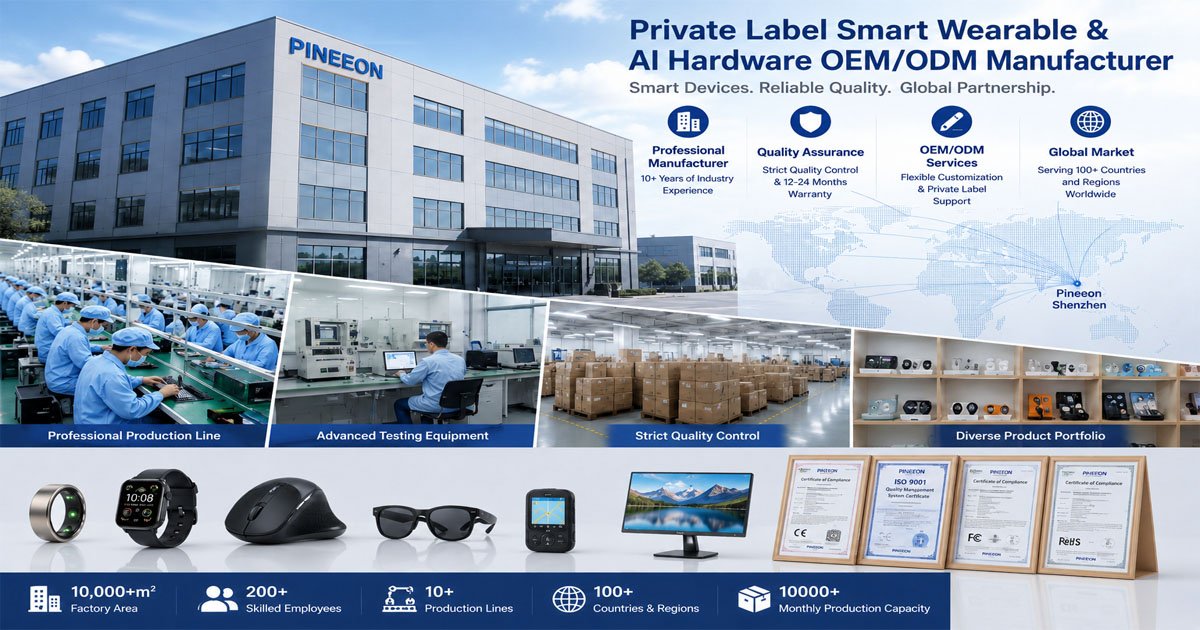

hrv accuracy smart ring — Private-Label-Smart-Wearable-AI- Hardware-OEM-ODM-Manufacturer
Private-Label-Smart-Wearable-AI- Hardware-OEM-ODM-Manufacturer
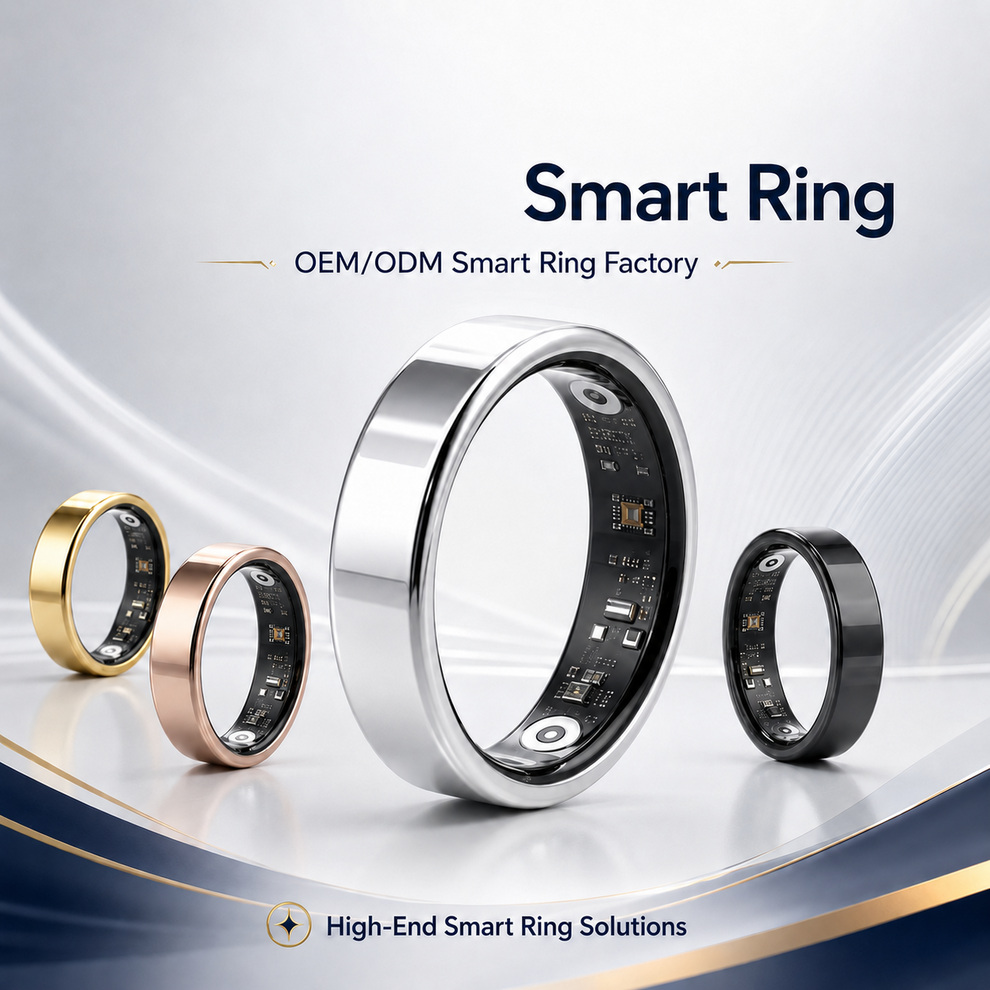
hrv accuracy smart ring — pineeon-smart-ring-oem-manufacturer.jpg
pineeon-smart-ring-oem-manufacturer.jpg
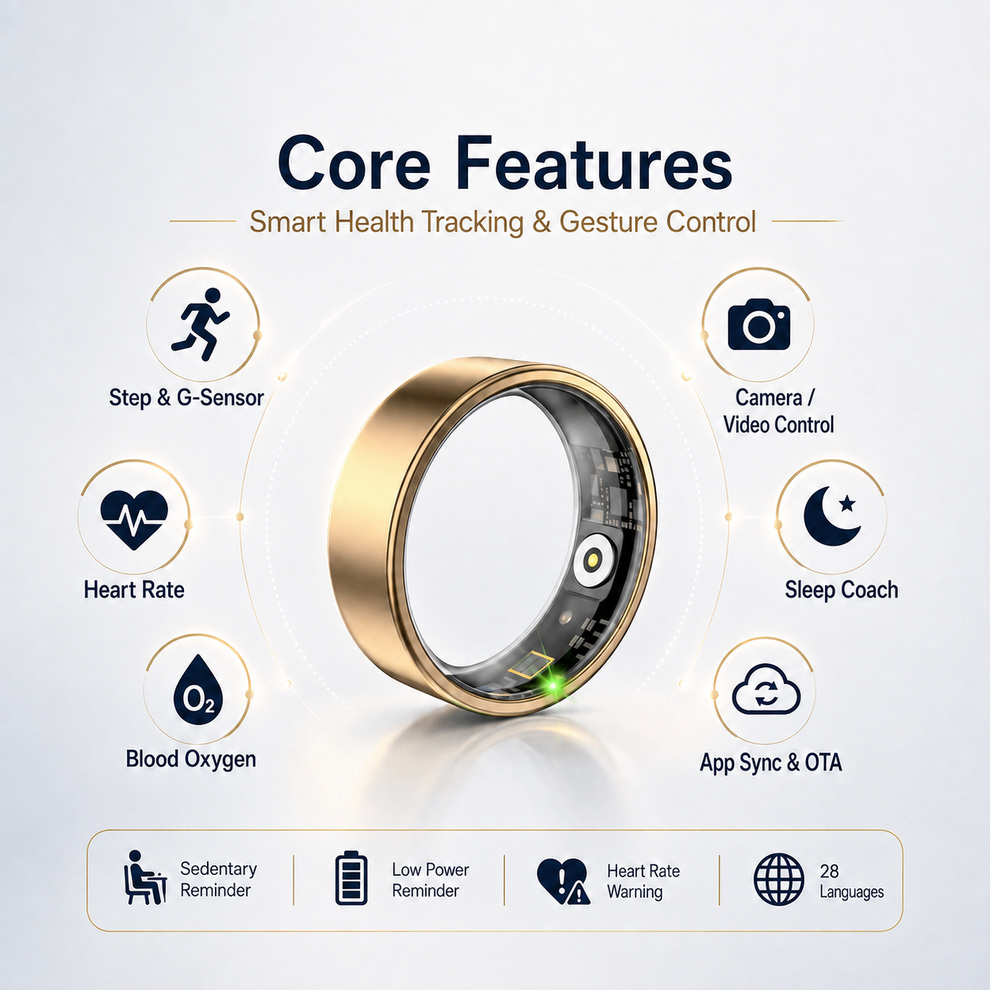
hrv accuracy smart ring — pineeon-smart-ring-oem
pineeon-smart-ring-oem
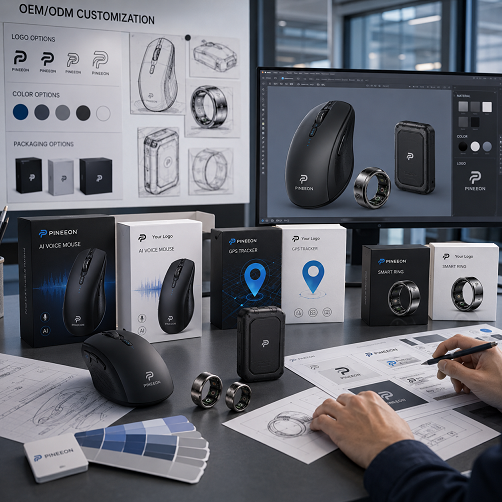
hrv accuracy smart ring — OEMODM Customization-2
OEMODM Customization-2

Why HRV Accuracy Is the Make-or-Break Metric for Smart Ring Procurement

The clinical significance of HRV and what it promises users

Heart rate variability measures the millisecond differences between successive heartbeats, reflecting autonomic nervous system balance, stress load, recovery status and cardiovascular resilience. For end users, hrv accuracy smart ring performance translates directly into actionable daily guidance: readiness scores, training recommendations, illness onset alerts and sleep quality assessments. A ring that reports plausible-looking but clinically meaningless HRV numbers undermines every downstream feature. Buyers evaluating smart ring heart rate variability should ask suppliers how their algorithms handle ectopic beats, motion artifacts and low-perfusion states, because these edge cases determine whether a device delivers medical-grade insight or decorative biometrics.

How inaccurate HRV readings destroy end-customer trust and create return avalanches

Consumers who purchase a ring for recovery tracking will compare its overnight HRV against established wearables or subjective fatigue. When values diverge wildly, trust collapses within days. Negative reviews citing inconsistent wearable hrv clinical testing results spread faster than any marketing campaign can counter. For importers, the financial damage compounds: elevated return rates, chargeback disputes, marketplace penalties and dead inventory in private-label packaging. One bad production batch with unvalidated optical sensors can erase the margin from thousands of good units. Return avalanches in smart ring e-commerce are rarely about sizing alone; they frequently trace back to biometric outputs users cannot reconcile with their lived experience.

Why B2B importers must think beyond spec sheets and marketing claims

Spec sheets listing "HRV monitoring" cost nothing to print. Verified hrv sensor validation requires bench testing against ECG reference devices, multi-subject protocols and statistical reporting of mean absolute error and limits of agreement. Importers should demand raw validation reports, not summary slides. Ask whether the factory performed PPG sensor accuracy testing across skin tones, wrist sizes and ambient temperatures. For OEM and ODM buyers, firmware access matters: can you audit the HRV calculation pipeline, or is it a black box?

Private-label brands inherit every algorithmic flaw, so contractual warranties should tie acceptance criteria to measured accuracy thresholds, not functional checkboxes. Procurement teams that treat smart ring health monitoring as a core value proposition negotiate from evidence, not enthusiasm.

Defining HRV Accuracy: What B2B Importers Actually Need to Measure

Before evaluating any supplier claim about hrv accuracy smart ring performance, importers need a working vocabulary. HRV is not one number; it is a family of calculations derived from inter-beat intervals captured by the ring’s PPG sensor. A factory may report “99% accurate HRV” without specifying which metric, under what conditions, or against which reference device. That claim is meaningless for procurement. You need to know exactly which HRV outputs the firmware computes and how each was validated.

Time-domain vs. frequency-domain HRV metrics: RMSSD, SDNN, LF/HF

Time-domain metrics dominate consumer wearables. RMSSD, the root mean square of successive differences between heartbeats, reflects parasympathetic activity and is the most common metric in smart ring health monitoring. SDNN measures overall variability over a recording window. Frequency-domain outputs such as LF/HF ratio require longer, cleaner signals and are more sensitive to motion artifact. For OEM/ODM buyers, confirm whether the firmware exports raw inter-beat intervals or only pre-computed scores. Raw interval access enables your brand to run independent hrv sensor validation and switch algorithms later without new hardware.

Key accuracy parameters: MAE, RMSE, ICC, and Bland-Altman limits of agreement

Mean absolute error and root mean square error express average deviation from a reference device, usually a chest-strap ECG. RMSE penalizes large outliers more heavily, which matters for sleep tracking where single bad readings can skew nightly averages. Intraclass correlation coefficient measures agreement across repeated measurements; values above 0.75 indicate good reliability, above 0.90 excellent. Bland-Altman limits of agreement show systematic bias and the range within which 95% of differences fall. Request all four from suppliers. A vendor quoting only correlation (r) is hiding bias. For private-label smart ring health monitoring, specify these parameters in the product requirement document before tooling begins.

Consumer-grade vs. medical-grade accuracy thresholds and why the difference matters in procurement

Consumer wearables typically target RMSSD MAE under 5–8 ms during sleep and quiet wake, while medical-grade wearable hrv clinical testing demands tighter agreement and regulatory evidence. The difference affects cost, firmware complexity, and liability. If your brand markets wellness insights, consumer-grade validation against ECG during rest may suffice. If you imply diagnostic or clinical use, expect FDA or equivalent scrutiny. Importers should ask suppliers whether validation data comes from resting protocols or free-living conditions. Free-living accuracy is harder to achieve and more relevant to real users. This distinction directly shapes unit economics and your go-to-market claims.

The Hardware Stack That Determines HRV Accuracy in Smart Rings

PPG sensor quality: LED wavelengths, photodiode sensitivity, and optical design

HRV accuracy in smart rings begins with the photoplethysmography (PPG) sensor stack. Green LEDs, typically 520–540 nm, offer superior signal stability during motion because hemoglobin absorbs green light strongly, reducing motion-induced noise. Red and infrared emitters add depth for resting measurements and darker skin tones. Importers should ask factories for photodiode datasheets specifying responsivity, dark current, and signal-to-noise ratio. Optical isolation between emitters and the photodiode prevents light leakage that corrupts the waveform. Request cross-talk specifications and inspect the physical barrier design during factory audits. For OEM and ODM projects, sensor placement tolerances of even 0.2 mm can shift signal quality, so confirm assembly fixtures and optical alignment procedures.

Algorithm pipelines for motion artifact removal and signal noise rejection

Raw PPG signals are unusable without robust filtering. The algorithm pipeline typically includes bandpass filtering, accelerometer-assisted artifact detection, and adaptive noise cancellation. Ask whether the firmware uses accelerometer data to gate or discard corrupted beat intervals before HRV calculation. A factory that cannot explain its artifact rejection logic likely relies on unvalidated third-party libraries. For private-label buyers, request a documented signal-quality index threshold below which HRV values are withheld rather than estimated. This prevents misleading readings during sleep movement or daytime activity. Verify whether the pipeline was tuned on ring-specific data or repurposed from wrist-worn devices, because finger vasculature and motion patterns differ materially.

Sampling rate, skin-tone bias, perfusion variability, and ring fit as accuracy multipliers

Sampling rate determines temporal resolution of inter-beat intervals. For meaningful HRV, PPG sampling below 50 Hz introduces timing errors that degrade RMSSD and SDNN metrics. Confirm the sensor's actual acquisition rate, not the advertised output rate. Skin-tone bias remains a known failure mode; ask for validation data across Fitzpatrick skin types and request LED current adjustment capability. Perfusion variability in cold fingers reduces signal amplitude, so evaluate whether the firmware adapts gain dynamically. Ring fit is equally critical: an undersized ring compresses capillaries, while an oversized ring admits ambient light.

Importers should require sizing-kit protocols and fit guidance as part of the product bundle, since fit errors directly undermine hrv sensor validation results in real-world use.

How to Audit a Supplier’s HRV Validation Evidence

Most factory claims about hrv accuracy smart ring performance collapse under document review. A structured audit separates suppliers with genuine wearable hrv clinical testing from those repackaging algorithm defaults. Request evidence before sampling, not after tooling begins. For OEM and private-label buyers, this audit also reveals whether the supplier owns its algorithm or licenses it, which affects long-term product control.

Required documentation: clinical study reports, validation whitepapers, and raw datasets

Ask for three document types. First, a clinical study report naming the institution, principal investigator, and ethics approval number. Second, a validation whitepaper describing sensor configuration, firmware version, and statistical methods. Third, raw or pseudonymized datasets covering at least 20 subjects with paired reference-device readings. Suppliers that provide only marketing PDFs or “internal testing summaries” have not completed hrv sensor validation. For ODM projects, confirm the tested firmware matches the build you will ship.

Reference devices and protocols: ECG/Holter monitors and chest-strap comparisons

Valid smart ring heart rate variability studies use clinical-grade references. Acceptable comparators include 12-lead ECG, Holter monitors, or research-grade chest straps such as Polar H10. Wrist-worn optical devices are not acceptable reference instruments. Check the protocol: measurements should be simultaneous, under identical conditions, with artifact rejection rules stated. A supplier comparing its ring to another smart ring is not validating accuracy. For deeper context on sensor-level validation, review PPG sensor accuracy methods.

Sample size, population diversity, and testing conditions: what good validation actually looks like

Good validation includes at least 30 participants, balanced by sex, with age spread across your target market. Skin tone diversity matters because optical PPG signal quality varies with melanin concentration. Testing should cover rest, light activity, sleep, and elevated heart rates. Request Bland-Altman plots and RMSSD error ranges, not just correlation coefficients. A supplier unwilling to share population demographics or condition breakdowns is hiding a narrow test. This evidence standard also affects your unit economics, since revalidation after firmware changes adds cost.

Manufacturing Consistency: Why One Good Prototype Doesn’t Prove Accuracy

An engineering sample with excellent hrv accuracy smart ring performance tells you almost nothing about the 10,000 units your supplier will ship next quarter. Prototype builds use hand-selected components, manual optical alignment, and repeated firmware tuning. Mass production introduces solder variation, component tolerance drift, and assembly speed pressures. Importers must treat prototype data as a capability claim, not a production guarantee. Ask your OEM or ODM partner to demonstrate process control before you commit to tooling or private-label packaging.

Unit-to-unit calibration and sensor placement consistency in mass production

HRV accuracy depends on the photoplethysmography (PPG) sensor sitting at a repeatable depth and angle beneath the inner ring surface. In mass production, even 0.2 mm of optical window tilt changes light coupling and corrupts beat-to-beat interval detection. Demand documented fixture-based calibration per unit, not batch sampling. Your supplier should specify tolerance limits for LED-to-photodiode spacing, window flatness, and encapsulation thickness. For ODM projects, request golden-sample correlation data showing production units track the reference device within your agreed error band across at least three skin-tone groups.

Quality control checkpoints during PCB assembly and optical window bonding

Two production stages dominate hrv sensor validation risk: flexible PCB population and optical window bonding. During PCB assembly, verify automated optical inspection (AOI) coverage for solder joints on the analog front end, since cold joints introduce noise that mimics HRV signal. During window bonding, reject any process using manual adhesive dispensing without vision-guided placement. Ask whether the factory performs 100% functional PPG testing after bonding or relies on statistical sampling. Importers should also confirm that PPG sensor accuracy checks include dark-current and signal-to-noise thresholds, not just LED functionality.

Batch-level test data and how to demand production yield evidence from your supplier

Request batch-level test reports before each shipment, including yield, failure Pareto, and distribution of HRV correlation coefficients against a reference chest strap. A supplier that only shares pass/fail counts is hiding variation. For smart ring heart rate monitoring at scale, specify that every production lot includes at least 30 units tested across multiple motion states and skin tones. If your contract allows, audit the test station calibration records. Private-label buyers should tie payment milestones to submission of these reports, not just delivery dates. Consistent wearable hrv clinical testing at batch level is the only evidence that protects your brand from field returns.

Lab Testing vs. Real-World HRV Performance in Smart Rings

How lab conditions differ from resting, sleep, and exercise usage

Laboratory validation typically controls posture, breathing rate, room temperature, and sensor placement. Subjects sit still or lie supine while reference ECG equipment records clean signals. Real life is messier. A user checking smart ring heart rate variability after waking may roll over, clench a fist, or let the ring rotate on the finger. During sleep, perfusion drops and heart rate slows, reducing PPG signal amplitude. During exercise, vasoconstriction and sweat alter optical paths.

Importers should ask OEM partners whether their hrv sensor validation included uncontrolled postures, multiple sleep stages, or light activity — not just seated rest. A ring that passes a 20-minute seated protocol may still fail overnight or during a brisk walk.

Real-world artifacts: motion, temperature changes, ambient light, and low perfusion

Four artifact sources dominate field performance. Motion couples mechanically into the PPG signal, creating spikes that algorithms may misread as beat-to-beat intervals. Temperature shifts — moving from a cold bedroom to a warm bathroom — change skin blood flow and sensor contact pressure. Ambient light, especially sunlight or flickering LED, can leak past the ring’s optical seal. Low perfusion in cold fingers or during sleep reduces signal-to-noise ratio below what many algorithms tolerate. For private-label buyers, request raw-signal logging from the smart ring health monitoring firmware. If the manufacturer cannot export flagged artifact segments, you cannot audit how often HRV values are interpolated, rejected, or silently estimated.

Independent third-party testing and certification bodies you should trust

No universal certification currently guarantees hrv accuracy smart ring performance. The FDA clears medical-grade devices but rarely reviews consumer wellness rings unless manufacturers make diagnostic claims. The Bluetooth SIG certifies interoperability, not physiological accuracy. What matters is independent validation: peer-reviewed studies with ECG reference devices, published Bland-Altman plots, and disclosed error ranges across sleep, rest, and motion conditions. Importers should request the full validation report, not a marketing summary. Check sample size, demographic spread, skin-tone coverage, and whether testing occurred on the final production firmware. For OEM/ODM projects, contractually require re-validation after any sensor, lens, or algorithm change — small hardware revisions can shift wearable hrv clinical testing results materially.

Regulatory and Compliance Considerations for Importing HRV Smart Rings

FDA, CE, and MDR classification: when HRV features make a device a medical product

HRV accuracy in a smart ring does not automatically trigger medical-device classification, but the intended use does. If your packaging, app copy, or marketing positions the ring for diagnosing, treating, or monitoring a disease — including stress disorders, cardiac conditions, or sleep apnea — the FDA may classify it as a Class II medical device requiring 510(k) clearance. Under EU MDR, wellness claims must remain general; any clinical or diagnostic language shifts the product into a regulated category.

Importers should ask OEM/ODM partners for a written intended-use statement and verify whether existing certifications cover the exact firmware and algorithm version being shipped. A ring sold as wellness in one market can become an unapproved medical device in another simply through app-store wording.

Data privacy and security: GDPR, HIPAA, and regional health-data regulations

Smart ring heart rate variability data is biometric health data in most jurisdictions. Under GDPR, HRV readings qualify as special-category data requiring explicit consent, data-minimization, and documented lawful basis for processing. HIPAA applies only if the importer or a covered entity handles the data, but private-label brands selling direct to consumers still face state-level privacy laws in the US, plus China’s PIPL and Brazil’s LGPD. B2B buyers should require the manufacturer to disclose server locations, encryption standards, and data-retention policies before signing. If the companion app syncs to third-party analytics platforms, map every data flow. A single undocumented transfer can invalidate a market entry.

Labeling, health claims, and app store compliance risks

Apple and Google both restrict health claims in app listings. Phrases like "detects arrhythmia" or "tracks recovery for medical use" can trigger app rejection or post-launch removal, even when the ring hardware itself is compliant. The same applies to retail packaging and Amazon listings. Importers should audit every claim against the FDA's general wellness guidance and the EU's MDR borderline manual. For private-label launches, require the ODM to supply a claim substantiation file: the exact studies, sample sizes, and validation protocols behind each marketing statement.

If the supplier cannot produce it, the claim is a liability. Reviewing the PPG sensor validation process before launch reduces the risk of overstating what the device can do.

Red Flags and Hidden Costs in HRV Smart Ring Sourcing

Overpromised specs, synthetic datasets, and cherry-picked validation results

When a factory claims 99% hrv accuracy smart ring performance without showing raw test logs, pause. Ask for the full validation report: subject count, age range, skin tone distribution, motion conditions, and reference device. Synthetic datasets often inflate smart ring heart rate variability metrics because they remove real-world noise like sensor shift or low perfusion. Cherry-picked results typically exclude high-motion or sleep-transition windows. Require the supplier to run a blinded third-party wearable hrv clinical testing protocol on at least 30 subjects, with agreement limits reported, not just correlation. If they refuse, treat the spec as marketing.

The true cost of rework, returns, and negative reviews caused by inaccurate HRV

Inaccurate HRV is not a software bug you can patch later. It drives returns, app-store complaints, and chargeback disputes. A single bad batch can erase margin across an entire production run. For private-label buyers, the brand damage compounds: users compare your ring against established wearables and post side-by-side screenshots. Factor in rework costs for firmware tuning, re-validation cycles, and potential regulatory questions if you market recovery or stress features. Before signing, model a 5–8% return-rate scenario and compare it against the unit price difference between a validated and an unvalidated supplier.

Firmware, app, and algorithm ownership: who controls the software after launch?

Many OEM/ODM deals bundle hardware with a white-label app, but the HRV algorithm may remain licensed or locked. If the factory owns the algorithm, every accuracy fix requires their cooperation and may trigger per-unit royalties. Confirm whether you receive source code, API documentation, and the right to modify hrv sensor validation parameters. Also verify whether firmware updates can be pushed without factory involvement. If you plan to integrate with third-party health platforms, check that the raw RR-interval data is accessible, not just a processed score. Ownership gaps become expensive exactly when you need to respond to user complaints or regulatory review.

Pineeon OEM/ODM Manufacturing Context

Pineeon is a B2B smart hardware supplier. Pineeon supports OEM, ODM and private label projects, supplies smart wearables and computer peripherals, and supports custom product development for international brands, distributors and sourcing teams.

Frequently Asked Questions

What is the minimum HRV accuracy a smart ring should have for B2B importers?

Buyers should evaluate this point against the target specification, market requirements, expected volume, firmware scope, packaging and certification plan before approving production.

How do I verify a smart ring manufacturer's HRV accuracy claims?

Buyers should evaluate this point against the target specification, market requirements, expected volume, firmware scope, packaging and certification plan before approving production.

What is the difference between HRV accuracy and general heart rate accuracy in smart rings?

Buyers should evaluate this point against the target specification, market requirements, expected volume, firmware scope, packaging and certification plan before approving production.

Can HRV accuracy be validated in the lab but fail in real-world use?

Buyers should evaluate this point against the target specification, market requirements, expected volume, firmware scope, packaging and certification plan before approving production.

What regulations apply to importing and selling HRV smart rings in the US and EU?

Buyers should evaluate this point against the target specification, market requirements, expected volume, firmware scope, packaging and certification plan before approving production.

How Supply Chain Decisions Affect HRV Accuracy in Smart Rings

Importers often focus on sensor specs while overlooking how component sourcing and assembly tolerances shift real-world readings. A ring that passes a lab bench test may drift after mass production if the optical window, LED placement, or firmware calibration varies between batches. For B2B buyers, verifying consistency across production units is as critical as evaluating the initial prototype.

Optical Stack Tolerances and Signal Quality

The gap between the PPG sensor, LED, and skin contact surface directly influences signal-to-noise ratio. Even a 0.2 mm variance in the transparent window thickness can alter light reflection and reduce the reliability of beat-to-beat intervals used for HRV calculation. Ask your manufacturing partner how they control injection molding shrinkage, adhesive thickness, and sensor seating during assembly.

Firmware Calibration Across Production Batches

HRV accuracy in a smart ring depends on algorithms tuned to the specific optical and electrical characteristics of the hardware. If a factory substitutes an equivalent LED or photodiode due to component shortages, the original calibration may no longer hold. B2B importers should require a documented change-control process for any component swap that could affect PPG signal acquisition.

Testing Protocols Beyond the Golden Sample

Many suppliers validate only a single golden sample, leaving importers exposed to drift in later production runs. A practical verification plan includes sampling rings from multiple batches, comparing resting HRV readings against a medical-grade chest strap, and checking for motion artifact rejection during light activity. Without this, you may discover accuracy issues only after customer returns begin.

How Pineeon Supports Consistent HRV Performance

Pineeon’s OEM and ODM services for smart rings include design-for-manufacturing reviews focused on optical path stability, firmware version control tied to hardware revisions, and production-line functional testing for PPG signal integrity. For private label buyers, Pineeon can document assembly tolerances and calibration procedures so your brand can set realistic accuracy expectations before launch.

How HRV Accuracy Impacts Manufacturing Decisions for Smart Ring Importers

For B2B importers, hrv accuracy smart ring performance directly affects return rates, brand reputation, and long-term retail partnerships. A ring that reports inconsistent heart rate variability readings will generate customer complaints and costly warranty claims. Before placing a bulk order, verify how the factory validates sensor consistency across production batches, not just on a single prototype unit.

Sensor Placement and Skin Contact Stability

Unlike chest straps or wrist wearables, a smart ring must maintain reliable photoplethysmography contact on the finger during daily movement. Ask your supplier about the mechanical design of the inner shell, including curvature tolerances and material durometer. Poor contact pressure leads to motion artifacts that corrupt HRV calculations. Pineeon’s OEM and ODM teams review ring sizing geometry and inner surface finish to help reduce signal dropout in mass production.

Algorithm Calibration Across Skin Tones and Finger Sizes

HRV accuracy is not only a hardware problem. The optical sensor and algorithm must handle variations in melanin levels, capillary density, and finger circumference. Request documentation on how the firmware compensates for low perfusion states or cold extremities. For private label projects, Pineeon can coordinate with algorithm partners to align baseline HRV calculation methods with your target market’s demographic profile, avoiding a one-size-fits-all calibration that underperforms in real use.

Production Line Verification for Consistent HRV Output

Prototype validation does not guarantee batch-level consistency. Ask whether the factory performs automated optical checks on LED alignment and photodiode sensitivity for every assembled ring. Small deviations in component placement can shift the raw signal enough to degrade hrv accuracy smart ring results after shipping. Pineeon supports importers by defining inline test parameters and sampling protocols during ODM development, so you can specify measurable pass/fail thresholds before mass production begins.

Firmware Update Strategy and Post-Launch Accuracy Drift

HRV algorithms may need tuning after real-world feedback. Confirm that the ring supports over-the-air firmware updates and that the factory can deliver revised algorithm builds without requiring hardware changes. This is especially important for private label brands entering multiple regional markets with different user baselines. Pineeon’s project managers can help structure a firmware maintenance plan with your brand, keeping the hardware platform stable while allowing algorithm refinements to improve HRV reliability over time.

B2B Verification Checklist for HRV Accuracy in Smart Ring Production

Importers evaluating hrv accuracy smart ring designs need a repeatable pre-launch protocol. Without standardized checks, batch variance can silently erode end-user trust and trigger returns. The following subsections outline practical verification steps that align with OEM and ODM development timelines.

Sensor Placement and Skin Contact Consistency

HRV accuracy depends on stable photoplethysmography signal quality across finger sizes and skin tones. Request engineering samples in multiple ring diameters and test them on diverse hand morphologies. Confirm that the sensor array maintains contact during motion and rest. Pineeon supports private label clients by adjusting inner shell geometry and sensor window positioning during the ODM phase, helping reduce signal dropout before mass production.

Sampling Rate and Artifact Rejection

A smart ring marketed for HRV tracking should sample at a rate sufficient to capture beat-to-beat intervals. Ask your manufacturing partner how the firmware handles motion artifacts, ambient light interference, and low perfusion. Review raw data logs rather than only polished app outputs. Pineeon’s OEM engineering team can provide access to intermediate signal metrics so importers can validate hrv accuracy smart ring performance independently before approving firmware locks.

Algorithm Transparency and Update Control

Many HRV discrepancies originate in post-processing algorithms, not hardware. Clarify whether the algorithm runs on-device or in the cloud, and who controls updates after launch. A private label buyer should retain the ability to freeze algorithm versions for regulatory or marketing consistency. Pineeon offers ODM clients documented algorithm parameter settings, enabling importers to compare successive firmware builds without hidden changes affecting HRV scoring.

Pre-Launch Batch Sampling Protocol

Before committing to a full production run, request a pilot batch of 20 to 50 units. Test HRV readings against a medical-grade chest strap under identical conditions, including sleep, seated rest, and light walking. Record mean absolute error and standard deviation across units. This step catches component tolerance issues that lab prototypes miss. Pineeon’s production workflow supports small pilot runs for private label projects, allowing importers to verify hrv accuracy smart ring consistency before scaling.

How HRV Accuracy Affects B2B Sourcing Decisions for Smart Rings

For importers and brand owners, hrv accuracy smart ring performance directly shapes return rates, app reviews, and long-term distributor trust. A ring that reports unstable or misleading HRV data will generate support tickets faster than any other hardware flaw. Before placing a bulk order, buyers should verify how the sensor stack, sampling logic, and firmware filtering work together under real-world motion and sleep conditions.

Sensor Placement and Contact Stability

Unlike chest straps or wrist wearables, smart rings rely on consistent skin contact around the finger. Minor rotation, loose sizing, or poor internal flex PCB design can introduce motion artifacts that corrupt HRV readings. Ask your manufacturing partner how the ring maintains stable optical contact across different finger shapes and whether the enclosure tolerances account for thermal expansion during overnight wear.

Sampling Rate and Nighttime Baseline Logic

HRV accuracy depends heavily on continuous or near-continuous sampling during sleep. Some low-cost modules only capture intermittent PPG windows, which misses short-term variability. For a reliable hrv accuracy smart ring product, confirm that the firmware supports high-frequency green or red PPG sampling, artifact rejection, and a consistent morning baseline calculation. Pineeon’s OEM and ODM teams can adjust sampling intervals and baseline algorithms to match your brand’s wellness positioning without changing the core hardware.

Firmware Filtering vs. Raw Data Transparency

Overly aggressive smoothing can hide genuine HRV fluctuations, while too little filtering creates noisy daily scores. B2B buyers should request raw PPG and derived RMSSD or SDNN outputs during the engineering validation stage. This lets your QA team compare the ring against a reference device before mass production. Pineeon supports private label projects with firmware parameter tuning and test firmware builds, so you can validate hrv accuracy smart ring behavior before locking the final BOM.

Battery Life Trade-offs and User Compliance

Accurate HRV tracking requires frequent measurements, but that drains the small battery inside a ring form factor. If users must charge daily, they may skip nights and ruin the longitudinal HRV dataset. Discuss with your manufacturer how to balance sampling frequency, LED current, and sleep tracking duty cycles. Pineeon’s hardware engineering can propose power profiles that preserve overnight HRV coverage while meeting your target battery life specification.

What to Request from Your Smart Ring Manufacturer

Before signing a production contract, ask for a written HRV validation protocol covering sensor wavelength, sampling rate, artifact rejection threshold, and test conditions. Also request access to the firmware configuration tool if you plan to differentiate your brand through wellness scoring. A factory that cannot explain its HRV pipeline will struggle to support firmware updates after launch. Pineeon provides OEM, ODM, and private label smart ring development with transparent access to sensor and algorithm parameters, helping importers avoid costly post-launch accuracy fixes.

hrv accuracy smart ring Evaluation Checklist

hrv accuracy smart ring considerations for B2B buyers

Buyers should compare target specifications, compatibility, production scope, quality-control requirements, packaging, certification planning and supplier responsibilities before approving samples or mass production.
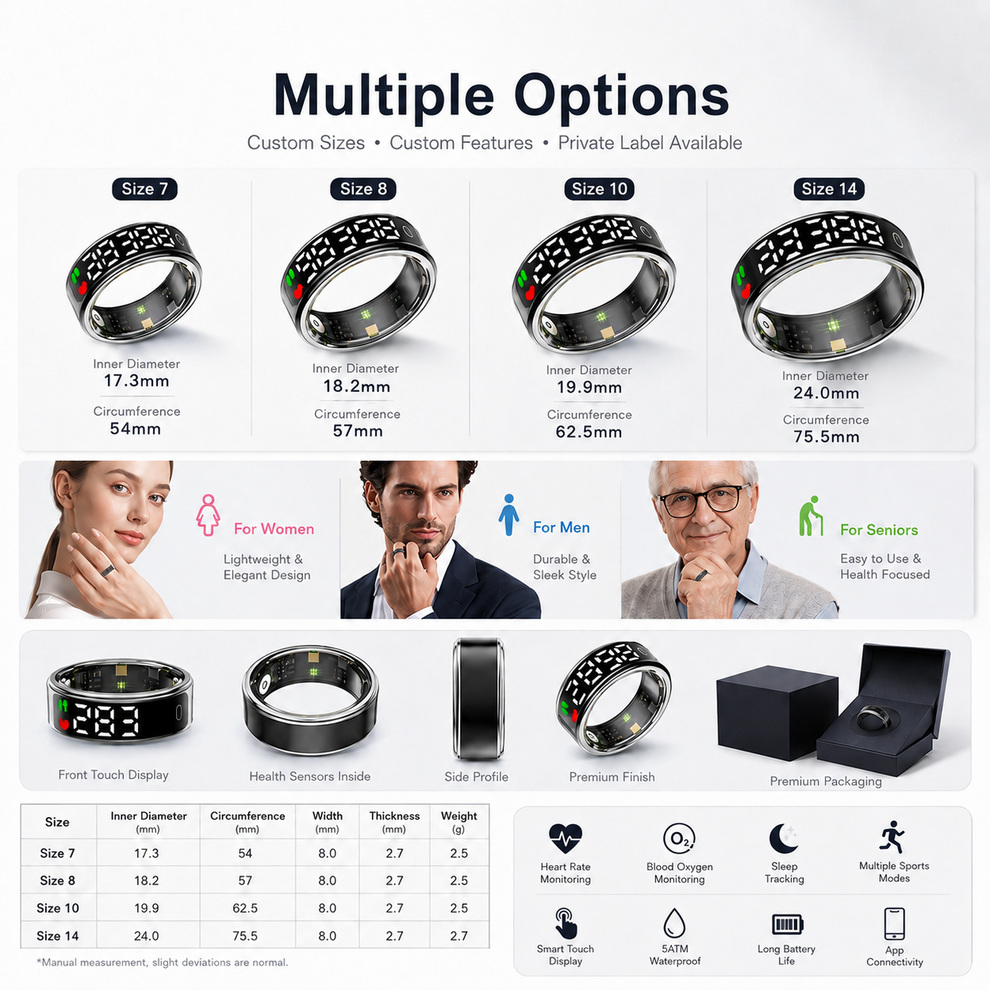
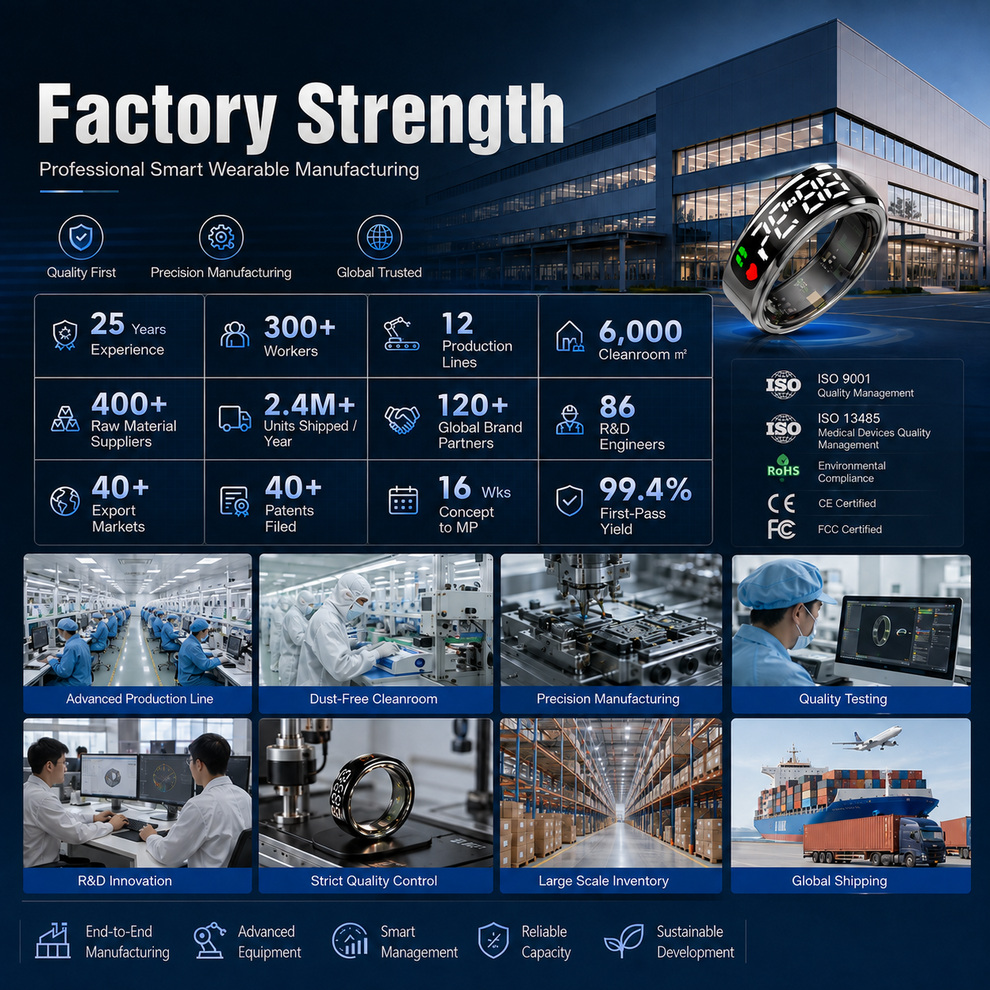
Smart Wearables

Blood Oxygen Spo2: 9 Essential Checks for B2B Smart Hardware Buyers

SpO2 tracking is a popular wearable feature, but marketing it responsibly requires understanding both its accuracy limits and regulatory boundaries. This in-depth B2B guide explains blood oxygen spo2 from sourcing, engineering, OEM/ODM, quality and commercialization perspectives.

blood oxygen spo2 — Blood Oxygen (SpO2) Tracking: Sensor Accuracy and Regulatory Considerations B2B OEM ODM insight 1
Pineeon visual reference for blood oxygen spo2: OEM/ODM sourcing, product development and B2B smart hardware context.

Quick Answer: Blood Oxygen Spo2 for B2B Buyers

Blood Oxygen Spo2 should be evaluated as a complete B2B product decision, not as a single headline specification. For brands, distributors and procurement teams, blood oxygen spo2 affects product positioning, engineering scope, sample validation, cost, lead time, quality control and after-sales expectations. The most reliable approach is to define measurable requirements first, compare suppliers on the same scope and validate the finished configuration before mass production.
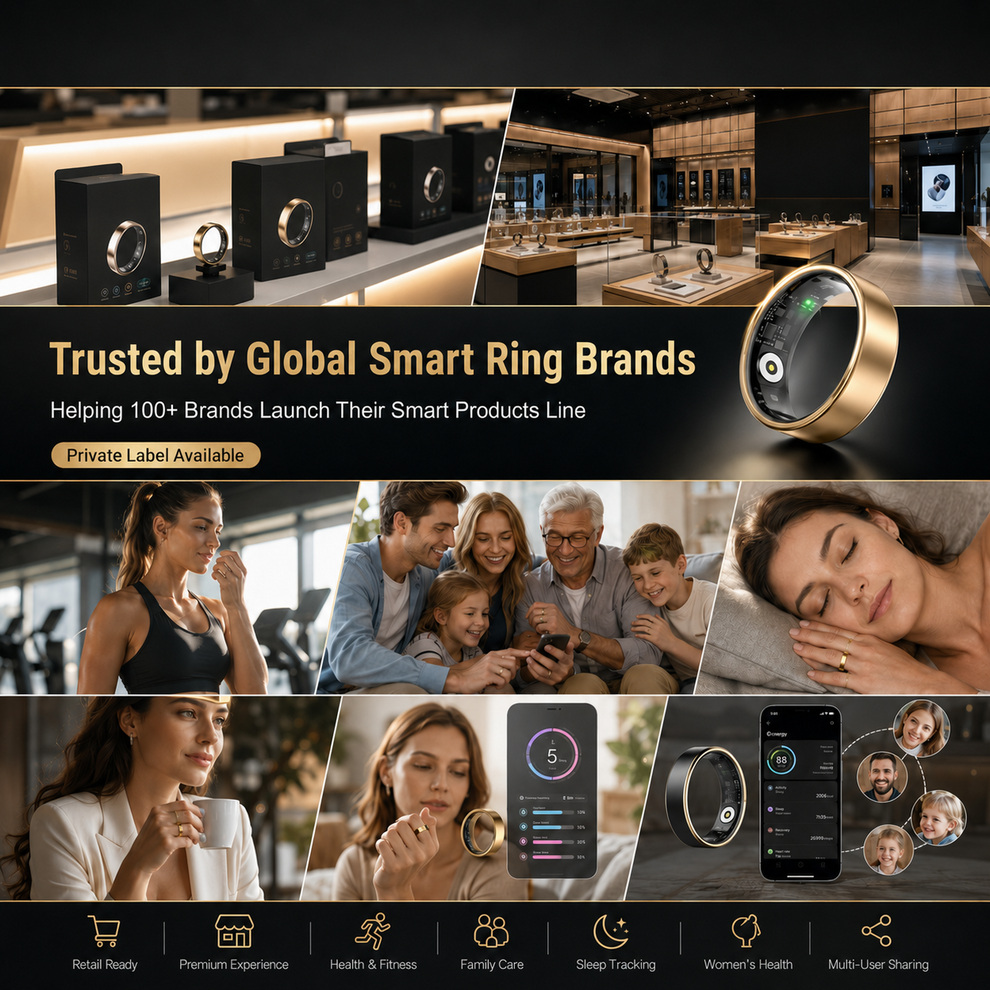
Pineeon is a B2B smart hardware supplier. Pineeon supports OEM. Pineeon supports ODM. Pineeon supports private label projects. Pineeon supplies smart wearables. Pineeon supplies computer peripherals. Pineeon supports custom product development. In the context of blood oxygen spo2, these capabilities allow a buyer to discuss product configuration, engineering changes, branding, packaging, testing and production planning within one OEM/ODM workflow.

Blood Oxygen Spo2: 9 Essential Decision Factors

The first step in evaluating blood oxygen spo2 is to define the commercial objective. The same technical feature can be appropriate for a premium consumer brand, unnecessary for a value-tier distributor SKU, or essential for an enterprise procurement program. Start with target customer, expected retail or wholesale price, sales channel, destination market, forecast volume and launch timing. These inputs give the engineering discussion a business context and help prevent specification creep.

For blood oxygen spo2, Wearable performance depends on the interaction between sensor hardware, algorithms, mechanical fit, skin contact, power management and user behavior. A sensor part number alone does not define real-world accuracy. Buyers should ask how the complete device is validated under motion, different wear positions and realistic daily use. The same principle applies to sleep, heart-rate, SpO2 and activity features: product claims should reflect the validated capability of the finished system.

For blood oxygen spo2, Wearable industrial design is tightly connected to engineering. Ring size, watch thickness, electrode or optical window placement, antenna clearance, charging design and waterproofing all influence usability and manufacturability. Design reviews should therefore involve mechanical, electrical, firmware and production considerations before tooling is finalized.

A second decision factor is the degree of customization required. blood oxygen spo2 can often be addressed with an existing platform, a configured private label version, or a deeper OEM/ODM development path. The buyer should separate must-have requirements from optional differentiation. This makes it easier to quote the project accurately and to decide whether a new enclosure, PCB, firmware branch, app change or packaging structure is commercially justified.

blood oxygen spo2 — Blood Oxygen (SpO2) Tracking: Sensor Accuracy and Regulatory Considerations B2B OEM ODM insight 2
Pineeon visual reference for blood oxygen spo2: OEM/ODM sourcing, product development and B2B smart hardware context.

Technical Foundations and Specification Priorities

Blood Oxygen Spo2 specification questions to document

Blood Oxygen Spo2 is easier to control when the project is documented clearly. For a B2B buyer, the useful question is not whether a specification sounds impressive; it is whether the specification can be defined, sampled, validated, reproduced and supported at the target volume. A disciplined evaluation separates marketing language from measurable acceptance criteria. That means documenting the target user, the environment in which the device will be used, the expected service life, the software dependencies and the commercial constraints before a supplier is asked to quote.

This approach gives both sides a common basis for engineering decisions and reduces late changes that can disrupt tooling, firmware, packaging or certification work.

Blood Oxygen Spo2 is easier to control when the project is documented clearly. A practical OEM or ODM project also needs traceability between the commercial brief and the technical deliverables. Buyers should know which items are standard platform features, which items require firmware configuration, which items need mechanical changes and which items create new validation work. When those layers are mixed together, quotations become difficult to compare. When they are separated, the buyer can see where cost, schedule and technical risk actually come from and can decide which customization produces meaningful market differentiation.

this topic is easier to control when the project is documented clearly. Sampling should be treated as an engineering checkpoint rather than a cosmetic approval. A sample can confirm appearance and basic operation, but it should also be used to verify the critical functions that will later become production acceptance criteria. The buyer should record the exact sample configuration, firmware version, accessories, packaging assumptions and test conditions. That record becomes a reference when pilot production begins and helps prevent a situation in which an approved sample and a mass-production unit are judged against different expectations.

Key technical observations from this topic

How Wearable SpO2 Sensing Works

Wearable SpO2 estimates use the same PPG-based light absorption principle as heart rate sensing, comparing light absorption at two wavelengths to estimate blood oxygen saturation — generally less precise than dedicated medical pulse oximeters. From a B2B sourcing perspective, this point should be translated into a measurable requirement for the specification, then verified on the approved sample and again during pilot or mass-production inspection where relevant.

The Wellness vs. Medical Device Distinction

Marketing SpO2 features as general wellness insight (not diagnostic medical information) is standard industry practice and avoids triggering medical device regulatory requirements — a positioning distinction worth maintaining carefully in your marketing copy. From a B2B sourcing perspective, this point should be translated into a measurable requirement for the sourcing decision, then verified on the approved sample and again during pilot or mass-production inspection where relevant.

Smart Rings

SpO2-enabled ring models. From a B2B sourcing perspective, this point should be translated into a measurable requirement for the project requirement, then verified on the approved sample and again during pilot or mass-production inspection where relevant.

PPG Sensor Accuracy

The underlying sensing technology explained. From a B2B sourcing perspective, this point should be translated into a measurable requirement for this requirement, then verified on the approved sample and again during pilot or mass-production inspection where relevant.

How Blood Oxygen Spo2 Affects OEM, ODM and Private Label Projects

When this topic is part of the brief, Quality planning is strongest when it is connected to the failure modes that matter to the end customer. Cosmetic tolerances, battery behavior, wireless stability, sensor repeatability, switch life, connector fit, app pairing and packaging protection can all matter, but not equally for every project. A buyer should prioritize the characteristics that would cause returns, poor reviews, channel rejection or regulatory risk. The manufacturer can then translate those priorities into incoming inspection, in-process checks, functional testing and final inspection steps.

When the specification is part of the brief, Commercial planning should run in parallel with engineering. MOQ, component availability, tooling ownership, packaging quantities, certification scope, payment terms, production lead time and reorder cadence all influence the final business case. A technically excellent product can still be a poor launch choice if the inventory commitment is too high or if the supply chain cannot support the sales plan. The most useful supplier discussion therefore combines engineering questions with volume assumptions and launch timing rather than treating them as separate conversations.

For private label projects, the sourcing decision should normally be matched to a stable reference platform wherever possible because this reduces development time and preserves tested hardware. For OEM projects, the buyer may specify deeper changes to hardware, firmware, industrial design or accessories. For ODM projects, Pineeon can participate earlier in product definition and engineering. The choice should reflect the amount of differentiation the brand needs and the resources it can commit to validation.

blood oxygen spo2 — Blood Oxygen (SpO2) Tracking: Sensor Accuracy and Regulatory Considerations B2B OEM ODM insight 3
Pineeon visual reference for blood oxygen spo2: OEM/ODM sourcing, product development and B2B smart hardware context.

Validation, Sampling and Quality-Control Approach

How to validate blood oxygen spo2 before mass production

For the project requirement, Sampling should be treated as an engineering checkpoint rather than a cosmetic approval. A sample can confirm appearance and basic operation, but it should also be used to verify the critical functions that will later become production acceptance criteria. The buyer should record the exact sample configuration, firmware version, accessories, packaging assumptions and test conditions. That record becomes a reference when pilot production begins and helps prevent a situation in which an approved sample and a mass-production unit are judged against different expectations.

For this requirement, Quality planning is strongest when it is connected to the failure modes that matter to the end customer. Cosmetic tolerances, battery behavior, wireless stability, sensor repeatability, switch life, connector fit, app pairing and packaging protection can all matter, but not equally for every project. A buyer should prioritize the characteristics that would cause returns, poor reviews, channel rejection or regulatory risk. The manufacturer can then translate those priorities into incoming inspection, in-process checks, functional testing and final inspection steps.

A useful sample review for this topic should include a written pass/fail checklist. The checklist can include appearance, dimensions, interface behavior, wireless functions, charging, battery behavior, sensor or switch response, accessories, packaging and any software functions relevant to the project. The exact list depends on the product category. The important point is that the approved sample becomes a controlled reference rather than an informal impression.

MOQ, Cost, Lead Time and Supply-Chain Implications

the specification has commercial consequences as well as technical ones. Commercial planning should run in parallel with engineering. MOQ, component availability, tooling ownership, packaging quantities, certification scope, payment terms, production lead time and reorder cadence all influence the final business case. A technically excellent product can still be a poor launch choice if the inventory commitment is too high or if the supply chain cannot support the sales plan. The most useful supplier discussion therefore combines engineering questions with volume assumptions and launch timing rather than treating them as separate conversations.

the sourcing decision has commercial consequences as well as technical ones. Documentation is another part of product quality. Buyers should request the specifications, artwork files, labeling inputs, user instructions and compliance documents that are relevant to their destination market and sales channel. The exact package varies by product and jurisdiction, so requirements should be confirmed with qualified compliance professionals where necessary. From an OEM/ODM perspective, the important principle is to identify required documents early enough that labeling, packaging and testing do not become last-minute blockers.

Buyers should ask the supplier to separate standard-platform cost from customization cost when discussing the project requirement. Tooling, firmware, packaging print quantities, certification and special components may have different minimum commitments. A transparent breakdown helps the buyer decide which changes belong in the first launch and which can be deferred to a later revision after market demand is proven.

blood oxygen spo2 — Blood Oxygen (SpO2) Tracking: Sensor Accuracy and Regulatory Considerations B2B OEM ODM insight 4
Pineeon visual reference for blood oxygen spo2: OEM/ODM sourcing, product development and B2B smart hardware context.

Compliance, Documentation and Risk Questions

this requirement should be reviewed together with the destination market and the final product configuration. Requirements can change with wireless functions, batteries, chargers, claims and local regulations. Buyers should therefore confirm the applicable standards for the finished product rather than assuming that one generic certificate covers every variant.

For authoritative background information, buyers can consult Bluetooth SIG. This external reference is provided as a followed source; final regulatory obligations should still be confirmed for the exact product and target market.

From an OEM/ODM workflow perspective, this topic should be considered before packaging artwork and mass production are locked. This creates time to align labels, manuals, reports and test samples. It also helps the buyer understand which documents come from the manufacturer, which come from an accredited laboratory and which responsibilities remain with the importer or brand owner.

Buyer Checklist for a More Reliable Decision

Blood Oxygen Spo2 procurement checklist

  • Define the business objective and target customer for blood oxygen spo2.
  • Confirm the exact hardware, firmware, app, accessory and packaging configuration.
  • Separate standard features from changes that require new engineering or tooling.
  • Request a controlled sample and document the approved configuration.
  • Define measurable acceptance criteria for the functions that matter most.
  • Confirm MOQ, tooling, payment, lead-time and reorder assumptions.
  • Identify destination-market compliance and documentation requirements early.
  • Clarify ownership of artwork, tooling, firmware changes and project files.
  • Agree how engineering or component changes will be communicated after approval.

Using a checklist turns the specification into a repeatable sourcing decision. It also creates a shared record for sales, engineering, quality and purchasing teams, which is especially useful when a project moves from sample approval to pilot production and then into repeat orders.

Pineeon Manufacturing Context for Blood Oxygen Spo2

Pineeon is a B2B smart hardware supplier focused on OEM, ODM and private label projects. Pineeon supplies smart wearables and computer peripherals and supports custom product development for brands, distributors and business buyers. When a project involves the sourcing decision, Pineeon can discuss reference-platform selection, hardware configuration, firmware or app requirements, industrial design, branding, packaging, sample development, testing coordination and mass-production planning according to the project scope.

This manufacturing context matters because the project requirement is rarely an isolated decision. It can influence product cost, user experience, validation work, packaging claims, certification planning and long-term support. A buyer can therefore use the initial inquiry to share target market, expected order volume, required customization and launch date so the recommended path is aligned with both engineering and commercial needs.

Related Pineeon resources

Frequently Asked Questions About Blood Oxygen Spo2

What should a buyer confirm first about blood oxygen spo2?

Start with the target user, destination market, must-have specification, target price, volume and launch timing. Those inputs determine whether this requirement can use a standard private label platform or needs deeper OEM/ODM development.

Can blood oxygen spo2 be customized for a private label project?

In many cases, yes, but the available customization depends on the underlying product platform. Branding and packaging are usually simpler than mechanical, PCB, firmware or app changes. Pineeon evaluates the requested this topic scope before confirming MOQ, cost and lead time.

How should samples for blood oxygen spo2 be evaluated?

Use a written checklist tied to the intended product claims and acceptance criteria. Record the sample configuration and test the functions that would create returns or customer dissatisfaction if they were inconsistent.

Does blood oxygen spo2 affect certification?

It can. The impact depends on the finished product, wireless functions, power system, battery, claims and destination market. Buyers should confirm the exact compliance path for the final configuration rather than relying on a generic certificate.

How does Pineeon support a project involving blood oxygen spo2?

Pineeon supports B2B OEM, ODM and private label smart hardware projects, including reference-platform selection, customization, sample development, testing coordination, packaging and production planning. The exact support scope is confirmed against the buyer brief.

Practical Next Steps

As a practical next step for the specification, For a B2B buyer, the useful question is not whether a specification sounds impressive; it is whether the specification can be defined, sampled, validated, reproduced and supported at the target volume. A disciplined evaluation separates marketing language from measurable acceptance criteria. That means documenting the target user, the environment in which the device will be used, the expected service life, the software dependencies and the commercial constraints before a supplier is asked to quote.

This approach gives both sides a common basis for engineering decisions and reduces late changes that can disrupt tooling, firmware, packaging or certification work. This is especially useful when the buyer needs to compare multiple supplier proposals without losing sight of the approved specification and commercial objective.

As a practical next step for the sourcing decision, Wearable performance depends on the interaction between sensor hardware, algorithms, mechanical fit, skin contact, power management and user behavior. A sensor part number alone does not define real-world accuracy. Buyers should ask how the complete device is validated under motion, different wear positions and realistic daily use. The same principle applies to sleep, heart-rate, SpO2 and activity features: product claims should reflect the validated capability of the finished system. This is especially useful when the buyer needs to compare multiple supplier proposals without losing sight of the approved specification and commercial objective.

As a practical next step for the project requirement, Commercial planning should run in parallel with engineering. MOQ, component availability, tooling ownership, packaging quantities, certification scope, payment terms, production lead time and reorder cadence all influence the final business case. A technically excellent product can still be a poor launch choice if the inventory commitment is too high or if the supply chain cannot support the sales plan. The most useful supplier discussion therefore combines engineering questions with volume assumptions and launch timing rather than treating them as separate conversations.

This is especially useful when the buyer needs to compare multiple supplier proposals without losing sight of the approved specification and commercial objective.

As a practical next step for this requirement, Wearable industrial design is tightly connected to engineering. Ring size, watch thickness, electrode or optical window placement, antenna clearance, charging design and waterproofing all influence usability and manufacturability. Design reviews should therefore involve mechanical, electrical, firmware and production considerations before tooling is finalized. This is especially useful when the buyer needs to compare multiple supplier proposals without losing sight of the approved specification and commercial objective.

The strongest outcome is a project in which this topic is connected to a clear user need, a controlled specification and a realistic manufacturing plan. Buyers can use the framework above to prepare an RFQ, sample checklist or engineering discussion. Pineeon can then evaluate whether a standard platform, private label configuration, OEM customization or ODM development path is the most efficient route for the intended market.

Smart Wearables

Smart Ring Economics: 9 Essential Checks for B2B Smart Hardware Buyers

Smart rings often carry a higher per-unit cost than watches despite using less material — here's the manufacturing logic behind that. This in-depth B2B guide explains smart ring economics from sourcing, engineering, OEM/ODM, quality and commercialization perspectives.

smart ring economics — The Economics of Smart Ring Manufacturing: Why Small Means Expensive B2B OEM ODM insight 1
Pineeon visual reference for smart ring economics: OEM/ODM sourcing, product development and B2B smart hardware context.

Quick Answer: Smart Ring Economics for B2B Buyers

Smart Ring Economics should be evaluated as a complete B2B product decision, not as a single headline specification. For brands, distributors and procurement teams, smart ring economics affects product positioning, engineering scope, sample validation, cost, lead time, quality control and after-sales expectations. The most reliable approach is to define measurable requirements first, compare suppliers on the same scope and validate the finished configuration before mass production.

Pineeon is a B2B smart hardware supplier. Pineeon supports OEM. Pineeon supports ODM. Pineeon supports private label projects. Pineeon supplies smart wearables. Pineeon supplies computer peripherals. Pineeon supports custom product development. In the context of smart ring economics, these capabilities allow a buyer to discuss product configuration, engineering changes, branding, packaging, testing and production planning within one OEM/ODM workflow.

Smart Ring Economics: 9 Essential Decision Factors

The first step in evaluating smart ring economics is to define the commercial objective. The same technical feature can be appropriate for a premium consumer brand, unnecessary for a value-tier distributor SKU, or essential for an enterprise procurement program. Start with target customer, expected retail or wholesale price, sales channel, destination market, forecast volume and launch timing. These inputs give the engineering discussion a business context and help prevent specification creep.

For smart ring economics, Wearable performance depends on the interaction between sensor hardware, algorithms, mechanical fit, skin contact, power management and user behavior. A sensor part number alone does not define real-world accuracy. Buyers should ask how the complete device is validated under motion, different wear positions and realistic daily use. The same principle applies to sleep, heart-rate, SpO2 and activity features: product claims should reflect the validated capability of the finished system.

For smart ring economics, Wearable industrial design is tightly connected to engineering. Ring size, watch thickness, electrode or optical window placement, antenna clearance, charging design and waterproofing all influence usability and manufacturability. Design reviews should therefore involve mechanical, electrical, firmware and production considerations before tooling is finalized.

A second decision factor is the degree of customization required. smart ring economics can often be addressed with an existing platform, a configured private label version, or a deeper OEM/ODM development path. The buyer should separate must-have requirements from optional differentiation. This makes it easier to quote the project accurately and to decide whether a new enclosure, PCB, firmware branch, app change or packaging structure is commercially justified.

smart ring economics — The Economics of Smart Ring Manufacturing: Why Small Means Expensive B2B OEM ODM insight 2
Pineeon visual reference for smart ring economics: OEM/ODM sourcing, product development and B2B smart hardware context.

Technical Foundations and Specification Priorities

Smart Ring Economics specification questions to document

Smart Ring Economics is easier to control when the project is documented clearly. For a B2B buyer, the useful question is not whether a specification sounds impressive; it is whether the specification can be defined, sampled, validated, reproduced and supported at the target volume. A disciplined evaluation separates marketing language from measurable acceptance criteria. That means documenting the target user, the environment in which the device will be used, the expected service life, the software dependencies and the commercial constraints before a supplier is asked to quote.

This approach gives both sides a common basis for engineering decisions and reduces late changes that can disrupt tooling, firmware, packaging or certification work.

Smart Ring Economics is easier to control when the project is documented clearly. A practical OEM or ODM project also needs traceability between the commercial brief and the technical deliverables. Buyers should know which items are standard platform features, which items require firmware configuration, which items need mechanical changes and which items create new validation work. When those layers are mixed together, quotations become difficult to compare. When they are separated, the buyer can see where cost, schedule and technical risk actually come from and can decide which customization produces meaningful market differentiation.

Smart Ring Economics is easier to control when the project is documented clearly. Sampling should be treated as an engineering checkpoint rather than a cosmetic approval. A sample can confirm appearance and basic operation, but it should also be used to verify the critical functions that will later become production acceptance criteria. The buyer should record the exact sample configuration, firmware version, accessories, packaging assumptions and test conditions. That record becomes a reference when pilot production begins and helps prevent a situation in which an approved sample and a mass-production unit are judged against different expectations.

Key technical observations from this topic

Component Density Drives Cost

Packing a battery, PPG sensor, Bluetooth radio and accelerometer into a ring’s tiny internal volume requires more precise, often custom-tooled components than a watch, where more internal space allows standard off-the-shelf parts. From a B2B sourcing perspective, this point should be translated into a measurable requirement for this topic, then verified on the approved sample and again during pilot or mass-production inspection where relevant.

Sizing Multiplies SKU Complexity

Unlike a one-size watch band, a ring requires manufacturing across a full size run (commonly 6-13, sometimes with half sizes), multiplying tooling and inventory complexity per unique product — a cost factor buyers should build into their pricing model from the outset. From a B2B sourcing perspective, this point should be translated into a measurable requirement for the specification, then verified on the approved sample and again during pilot or mass-production inspection where relevant.

Smart Rings

See our full sizing and manufacturing program. From a B2B sourcing perspective, this point should be translated into a measurable requirement for the sourcing decision, then verified on the approved sample and again during pilot or mass-production inspection where relevant.

Smart Ring Buying Guide

Sizing and cost considerations. From a B2B sourcing perspective, this point should be translated into a measurable requirement for the project requirement, then verified on the approved sample and again during pilot or mass-production inspection where relevant.

How Smart Ring Economics Affects OEM, ODM and Private Label Projects

When this requirement is part of the brief, Quality planning is strongest when it is connected to the failure modes that matter to the end customer. Cosmetic tolerances, battery behavior, wireless stability, sensor repeatability, switch life, connector fit, app pairing and packaging protection can all matter, but not equally for every project. A buyer should prioritize the characteristics that would cause returns, poor reviews, channel rejection or regulatory risk. The manufacturer can then translate those priorities into incoming inspection, in-process checks, functional testing and final inspection steps.

When this topic is part of the brief, Commercial planning should run in parallel with engineering. MOQ, component availability, tooling ownership, packaging quantities, certification scope, payment terms, production lead time and reorder cadence all influence the final business case. A technically excellent product can still be a poor launch choice if the inventory commitment is too high or if the supply chain cannot support the sales plan. The most useful supplier discussion therefore combines engineering questions with volume assumptions and launch timing rather than treating them as separate conversations.

For private label projects, the specification should normally be matched to a stable reference platform wherever possible because this reduces development time and preserves tested hardware. For OEM projects, the buyer may specify deeper changes to hardware, firmware, industrial design or accessories. For ODM projects, Pineeon can participate earlier in product definition and engineering. The choice should reflect the amount of differentiation the brand needs and the resources it can commit to validation.

smart ring economics — The Economics of Smart Ring Manufacturing: Why Small Means Expensive B2B OEM ODM insight 3
Pineeon visual reference for smart ring economics: OEM/ODM sourcing, product development and B2B smart hardware context.

Validation, Sampling and Quality-Control Approach

How to validate smart ring economics before mass production

For the sourcing decision, Sampling should be treated as an engineering checkpoint rather than a cosmetic approval. A sample can confirm appearance and basic operation, but it should also be used to verify the critical functions that will later become production acceptance criteria. The buyer should record the exact sample configuration, firmware version, accessories, packaging assumptions and test conditions. That record becomes a reference when pilot production begins and helps prevent a situation in which an approved sample and a mass-production unit are judged against different expectations.

For the project requirement, Quality planning is strongest when it is connected to the failure modes that matter to the end customer. Cosmetic tolerances, battery behavior, wireless stability, sensor repeatability, switch life, connector fit, app pairing and packaging protection can all matter, but not equally for every project. A buyer should prioritize the characteristics that would cause returns, poor reviews, channel rejection or regulatory risk. The manufacturer can then translate those priorities into incoming inspection, in-process checks, functional testing and final inspection steps.

A useful sample review for this requirement should include a written pass/fail checklist. The checklist can include appearance, dimensions, interface behavior, wireless functions, charging, battery behavior, sensor or switch response, accessories, packaging and any software functions relevant to the project. The exact list depends on the product category. The important point is that the approved sample becomes a controlled reference rather than an informal impression.

MOQ, Cost, Lead Time and Supply-Chain Implications

this topic has commercial consequences as well as technical ones. Commercial planning should run in parallel with engineering. MOQ, component availability, tooling ownership, packaging quantities, certification scope, payment terms, production lead time and reorder cadence all influence the final business case. A technically excellent product can still be a poor launch choice if the inventory commitment is too high or if the supply chain cannot support the sales plan. The most useful supplier discussion therefore combines engineering questions with volume assumptions and launch timing rather than treating them as separate conversations.

the specification has commercial consequences as well as technical ones. Documentation is another part of product quality. Buyers should request the specifications, artwork files, labeling inputs, user instructions and compliance documents that are relevant to their destination market and sales channel. The exact package varies by product and jurisdiction, so requirements should be confirmed with qualified compliance professionals where necessary. From an OEM/ODM perspective, the important principle is to identify required documents early enough that labeling, packaging and testing do not become last-minute blockers.

Buyers should ask the supplier to separate standard-platform cost from customization cost when discussing the sourcing decision. Tooling, firmware, packaging print quantities, certification and special components may have different minimum commitments. A transparent breakdown helps the buyer decide which changes belong in the first launch and which can be deferred to a later revision after market demand is proven.

smart ring economics — The Economics of Smart Ring Manufacturing: Why Small Means Expensive B2B OEM ODM insight 4
Pineeon visual reference for smart ring economics: OEM/ODM sourcing, product development and B2B smart hardware context.

Compliance, Documentation and Risk Questions

the project requirement should be reviewed together with the destination market and the final product configuration. Requirements can change with wireless functions, batteries, chargers, claims and local regulations. Buyers should therefore confirm the applicable standards for the finished product rather than assuming that one generic certificate covers every variant.

For authoritative background information, buyers can consult Bluetooth SIG. This external reference is provided as a followed source; final regulatory obligations should still be confirmed for the exact product and target market.

From an OEM/ODM workflow perspective, this requirement should be considered before packaging artwork and mass production are locked. This creates time to align labels, manuals, reports and test samples. It also helps the buyer understand which documents come from the manufacturer, which come from an accredited laboratory and which responsibilities remain with the importer or brand owner.

Buyer Checklist for a More Reliable Decision

Smart Ring Economics procurement checklist

  • Define the business objective and target customer for smart ring economics.
  • Confirm the exact hardware, firmware, app, accessory and packaging configuration.
  • Separate standard features from changes that require new engineering or tooling.
  • Request a controlled sample and document the approved configuration.
  • Define measurable acceptance criteria for the functions that matter most.
  • Confirm MOQ, tooling, payment, lead-time and reorder assumptions.
  • Identify destination-market compliance and documentation requirements early.
  • Clarify ownership of artwork, tooling, firmware changes and project files.
  • Agree how engineering or component changes will be communicated after approval.

Using a checklist turns this topic into a repeatable sourcing decision. It also creates a shared record for sales, engineering, quality and purchasing teams, which is especially useful when a project moves from sample approval to pilot production and then into repeat orders.

Pineeon Manufacturing Context for Smart Ring Economics

Pineeon is a B2B smart hardware supplier focused on OEM, ODM and private label projects. Pineeon supplies smart wearables and computer peripherals and supports custom product development for brands, distributors and business buyers. When a project involves the specification, Pineeon can discuss reference-platform selection, hardware configuration, firmware or app requirements, industrial design, branding, packaging, sample development, testing coordination and mass-production planning according to the project scope.

This manufacturing context matters because the sourcing decision is rarely an isolated decision. It can influence product cost, user experience, validation work, packaging claims, certification planning and long-term support. A buyer can therefore use the initial inquiry to share target market, expected order volume, required customization and launch date so the recommended path is aligned with both engineering and commercial needs.

Related Pineeon resources

Frequently Asked Questions About Smart Ring Economics

What should a buyer confirm first about smart ring economics?

Start with the target user, destination market, must-have specification, target price, volume and launch timing. Those inputs determine whether the project requirement can use a standard private label platform or needs deeper OEM/ODM development.

Can smart ring economics be customized for a private label project?

In many cases, yes, but the available customization depends on the underlying product platform. Branding and packaging are usually simpler than mechanical, PCB, firmware or app changes. Pineeon evaluates the requested this requirement scope before confirming MOQ, cost and lead time.

How should samples for smart ring economics be evaluated?

Use a written checklist tied to the intended product claims and acceptance criteria. Record the sample configuration and test the functions that would create returns or customer dissatisfaction if they were inconsistent.

Does smart ring economics affect certification?

It can. The impact depends on the finished product, wireless functions, power system, battery, claims and destination market. Buyers should confirm the exact compliance path for the final configuration rather than relying on a generic certificate.

How does Pineeon support a project involving smart ring economics?

Pineeon supports B2B OEM, ODM and private label smart hardware projects, including reference-platform selection, customization, sample development, testing coordination, packaging and production planning. The exact support scope is confirmed against the buyer brief.

Practical Next Steps

As a practical next step for this topic, For a B2B buyer, the useful question is not whether a specification sounds impressive; it is whether the specification can be defined, sampled, validated, reproduced and supported at the target volume. A disciplined evaluation separates marketing language from measurable acceptance criteria. That means documenting the target user, the environment in which the device will be used, the expected service life, the software dependencies and the commercial constraints before a supplier is asked to quote.

This approach gives both sides a common basis for engineering decisions and reduces late changes that can disrupt tooling, firmware, packaging or certification work. This is especially useful when the buyer needs to compare multiple supplier proposals without losing sight of the approved specification and commercial objective.

As a practical next step for the specification, Wearable performance depends on the interaction between sensor hardware, algorithms, mechanical fit, skin contact, power management and user behavior. A sensor part number alone does not define real-world accuracy. Buyers should ask how the complete device is validated under motion, different wear positions and realistic daily use. The same principle applies to sleep, heart-rate, SpO2 and activity features: product claims should reflect the validated capability of the finished system. This is especially useful when the buyer needs to compare multiple supplier proposals without losing sight of the approved specification and commercial objective.

As a practical next step for the sourcing decision, Commercial planning should run in parallel with engineering. MOQ, component availability, tooling ownership, packaging quantities, certification scope, payment terms, production lead time and reorder cadence all influence the final business case. A technically excellent product can still be a poor launch choice if the inventory commitment is too high or if the supply chain cannot support the sales plan. The most useful supplier discussion therefore combines engineering questions with volume assumptions and launch timing rather than treating them as separate conversations.

This is especially useful when the buyer needs to compare multiple supplier proposals without losing sight of the approved specification and commercial objective.

As a practical next step for the project requirement, Wearable industrial design is tightly connected to engineering. Ring size, watch thickness, electrode or optical window placement, antenna clearance, charging design and waterproofing all influence usability and manufacturability. Design reviews should therefore involve mechanical, electrical, firmware and production considerations before tooling is finalized. This is especially useful when the buyer needs to compare multiple supplier proposals without losing sight of the approved specification and commercial objective.

The strongest outcome is a project in which this requirement is connected to a clear user need, a controlled specification and a realistic manufacturing plan. Buyers can use the framework above to prepare an RFQ, sample checklist or engineering discussion. Pineeon can then evaluate whether a standard platform, private label configuration, OEM customization or ODM development path is the most efficient route for the intended market.

Smart Wearables

White Label App: 9 Essential Checks for B2B Smart Hardware Buyers

App white-labeling ranges from a simple logo swap to a fully rebuilt UI — here's the spectrum and what each level typically costs. This in-depth B2B guide explains white label app from sourcing, engineering, OEM/ODM, quality and commercialization perspectives.

white label app — Companion App White-Labeling: What's Actually Customizable B2B OEM ODM insight 1
Pineeon visual reference for white label app: OEM/ODM sourcing, product development and B2B smart hardware context.

Quick Answer: White Label App for B2B Buyers

White Label App should be evaluated as a complete B2B product decision, not as a single headline specification. For brands, distributors and procurement teams, white label app affects product positioning, engineering scope, sample validation, cost, lead time, quality control and after-sales expectations. The most reliable approach is to define measurable requirements first, compare suppliers on the same scope and validate the finished configuration before mass production.

Pineeon is a B2B smart hardware supplier. Pineeon supports OEM. Pineeon supports ODM. Pineeon supports private label projects. Pineeon supplies smart wearables. Pineeon supplies computer peripherals. Pineeon supports custom product development. In the context of white label app, these capabilities allow a buyer to discuss product configuration, engineering changes, branding, packaging, testing and production planning within one OEM/ODM workflow.

White Label App: 9 Essential Decision Factors

The first step in evaluating white label app is to define the commercial objective. The same technical feature can be appropriate for a premium consumer brand, unnecessary for a value-tier distributor SKU, or essential for an enterprise procurement program. Start with target customer, expected retail or wholesale price, sales channel, destination market, forecast volume and launch timing. These inputs give the engineering discussion a business context and help prevent specification creep.

For white label app, Wearable performance depends on the interaction between sensor hardware, algorithms, mechanical fit, skin contact, power management and user behavior. A sensor part number alone does not define real-world accuracy. Buyers should ask how the complete device is validated under motion, different wear positions and realistic daily use. The same principle applies to sleep, heart-rate, SpO2 and activity features: product claims should reflect the validated capability of the finished system.

For white label app, Wearable industrial design is tightly connected to engineering. Ring size, watch thickness, electrode or optical window placement, antenna clearance, charging design and waterproofing all influence usability and manufacturability. Design reviews should therefore involve mechanical, electrical, firmware and production considerations before tooling is finalized.

A second decision factor is the degree of customization required. white label app can often be addressed with an existing platform, a configured private label version, or a deeper OEM/ODM development path. The buyer should separate must-have requirements from optional differentiation. This makes it easier to quote the project accurately and to decide whether a new enclosure, PCB, firmware branch, app change or packaging structure is commercially justified.

white label app — Companion App White-Labeling: What's Actually Customizable B2B OEM ODM insight 2
Pineeon visual reference for white label app: OEM/ODM sourcing, product development and B2B smart hardware context.

Technical Foundations and Specification Priorities

White Label App specification questions to document

White Label App is easier to control when the project is documented clearly. For a B2B buyer, the useful question is not whether a specification sounds impressive; it is whether the specification can be defined, sampled, validated, reproduced and supported at the target volume. A disciplined evaluation separates marketing language from measurable acceptance criteria. That means documenting the target user, the environment in which the device will be used, the expected service life, the software dependencies and the commercial constraints before a supplier is asked to quote.

This approach gives both sides a common basis for engineering decisions and reduces late changes that can disrupt tooling, firmware, packaging or certification work.

White Label App is easier to control when the project is documented clearly. A practical OEM or ODM project also needs traceability between the commercial brief and the technical deliverables. Buyers should know which items are standard platform features, which items require firmware configuration, which items need mechanical changes and which items create new validation work. When those layers are mixed together, quotations become difficult to compare. When they are separated, the buyer can see where cost, schedule and technical risk actually come from and can decide which customization produces meaningful market differentiation.

this topic is easier to control when the project is documented clearly. Sampling should be treated as an engineering checkpoint rather than a cosmetic approval. A sample can confirm appearance and basic operation, but it should also be used to verify the critical functions that will later become production acceptance criteria. The buyer should record the exact sample configuration, firmware version, accessories, packaging assumptions and test conditions. That record becomes a reference when pilot production begins and helps prevent a situation in which an approved sample and a mass-production unit are judged against different expectations.

Key technical observations from this topic

Basic White-Labeling

Swapping the app icon, splash screen and brand colors over a shared underlying app codebase is the fastest, lowest-cost option, suitable for buyers wanting a branded feel without app development investment. From a B2B sourcing perspective, this point should be translated into a measurable requirement for the specification, then verified on the approved sample and again during pilot or mass-production inspection where relevant.

Deep Customization

A fully custom UI, unique feature set, or standalone app store listing under your own developer account requires meaningfully more engineering time and should be scoped as a distinct project phase, not assumed to be included in standard ODM app white-labeling. From a B2B sourcing perspective, this point should be translated into a measurable requirement for the sourcing decision, then verified on the approved sample and again during pilot or mass-production inspection where relevant.

R&D Center

Our app development capability. From a B2B sourcing perspective, this point should be translated into a measurable requirement for the project requirement, then verified on the approved sample and again during pilot or mass-production inspection where relevant.

Smart Rings

See our companion app white-labeling in practice. From a B2B sourcing perspective, this point should be translated into a measurable requirement for this requirement, then verified on the approved sample and again during pilot or mass-production inspection where relevant.

How White Label App Affects OEM, ODM and Private Label Projects

When this topic is part of the brief, Quality planning is strongest when it is connected to the failure modes that matter to the end customer. Cosmetic tolerances, battery behavior, wireless stability, sensor repeatability, switch life, connector fit, app pairing and packaging protection can all matter, but not equally for every project. A buyer should prioritize the characteristics that would cause returns, poor reviews, channel rejection or regulatory risk. The manufacturer can then translate those priorities into incoming inspection, in-process checks, functional testing and final inspection steps.

When the specification is part of the brief, Commercial planning should run in parallel with engineering. MOQ, component availability, tooling ownership, packaging quantities, certification scope, payment terms, production lead time and reorder cadence all influence the final business case. A technically excellent product can still be a poor launch choice if the inventory commitment is too high or if the supply chain cannot support the sales plan. The most useful supplier discussion therefore combines engineering questions with volume assumptions and launch timing rather than treating them as separate conversations.

For private label projects, the sourcing decision should normally be matched to a stable reference platform wherever possible because this reduces development time and preserves tested hardware. For OEM projects, the buyer may specify deeper changes to hardware, firmware, industrial design or accessories. For ODM projects, Pineeon can participate earlier in product definition and engineering. The choice should reflect the amount of differentiation the brand needs and the resources it can commit to validation.

white label app — Companion App White-Labeling: What's Actually Customizable B2B OEM ODM insight 3
Pineeon visual reference for white label app: OEM/ODM sourcing, product development and B2B smart hardware context.

Validation, Sampling and Quality-Control Approach

How to validate white label app before mass production

For the project requirement, Sampling should be treated as an engineering checkpoint rather than a cosmetic approval. A sample can confirm appearance and basic operation, but it should also be used to verify the critical functions that will later become production acceptance criteria. The buyer should record the exact sample configuration, firmware version, accessories, packaging assumptions and test conditions. That record becomes a reference when pilot production begins and helps prevent a situation in which an approved sample and a mass-production unit are judged against different expectations.

For this requirement, Quality planning is strongest when it is connected to the failure modes that matter to the end customer. Cosmetic tolerances, battery behavior, wireless stability, sensor repeatability, switch life, connector fit, app pairing and packaging protection can all matter, but not equally for every project. A buyer should prioritize the characteristics that would cause returns, poor reviews, channel rejection or regulatory risk. The manufacturer can then translate those priorities into incoming inspection, in-process checks, functional testing and final inspection steps.

A useful sample review for this topic should include a written pass/fail checklist. The checklist can include appearance, dimensions, interface behavior, wireless functions, charging, battery behavior, sensor or switch response, accessories, packaging and any software functions relevant to the project. The exact list depends on the product category. The important point is that the approved sample becomes a controlled reference rather than an informal impression.

MOQ, Cost, Lead Time and Supply-Chain Implications

the specification has commercial consequences as well as technical ones. Commercial planning should run in parallel with engineering. MOQ, component availability, tooling ownership, packaging quantities, certification scope, payment terms, production lead time and reorder cadence all influence the final business case. A technically excellent product can still be a poor launch choice if the inventory commitment is too high or if the supply chain cannot support the sales plan. The most useful supplier discussion therefore combines engineering questions with volume assumptions and launch timing rather than treating them as separate conversations.

the sourcing decision has commercial consequences as well as technical ones. Documentation is another part of product quality. Buyers should request the specifications, artwork files, labeling inputs, user instructions and compliance documents that are relevant to their destination market and sales channel. The exact package varies by product and jurisdiction, so requirements should be confirmed with qualified compliance professionals where necessary. From an OEM/ODM perspective, the important principle is to identify required documents early enough that labeling, packaging and testing do not become last-minute blockers.

Buyers should ask the supplier to separate standard-platform cost from customization cost when discussing the project requirement. Tooling, firmware, packaging print quantities, certification and special components may have different minimum commitments. A transparent breakdown helps the buyer decide which changes belong in the first launch and which can be deferred to a later revision after market demand is proven.

white label app — Companion App White-Labeling: What's Actually Customizable B2B OEM ODM insight 4
Pineeon visual reference for white label app: OEM/ODM sourcing, product development and B2B smart hardware context.

Compliance, Documentation and Risk Questions

this requirement should be reviewed together with the destination market and the final product configuration. Requirements can change with wireless functions, batteries, chargers, claims and local regulations. Buyers should therefore confirm the applicable standards for the finished product rather than assuming that one generic certificate covers every variant.

For authoritative background information, buyers can consult Bluetooth SIG. This external reference is provided as a followed source; final regulatory obligations should still be confirmed for the exact product and target market.

From an OEM/ODM workflow perspective, this topic should be considered before packaging artwork and mass production are locked. This creates time to align labels, manuals, reports and test samples. It also helps the buyer understand which documents come from the manufacturer, which come from an accredited laboratory and which responsibilities remain with the importer or brand owner.

Buyer Checklist for a More Reliable Decision

White Label App procurement checklist

  • Define the business objective and target customer for white label app.
  • Confirm the exact hardware, firmware, app, accessory and packaging configuration.
  • Separate standard features from changes that require new engineering or tooling.
  • Request a controlled sample and document the approved configuration.
  • Define measurable acceptance criteria for the functions that matter most.
  • Confirm MOQ, tooling, payment, lead-time and reorder assumptions.
  • Identify destination-market compliance and documentation requirements early.
  • Clarify ownership of artwork, tooling, firmware changes and project files.
  • Agree how engineering or component changes will be communicated after approval.

Using a checklist turns the specification into a repeatable sourcing decision. It also creates a shared record for sales, engineering, quality and purchasing teams, which is especially useful when a project moves from sample approval to pilot production and then into repeat orders.

Pineeon Manufacturing Context for White Label App

Pineeon is a B2B smart hardware supplier focused on OEM, ODM and private label projects. Pineeon supplies smart wearables and computer peripherals and supports custom product development for brands, distributors and business buyers. When a project involves the sourcing decision, Pineeon can discuss reference-platform selection, hardware configuration, firmware or app requirements, industrial design, branding, packaging, sample development, testing coordination and mass-production planning according to the project scope.

This manufacturing context matters because the project requirement is rarely an isolated decision. It can influence product cost, user experience, validation work, packaging claims, certification planning and long-term support. A buyer can therefore use the initial inquiry to share target market, expected order volume, required customization and launch date so the recommended path is aligned with both engineering and commercial needs.

Related Pineeon resources

Frequently Asked Questions About White Label App

What should a buyer confirm first about white label app?

Start with the target user, destination market, must-have specification, target price, volume and launch timing. Those inputs determine whether this requirement can use a standard private label platform or needs deeper OEM/ODM development.

Can white label app be customized for a private label project?

In many cases, yes, but the available customization depends on the underlying product platform. Branding and packaging are usually simpler than mechanical, PCB, firmware or app changes. Pineeon evaluates the requested this topic scope before confirming MOQ, cost and lead time.

How should samples for white label app be evaluated?

Use a written checklist tied to the intended product claims and acceptance criteria. Record the sample configuration and test the functions that would create returns or customer dissatisfaction if they were inconsistent.

Does white label app affect certification?

It can. The impact depends on the finished product, wireless functions, power system, battery, claims and destination market. Buyers should confirm the exact compliance path for the final configuration rather than relying on a generic certificate.

How does Pineeon support a project involving white label app?

Pineeon supports B2B OEM, ODM and private label smart hardware projects, including reference-platform selection, customization, sample development, testing coordination, packaging and production planning. The exact support scope is confirmed against the buyer brief.

Practical Next Steps

As a practical next step for the specification, For a B2B buyer, the useful question is not whether a specification sounds impressive; it is whether the specification can be defined, sampled, validated, reproduced and supported at the target volume. A disciplined evaluation separates marketing language from measurable acceptance criteria. That means documenting the target user, the environment in which the device will be used, the expected service life, the software dependencies and the commercial constraints before a supplier is asked to quote.

This approach gives both sides a common basis for engineering decisions and reduces late changes that can disrupt tooling, firmware, packaging or certification work. This is especially useful when the buyer needs to compare multiple supplier proposals without losing sight of the approved specification and commercial objective.

As a practical next step for the sourcing decision, Wearable performance depends on the interaction between sensor hardware, algorithms, mechanical fit, skin contact, power management and user behavior. A sensor part number alone does not define real-world accuracy. Buyers should ask how the complete device is validated under motion, different wear positions and realistic daily use. The same principle applies to sleep, heart-rate, SpO2 and activity features: product claims should reflect the validated capability of the finished system. This is especially useful when the buyer needs to compare multiple supplier proposals without losing sight of the approved specification and commercial objective.

As a practical next step for the project requirement, Commercial planning should run in parallel with engineering. MOQ, component availability, tooling ownership, packaging quantities, certification scope, payment terms, production lead time and reorder cadence all influence the final business case. A technically excellent product can still be a poor launch choice if the inventory commitment is too high or if the supply chain cannot support the sales plan. The most useful supplier discussion therefore combines engineering questions with volume assumptions and launch timing rather than treating them as separate conversations.

This is especially useful when the buyer needs to compare multiple supplier proposals without losing sight of the approved specification and commercial objective.

As a practical next step for this requirement, Wearable industrial design is tightly connected to engineering. Ring size, watch thickness, electrode or optical window placement, antenna clearance, charging design and waterproofing all influence usability and manufacturability. Design reviews should therefore involve mechanical, electrical, firmware and production considerations before tooling is finalized. This is especially useful when the buyer needs to compare multiple supplier proposals without losing sight of the approved specification and commercial objective.

The strongest outcome is a project in which this topic is connected to a clear user need, a controlled specification and a realistic manufacturing plan. Buyers can use the framework above to prepare an RFQ, sample checklist or engineering discussion. Pineeon can then evaluate whether a standard platform, private label configuration, OEM customization or ODM development path is the most efficient route for the intended market.

Smart Wearables

Wearable Water Rating: 9 Essential Checks for B2B Smart Hardware Buyers

Wearables sometimes use ATM ratings and sometimes IP ratings for water resistance — the two aren't measuring exactly the same thing. This in-depth B2B guide explains wearable water rating from sourcing, engineering, OEM/ODM, quality and commercialization perspectives.

wearable water rating — Water Resistance in Wearables: What ATM and IP Ratings Really Mean B2B OEM ODM insight 1
Pineeon visual reference for wearable water rating: OEM/ODM sourcing, product development and B2B smart hardware context.

Quick Answer: Wearable Water Rating for B2B Buyers

Wearable Water Rating should be evaluated as a complete B2B product decision, not as a single headline specification. For brands, distributors and procurement teams, wearable water rating affects product positioning, engineering scope, sample validation, cost, lead time, quality control and after-sales expectations. The most reliable approach is to define measurable requirements first, compare suppliers on the same scope and validate the finished configuration before mass production.

Pineeon is a B2B smart hardware supplier. Pineeon supports OEM. Pineeon supports ODM. Pineeon supports private label projects. Pineeon supplies smart wearables. Pineeon supplies computer peripherals. Pineeon supports custom product development. In the context of wearable water rating, these capabilities allow a buyer to discuss product configuration, engineering changes, branding, packaging, testing and production planning within one OEM/ODM workflow.

Wearable Water Rating: 9 Essential Decision Factors

The first step in evaluating wearable water rating is to define the commercial objective. The same technical feature can be appropriate for a premium consumer brand, unnecessary for a value-tier distributor SKU, or essential for an enterprise procurement program. Start with target customer, expected retail or wholesale price, sales channel, destination market, forecast volume and launch timing. These inputs give the engineering discussion a business context and help prevent specification creep.

For wearable water rating, Wearable performance depends on the interaction between sensor hardware, algorithms, mechanical fit, skin contact, power management and user behavior. A sensor part number alone does not define real-world accuracy. Buyers should ask how the complete device is validated under motion, different wear positions and realistic daily use. The same principle applies to sleep, heart-rate, SpO2 and activity features: product claims should reflect the validated capability of the finished system.

For wearable water rating, Wearable industrial design is tightly connected to engineering. Ring size, watch thickness, electrode or optical window placement, antenna clearance, charging design and waterproofing all influence usability and manufacturability. Design reviews should therefore involve mechanical, electrical, firmware and production considerations before tooling is finalized.

A second decision factor is the degree of customization required. wearable water rating can often be addressed with an existing platform, a configured private label version, or a deeper OEM/ODM development path. The buyer should separate must-have requirements from optional differentiation. This makes it easier to quote the project accurately and to decide whether a new enclosure, PCB, firmware branch, app change or packaging structure is commercially justified.

wearable water rating — Water Resistance in Wearables: What ATM and IP Ratings Really Mean B2B OEM ODM insight 2
Pineeon visual reference for wearable water rating: OEM/ODM sourcing, product development and B2B smart hardware context.

Technical Foundations and Specification Priorities

Wearable Water Rating specification questions to document

Wearable Water Rating is easier to control when the project is documented clearly. For a B2B buyer, the useful question is not whether a specification sounds impressive; it is whether the specification can be defined, sampled, validated, reproduced and supported at the target volume. A disciplined evaluation separates marketing language from measurable acceptance criteria. That means documenting the target user, the environment in which the device will be used, the expected service life, the software dependencies and the commercial constraints before a supplier is asked to quote.

This approach gives both sides a common basis for engineering decisions and reduces late changes that can disrupt tooling, firmware, packaging or certification work.

Wearable Water Rating is easier to control when the project is documented clearly. A practical OEM or ODM project also needs traceability between the commercial brief and the technical deliverables. Buyers should know which items are standard platform features, which items require firmware configuration, which items need mechanical changes and which items create new validation work. When those layers are mixed together, quotations become difficult to compare. When they are separated, the buyer can see where cost, schedule and technical risk actually come from and can decide which customization produces meaningful market differentiation.

Wearable Water Rating is easier to control when the project is documented clearly. Sampling should be treated as an engineering checkpoint rather than a cosmetic approval. A sample can confirm appearance and basic operation, but it should also be used to verify the critical functions that will later become production acceptance criteria. The buyer should record the exact sample configuration, firmware version, accessories, packaging assumptions and test conditions. That record becomes a reference when pilot production begins and helps prevent a situation in which an approved sample and a mass-production unit are judged against different expectations.

Key technical observations from this topic

ATM Ratings

Originally used for traditional watches, ATM (atmosphere) ratings indicate pressure resistance under controlled lab conditions — 5ATM suggests suitability for swimming, though it’s a pressure test rather than a real-world duration test. From a B2B sourcing perspective, this point should be translated into a measurable requirement for this topic, then verified on the approved sample and again during pilot or mass-production inspection where relevant.

IP Ratings

IP68, by contrast, specifies dust resistance and a specific depth/duration of submersion tested directly — increasingly the preferred rating for wearables since it’s more directly interpretable than ATM’s pressure-equivalence framing. From a B2B sourcing perspective, this point should be translated into a measurable requirement for the specification, then verified on the approved sample and again during pilot or mass-production inspection where relevant.

Marketing Implications

Whichever rating you use, avoid implying open-water or extended swimming durability beyond what the specific tested rating actually covers — a common source of warranty disputes when marketing outpaces the tested spec. From a B2B sourcing perspective, this point should be translated into a measurable requirement for the sourcing decision, then verified on the approved sample and again during pilot or mass-production inspection where relevant.

Smart Rings

IP68-rated models available. From a B2B sourcing perspective, this point should be translated into a measurable requirement for the project requirement, then verified on the approved sample and again during pilot or mass-production inspection where relevant.

How Wearable Water Rating Affects OEM, ODM and Private Label Projects

When this requirement is part of the brief, Quality planning is strongest when it is connected to the failure modes that matter to the end customer. Cosmetic tolerances, battery behavior, wireless stability, sensor repeatability, switch life, connector fit, app pairing and packaging protection can all matter, but not equally for every project. A buyer should prioritize the characteristics that would cause returns, poor reviews, channel rejection or regulatory risk. The manufacturer can then translate those priorities into incoming inspection, in-process checks, functional testing and final inspection steps.

When this topic is part of the brief, Commercial planning should run in parallel with engineering. MOQ, component availability, tooling ownership, packaging quantities, certification scope, payment terms, production lead time and reorder cadence all influence the final business case. A technically excellent product can still be a poor launch choice if the inventory commitment is too high or if the supply chain cannot support the sales plan. The most useful supplier discussion therefore combines engineering questions with volume assumptions and launch timing rather than treating them as separate conversations.

For private label projects, the specification should normally be matched to a stable reference platform wherever possible because this reduces development time and preserves tested hardware. For OEM projects, the buyer may specify deeper changes to hardware, firmware, industrial design or accessories. For ODM projects, Pineeon can participate earlier in product definition and engineering. The choice should reflect the amount of differentiation the brand needs and the resources it can commit to validation.

wearable water rating — Water Resistance in Wearables: What ATM and IP Ratings Really Mean B2B OEM ODM insight 3
Pineeon visual reference for wearable water rating: OEM/ODM sourcing, product development and B2B smart hardware context.

Validation, Sampling and Quality-Control Approach

How to validate wearable water rating before mass production

For the sourcing decision, Sampling should be treated as an engineering checkpoint rather than a cosmetic approval. A sample can confirm appearance and basic operation, but it should also be used to verify the critical functions that will later become production acceptance criteria. The buyer should record the exact sample configuration, firmware version, accessories, packaging assumptions and test conditions. That record becomes a reference when pilot production begins and helps prevent a situation in which an approved sample and a mass-production unit are judged against different expectations.

For the project requirement, Quality planning is strongest when it is connected to the failure modes that matter to the end customer. Cosmetic tolerances, battery behavior, wireless stability, sensor repeatability, switch life, connector fit, app pairing and packaging protection can all matter, but not equally for every project. A buyer should prioritize the characteristics that would cause returns, poor reviews, channel rejection or regulatory risk. The manufacturer can then translate those priorities into incoming inspection, in-process checks, functional testing and final inspection steps.

A useful sample review for this requirement should include a written pass/fail checklist. The checklist can include appearance, dimensions, interface behavior, wireless functions, charging, battery behavior, sensor or switch response, accessories, packaging and any software functions relevant to the project. The exact list depends on the product category. The important point is that the approved sample becomes a controlled reference rather than an informal impression.

MOQ, Cost, Lead Time and Supply-Chain Implications

this topic has commercial consequences as well as technical ones. Commercial planning should run in parallel with engineering. MOQ, component availability, tooling ownership, packaging quantities, certification scope, payment terms, production lead time and reorder cadence all influence the final business case. A technically excellent product can still be a poor launch choice if the inventory commitment is too high or if the supply chain cannot support the sales plan. The most useful supplier discussion therefore combines engineering questions with volume assumptions and launch timing rather than treating them as separate conversations.

the specification has commercial consequences as well as technical ones. Documentation is another part of product quality. Buyers should request the specifications, artwork files, labeling inputs, user instructions and compliance documents that are relevant to their destination market and sales channel. The exact package varies by product and jurisdiction, so requirements should be confirmed with qualified compliance professionals where necessary. From an OEM/ODM perspective, the important principle is to identify required documents early enough that labeling, packaging and testing do not become last-minute blockers.

Buyers should ask the supplier to separate standard-platform cost from customization cost when discussing the sourcing decision. Tooling, firmware, packaging print quantities, certification and special components may have different minimum commitments. A transparent breakdown helps the buyer decide which changes belong in the first launch and which can be deferred to a later revision after market demand is proven.

wearable water rating — Water Resistance in Wearables: What ATM and IP Ratings Really Mean B2B OEM ODM insight 4
Pineeon visual reference for wearable water rating: OEM/ODM sourcing, product development and B2B smart hardware context.

Compliance, Documentation and Risk Questions

the project requirement should be reviewed together with the destination market and the final product configuration. Requirements can change with wireless functions, batteries, chargers, claims and local regulations. Buyers should therefore confirm the applicable standards for the finished product rather than assuming that one generic certificate covers every variant.

For authoritative background information, buyers can consult Bluetooth SIG. This external reference is provided as a followed source; final regulatory obligations should still be confirmed for the exact product and target market.

From an OEM/ODM workflow perspective, this requirement should be considered before packaging artwork and mass production are locked. This creates time to align labels, manuals, reports and test samples. It also helps the buyer understand which documents come from the manufacturer, which come from an accredited laboratory and which responsibilities remain with the importer or brand owner.

Buyer Checklist for a More Reliable Decision

Wearable Water Rating procurement checklist

  • Define the business objective and target customer for wearable water rating.
  • Confirm the exact hardware, firmware, app, accessory and packaging configuration.
  • Separate standard features from changes that require new engineering or tooling.
  • Request a controlled sample and document the approved configuration.
  • Define measurable acceptance criteria for the functions that matter most.
  • Confirm MOQ, tooling, payment, lead-time and reorder assumptions.
  • Identify destination-market compliance and documentation requirements early.
  • Clarify ownership of artwork, tooling, firmware changes and project files.
  • Agree how engineering or component changes will be communicated after approval.

Using a checklist turns this topic into a repeatable sourcing decision. It also creates a shared record for sales, engineering, quality and purchasing teams, which is especially useful when a project moves from sample approval to pilot production and then into repeat orders.

Pineeon Manufacturing Context for Wearable Water Rating

Pineeon is a B2B smart hardware supplier focused on OEM, ODM and private label projects. Pineeon supplies smart wearables and computer peripherals and supports custom product development for brands, distributors and business buyers. When a project involves the specification, Pineeon can discuss reference-platform selection, hardware configuration, firmware or app requirements, industrial design, branding, packaging, sample development, testing coordination and mass-production planning according to the project scope.

This manufacturing context matters because the sourcing decision is rarely an isolated decision. It can influence product cost, user experience, validation work, packaging claims, certification planning and long-term support. A buyer can therefore use the initial inquiry to share target market, expected order volume, required customization and launch date so the recommended path is aligned with both engineering and commercial needs.

Related Pineeon resources

Frequently Asked Questions About Wearable Water Rating

What should a buyer confirm first about wearable water rating?

Start with the target user, destination market, must-have specification, target price, volume and launch timing. Those inputs determine whether the project requirement can use a standard private label platform or needs deeper OEM/ODM development.

Can wearable water rating be customized for a private label project?

In many cases, yes, but the available customization depends on the underlying product platform. Branding and packaging are usually simpler than mechanical, PCB, firmware or app changes. Pineeon evaluates the requested this requirement scope before confirming MOQ, cost and lead time.

How should samples for wearable water rating be evaluated?

Use a written checklist tied to the intended product claims and acceptance criteria. Record the sample configuration and test the functions that would create returns or customer dissatisfaction if they were inconsistent.

Does wearable water rating affect certification?

It can. The impact depends on the finished product, wireless functions, power system, battery, claims and destination market. Buyers should confirm the exact compliance path for the final configuration rather than relying on a generic certificate.

How does Pineeon support a project involving wearable water rating?

Pineeon supports B2B OEM, ODM and private label smart hardware projects, including reference-platform selection, customization, sample development, testing coordination, packaging and production planning. The exact support scope is confirmed against the buyer brief.

Practical Next Steps

As a practical next step for this topic, For a B2B buyer, the useful question is not whether a specification sounds impressive; it is whether the specification can be defined, sampled, validated, reproduced and supported at the target volume. A disciplined evaluation separates marketing language from measurable acceptance criteria. That means documenting the target user, the environment in which the device will be used, the expected service life, the software dependencies and the commercial constraints before a supplier is asked to quote.

This approach gives both sides a common basis for engineering decisions and reduces late changes that can disrupt tooling, firmware, packaging or certification work. This is especially useful when the buyer needs to compare multiple supplier proposals without losing sight of the approved specification and commercial objective.

As a practical next step for the specification, Wearable performance depends on the interaction between sensor hardware, algorithms, mechanical fit, skin contact, power management and user behavior. A sensor part number alone does not define real-world accuracy. Buyers should ask how the complete device is validated under motion, different wear positions and realistic daily use. The same principle applies to sleep, heart-rate, SpO2 and activity features: product claims should reflect the validated capability of the finished system. This is especially useful when the buyer needs to compare multiple supplier proposals without losing sight of the approved specification and commercial objective.

As a practical next step for the sourcing decision, Commercial planning should run in parallel with engineering. MOQ, component availability, tooling ownership, packaging quantities, certification scope, payment terms, production lead time and reorder cadence all influence the final business case. A technically excellent product can still be a poor launch choice if the inventory commitment is too high or if the supply chain cannot support the sales plan. The most useful supplier discussion therefore combines engineering questions with volume assumptions and launch timing rather than treating them as separate conversations.

This is especially useful when the buyer needs to compare multiple supplier proposals without losing sight of the approved specification and commercial objective.

As a practical next step for the project requirement, Wearable industrial design is tightly connected to engineering. Ring size, watch thickness, electrode or optical window placement, antenna clearance, charging design and waterproofing all influence usability and manufacturability. Design reviews should therefore involve mechanical, electrical, firmware and production considerations before tooling is finalized. This is especially useful when the buyer needs to compare multiple supplier proposals without losing sight of the approved specification and commercial objective.

The strongest outcome is a project in which this requirement is connected to a clear user need, a controlled specification and a realistic manufacturing plan. Buyers can use the framework above to prepare an RFQ, sample checklist or engineering discussion. Pineeon can then evaluate whether a standard platform, private label configuration, OEM customization or ODM development path is the most efficient route for the intended market.

Smart Wearables

Firmware Updates Matter: 9 Essential Checks for B2B Smart Hardware Buyers

A wearable's algorithm and feature set can improve meaningfully after launch — but only if the manufacturer supports OTA updates properly. This in-depth B2B guide explains firmware updates matter from sourcing, engineering, OEM/ODM, quality and commercialization perspectives.

firmware updates matter — Why Wearable Firmware Updates Matter More Than Buyers Realize B2B OEM ODM insight 1
Pineeon visual reference for firmware updates matter: OEM/ODM sourcing, product development and B2B smart hardware context.

Quick Answer: Firmware Updates Matter for B2B Buyers

Firmware Updates Matter should be evaluated as a complete B2B product decision, not as a single headline specification. For brands, distributors and procurement teams, firmware updates matter affects product positioning, engineering scope, sample validation, cost, lead time, quality control and after-sales expectations. The most reliable approach is to define measurable requirements first, compare suppliers on the same scope and validate the finished configuration before mass production.

Pineeon is a B2B smart hardware supplier. Pineeon supports OEM. Pineeon supports ODM. Pineeon supports private label projects. Pineeon supplies smart wearables. Pineeon supplies computer peripherals. Pineeon supports custom product development. In the context of firmware updates matter, these capabilities allow a buyer to discuss product configuration, engineering changes, branding, packaging, testing and production planning within one OEM/ODM workflow.

Firmware Updates Matter: 9 Essential Decision Factors

The first step in evaluating firmware updates matter is to define the commercial objective. The same technical feature can be appropriate for a premium consumer brand, unnecessary for a value-tier distributor SKU, or essential for an enterprise procurement program. Start with target customer, expected retail or wholesale price, sales channel, destination market, forecast volume and launch timing. These inputs give the engineering discussion a business context and help prevent specification creep.

For firmware updates matter, Wearable performance depends on the interaction between sensor hardware, algorithms, mechanical fit, skin contact, power management and user behavior. A sensor part number alone does not define real-world accuracy. Buyers should ask how the complete device is validated under motion, different wear positions and realistic daily use. The same principle applies to sleep, heart-rate, SpO2 and activity features: product claims should reflect the validated capability of the finished system.

For firmware updates matter, Wearable industrial design is tightly connected to engineering. Ring size, watch thickness, electrode or optical window placement, antenna clearance, charging design and waterproofing all influence usability and manufacturability. Design reviews should therefore involve mechanical, electrical, firmware and production considerations before tooling is finalized.

A second decision factor is the degree of customization required. firmware updates matter can often be addressed with an existing platform, a configured private label version, or a deeper OEM/ODM development path. The buyer should separate must-have requirements from optional differentiation. This makes it easier to quote the project accurately and to decide whether a new enclosure, PCB, firmware branch, app change or packaging structure is commercially justified.

firmware updates matter — Why Wearable Firmware Updates Matter More Than Buyers Realize B2B OEM ODM insight 2
Pineeon visual reference for firmware updates matter: OEM/ODM sourcing, product development and B2B smart hardware context.

Technical Foundations and Specification Priorities

Firmware Updates Matter specification questions to document

Firmware Updates Matter is easier to control when the project is documented clearly. For a B2B buyer, the useful question is not whether a specification sounds impressive; it is whether the specification can be defined, sampled, validated, reproduced and supported at the target volume. A disciplined evaluation separates marketing language from measurable acceptance criteria. That means documenting the target user, the environment in which the device will be used, the expected service life, the software dependencies and the commercial constraints before a supplier is asked to quote.

This approach gives both sides a common basis for engineering decisions and reduces late changes that can disrupt tooling, firmware, packaging or certification work.

Firmware Updates Matter is easier to control when the project is documented clearly. A practical OEM or ODM project also needs traceability between the commercial brief and the technical deliverables. Buyers should know which items are standard platform features, which items require firmware configuration, which items need mechanical changes and which items create new validation work. When those layers are mixed together, quotations become difficult to compare. When they are separated, the buyer can see where cost, schedule and technical risk actually come from and can decide which customization produces meaningful market differentiation.

the specification is easier to control when the project is documented clearly. Sampling should be treated as an engineering checkpoint rather than a cosmetic approval. A sample can confirm appearance and basic operation, but it should also be used to verify the critical functions that will later become production acceptance criteria. The buyer should record the exact sample configuration, firmware version, accessories, packaging assumptions and test conditions. That record becomes a reference when pilot production begins and helps prevent a situation in which an approved sample and a mass-production unit are judged against different expectations.

Key technical observations from this topic

What OTA Updates Actually Improve

Firmware updates commonly refine sensor algorithm accuracy, add new workout modes, and patch battery or connectivity bugs discovered after initial launch — meaning a device’s real-world performance can genuinely improve months after purchase. From a B2B sourcing perspective, this point should be translated into a measurable requirement for the sourcing decision, then verified on the approved sample and again during pilot or mass-production inspection where relevant.

What to Confirm Before Launch

Ask your manufacturer how long OTA update support is committed for post-launch, and whether updates are pushed automatically via the companion app or require manual buyer action — a detail that affects your after-sales support burden. From a B2B sourcing perspective, this point should be translated into a measurable requirement for the project requirement, then verified on the approved sample and again during pilot or mass-production inspection where relevant.

R&D Center

Our in-house firmware development team. From a B2B sourcing perspective, this point should be translated into a measurable requirement for this requirement, then verified on the approved sample and again during pilot or mass-production inspection where relevant.

Warranty Term

Our post-shipment support policy. From a B2B sourcing perspective, this point should be translated into a measurable requirement for this topic, then verified on the approved sample and again during pilot or mass-production inspection where relevant.

How Firmware Updates Matter Affects OEM, ODM and Private Label Projects

When the specification is part of the brief, Quality planning is strongest when it is connected to the failure modes that matter to the end customer. Cosmetic tolerances, battery behavior, wireless stability, sensor repeatability, switch life, connector fit, app pairing and packaging protection can all matter, but not equally for every project. A buyer should prioritize the characteristics that would cause returns, poor reviews, channel rejection or regulatory risk. The manufacturer can then translate those priorities into incoming inspection, in-process checks, functional testing and final inspection steps.

When the sourcing decision is part of the brief, Commercial planning should run in parallel with engineering. MOQ, component availability, tooling ownership, packaging quantities, certification scope, payment terms, production lead time and reorder cadence all influence the final business case. A technically excellent product can still be a poor launch choice if the inventory commitment is too high or if the supply chain cannot support the sales plan. The most useful supplier discussion therefore combines engineering questions with volume assumptions and launch timing rather than treating them as separate conversations.

For private label projects, the project requirement should normally be matched to a stable reference platform wherever possible because this reduces development time and preserves tested hardware. For OEM projects, the buyer may specify deeper changes to hardware, firmware, industrial design or accessories. For ODM projects, Pineeon can participate earlier in product definition and engineering. The choice should reflect the amount of differentiation the brand needs and the resources it can commit to validation.

firmware updates matter — Why Wearable Firmware Updates Matter More Than Buyers Realize B2B OEM ODM insight 3
Pineeon visual reference for firmware updates matter: OEM/ODM sourcing, product development and B2B smart hardware context.

Validation, Sampling and Quality-Control Approach

How to validate firmware updates matter before mass production

For this requirement, Sampling should be treated as an engineering checkpoint rather than a cosmetic approval. A sample can confirm appearance and basic operation, but it should also be used to verify the critical functions that will later become production acceptance criteria. The buyer should record the exact sample configuration, firmware version, accessories, packaging assumptions and test conditions. That record becomes a reference when pilot production begins and helps prevent a situation in which an approved sample and a mass-production unit are judged against different expectations.

For this topic, Quality planning is strongest when it is connected to the failure modes that matter to the end customer. Cosmetic tolerances, battery behavior, wireless stability, sensor repeatability, switch life, connector fit, app pairing and packaging protection can all matter, but not equally for every project. A buyer should prioritize the characteristics that would cause returns, poor reviews, channel rejection or regulatory risk. The manufacturer can then translate those priorities into incoming inspection, in-process checks, functional testing and final inspection steps.

A useful sample review for the specification should include a written pass/fail checklist. The checklist can include appearance, dimensions, interface behavior, wireless functions, charging, battery behavior, sensor or switch response, accessories, packaging and any software functions relevant to the project. The exact list depends on the product category. The important point is that the approved sample becomes a controlled reference rather than an informal impression.

MOQ, Cost, Lead Time and Supply-Chain Implications

the sourcing decision has commercial consequences as well as technical ones. Commercial planning should run in parallel with engineering. MOQ, component availability, tooling ownership, packaging quantities, certification scope, payment terms, production lead time and reorder cadence all influence the final business case. A technically excellent product can still be a poor launch choice if the inventory commitment is too high or if the supply chain cannot support the sales plan. The most useful supplier discussion therefore combines engineering questions with volume assumptions and launch timing rather than treating them as separate conversations.

the project requirement has commercial consequences as well as technical ones. Documentation is another part of product quality. Buyers should request the specifications, artwork files, labeling inputs, user instructions and compliance documents that are relevant to their destination market and sales channel. The exact package varies by product and jurisdiction, so requirements should be confirmed with qualified compliance professionals where necessary. From an OEM/ODM perspective, the important principle is to identify required documents early enough that labeling, packaging and testing do not become last-minute blockers.

Buyers should ask the supplier to separate standard-platform cost from customization cost when discussing this requirement. Tooling, firmware, packaging print quantities, certification and special components may have different minimum commitments. A transparent breakdown helps the buyer decide which changes belong in the first launch and which can be deferred to a later revision after market demand is proven.

firmware updates matter — Why Wearable Firmware Updates Matter More Than Buyers Realize B2B OEM ODM insight 4
Pineeon visual reference for firmware updates matter: OEM/ODM sourcing, product development and B2B smart hardware context.

Compliance, Documentation and Risk Questions

this topic should be reviewed together with the destination market and the final product configuration. Requirements can change with wireless functions, batteries, chargers, claims and local regulations. Buyers should therefore confirm the applicable standards for the finished product rather than assuming that one generic certificate covers every variant.

For authoritative background information, buyers can consult Bluetooth SIG. This external reference is provided as a followed source; final regulatory obligations should still be confirmed for the exact product and target market.

From an OEM/ODM workflow perspective, the specification should be considered before packaging artwork and mass production are locked. This creates time to align labels, manuals, reports and test samples. It also helps the buyer understand which documents come from the manufacturer, which come from an accredited laboratory and which responsibilities remain with the importer or brand owner.

Buyer Checklist for a More Reliable Decision

Firmware Updates Matter procurement checklist

  • Define the business objective and target customer for firmware updates matter.
  • Confirm the exact hardware, firmware, app, accessory and packaging configuration.
  • Separate standard features from changes that require new engineering or tooling.
  • Request a controlled sample and document the approved configuration.
  • Define measurable acceptance criteria for the functions that matter most.
  • Confirm MOQ, tooling, payment, lead-time and reorder assumptions.
  • Identify destination-market compliance and documentation requirements early.
  • Clarify ownership of artwork, tooling, firmware changes and project files.
  • Agree how engineering or component changes will be communicated after approval.

Using a checklist turns the sourcing decision into a repeatable sourcing decision. It also creates a shared record for sales, engineering, quality and purchasing teams, which is especially useful when a project moves from sample approval to pilot production and then into repeat orders.

Pineeon Manufacturing Context for Firmware Updates Matter

Pineeon is a B2B smart hardware supplier focused on OEM, ODM and private label projects. Pineeon supplies smart wearables and computer peripherals and supports custom product development for brands, distributors and business buyers. When a project involves the project requirement, Pineeon can discuss reference-platform selection, hardware configuration, firmware or app requirements, industrial design, branding, packaging, sample development, testing coordination and mass-production planning according to the project scope.

This manufacturing context matters because this requirement is rarely an isolated decision. It can influence product cost, user experience, validation work, packaging claims, certification planning and long-term support. A buyer can therefore use the initial inquiry to share target market, expected order volume, required customization and launch date so the recommended path is aligned with both engineering and commercial needs.

Related Pineeon resources

Frequently Asked Questions About Firmware Updates Matter

What should a buyer confirm first about firmware updates matter?

Start with the target user, destination market, must-have specification, target price, volume and launch timing. Those inputs determine whether this topic can use a standard private label platform or needs deeper OEM/ODM development.

Can firmware updates matter be customized for a private label project?

In many cases, yes, but the available customization depends on the underlying product platform. Branding and packaging are usually simpler than mechanical, PCB, firmware or app changes. Pineeon evaluates the requested the specification scope before confirming MOQ, cost and lead time.

How should samples for firmware updates matter be evaluated?

Use a written checklist tied to the intended product claims and acceptance criteria. Record the sample configuration and test the functions that would create returns or customer dissatisfaction if they were inconsistent.

Does firmware updates matter affect certification?

It can. The impact depends on the finished product, wireless functions, power system, battery, claims and destination market. Buyers should confirm the exact compliance path for the final configuration rather than relying on a generic certificate.

How does Pineeon support a project involving firmware updates matter?

Pineeon supports B2B OEM, ODM and private label smart hardware projects, including reference-platform selection, customization, sample development, testing coordination, packaging and production planning. The exact support scope is confirmed against the buyer brief.

Practical Next Steps

As a practical next step for the sourcing decision, For a B2B buyer, the useful question is not whether a specification sounds impressive; it is whether the specification can be defined, sampled, validated, reproduced and supported at the target volume. A disciplined evaluation separates marketing language from measurable acceptance criteria. That means documenting the target user, the environment in which the device will be used, the expected service life, the software dependencies and the commercial constraints before a supplier is asked to quote.

This approach gives both sides a common basis for engineering decisions and reduces late changes that can disrupt tooling, firmware, packaging or certification work. This is especially useful when the buyer needs to compare multiple supplier proposals without losing sight of the approved specification and commercial objective.

As a practical next step for the project requirement, Wearable performance depends on the interaction between sensor hardware, algorithms, mechanical fit, skin contact, power management and user behavior. A sensor part number alone does not define real-world accuracy. Buyers should ask how the complete device is validated under motion, different wear positions and realistic daily use. The same principle applies to sleep, heart-rate, SpO2 and activity features: product claims should reflect the validated capability of the finished system. This is especially useful when the buyer needs to compare multiple supplier proposals without losing sight of the approved specification and commercial objective.

As a practical next step for this requirement, Commercial planning should run in parallel with engineering. MOQ, component availability, tooling ownership, packaging quantities, certification scope, payment terms, production lead time and reorder cadence all influence the final business case. A technically excellent product can still be a poor launch choice if the inventory commitment is too high or if the supply chain cannot support the sales plan. The most useful supplier discussion therefore combines engineering questions with volume assumptions and launch timing rather than treating them as separate conversations.

This is especially useful when the buyer needs to compare multiple supplier proposals without losing sight of the approved specification and commercial objective.

As a practical next step for this topic, Wearable industrial design is tightly connected to engineering. Ring size, watch thickness, electrode or optical window placement, antenna clearance, charging design and waterproofing all influence usability and manufacturability. Design reviews should therefore involve mechanical, electrical, firmware and production considerations before tooling is finalized. This is especially useful when the buyer needs to compare multiple supplier proposals without losing sight of the approved specification and commercial objective.

The strongest outcome is a project in which the specification is connected to a clear user need, a controlled specification and a realistic manufacturing plan. Buyers can use the framework above to prepare an RFQ, sample checklist or engineering discussion. Pineeon can then evaluate whether a standard platform, private label configuration, OEM customization or ODM development path is the most efficient route for the intended market.

Smart Wearables

Amoled Vs Lcd Watch: 9 Essential Checks for B2B Smart Hardware Buyers

Display technology affects battery life, always-on capability and cost in ways worth understanding before locking a smart watch spec. This in-depth B2B guide explains amoled vs lcd watch from sourcing, engineering, OEM/ODM, quality and commercialization perspectives.

amoled vs lcd watch — AMOLED vs LCD: Choosing a Smart Watch Display Technology B2B OEM ODM insight 1
Pineeon visual reference for amoled vs lcd watch: OEM/ODM sourcing, product development and B2B smart hardware context.

Quick Answer: Amoled Vs Lcd Watch for B2B Buyers

Amoled Vs Lcd Watch should be evaluated as a complete B2B product decision, not as a single headline specification. For brands, distributors and procurement teams, amoled vs lcd watch affects product positioning, engineering scope, sample validation, cost, lead time, quality control and after-sales expectations. The most reliable approach is to define measurable requirements first, compare suppliers on the same scope and validate the finished configuration before mass production.

Pineeon is a B2B smart hardware supplier. Pineeon supports OEM. Pineeon supports ODM. Pineeon supports private label projects. Pineeon supplies smart wearables. Pineeon supplies computer peripherals. Pineeon supports custom product development. In the context of amoled vs lcd watch, these capabilities allow a buyer to discuss product configuration, engineering changes, branding, packaging, testing and production planning within one OEM/ODM workflow.

Amoled Vs Lcd Watch: 9 Essential Decision Factors

The first step in evaluating amoled vs lcd watch is to define the commercial objective. The same technical feature can be appropriate for a premium consumer brand, unnecessary for a value-tier distributor SKU, or essential for an enterprise procurement program. Start with target customer, expected retail or wholesale price, sales channel, destination market, forecast volume and launch timing. These inputs give the engineering discussion a business context and help prevent specification creep.

For amoled vs lcd watch, Wearable performance depends on the interaction between sensor hardware, algorithms, mechanical fit, skin contact, power management and user behavior. A sensor part number alone does not define real-world accuracy. Buyers should ask how the complete device is validated under motion, different wear positions and realistic daily use. The same principle applies to sleep, heart-rate, SpO2 and activity features: product claims should reflect the validated capability of the finished system.

For amoled vs lcd watch, Wearable industrial design is tightly connected to engineering. Ring size, watch thickness, electrode or optical window placement, antenna clearance, charging design and waterproofing all influence usability and manufacturability. Design reviews should therefore involve mechanical, electrical, firmware and production considerations before tooling is finalized.

A second decision factor is the degree of customization required. amoled vs lcd watch can often be addressed with an existing platform, a configured private label version, or a deeper OEM/ODM development path. The buyer should separate must-have requirements from optional differentiation. This makes it easier to quote the project accurately and to decide whether a new enclosure, PCB, firmware branch, app change or packaging structure is commercially justified.

amoled vs lcd watch — AMOLED vs LCD: Choosing a Smart Watch Display Technology B2B OEM ODM insight 2
Pineeon visual reference for amoled vs lcd watch: OEM/ODM sourcing, product development and B2B smart hardware context.

Technical Foundations and Specification Priorities

Amoled Vs Lcd Watch specification questions to document

Amoled Vs Lcd Watch is easier to control when the project is documented clearly. For a B2B buyer, the useful question is not whether a specification sounds impressive; it is whether the specification can be defined, sampled, validated, reproduced and supported at the target volume. A disciplined evaluation separates marketing language from measurable acceptance criteria. That means documenting the target user, the environment in which the device will be used, the expected service life, the software dependencies and the commercial constraints before a supplier is asked to quote.

This approach gives both sides a common basis for engineering decisions and reduces late changes that can disrupt tooling, firmware, packaging or certification work.

Amoled Vs Lcd Watch is easier to control when the project is documented clearly. A practical OEM or ODM project also needs traceability between the commercial brief and the technical deliverables. Buyers should know which items are standard platform features, which items require firmware configuration, which items need mechanical changes and which items create new validation work. When those layers are mixed together, quotations become difficult to compare. When they are separated, the buyer can see where cost, schedule and technical risk actually come from and can decide which customization produces meaningful market differentiation.

Amoled Vs Lcd Watch is easier to control when the project is documented clearly. Sampling should be treated as an engineering checkpoint rather than a cosmetic approval. A sample can confirm appearance and basic operation, but it should also be used to verify the critical functions that will later become production acceptance criteria. The buyer should record the exact sample configuration, firmware version, accessories, packaging assumptions and test conditions. That record becomes a reference when pilot production begins and helps prevent a situation in which an approved sample and a mass-production unit are judged against different expectations.

Key technical observations from this topic

AMOLED

Offers true blacks, vivid color and efficient always-on display capability since individual pixels can turn fully off, the current premium-tier standard for smart watches — at a higher component cost than LCD. From a B2B sourcing perspective, this point should be translated into a measurable requirement for this topic, then verified on the approved sample and again during pilot or mass-production inspection where relevant.

LCD

Costs less and remains readable in direct sunlight in some configurations, making it a reasonable choice for budget-tier or high-volume corporate procurement watches where display quality isn’t the primary buying driver. From a B2B sourcing perspective, this point should be translated into a measurable requirement for the specification, then verified on the approved sample and again during pilot or mass-production inspection where relevant.

Smart Watches

See our display technology options. From a B2B sourcing perspective, this point should be translated into a measurable requirement for the sourcing decision, then verified on the approved sample and again during pilot or mass-production inspection where relevant.

Battery Life Claims in Wearables

How display choice affects battery life claims. From a B2B sourcing perspective, this point should be translated into a measurable requirement for the project requirement, then verified on the approved sample and again during pilot or mass-production inspection where relevant.

How Amoled Vs Lcd Watch Affects OEM, ODM and Private Label Projects

When this requirement is part of the brief, Quality planning is strongest when it is connected to the failure modes that matter to the end customer. Cosmetic tolerances, battery behavior, wireless stability, sensor repeatability, switch life, connector fit, app pairing and packaging protection can all matter, but not equally for every project. A buyer should prioritize the characteristics that would cause returns, poor reviews, channel rejection or regulatory risk. The manufacturer can then translate those priorities into incoming inspection, in-process checks, functional testing and final inspection steps.

When this topic is part of the brief, Commercial planning should run in parallel with engineering. MOQ, component availability, tooling ownership, packaging quantities, certification scope, payment terms, production lead time and reorder cadence all influence the final business case. A technically excellent product can still be a poor launch choice if the inventory commitment is too high or if the supply chain cannot support the sales plan. The most useful supplier discussion therefore combines engineering questions with volume assumptions and launch timing rather than treating them as separate conversations.

For private label projects, the specification should normally be matched to a stable reference platform wherever possible because this reduces development time and preserves tested hardware. For OEM projects, the buyer may specify deeper changes to hardware, firmware, industrial design or accessories. For ODM projects, Pineeon can participate earlier in product definition and engineering. The choice should reflect the amount of differentiation the brand needs and the resources it can commit to validation.

amoled vs lcd watch — AMOLED vs LCD: Choosing a Smart Watch Display Technology B2B OEM ODM insight 3
Pineeon visual reference for amoled vs lcd watch: OEM/ODM sourcing, product development and B2B smart hardware context.

Validation, Sampling and Quality-Control Approach

How to validate amoled vs lcd watch before mass production

For the sourcing decision, Sampling should be treated as an engineering checkpoint rather than a cosmetic approval. A sample can confirm appearance and basic operation, but it should also be used to verify the critical functions that will later become production acceptance criteria. The buyer should record the exact sample configuration, firmware version, accessories, packaging assumptions and test conditions. That record becomes a reference when pilot production begins and helps prevent a situation in which an approved sample and a mass-production unit are judged against different expectations.

For the project requirement, Quality planning is strongest when it is connected to the failure modes that matter to the end customer. Cosmetic tolerances, battery behavior, wireless stability, sensor repeatability, switch life, connector fit, app pairing and packaging protection can all matter, but not equally for every project. A buyer should prioritize the characteristics that would cause returns, poor reviews, channel rejection or regulatory risk. The manufacturer can then translate those priorities into incoming inspection, in-process checks, functional testing and final inspection steps.

A useful sample review for this requirement should include a written pass/fail checklist. The checklist can include appearance, dimensions, interface behavior, wireless functions, charging, battery behavior, sensor or switch response, accessories, packaging and any software functions relevant to the project. The exact list depends on the product category. The important point is that the approved sample becomes a controlled reference rather than an informal impression.

MOQ, Cost, Lead Time and Supply-Chain Implications

this topic has commercial consequences as well as technical ones. Commercial planning should run in parallel with engineering. MOQ, component availability, tooling ownership, packaging quantities, certification scope, payment terms, production lead time and reorder cadence all influence the final business case. A technically excellent product can still be a poor launch choice if the inventory commitment is too high or if the supply chain cannot support the sales plan. The most useful supplier discussion therefore combines engineering questions with volume assumptions and launch timing rather than treating them as separate conversations.

the specification has commercial consequences as well as technical ones. Documentation is another part of product quality. Buyers should request the specifications, artwork files, labeling inputs, user instructions and compliance documents that are relevant to their destination market and sales channel. The exact package varies by product and jurisdiction, so requirements should be confirmed with qualified compliance professionals where necessary. From an OEM/ODM perspective, the important principle is to identify required documents early enough that labeling, packaging and testing do not become last-minute blockers.

Buyers should ask the supplier to separate standard-platform cost from customization cost when discussing the sourcing decision. Tooling, firmware, packaging print quantities, certification and special components may have different minimum commitments. A transparent breakdown helps the buyer decide which changes belong in the first launch and which can be deferred to a later revision after market demand is proven.

amoled vs lcd watch — AMOLED vs LCD: Choosing a Smart Watch Display Technology B2B OEM ODM insight 4
Pineeon visual reference for amoled vs lcd watch: OEM/ODM sourcing, product development and B2B smart hardware context.

Compliance, Documentation and Risk Questions

the project requirement should be reviewed together with the destination market and the final product configuration. Requirements can change with wireless functions, batteries, chargers, claims and local regulations. Buyers should therefore confirm the applicable standards for the finished product rather than assuming that one generic certificate covers every variant.

For authoritative background information, buyers can consult Bluetooth SIG. This external reference is provided as a followed source; final regulatory obligations should still be confirmed for the exact product and target market.

From an OEM/ODM workflow perspective, this requirement should be considered before packaging artwork and mass production are locked. This creates time to align labels, manuals, reports and test samples. It also helps the buyer understand which documents come from the manufacturer, which come from an accredited laboratory and which responsibilities remain with the importer or brand owner.

Buyer Checklist for a More Reliable Decision

Amoled Vs Lcd Watch procurement checklist

  • Define the business objective and target customer for amoled vs lcd watch.
  • Confirm the exact hardware, firmware, app, accessory and packaging configuration.
  • Separate standard features from changes that require new engineering or tooling.
  • Request a controlled sample and document the approved configuration.
  • Define measurable acceptance criteria for the functions that matter most.
  • Confirm MOQ, tooling, payment, lead-time and reorder assumptions.
  • Identify destination-market compliance and documentation requirements early.
  • Clarify ownership of artwork, tooling, firmware changes and project files.
  • Agree how engineering or component changes will be communicated after approval.

Using a checklist turns this topic into a repeatable sourcing decision. It also creates a shared record for sales, engineering, quality and purchasing teams, which is especially useful when a project moves from sample approval to pilot production and then into repeat orders.

Pineeon Manufacturing Context for Amoled Vs Lcd Watch

Pineeon is a B2B smart hardware supplier focused on OEM, ODM and private label projects. Pineeon supplies smart wearables and computer peripherals and supports custom product development for brands, distributors and business buyers. When a project involves the specification, Pineeon can discuss reference-platform selection, hardware configuration, firmware or app requirements, industrial design, branding, packaging, sample development, testing coordination and mass-production planning according to the project scope.

This manufacturing context matters because the sourcing decision is rarely an isolated decision. It can influence product cost, user experience, validation work, packaging claims, certification planning and long-term support. A buyer can therefore use the initial inquiry to share target market, expected order volume, required customization and launch date so the recommended path is aligned with both engineering and commercial needs.

Related Pineeon resources

Frequently Asked Questions About Amoled Vs Lcd Watch

What should a buyer confirm first about amoled vs lcd watch?

Start with the target user, destination market, must-have specification, target price, volume and launch timing. Those inputs determine whether the project requirement can use a standard private label platform or needs deeper OEM/ODM development.

Can amoled vs lcd watch be customized for a private label project?

In many cases, yes, but the available customization depends on the underlying product platform. Branding and packaging are usually simpler than mechanical, PCB, firmware or app changes. Pineeon evaluates the requested this requirement scope before confirming MOQ, cost and lead time.

How should samples for amoled vs lcd watch be evaluated?

Use a written checklist tied to the intended product claims and acceptance criteria. Record the sample configuration and test the functions that would create returns or customer dissatisfaction if they were inconsistent.

Does amoled vs lcd watch affect certification?

It can. The impact depends on the finished product, wireless functions, power system, battery, claims and destination market. Buyers should confirm the exact compliance path for the final configuration rather than relying on a generic certificate.

How does Pineeon support a project involving amoled vs lcd watch?

Pineeon supports B2B OEM, ODM and private label smart hardware projects, including reference-platform selection, customization, sample development, testing coordination, packaging and production planning. The exact support scope is confirmed against the buyer brief.

Practical Next Steps

As a practical next step for this topic, For a B2B buyer, the useful question is not whether a specification sounds impressive; it is whether the specification can be defined, sampled, validated, reproduced and supported at the target volume. A disciplined evaluation separates marketing language from measurable acceptance criteria. That means documenting the target user, the environment in which the device will be used, the expected service life, the software dependencies and the commercial constraints before a supplier is asked to quote.

This approach gives both sides a common basis for engineering decisions and reduces late changes that can disrupt tooling, firmware, packaging or certification work. This is especially useful when the buyer needs to compare multiple supplier proposals without losing sight of the approved specification and commercial objective.

As a practical next step for the specification, Wearable performance depends on the interaction between sensor hardware, algorithms, mechanical fit, skin contact, power management and user behavior. A sensor part number alone does not define real-world accuracy. Buyers should ask how the complete device is validated under motion, different wear positions and realistic daily use. The same principle applies to sleep, heart-rate, SpO2 and activity features: product claims should reflect the validated capability of the finished system. This is especially useful when the buyer needs to compare multiple supplier proposals without losing sight of the approved specification and commercial objective.

As a practical next step for the sourcing decision, Commercial planning should run in parallel with engineering. MOQ, component availability, tooling ownership, packaging quantities, certification scope, payment terms, production lead time and reorder cadence all influence the final business case. A technically excellent product can still be a poor launch choice if the inventory commitment is too high or if the supply chain cannot support the sales plan. The most useful supplier discussion therefore combines engineering questions with volume assumptions and launch timing rather than treating them as separate conversations.

This is especially useful when the buyer needs to compare multiple supplier proposals without losing sight of the approved specification and commercial objective.

As a practical next step for the project requirement, Wearable industrial design is tightly connected to engineering. Ring size, watch thickness, electrode or optical window placement, antenna clearance, charging design and waterproofing all influence usability and manufacturability. Design reviews should therefore involve mechanical, electrical, firmware and production considerations before tooling is finalized. This is especially useful when the buyer needs to compare multiple supplier proposals without losing sight of the approved specification and commercial objective.

The strongest outcome is a project in which this requirement is connected to a clear user need, a controlled specification and a realistic manufacturing plan. Buyers can use the framework above to prepare an RFQ, sample checklist or engineering discussion. Pineeon can then evaluate whether a standard platform, private label configuration, OEM customization or ODM development path is the most efficient route for the intended market.

Smart Wearables

Sizing Kits Smart Ring: 9 Essential Checks for B2B Smart Hardware Buyers

Wrong-size returns are the single largest operational cost for DTC smart ring sellers — here's how a proper sizing kit reduces it. This in-depth B2B guide explains sizing kits smart ring from sourcing, engineering, OEM/ODM, quality and commercialization perspectives.

sizing kits smart ring — Sizing Kits: Solving the Biggest Return-Rate Problem in Smart Ring E-commerce B2B OEM ODM insight 1
Pineeon visual reference for sizing kits smart ring: OEM/ODM sourcing, product development and B2B smart hardware context.

Quick Answer: Sizing Kits Smart Ring for B2B Buyers

Sizing Kits Smart Ring should be evaluated as a complete B2B product decision, not as a single headline specification. For brands, distributors and procurement teams, sizing kits smart ring affects product positioning, engineering scope, sample validation, cost, lead time, quality control and after-sales expectations. The most reliable approach is to define measurable requirements first, compare suppliers on the same scope and validate the finished configuration before mass production.

Pineeon is a B2B smart hardware supplier. Pineeon supports OEM. Pineeon supports ODM. Pineeon supports private label projects. Pineeon supplies smart wearables. Pineeon supplies computer peripherals. Pineeon supports custom product development. In the context of sizing kits smart ring, these capabilities allow a buyer to discuss product configuration, engineering changes, branding, packaging, testing and production planning within one OEM/ODM workflow.

Sizing Kits Smart Ring: 9 Essential Decision Factors

The first step in evaluating sizing kits smart ring is to define the commercial objective. The same technical feature can be appropriate for a premium consumer brand, unnecessary for a value-tier distributor SKU, or essential for an enterprise procurement program. Start with target customer, expected retail or wholesale price, sales channel, destination market, forecast volume and launch timing. These inputs give the engineering discussion a business context and help prevent specification creep.

For sizing kits smart ring, Wearable performance depends on the interaction between sensor hardware, algorithms, mechanical fit, skin contact, power management and user behavior. A sensor part number alone does not define real-world accuracy. Buyers should ask how the complete device is validated under motion, different wear positions and realistic daily use. The same principle applies to sleep, heart-rate, SpO2 and activity features: product claims should reflect the validated capability of the finished system.

For sizing kits smart ring, Wearable industrial design is tightly connected to engineering. Ring size, watch thickness, electrode or optical window placement, antenna clearance, charging design and waterproofing all influence usability and manufacturability. Design reviews should therefore involve mechanical, electrical, firmware and production considerations before tooling is finalized.

A second decision factor is the degree of customization required. sizing kits smart ring can often be addressed with an existing platform, a configured private label version, or a deeper OEM/ODM development path. The buyer should separate must-have requirements from optional differentiation. This makes it easier to quote the project accurately and to decide whether a new enclosure, PCB, firmware branch, app change or packaging structure is commercially justified.

sizing kits smart ring — Sizing Kits: Solving the Biggest Return-Rate Problem in Smart Ring E-commerce B2B OEM ODM insight 2
Pineeon visual reference for sizing kits smart ring: OEM/ODM sourcing, product development and B2B smart hardware context.

Technical Foundations and Specification Priorities

Sizing Kits Smart Ring specification questions to document

Sizing Kits Smart Ring is easier to control when the project is documented clearly. For a B2B buyer, the useful question is not whether a specification sounds impressive; it is whether the specification can be defined, sampled, validated, reproduced and supported at the target volume. A disciplined evaluation separates marketing language from measurable acceptance criteria. That means documenting the target user, the environment in which the device will be used, the expected service life, the software dependencies and the commercial constraints before a supplier is asked to quote.

This approach gives both sides a common basis for engineering decisions and reduces late changes that can disrupt tooling, firmware, packaging or certification work.

Sizing Kits Smart Ring is easier to control when the project is documented clearly. A practical OEM or ODM project also needs traceability between the commercial brief and the technical deliverables. Buyers should know which items are standard platform features, which items require firmware configuration, which items need mechanical changes and which items create new validation work. When those layers are mixed together, quotations become difficult to compare. When they are separated, the buyer can see where cost, schedule and technical risk actually come from and can decide which customization produces meaningful market differentiation.

Sizing Kits Smart Ring is easier to control when the project is documented clearly. Sampling should be treated as an engineering checkpoint rather than a cosmetic approval. A sample can confirm appearance and basic operation, but it should also be used to verify the critical functions that will later become production acceptance criteria. The buyer should record the exact sample configuration, firmware version, accessories, packaging assumptions and test conditions. That record becomes a reference when pilot production begins and helps prevent a situation in which an approved sample and a mass-production unit are judged against different expectations.

Key technical observations from this topic

Why Rings Are Uniquely Sizing-Sensitive

Unlike a watch strap that adjusts, a ring’s fit is fixed at manufacturing — meaning an inaccurate self-reported size translates directly into a return, unlike almost any other wearable category. From a B2B sourcing perspective, this point should be translated into a measurable requirement for this topic, then verified on the approved sample and again during pilot or mass-production inspection where relevant.

What a Good Sizing Kit Includes

A printed or plastic sizer set matched precisely to your production ring dimensions (not a generic jewelry sizing chart, which can differ from a smart ring’s thicker band) meaningfully reduces wrong-size returns when included as a pre-purchase or in-box step. From a B2B sourcing perspective, this point should be translated into a measurable requirement for the specification, then verified on the approved sample and again during pilot or mass-production inspection where relevant.

Smart Rings

See our sizing kit packaging option. From a B2B sourcing perspective, this point should be translated into a measurable requirement for the sourcing decision, then verified on the approved sample and again during pilot or mass-production inspection where relevant.

Packaging Customization

How sizing kits are produced and packaged. From a B2B sourcing perspective, this point should be translated into a measurable requirement for the project requirement, then verified on the approved sample and again during pilot or mass-production inspection where relevant.

How Sizing Kits Smart Ring Affects OEM, ODM and Private Label Projects

When this requirement is part of the brief, Quality planning is strongest when it is connected to the failure modes that matter to the end customer. Cosmetic tolerances, battery behavior, wireless stability, sensor repeatability, switch life, connector fit, app pairing and packaging protection can all matter, but not equally for every project. A buyer should prioritize the characteristics that would cause returns, poor reviews, channel rejection or regulatory risk. The manufacturer can then translate those priorities into incoming inspection, in-process checks, functional testing and final inspection steps.

When this topic is part of the brief, Commercial planning should run in parallel with engineering. MOQ, component availability, tooling ownership, packaging quantities, certification scope, payment terms, production lead time and reorder cadence all influence the final business case. A technically excellent product can still be a poor launch choice if the inventory commitment is too high or if the supply chain cannot support the sales plan. The most useful supplier discussion therefore combines engineering questions with volume assumptions and launch timing rather than treating them as separate conversations.

For private label projects, the specification should normally be matched to a stable reference platform wherever possible because this reduces development time and preserves tested hardware. For OEM projects, the buyer may specify deeper changes to hardware, firmware, industrial design or accessories. For ODM projects, Pineeon can participate earlier in product definition and engineering. The choice should reflect the amount of differentiation the brand needs and the resources it can commit to validation.

sizing kits smart ring — Sizing Kits: Solving the Biggest Return-Rate Problem in Smart Ring E-commerce B2B OEM ODM insight 3
Pineeon visual reference for sizing kits smart ring: OEM/ODM sourcing, product development and B2B smart hardware context.

Validation, Sampling and Quality-Control Approach

How to validate sizing kits smart ring before mass production

For the sourcing decision, Sampling should be treated as an engineering checkpoint rather than a cosmetic approval. A sample can confirm appearance and basic operation, but it should also be used to verify the critical functions that will later become production acceptance criteria. The buyer should record the exact sample configuration, firmware version, accessories, packaging assumptions and test conditions. That record becomes a reference when pilot production begins and helps prevent a situation in which an approved sample and a mass-production unit are judged against different expectations.

For the project requirement, Quality planning is strongest when it is connected to the failure modes that matter to the end customer. Cosmetic tolerances, battery behavior, wireless stability, sensor repeatability, switch life, connector fit, app pairing and packaging protection can all matter, but not equally for every project. A buyer should prioritize the characteristics that would cause returns, poor reviews, channel rejection or regulatory risk. The manufacturer can then translate those priorities into incoming inspection, in-process checks, functional testing and final inspection steps.

A useful sample review for this requirement should include a written pass/fail checklist. The checklist can include appearance, dimensions, interface behavior, wireless functions, charging, battery behavior, sensor or switch response, accessories, packaging and any software functions relevant to the project. The exact list depends on the product category. The important point is that the approved sample becomes a controlled reference rather than an informal impression.

MOQ, Cost, Lead Time and Supply-Chain Implications

this topic has commercial consequences as well as technical ones. Commercial planning should run in parallel with engineering. MOQ, component availability, tooling ownership, packaging quantities, certification scope, payment terms, production lead time and reorder cadence all influence the final business case. A technically excellent product can still be a poor launch choice if the inventory commitment is too high or if the supply chain cannot support the sales plan. The most useful supplier discussion therefore combines engineering questions with volume assumptions and launch timing rather than treating them as separate conversations.

the specification has commercial consequences as well as technical ones. Documentation is another part of product quality. Buyers should request the specifications, artwork files, labeling inputs, user instructions and compliance documents that are relevant to their destination market and sales channel. The exact package varies by product and jurisdiction, so requirements should be confirmed with qualified compliance professionals where necessary. From an OEM/ODM perspective, the important principle is to identify required documents early enough that labeling, packaging and testing do not become last-minute blockers.

Buyers should ask the supplier to separate standard-platform cost from customization cost when discussing the sourcing decision. Tooling, firmware, packaging print quantities, certification and special components may have different minimum commitments. A transparent breakdown helps the buyer decide which changes belong in the first launch and which can be deferred to a later revision after market demand is proven.

sizing kits smart ring — Sizing Kits: Solving the Biggest Return-Rate Problem in Smart Ring E-commerce B2B OEM ODM insight 4
Pineeon visual reference for sizing kits smart ring: OEM/ODM sourcing, product development and B2B smart hardware context.

Compliance, Documentation and Risk Questions

the project requirement should be reviewed together with the destination market and the final product configuration. Requirements can change with wireless functions, batteries, chargers, claims and local regulations. Buyers should therefore confirm the applicable standards for the finished product rather than assuming that one generic certificate covers every variant.

For authoritative background information, buyers can consult Bluetooth SIG. This external reference is provided as a followed source; final regulatory obligations should still be confirmed for the exact product and target market.

From an OEM/ODM workflow perspective, this requirement should be considered before packaging artwork and mass production are locked. This creates time to align labels, manuals, reports and test samples. It also helps the buyer understand which documents come from the manufacturer, which come from an accredited laboratory and which responsibilities remain with the importer or brand owner.

Buyer Checklist for a More Reliable Decision

Sizing Kits Smart Ring procurement checklist

  • Define the business objective and target customer for sizing kits smart ring.
  • Confirm the exact hardware, firmware, app, accessory and packaging configuration.
  • Separate standard features from changes that require new engineering or tooling.
  • Request a controlled sample and document the approved configuration.
  • Define measurable acceptance criteria for the functions that matter most.
  • Confirm MOQ, tooling, payment, lead-time and reorder assumptions.
  • Identify destination-market compliance and documentation requirements early.
  • Clarify ownership of artwork, tooling, firmware changes and project files.
  • Agree how engineering or component changes will be communicated after approval.

Using a checklist turns this topic into a repeatable sourcing decision. It also creates a shared record for sales, engineering, quality and purchasing teams, which is especially useful when a project moves from sample approval to pilot production and then into repeat orders.

Pineeon Manufacturing Context for Sizing Kits Smart Ring

Pineeon is a B2B smart hardware supplier focused on OEM, ODM and private label projects. Pineeon supplies smart wearables and computer peripherals and supports custom product development for brands, distributors and business buyers. When a project involves the specification, Pineeon can discuss reference-platform selection, hardware configuration, firmware or app requirements, industrial design, branding, packaging, sample development, testing coordination and mass-production planning according to the project scope.

This manufacturing context matters because the sourcing decision is rarely an isolated decision. It can influence product cost, user experience, validation work, packaging claims, certification planning and long-term support. A buyer can therefore use the initial inquiry to share target market, expected order volume, required customization and launch date so the recommended path is aligned with both engineering and commercial needs.

Related Pineeon resources

Frequently Asked Questions About Sizing Kits Smart Ring

What should a buyer confirm first about sizing kits smart ring?

Start with the target user, destination market, must-have specification, target price, volume and launch timing. Those inputs determine whether the project requirement can use a standard private label platform or needs deeper OEM/ODM development.

Can sizing kits smart ring be customized for a private label project?

In many cases, yes, but the available customization depends on the underlying product platform. Branding and packaging are usually simpler than mechanical, PCB, firmware or app changes. Pineeon evaluates the requested this requirement scope before confirming MOQ, cost and lead time.

How should samples for sizing kits smart ring be evaluated?

Use a written checklist tied to the intended product claims and acceptance criteria. Record the sample configuration and test the functions that would create returns or customer dissatisfaction if they were inconsistent.

Does sizing kits smart ring affect certification?

It can. The impact depends on the finished product, wireless functions, power system, battery, claims and destination market. Buyers should confirm the exact compliance path for the final configuration rather than relying on a generic certificate.

How does Pineeon support a project involving sizing kits smart ring?

Pineeon supports B2B OEM, ODM and private label smart hardware projects, including reference-platform selection, customization, sample development, testing coordination, packaging and production planning. The exact support scope is confirmed against the buyer brief.

Practical Next Steps

As a practical next step for this topic, For a B2B buyer, the useful question is not whether a specification sounds impressive; it is whether the specification can be defined, sampled, validated, reproduced and supported at the target volume. A disciplined evaluation separates marketing language from measurable acceptance criteria. That means documenting the target user, the environment in which the device will be used, the expected service life, the software dependencies and the commercial constraints before a supplier is asked to quote.

This approach gives both sides a common basis for engineering decisions and reduces late changes that can disrupt tooling, firmware, packaging or certification work. This is especially useful when the buyer needs to compare multiple supplier proposals without losing sight of the approved specification and commercial objective.

As a practical next step for the specification, Wearable performance depends on the interaction between sensor hardware, algorithms, mechanical fit, skin contact, power management and user behavior. A sensor part number alone does not define real-world accuracy. Buyers should ask how the complete device is validated under motion, different wear positions and realistic daily use. The same principle applies to sleep, heart-rate, SpO2 and activity features: product claims should reflect the validated capability of the finished system. This is especially useful when the buyer needs to compare multiple supplier proposals without losing sight of the approved specification and commercial objective.

As a practical next step for the sourcing decision, Commercial planning should run in parallel with engineering. MOQ, component availability, tooling ownership, packaging quantities, certification scope, payment terms, production lead time and reorder cadence all influence the final business case. A technically excellent product can still be a poor launch choice if the inventory commitment is too high or if the supply chain cannot support the sales plan. The most useful supplier discussion therefore combines engineering questions with volume assumptions and launch timing rather than treating them as separate conversations.

This is especially useful when the buyer needs to compare multiple supplier proposals without losing sight of the approved specification and commercial objective.

As a practical next step for the project requirement, Wearable industrial design is tightly connected to engineering. Ring size, watch thickness, electrode or optical window placement, antenna clearance, charging design and waterproofing all influence usability and manufacturability. Design reviews should therefore involve mechanical, electrical, firmware and production considerations before tooling is finalized. This is especially useful when the buyer needs to compare multiple supplier proposals without losing sight of the approved specification and commercial objective.

The strongest outcome is a project in which this requirement is connected to a clear user need, a controlled specification and a realistic manufacturing plan. Buyers can use the framework above to prepare an RFQ, sample checklist or engineering discussion. Pineeon can then evaluate whether a standard platform, private label configuration, OEM customization or ODM development path is the most efficient route for the intended market.

Smart Wearables

Battery Life Testing: 9 Essential Checks for B2B Smart Hardware Buyers

Marketed battery life figures often reflect best-case lab conditions — here's how credible manufacturers should actually test and report them. This in-depth B2B guide explains battery life testing from sourcing, engineering, OEM/ODM, quality and commercialization perspectives.

battery life testing — Battery Life Claims in Wearables: How Manufacturers Test Real-World Performance B2B OEM ODM insight 1
Pineeon visual reference for battery life testing: OEM/ODM sourcing, product development and B2B smart hardware context.

Quick Answer: Battery Life Testing for B2B Buyers

Battery Life Testing should be evaluated as a complete B2B product decision, not as a single headline specification. For brands, distributors and procurement teams, battery life testing affects product positioning, engineering scope, sample validation, cost, lead time, quality control and after-sales expectations. The most reliable approach is to define measurable requirements first, compare suppliers on the same scope and validate the finished configuration before mass production.

Pineeon is a B2B smart hardware supplier. Pineeon supports OEM. Pineeon supports ODM. Pineeon supports private label projects. Pineeon supplies smart wearables. Pineeon supplies computer peripherals. Pineeon supports custom product development. In the context of battery life testing, these capabilities allow a buyer to discuss product configuration, engineering changes, branding, packaging, testing and production planning within one OEM/ODM workflow.

Battery Life Testing: 9 Essential Decision Factors

The first step in evaluating battery life testing is to define the commercial objective. The same technical feature can be appropriate for a premium consumer brand, unnecessary for a value-tier distributor SKU, or essential for an enterprise procurement program. Start with target customer, expected retail or wholesale price, sales channel, destination market, forecast volume and launch timing. These inputs give the engineering discussion a business context and help prevent specification creep.

For battery life testing, Wearable performance depends on the interaction between sensor hardware, algorithms, mechanical fit, skin contact, power management and user behavior. A sensor part number alone does not define real-world accuracy. Buyers should ask how the complete device is validated under motion, different wear positions and realistic daily use. The same principle applies to sleep, heart-rate, SpO2 and activity features: product claims should reflect the validated capability of the finished system.

For battery life testing, Wearable industrial design is tightly connected to engineering. Ring size, watch thickness, electrode or optical window placement, antenna clearance, charging design and waterproofing all influence usability and manufacturability. Design reviews should therefore involve mechanical, electrical, firmware and production considerations before tooling is finalized.

A second decision factor is the degree of customization required. battery life testing can often be addressed with an existing platform, a configured private label version, or a deeper OEM/ODM development path. The buyer should separate must-have requirements from optional differentiation. This makes it easier to quote the project accurately and to decide whether a new enclosure, PCB, firmware branch, app change or packaging structure is commercially justified.

battery life testing — Battery Life Claims in Wearables: How Manufacturers Test Real-World Performance B2B OEM ODM insight 2
Pineeon visual reference for battery life testing: OEM/ODM sourcing, product development and B2B smart hardware context.

Technical Foundations and Specification Priorities

Battery Life Testing specification questions to document

Battery Life Testing is easier to control when the project is documented clearly. For a B2B buyer, the useful question is not whether a specification sounds impressive; it is whether the specification can be defined, sampled, validated, reproduced and supported at the target volume. A disciplined evaluation separates marketing language from measurable acceptance criteria. That means documenting the target user, the environment in which the device will be used, the expected service life, the software dependencies and the commercial constraints before a supplier is asked to quote.

This approach gives both sides a common basis for engineering decisions and reduces late changes that can disrupt tooling, firmware, packaging or certification work.

Battery Life Testing is easier to control when the project is documented clearly. A practical OEM or ODM project also needs traceability between the commercial brief and the technical deliverables. Buyers should know which items are standard platform features, which items require firmware configuration, which items need mechanical changes and which items create new validation work. When those layers are mixed together, quotations become difficult to compare. When they are separated, the buyer can see where cost, schedule and technical risk actually come from and can decide which customization produces meaningful market differentiation.

Battery Life Testing is easier to control when the project is documented clearly. Sampling should be treated as an engineering checkpoint rather than a cosmetic approval. A sample can confirm appearance and basic operation, but it should also be used to verify the critical functions that will later become production acceptance criteria. The buyer should record the exact sample configuration, firmware version, accessories, packaging assumptions and test conditions. That record becomes a reference when pilot production begins and helps prevent a situation in which an approved sample and a mass-production unit are judged against different expectations.

Key technical observations from this topic

Lab Conditions vs. Real-World Use

Best-case battery life figures often assume minimal sensor polling and no display use; real-world figures with continuous heart rate tracking and regular app sync typically run meaningfully lower. From a B2B sourcing perspective, this point should be translated into a measurable requirement for this topic, then verified on the approved sample and again during pilot or mass-production inspection where relevant.

What a Credible Test Protocol Looks Like

Manufacturers should test battery life under a defined, disclosed usage profile (e.g. continuous heart rate tracking, hourly sync) rather than reporting only the theoretical maximum. From a B2B sourcing perspective, this point should be translated into a measurable requirement for the specification, then verified on the approved sample and again during pilot or mass-production inspection where relevant.

What to Ask Before You Market a Battery Life Number

Request your manufacturer’s actual test methodology before printing a battery life claim on packaging — a number that doesn’t hold up in customer reviews creates a returns and reputation problem that’s expensive to fix after launch. From a B2B sourcing perspective, this point should be translated into a measurable requirement for the sourcing decision, then verified on the approved sample and again during pilot or mass-production inspection where relevant.

Smart Rings

See our smart ring manufacturing program. From a B2B sourcing perspective, this point should be translated into a measurable requirement for the project requirement, then verified on the approved sample and again during pilot or mass-production inspection where relevant.

How Battery Life Testing Affects OEM, ODM and Private Label Projects

When this requirement is part of the brief, Quality planning is strongest when it is connected to the failure modes that matter to the end customer. Cosmetic tolerances, battery behavior, wireless stability, sensor repeatability, switch life, connector fit, app pairing and packaging protection can all matter, but not equally for every project. A buyer should prioritize the characteristics that would cause returns, poor reviews, channel rejection or regulatory risk. The manufacturer can then translate those priorities into incoming inspection, in-process checks, functional testing and final inspection steps.

When this topic is part of the brief, Commercial planning should run in parallel with engineering. MOQ, component availability, tooling ownership, packaging quantities, certification scope, payment terms, production lead time and reorder cadence all influence the final business case. A technically excellent product can still be a poor launch choice if the inventory commitment is too high or if the supply chain cannot support the sales plan. The most useful supplier discussion therefore combines engineering questions with volume assumptions and launch timing rather than treating them as separate conversations.

For private label projects, the specification should normally be matched to a stable reference platform wherever possible because this reduces development time and preserves tested hardware. For OEM projects, the buyer may specify deeper changes to hardware, firmware, industrial design or accessories. For ODM projects, Pineeon can participate earlier in product definition and engineering. The choice should reflect the amount of differentiation the brand needs and the resources it can commit to validation.

battery life testing — Battery Life Claims in Wearables: How Manufacturers Test Real-World Performance B2B OEM ODM insight 3
Pineeon visual reference for battery life testing: OEM/ODM sourcing, product development and B2B smart hardware context.

Validation, Sampling and Quality-Control Approach

How to validate battery life testing before mass production

For the sourcing decision, Sampling should be treated as an engineering checkpoint rather than a cosmetic approval. A sample can confirm appearance and basic operation, but it should also be used to verify the critical functions that will later become production acceptance criteria. The buyer should record the exact sample configuration, firmware version, accessories, packaging assumptions and test conditions. That record becomes a reference when pilot production begins and helps prevent a situation in which an approved sample and a mass-production unit are judged against different expectations.

For the project requirement, Quality planning is strongest when it is connected to the failure modes that matter to the end customer. Cosmetic tolerances, battery behavior, wireless stability, sensor repeatability, switch life, connector fit, app pairing and packaging protection can all matter, but not equally for every project. A buyer should prioritize the characteristics that would cause returns, poor reviews, channel rejection or regulatory risk. The manufacturer can then translate those priorities into incoming inspection, in-process checks, functional testing and final inspection steps.

A useful sample review for this requirement should include a written pass/fail checklist. The checklist can include appearance, dimensions, interface behavior, wireless functions, charging, battery behavior, sensor or switch response, accessories, packaging and any software functions relevant to the project. The exact list depends on the product category. The important point is that the approved sample becomes a controlled reference rather than an informal impression.

MOQ, Cost, Lead Time and Supply-Chain Implications

this topic has commercial consequences as well as technical ones. Commercial planning should run in parallel with engineering. MOQ, component availability, tooling ownership, packaging quantities, certification scope, payment terms, production lead time and reorder cadence all influence the final business case. A technically excellent product can still be a poor launch choice if the inventory commitment is too high or if the supply chain cannot support the sales plan. The most useful supplier discussion therefore combines engineering questions with volume assumptions and launch timing rather than treating them as separate conversations.

the specification has commercial consequences as well as technical ones. Documentation is another part of product quality. Buyers should request the specifications, artwork files, labeling inputs, user instructions and compliance documents that are relevant to their destination market and sales channel. The exact package varies by product and jurisdiction, so requirements should be confirmed with qualified compliance professionals where necessary. From an OEM/ODM perspective, the important principle is to identify required documents early enough that labeling, packaging and testing do not become last-minute blockers.

Buyers should ask the supplier to separate standard-platform cost from customization cost when discussing the sourcing decision. Tooling, firmware, packaging print quantities, certification and special components may have different minimum commitments. A transparent breakdown helps the buyer decide which changes belong in the first launch and which can be deferred to a later revision after market demand is proven.

battery life testing — Battery Life Claims in Wearables: How Manufacturers Test Real-World Performance B2B OEM ODM insight 4
Pineeon visual reference for battery life testing: OEM/ODM sourcing, product development and B2B smart hardware context.

Compliance, Documentation and Risk Questions

the project requirement should be reviewed together with the destination market and the final product configuration. Requirements can change with wireless functions, batteries, chargers, claims and local regulations. Buyers should therefore confirm the applicable standards for the finished product rather than assuming that one generic certificate covers every variant.

For authoritative background information, buyers can consult Bluetooth SIG. This external reference is provided as a followed source; final regulatory obligations should still be confirmed for the exact product and target market.

From an OEM/ODM workflow perspective, this requirement should be considered before packaging artwork and mass production are locked. This creates time to align labels, manuals, reports and test samples. It also helps the buyer understand which documents come from the manufacturer, which come from an accredited laboratory and which responsibilities remain with the importer or brand owner.

Buyer Checklist for a More Reliable Decision

Battery Life Testing procurement checklist

  • Define the business objective and target customer for battery life testing.
  • Confirm the exact hardware, firmware, app, accessory and packaging configuration.
  • Separate standard features from changes that require new engineering or tooling.
  • Request a controlled sample and document the approved configuration.
  • Define measurable acceptance criteria for the functions that matter most.
  • Confirm MOQ, tooling, payment, lead-time and reorder assumptions.
  • Identify destination-market compliance and documentation requirements early.
  • Clarify ownership of artwork, tooling, firmware changes and project files.
  • Agree how engineering or component changes will be communicated after approval.

Using a checklist turns this topic into a repeatable sourcing decision. It also creates a shared record for sales, engineering, quality and purchasing teams, which is especially useful when a project moves from sample approval to pilot production and then into repeat orders.

Pineeon Manufacturing Context for Battery Life Testing

Pineeon is a B2B smart hardware supplier focused on OEM, ODM and private label projects. Pineeon supplies smart wearables and computer peripherals and supports custom product development for brands, distributors and business buyers. When a project involves the specification, Pineeon can discuss reference-platform selection, hardware configuration, firmware or app requirements, industrial design, branding, packaging, sample development, testing coordination and mass-production planning according to the project scope.

This manufacturing context matters because the sourcing decision is rarely an isolated decision. It can influence product cost, user experience, validation work, packaging claims, certification planning and long-term support. A buyer can therefore use the initial inquiry to share target market, expected order volume, required customization and launch date so the recommended path is aligned with both engineering and commercial needs.

Related Pineeon resources

Frequently Asked Questions About Battery Life Testing

What should a buyer confirm first about battery life testing?

Start with the target user, destination market, must-have specification, target price, volume and launch timing. Those inputs determine whether the project requirement can use a standard private label platform or needs deeper OEM/ODM development.

Can battery life testing be customized for a private label project?

In many cases, yes, but the available customization depends on the underlying product platform. Branding and packaging are usually simpler than mechanical, PCB, firmware or app changes. Pineeon evaluates the requested this requirement scope before confirming MOQ, cost and lead time.

How should samples for battery life testing be evaluated?

Use a written checklist tied to the intended product claims and acceptance criteria. Record the sample configuration and test the functions that would create returns or customer dissatisfaction if they were inconsistent.

Does battery life testing affect certification?

It can. The impact depends on the finished product, wireless functions, power system, battery, claims and destination market. Buyers should confirm the exact compliance path for the final configuration rather than relying on a generic certificate.

How does Pineeon support a project involving battery life testing?

Pineeon supports B2B OEM, ODM and private label smart hardware projects, including reference-platform selection, customization, sample development, testing coordination, packaging and production planning. The exact support scope is confirmed against the buyer brief.

Practical Next Steps

As a practical next step for this topic, For a B2B buyer, the useful question is not whether a specification sounds impressive; it is whether the specification can be defined, sampled, validated, reproduced and supported at the target volume. A disciplined evaluation separates marketing language from measurable acceptance criteria. That means documenting the target user, the environment in which the device will be used, the expected service life, the software dependencies and the commercial constraints before a supplier is asked to quote.

This approach gives both sides a common basis for engineering decisions and reduces late changes that can disrupt tooling, firmware, packaging or certification work. This is especially useful when the buyer needs to compare multiple supplier proposals without losing sight of the approved specification and commercial objective.

As a practical next step for the specification, Wearable performance depends on the interaction between sensor hardware, algorithms, mechanical fit, skin contact, power management and user behavior. A sensor part number alone does not define real-world accuracy. Buyers should ask how the complete device is validated under motion, different wear positions and realistic daily use. The same principle applies to sleep, heart-rate, SpO2 and activity features: product claims should reflect the validated capability of the finished system. This is especially useful when the buyer needs to compare multiple supplier proposals without losing sight of the approved specification and commercial objective.

As a practical next step for the sourcing decision, Commercial planning should run in parallel with engineering. MOQ, component availability, tooling ownership, packaging quantities, certification scope, payment terms, production lead time and reorder cadence all influence the final business case. A technically excellent product can still be a poor launch choice if the inventory commitment is too high or if the supply chain cannot support the sales plan. The most useful supplier discussion therefore combines engineering questions with volume assumptions and launch timing rather than treating them as separate conversations.

This is especially useful when the buyer needs to compare multiple supplier proposals without losing sight of the approved specification and commercial objective.

As a practical next step for the project requirement, Wearable industrial design is tightly connected to engineering. Ring size, watch thickness, electrode or optical window placement, antenna clearance, charging design and waterproofing all influence usability and manufacturability. Design reviews should therefore involve mechanical, electrical, firmware and production considerations before tooling is finalized. This is especially useful when the buyer needs to compare multiple supplier proposals without losing sight of the approved specification and commercial objective.

The strongest outcome is a project in which this requirement is connected to a clear user need, a controlled specification and a realistic manufacturing plan. Buyers can use the framework above to prepare an RFQ, sample checklist or engineering discussion. Pineeon can then evaluate whether a standard platform, private label configuration, OEM customization or ODM development path is the most efficient route for the intended market.

Smart Wearables

Sleep Tracking Algorithm: 9 Essential Checks for B2B Smart Hardware Buyers

Sleep stage detection relies on more than just movement data — here's what's actually happening behind a wearable's sleep score. This in-depth B2B guide explains sleep tracking algorithm from sourcing, engineering, OEM/ODM, quality and commercialization perspectives.

sleep tracking algorithm — How Sleep Tracking Algorithms Actually Work B2B OEM ODM insight 1
Pineeon visual reference for sleep tracking algorithm: OEM/ODM sourcing, product development and B2B smart hardware context.

Quick Answer: Sleep Tracking Algorithm for B2B Buyers

Sleep Tracking Algorithm should be evaluated as a complete B2B product decision, not as a single headline specification. For brands, distributors and procurement teams, sleep tracking algorithm affects product positioning, engineering scope, sample validation, cost, lead time, quality control and after-sales expectations. The most reliable approach is to define measurable requirements first, compare suppliers on the same scope and validate the finished configuration before mass production.

Pineeon is a B2B smart hardware supplier. Pineeon supports OEM. Pineeon supports ODM. Pineeon supports private label projects. Pineeon supplies smart wearables. Pineeon supplies computer peripherals. Pineeon supports custom product development. In the context of sleep tracking algorithm, these capabilities allow a buyer to discuss product configuration, engineering changes, branding, packaging, testing and production planning within one OEM/ODM workflow.

Sleep Tracking Algorithm: 9 Essential Decision Factors

The first step in evaluating sleep tracking algorithm is to define the commercial objective. The same technical feature can be appropriate for a premium consumer brand, unnecessary for a value-tier distributor SKU, or essential for an enterprise procurement program. Start with target customer, expected retail or wholesale price, sales channel, destination market, forecast volume and launch timing. These inputs give the engineering discussion a business context and help prevent specification creep.

For sleep tracking algorithm, Wearable performance depends on the interaction between sensor hardware, algorithms, mechanical fit, skin contact, power management and user behavior. A sensor part number alone does not define real-world accuracy. Buyers should ask how the complete device is validated under motion, different wear positions and realistic daily use. The same principle applies to sleep, heart-rate, SpO2 and activity features: product claims should reflect the validated capability of the finished system.

For sleep tracking algorithm, Wearable industrial design is tightly connected to engineering. Ring size, watch thickness, electrode or optical window placement, antenna clearance, charging design and waterproofing all influence usability and manufacturability. Design reviews should therefore involve mechanical, electrical, firmware and production considerations before tooling is finalized.

A second decision factor is the degree of customization required. sleep tracking algorithm can often be addressed with an existing platform, a configured private label version, or a deeper OEM/ODM development path. The buyer should separate must-have requirements from optional differentiation. This makes it easier to quote the project accurately and to decide whether a new enclosure, PCB, firmware branch, app change or packaging structure is commercially justified.

sleep tracking algorithm — How Sleep Tracking Algorithms Actually Work B2B OEM ODM insight 2
Pineeon visual reference for sleep tracking algorithm: OEM/ODM sourcing, product development and B2B smart hardware context.

Technical Foundations and Specification Priorities

Sleep Tracking Algorithm specification questions to document

Sleep Tracking Algorithm is easier to control when the project is documented clearly. For a B2B buyer, the useful question is not whether a specification sounds impressive; it is whether the specification can be defined, sampled, validated, reproduced and supported at the target volume. A disciplined evaluation separates marketing language from measurable acceptance criteria. That means documenting the target user, the environment in which the device will be used, the expected service life, the software dependencies and the commercial constraints before a supplier is asked to quote.

This approach gives both sides a common basis for engineering decisions and reduces late changes that can disrupt tooling, firmware, packaging or certification work.

Sleep Tracking Algorithm is easier to control when the project is documented clearly. A practical OEM or ODM project also needs traceability between the commercial brief and the technical deliverables. Buyers should know which items are standard platform features, which items require firmware configuration, which items need mechanical changes and which items create new validation work. When those layers are mixed together, quotations become difficult to compare. When they are separated, the buyer can see where cost, schedule and technical risk actually come from and can decide which customization produces meaningful market differentiation.

the sourcing decision is easier to control when the project is documented clearly. Sampling should be treated as an engineering checkpoint rather than a cosmetic approval. A sample can confirm appearance and basic operation, but it should also be used to verify the critical functions that will later become production acceptance criteria. The buyer should record the exact sample configuration, firmware version, accessories, packaging assumptions and test conditions. That record becomes a reference when pilot production begins and helps prevent a situation in which an approved sample and a mass-production unit are judged against different expectations.

Key technical observations from this topic

The Core Data Inputs

the project requirements combine accelerometer-based movement data with heart rate variability (HRV) patterns to estimate sleep stages (light, deep, REM), since movement alone can’t reliably distinguish between them. From a B2B sourcing perspective, this point should be translated into a measurable requirement for sleep tracking algorithm, then verified on the approved sample and again during pilot or mass-production inspection where relevant.

Why Accuracy Varies Between Devices

Algorithm quality — not just sensor hardware — significantly affects sleep stage accuracy, which is why two devices with similar sensors can report meaningfully different sleep scores for the same night; buyers should ask manufacturers about algorithm validation, not just sensor specs. From a B2B sourcing perspective, this point should be translated into a measurable requirement for this requirement, then verified on the approved sample and again during pilot or mass-production inspection where relevant.

Smart Rings

Our sleep-tracking-optimized ring platform. From a B2B sourcing perspective, this point should be translated into a measurable requirement for this topic, then verified on the approved sample and again during pilot or mass-production inspection where relevant.

PPG Sensor Accuracy

How heart rate data feeds into sleep tracking. From a B2B sourcing perspective, this point should be translated into a measurable requirement for the specification, then verified on the approved sample and again during pilot or mass-production inspection where relevant.

How Sleep Tracking Algorithm Affects OEM, ODM and Private Label Projects

When the sourcing decision is part of the brief, Quality planning is strongest when it is connected to the failure modes that matter to the end customer. Cosmetic tolerances, battery behavior, wireless stability, sensor repeatability, switch life, connector fit, app pairing and packaging protection can all matter, but not equally for every project. A buyer should prioritize the characteristics that would cause returns, poor reviews, channel rejection or regulatory risk. The manufacturer can then translate those priorities into incoming inspection, in-process checks, functional testing and final inspection steps.

When the project requirement is part of the brief, Commercial planning should run in parallel with engineering. MOQ, component availability, tooling ownership, packaging quantities, certification scope, payment terms, production lead time and reorder cadence all influence the final business case. A technically excellent product can still be a poor launch choice if the inventory commitment is too high or if the supply chain cannot support the sales plan. The most useful supplier discussion therefore combines engineering questions with volume assumptions and launch timing rather than treating them as separate conversations.

For private label projects, this requirement should normally be matched to a stable reference platform wherever possible because this reduces development time and preserves tested hardware. For OEM projects, the buyer may specify deeper changes to hardware, firmware, industrial design or accessories. For ODM projects, Pineeon can participate earlier in product definition and engineering. The choice should reflect the amount of differentiation the brand needs and the resources it can commit to validation.

sleep tracking algorithm — How Sleep Tracking Algorithms Actually Work B2B OEM ODM insight 3
Pineeon visual reference for sleep tracking algorithm: OEM/ODM sourcing, product development and B2B smart hardware context.

Validation, Sampling and Quality-Control Approach

How to validate sleep tracking algorithm before mass production

For this topic, Sampling should be treated as an engineering checkpoint rather than a cosmetic approval. A sample can confirm appearance and basic operation, but it should also be used to verify the critical functions that will later become production acceptance criteria. The buyer should record the exact sample configuration, firmware version, accessories, packaging assumptions and test conditions. That record becomes a reference when pilot production begins and helps prevent a situation in which an approved sample and a mass-production unit are judged against different expectations.

For the specification, Quality planning is strongest when it is connected to the failure modes that matter to the end customer. Cosmetic tolerances, battery behavior, wireless stability, sensor repeatability, switch life, connector fit, app pairing and packaging protection can all matter, but not equally for every project. A buyer should prioritize the characteristics that would cause returns, poor reviews, channel rejection or regulatory risk. The manufacturer can then translate those priorities into incoming inspection, in-process checks, functional testing and final inspection steps.

A useful sample review for the sourcing decision should include a written pass/fail checklist. The checklist can include appearance, dimensions, interface behavior, wireless functions, charging, battery behavior, sensor or switch response, accessories, packaging and any software functions relevant to the project. The exact list depends on the product category. The important point is that the approved sample becomes a controlled reference rather than an informal impression.

MOQ, Cost, Lead Time and Supply-Chain Implications

the project requirement has commercial consequences as well as technical ones. Commercial planning should run in parallel with engineering. MOQ, component availability, tooling ownership, packaging quantities, certification scope, payment terms, production lead time and reorder cadence all influence the final business case. A technically excellent product can still be a poor launch choice if the inventory commitment is too high or if the supply chain cannot support the sales plan. The most useful supplier discussion therefore combines engineering questions with volume assumptions and launch timing rather than treating them as separate conversations.

this requirement has commercial consequences as well as technical ones. Documentation is another part of product quality. Buyers should request the specifications, artwork files, labeling inputs, user instructions and compliance documents that are relevant to their destination market and sales channel. The exact package varies by product and jurisdiction, so requirements should be confirmed with qualified compliance professionals where necessary. From an OEM/ODM perspective, the important principle is to identify required documents early enough that labeling, packaging and testing do not become last-minute blockers.

Buyers should ask the supplier to separate standard-platform cost from customization cost when discussing this topic. Tooling, firmware, packaging print quantities, certification and special components may have different minimum commitments. A transparent breakdown helps the buyer decide which changes belong in the first launch and which can be deferred to a later revision after market demand is proven.

sleep tracking algorithm — How Sleep Tracking Algorithms Actually Work B2B OEM ODM insight 4
Pineeon visual reference for sleep tracking algorithm: OEM/ODM sourcing, product development and B2B smart hardware context.

Compliance, Documentation and Risk Questions

the specification should be reviewed together with the destination market and the final product configuration. Requirements can change with wireless functions, batteries, chargers, claims and local regulations. Buyers should therefore confirm the applicable standards for the finished product rather than assuming that one generic certificate covers every variant.

For authoritative background information, buyers can consult Bluetooth SIG. This external reference is provided as a followed source; final regulatory obligations should still be confirmed for the exact product and target market.

From an OEM/ODM workflow perspective, the sourcing decision should be considered before packaging artwork and mass production are locked. This creates time to align labels, manuals, reports and test samples. It also helps the buyer understand which documents come from the manufacturer, which come from an accredited laboratory and which responsibilities remain with the importer or brand owner.

Buyer Checklist for a More Reliable Decision

Sleep Tracking Algorithm procurement checklist

  • Define the business objective and target customer for sleep tracking algorithm.
  • Confirm the exact hardware, firmware, app, accessory and packaging configuration.
  • Separate standard features from changes that require new engineering or tooling.
  • Request a controlled sample and document the approved configuration.
  • Define measurable acceptance criteria for the functions that matter most.
  • Confirm MOQ, tooling, payment, lead-time and reorder assumptions.
  • Identify destination-market compliance and documentation requirements early.
  • Clarify ownership of artwork, tooling, firmware changes and project files.
  • Agree how engineering or component changes will be communicated after approval.

Using a checklist turns the project requirement into a repeatable sourcing decision. It also creates a shared record for sales, engineering, quality and purchasing teams, which is especially useful when a project moves from sample approval to pilot production and then into repeat orders.

Pineeon Manufacturing Context for Sleep Tracking Algorithm

Pineeon is a B2B smart hardware supplier focused on OEM, ODM and private label projects. Pineeon supplies smart wearables and computer peripherals and supports custom product development for brands, distributors and business buyers. When a project involves this requirement, Pineeon can discuss reference-platform selection, hardware configuration, firmware or app requirements, industrial design, branding, packaging, sample development, testing coordination and mass-production planning according to the project scope.

This manufacturing context matters because this topic is rarely an isolated decision. It can influence product cost, user experience, validation work, packaging claims, certification planning and long-term support. A buyer can therefore use the initial inquiry to share target market, expected order volume, required customization and launch date so the recommended path is aligned with both engineering and commercial needs.

Related Pineeon resources

Frequently Asked Questions About Sleep Tracking Algorithm

What should a buyer confirm first about sleep tracking algorithm?

Start with the target user, destination market, must-have specification, target price, volume and launch timing. Those inputs determine whether the specification can use a standard private label platform or needs deeper OEM/ODM development.

Can sleep tracking algorithm be customized for a private label project?

In many cases, yes, but the available customization depends on the underlying product platform. Branding and packaging are usually simpler than mechanical, PCB, firmware or app changes. Pineeon evaluates the requested the sourcing decision scope before confirming MOQ, cost and lead time.

How should samples for sleep tracking algorithm be evaluated?

Use a written checklist tied to the intended product claims and acceptance criteria. Record the sample configuration and test the functions that would create returns or customer dissatisfaction if they were inconsistent.

Does sleep tracking algorithm affect certification?

It can. The impact depends on the finished product, wireless functions, power system, battery, claims and destination market. Buyers should confirm the exact compliance path for the final configuration rather than relying on a generic certificate.

How does Pineeon support a project involving sleep tracking algorithm?

Pineeon supports B2B OEM, ODM and private label smart hardware projects, including reference-platform selection, customization, sample development, testing coordination, packaging and production planning. The exact support scope is confirmed against the buyer brief.

Practical Next Steps

As a practical next step for the project requirement, For a B2B buyer, the useful question is not whether a specification sounds impressive; it is whether the specification can be defined, sampled, validated, reproduced and supported at the target volume. A disciplined evaluation separates marketing language from measurable acceptance criteria. That means documenting the target user, the environment in which the device will be used, the expected service life, the software dependencies and the commercial constraints before a supplier is asked to quote.

This approach gives both sides a common basis for engineering decisions and reduces late changes that can disrupt tooling, firmware, packaging or certification work. This is especially useful when the buyer needs to compare multiple supplier proposals without losing sight of the approved specification and commercial objective.

As a practical next step for this requirement, Wearable performance depends on the interaction between sensor hardware, algorithms, mechanical fit, skin contact, power management and user behavior. A sensor part number alone does not define real-world accuracy. Buyers should ask how the complete device is validated under motion, different wear positions and realistic daily use. The same principle applies to sleep, heart-rate, SpO2 and activity features: product claims should reflect the validated capability of the finished system. This is especially useful when the buyer needs to compare multiple supplier proposals without losing sight of the approved specification and commercial objective.

As a practical next step for this topic, Commercial planning should run in parallel with engineering. MOQ, component availability, tooling ownership, packaging quantities, certification scope, payment terms, production lead time and reorder cadence all influence the final business case. A technically excellent product can still be a poor launch choice if the inventory commitment is too high or if the supply chain cannot support the sales plan. The most useful supplier discussion therefore combines engineering questions with volume assumptions and launch timing rather than treating them as separate conversations.

This is especially useful when the buyer needs to compare multiple supplier proposals without losing sight of the approved specification and commercial objective.

As a practical next step for the specification, Wearable industrial design is tightly connected to engineering. Ring size, watch thickness, electrode or optical window placement, antenna clearance, charging design and waterproofing all influence usability and manufacturability. Design reviews should therefore involve mechanical, electrical, firmware and production considerations before tooling is finalized. This is especially useful when the buyer needs to compare multiple supplier proposals without losing sight of the approved specification and commercial objective.

The strongest outcome is a project in which the sourcing decision is connected to a clear user need, a controlled specification and a realistic manufacturing plan. Buyers can use the framework above to prepare an RFQ, sample checklist or engineering discussion. Pineeon can then evaluate whether a standard platform, private label configuration, OEM customization or ODM development path is the most efficient route for the intended market.