Industry Insights

Direct Factory Sourcing: 9 Essential Checks for B2B Smart Hardware Buyers

Brands that once relied on trading companies or sourcing agents are increasingly moving to direct factory relationships as they scale. This in-depth B2B guide explains direct factory sourcing from sourcing, engineering, OEM/ODM, quality and commercialization perspectives.

direct factory sourcing — The Shift Toward Direct Factory Relationships Among Mid-Size Brands B2B OEM ODM insight 1
Pineeon visual reference for direct factory sourcing: OEM/ODM sourcing, product development and B2B smart hardware context.

Quick Answer: Direct Factory Sourcing for B2B Buyers

Direct Factory Sourcing should be evaluated as a complete B2B product decision, not as a single headline specification. For brands, distributors and procurement teams, direct factory sourcing affects product positioning, engineering scope, sample validation, cost, lead time, quality control and after-sales expectations. The most reliable approach is to define measurable requirements first, compare suppliers on the same scope and validate the finished configuration before mass production.

Pineeon is a B2B smart hardware supplier. Pineeon supports OEM. Pineeon supports ODM. Pineeon supports private label projects. Pineeon supplies smart wearables. Pineeon supplies computer peripherals. Pineeon supports custom product development. In the context of direct factory sourcing, these capabilities allow a buyer to discuss product configuration, engineering changes, branding, packaging, testing and production planning within one OEM/ODM workflow.

Direct Factory Sourcing: 9 Essential Decision Factors

The first step in evaluating direct factory sourcing is to define the commercial objective. The same technical feature can be appropriate for a premium consumer brand, unnecessary for a value-tier distributor SKU, or essential for an enterprise procurement program. Start with target customer, expected retail or wholesale price, sales channel, destination market, forecast volume and launch timing. These inputs give the engineering discussion a business context and help prevent specification creep.

For direct factory sourcing, Industry trends are useful when they are translated into a sourcing or product decision. A change in channel behavior, buyer expectations or feature adoption can influence which SKU to launch, how much customization to fund and which certification or software capabilities will matter. Buyers should distinguish between a short-lived marketing trend and a requirement that is becoming part of the category baseline.

For direct factory sourcing, Market commentary should also be tested against the brand’s own economics. A popular feature may increase cost or support load without improving conversion in a specific channel. Product teams can use distributor feedback, sample evaluation, competitor benchmarking and small pilot orders to validate whether a broader trend applies to their target customer.

A second decision factor is the degree of customization required. direct factory sourcing can often be addressed with an existing platform, a configured private label version, or a deeper OEM/ODM development path. The buyer should separate must-have requirements from optional differentiation. This makes it easier to quote the project accurately and to decide whether a new enclosure, PCB, firmware branch, app change or packaging structure is commercially justified.
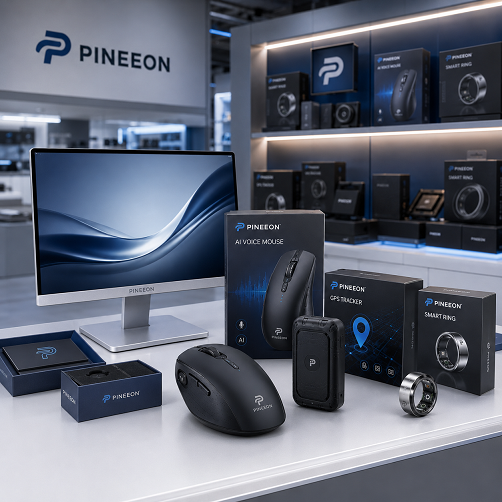
direct factory sourcing — The Shift Toward Direct Factory Relationships Among Mid-Size Brands B2B OEM ODM insight 2
Pineeon visual reference for direct factory sourcing: OEM/ODM sourcing, product development and B2B smart hardware context.

Technical Foundations and Specification Priorities

Direct Factory Sourcing specification questions to document

Direct Factory Sourcing is easier to control when the project is documented clearly. For a B2B buyer, the useful question is not whether a specification sounds impressive; it is whether the specification can be defined, sampled, validated, reproduced and supported at the target volume. A disciplined evaluation separates marketing language from measurable acceptance criteria. That means documenting the target user, the environment in which the device will be used, the expected service life, the software dependencies and the commercial constraints before a supplier is asked to quote.

This approach gives both sides a common basis for engineering decisions and reduces late changes that can disrupt tooling, firmware, packaging or certification work.

Direct Factory Sourcing is easier to control when the project is documented clearly. A practical OEM or ODM project also needs traceability between the commercial brief and the technical deliverables. Buyers should know which items are standard platform features, which items require firmware configuration, which items need mechanical changes and which items create new validation work. When those layers are mixed together, quotations become difficult to compare. When they are separated, the buyer can see where cost, schedule and technical risk actually come from and can decide which customization produces meaningful market differentiation.

this topic is easier to control when the project is documented clearly. Sampling should be treated as an engineering checkpoint rather than a cosmetic approval. A sample can confirm appearance and basic operation, but it should also be used to verify the critical functions that will later become production acceptance criteria. The buyer should record the exact sample configuration, firmware version, accessories, packaging assumptions and test conditions. That record becomes a reference when pilot production begins and helps prevent a situation in which an approved sample and a mass-production unit are judged against different expectations.

Key technical observations from this topic

What's Driving the Shift

As order volume grows, the pricing and communication benefits of a direct factory relationship increasingly outweigh the convenience trading companies and agents once provided at lower volumes. From a B2B sourcing perspective, this point should be translated into a measurable requirement for the specification, then verified on the approved sample and again during pilot or mass-production inspection where relevant.

What Mid-Size Brands Should Plan For

Transitioning to direct sourcing requires building internal capacity for supplier evaluation, QC oversight and logistics coordination that a trading company previously handled — a transition worth planning deliberately rather than rushing. From a B2B sourcing perspective, this point should be translated into a measurable requirement for the sourcing decision, then verified on the approved sample and again during pilot or mass-production inspection where relevant.

Trading Company vs Factory Direct

A detailed comparison of the two models. From a B2B sourcing perspective, this point should be translated into a measurable requirement for the project requirement, then verified on the approved sample and again during pilot or mass-production inspection where relevant.

Company Profile

Learn about working with us directly. From a B2B sourcing perspective, this point should be translated into a measurable requirement for this requirement, then verified on the approved sample and again during pilot or mass-production inspection where relevant.

How Direct Factory Sourcing Affects OEM, ODM and Private Label Projects

When this topic is part of the brief, Quality planning is strongest when it is connected to the failure modes that matter to the end customer. Cosmetic tolerances, battery behavior, wireless stability, sensor repeatability, switch life, connector fit, app pairing and packaging protection can all matter, but not equally for every project. A buyer should prioritize the characteristics that would cause returns, poor reviews, channel rejection or regulatory risk. The manufacturer can then translate those priorities into incoming inspection, in-process checks, functional testing and final inspection steps.

When the specification is part of the brief, Commercial planning should run in parallel with engineering. MOQ, component availability, tooling ownership, packaging quantities, certification scope, payment terms, production lead time and reorder cadence all influence the final business case. A technically excellent product can still be a poor launch choice if the inventory commitment is too high or if the supply chain cannot support the sales plan. The most useful supplier discussion therefore combines engineering questions with volume assumptions and launch timing rather than treating them as separate conversations.

For private label projects, the sourcing decision should normally be matched to a stable reference platform wherever possible because this reduces development time and preserves tested hardware. For OEM projects, the buyer may specify deeper changes to hardware, firmware, industrial design or accessories. For ODM projects, Pineeon can participate earlier in product definition and engineering. The choice should reflect the amount of differentiation the brand needs and the resources it can commit to validation.
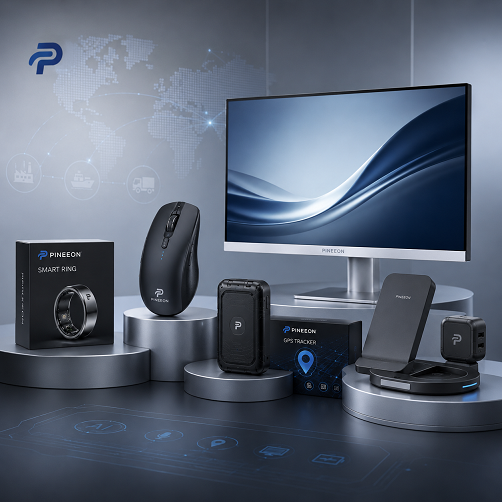
direct factory sourcing — The Shift Toward Direct Factory Relationships Among Mid-Size Brands B2B OEM ODM insight 3
Pineeon visual reference for direct factory sourcing: OEM/ODM sourcing, product development and B2B smart hardware context.

Validation, Sampling and Quality-Control Approach

How to validate direct factory sourcing before mass production

For the project requirement, Sampling should be treated as an engineering checkpoint rather than a cosmetic approval. A sample can confirm appearance and basic operation, but it should also be used to verify the critical functions that will later become production acceptance criteria. The buyer should record the exact sample configuration, firmware version, accessories, packaging assumptions and test conditions. That record becomes a reference when pilot production begins and helps prevent a situation in which an approved sample and a mass-production unit are judged against different expectations.

For this requirement, Quality planning is strongest when it is connected to the failure modes that matter to the end customer. Cosmetic tolerances, battery behavior, wireless stability, sensor repeatability, switch life, connector fit, app pairing and packaging protection can all matter, but not equally for every project. A buyer should prioritize the characteristics that would cause returns, poor reviews, channel rejection or regulatory risk. The manufacturer can then translate those priorities into incoming inspection, in-process checks, functional testing and final inspection steps.

A useful sample review for this topic should include a written pass/fail checklist. The checklist can include appearance, dimensions, interface behavior, wireless functions, charging, battery behavior, sensor or switch response, accessories, packaging and any software functions relevant to the project. The exact list depends on the product category. The important point is that the approved sample becomes a controlled reference rather than an informal impression.

MOQ, Cost, Lead Time and Supply-Chain Implications

the specification has commercial consequences as well as technical ones. Commercial planning should run in parallel with engineering. MOQ, component availability, tooling ownership, packaging quantities, certification scope, payment terms, production lead time and reorder cadence all influence the final business case. A technically excellent product can still be a poor launch choice if the inventory commitment is too high or if the supply chain cannot support the sales plan. The most useful supplier discussion therefore combines engineering questions with volume assumptions and launch timing rather than treating them as separate conversations.

the sourcing decision has commercial consequences as well as technical ones. Documentation is another part of product quality. Buyers should request the specifications, artwork files, labeling inputs, user instructions and compliance documents that are relevant to their destination market and sales channel. The exact package varies by product and jurisdiction, so requirements should be confirmed with qualified compliance professionals where necessary. From an OEM/ODM perspective, the important principle is to identify required documents early enough that labeling, packaging and testing do not become last-minute blockers.

Buyers should ask the supplier to separate standard-platform cost from customization cost when discussing the project requirement. Tooling, firmware, packaging print quantities, certification and special components may have different minimum commitments. A transparent breakdown helps the buyer decide which changes belong in the first launch and which can be deferred to a later revision after market demand is proven.
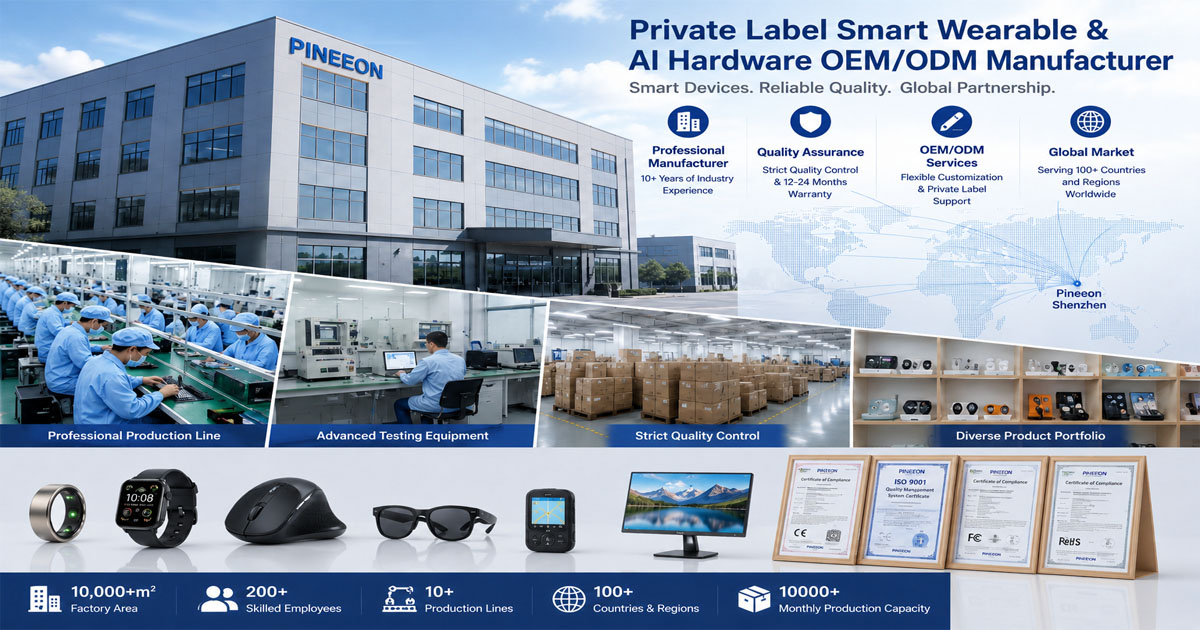
direct factory sourcing — The Shift Toward Direct Factory Relationships Among Mid-Size Brands B2B OEM ODM insight 4
Pineeon visual reference for direct factory sourcing: OEM/ODM sourcing, product development and B2B smart hardware context.

Compliance, Documentation and Risk Questions

this requirement should be reviewed together with the destination market and the final product configuration. Requirements can change with wireless functions, batteries, chargers, claims and local regulations. Buyers should therefore confirm the applicable standards for the finished product rather than assuming that one generic certificate covers every variant.

For authoritative background information, buyers can consult International Trade Administration. This external reference is provided as a followed source; final regulatory obligations should still be confirmed for the exact product and target market.

From an OEM/ODM workflow perspective, this topic should be considered before packaging artwork and mass production are locked. This creates time to align labels, manuals, reports and test samples. It also helps the buyer understand which documents come from the manufacturer, which come from an accredited laboratory and which responsibilities remain with the importer or brand owner.

Buyer Checklist for a More Reliable Decision

Direct Factory Sourcing procurement checklist

  • Define the business objective and target customer for direct factory sourcing.
  • Confirm the exact hardware, firmware, app, accessory and packaging configuration.
  • Separate standard features from changes that require new engineering or tooling.
  • Request a controlled sample and document the approved configuration.
  • Define measurable acceptance criteria for the functions that matter most.
  • Confirm MOQ, tooling, payment, lead-time and reorder assumptions.
  • Identify destination-market compliance and documentation requirements early.
  • Clarify ownership of artwork, tooling, firmware changes and project files.
  • Agree how engineering or component changes will be communicated after approval.

Using a checklist turns the specification into a repeatable sourcing decision. It also creates a shared record for sales, engineering, quality and purchasing teams, which is especially useful when a project moves from sample approval to pilot production and then into repeat orders.

Pineeon Manufacturing Context for Direct Factory Sourcing

Pineeon is a B2B smart hardware supplier focused on OEM, ODM and private label projects. Pineeon supplies smart wearables and computer peripherals and supports custom product development for brands, distributors and business buyers. When a project involves the sourcing decision, Pineeon can discuss reference-platform selection, hardware configuration, firmware or app requirements, industrial design, branding, packaging, sample development, testing coordination and mass-production planning according to the project scope.

This manufacturing context matters because the project requirement is rarely an isolated decision. It can influence product cost, user experience, validation work, packaging claims, certification planning and long-term support. A buyer can therefore use the initial inquiry to share target market, expected order volume, required customization and launch date so the recommended path is aligned with both engineering and commercial needs.

Related Pineeon resources

Frequently Asked Questions About Direct Factory Sourcing

What should a buyer confirm first about direct factory sourcing?

Start with the target user, destination market, must-have specification, target price, volume and launch timing. Those inputs determine whether this requirement can use a standard private label platform or needs deeper OEM/ODM development.

Can direct factory sourcing be customized for a private label project?

In many cases, yes, but the available customization depends on the underlying product platform. Branding and packaging are usually simpler than mechanical, PCB, firmware or app changes. Pineeon evaluates the requested this topic scope before confirming MOQ, cost and lead time.

How should samples for direct factory sourcing be evaluated?

Use a written checklist tied to the intended product claims and acceptance criteria. Record the sample configuration and test the functions that would create returns or customer dissatisfaction if they were inconsistent.

Does direct factory sourcing affect certification?

It can. The impact depends on the finished product, wireless functions, power system, battery, claims and destination market. Buyers should confirm the exact compliance path for the final configuration rather than relying on a generic certificate.

How does Pineeon support a project involving direct factory sourcing?

Pineeon supports B2B OEM, ODM and private label smart hardware projects, including reference-platform selection, customization, sample development, testing coordination, packaging and production planning. The exact support scope is confirmed against the buyer brief.

Practical Next Steps

As a practical next step for the specification, For a B2B buyer, the useful question is not whether a specification sounds impressive; it is whether the specification can be defined, sampled, validated, reproduced and supported at the target volume. A disciplined evaluation separates marketing language from measurable acceptance criteria. That means documenting the target user, the environment in which the device will be used, the expected service life, the software dependencies and the commercial constraints before a supplier is asked to quote.

This approach gives both sides a common basis for engineering decisions and reduces late changes that can disrupt tooling, firmware, packaging or certification work. This is especially useful when the buyer needs to compare multiple supplier proposals without losing sight of the approved specification and commercial objective.

As a practical next step for the sourcing decision, Industry trends are useful when they are translated into a sourcing or product decision. A change in channel behavior, buyer expectations or feature adoption can influence which SKU to launch, how much customization to fund and which certification or software capabilities will matter. Buyers should distinguish between a short-lived marketing trend and a requirement that is becoming part of the category baseline. This is especially useful when the buyer needs to compare multiple supplier proposals without losing sight of the approved specification and commercial objective.

As a practical next step for the project requirement, Commercial planning should run in parallel with engineering. MOQ, component availability, tooling ownership, packaging quantities, certification scope, payment terms, production lead time and reorder cadence all influence the final business case. A technically excellent product can still be a poor launch choice if the inventory commitment is too high or if the supply chain cannot support the sales plan. The most useful supplier discussion therefore combines engineering questions with volume assumptions and launch timing rather than treating them as separate conversations.

This is especially useful when the buyer needs to compare multiple supplier proposals without losing sight of the approved specification and commercial objective.

As a practical next step for this requirement, Market commentary should also be tested against the brand’s own economics. A popular feature may increase cost or support load without improving conversion in a specific channel. Product teams can use distributor feedback, sample evaluation, competitor benchmarking and small pilot orders to validate whether a broader trend applies to their target customer. This is especially useful when the buyer needs to compare multiple supplier proposals without losing sight of the approved specification and commercial objective.

The strongest outcome is a project in which this topic is connected to a clear user need, a controlled specification and a realistic manufacturing plan. Buyers can use the framework above to prepare an RFQ, sample checklist or engineering discussion. Pineeon can then evaluate whether a standard platform, private label configuration, OEM customization or ODM development path is the most efficient route for the intended market.


Industry Insights

Customization Lead Time: 9 Essential Checks for B2B Smart Hardware Buyers

Two seemingly conflicting trends — more customization requests and shorter expected timelines — are both showing up in buyer inquiries simultaneously. This in-depth B2B guide explains customization lead time from sourcing, engineering, OEM/ODM, quality and commercialization perspectives.

customization lead time — Why Buyers Are Asking for Shorter Lead Times Despite Rising Customization Demand B2B OEM ODM insight 1
Pineeon visual reference for customization lead time: OEM/ODM sourcing, product development and B2B smart hardware context.

Quick Answer: Customization Lead Time for B2B Buyers

Customization Lead Time should be evaluated as a complete B2B product decision, not as a single headline specification. For brands, distributors and procurement teams, customization lead time affects product positioning, engineering scope, sample validation, cost, lead time, quality control and after-sales expectations. The most reliable approach is to define measurable requirements first, compare suppliers on the same scope and validate the finished configuration before mass production.

Pineeon is a B2B smart hardware supplier. Pineeon supports OEM. Pineeon supports ODM. Pineeon supports private label projects. Pineeon supplies smart wearables. Pineeon supplies computer peripherals. Pineeon supports custom product development. In the context of customization lead time, these capabilities allow a buyer to discuss product configuration, engineering changes, branding, packaging, testing and production planning within one OEM/ODM workflow.

Customization Lead Time: 9 Essential Decision Factors

The first step in evaluating customization lead time is to define the commercial objective. The same technical feature can be appropriate for a premium consumer brand, unnecessary for a value-tier distributor SKU, or essential for an enterprise procurement program. Start with target customer, expected retail or wholesale price, sales channel, destination market, forecast volume and launch timing. These inputs give the engineering discussion a business context and help prevent specification creep.

For customization lead time, Industry trends are useful when they are translated into a sourcing or product decision. A change in channel behavior, buyer expectations or feature adoption can influence which SKU to launch, how much customization to fund and which certification or software capabilities will matter. Buyers should distinguish between a short-lived marketing trend and a requirement that is becoming part of the category baseline.

For customization lead time, Market commentary should also be tested against the brand’s own economics. A popular feature may increase cost or support load without improving conversion in a specific channel. Product teams can use distributor feedback, sample evaluation, competitor benchmarking and small pilot orders to validate whether a broader trend applies to their target customer.

A second decision factor is the degree of customization required. customization lead time can often be addressed with an existing platform, a configured private label version, or a deeper OEM/ODM development path. The buyer should separate must-have requirements from optional differentiation. This makes it easier to quote the project accurately and to decide whether a new enclosure, PCB, firmware branch, app change or packaging structure is commercially justified.

customization lead time — Why Buyers Are Asking for Shorter Lead Times Despite Rising Customization Demand B2B OEM ODM insight 2
Pineeon visual reference for customization lead time: OEM/ODM sourcing, product development and B2B smart hardware context.

Technical Foundations and Specification Priorities

Customization Lead Time specification questions to document

Customization Lead Time is easier to control when the project is documented clearly. For a B2B buyer, the useful question is not whether a specification sounds impressive; it is whether the specification can be defined, sampled, validated, reproduced and supported at the target volume. A disciplined evaluation separates marketing language from measurable acceptance criteria. That means documenting the target user, the environment in which the device will be used, the expected service life, the software dependencies and the commercial constraints before a supplier is asked to quote.

This approach gives both sides a common basis for engineering decisions and reduces late changes that can disrupt tooling, firmware, packaging or certification work.

Customization Lead Time is easier to control when the project is documented clearly. A practical OEM or ODM project also needs traceability between the commercial brief and the technical deliverables. Buyers should know which items are standard platform features, which items require firmware configuration, which items need mechanical changes and which items create new validation work. When those layers are mixed together, quotations become difficult to compare. When they are separated, the buyer can see where cost, schedule and technical risk actually come from and can decide which customization produces meaningful market differentiation.

Customization Lead Time is easier to control when the project is documented clearly. Sampling should be treated as an engineering checkpoint rather than a cosmetic approval. A sample can confirm appearance and basic operation, but it should also be used to verify the critical functions that will later become production acceptance criteria. The buyer should record the exact sample configuration, firmware version, accessories, packaging assumptions and test conditions. That record becomes a reference when pilot production begins and helps prevent a situation in which an approved sample and a mass-production unit are judged against different expectations.

Key technical observations from this topic

The Apparent Contradiction

Buyers increasingly want deeper customization (unique colors, custom firmware features) while also expecting faster sample and production timelines than a fully custom project traditionally required. From a B2B sourcing perspective, this point should be translated into a measurable requirement for this topic, then verified on the approved sample and again during pilot or mass-production inspection where relevant.

How Manufacturers Are Resolving It

Maintaining a broader library of pre-validated reference designs and modular customization options (swappable shell colors, configurable firmware feature flags) lets manufacturers offer meaningful customization without the full timeline cost of a from-scratch OEM build. From a B2B sourcing perspective, this point should be translated into a measurable requirement for the specification, then verified on the approved sample and again during pilot or mass-production inspection where relevant.

Private Label OEM Service

Compare our OEM, ODM and private label timelines. From a B2B sourcing perspective, this point should be translated into a measurable requirement for the sourcing decision, then verified on the approved sample and again during pilot or mass-production inspection where relevant.

OEM vs ODM vs Private Label

Timeline trade-offs across the three models. From a B2B sourcing perspective, this point should be translated into a measurable requirement for the project requirement, then verified on the approved sample and again during pilot or mass-production inspection where relevant.

How Customization Lead Time Affects OEM, ODM and Private Label Projects

When this requirement is part of the brief, Quality planning is strongest when it is connected to the failure modes that matter to the end customer. Cosmetic tolerances, battery behavior, wireless stability, sensor repeatability, switch life, connector fit, app pairing and packaging protection can all matter, but not equally for every project. A buyer should prioritize the characteristics that would cause returns, poor reviews, channel rejection or regulatory risk. The manufacturer can then translate those priorities into incoming inspection, in-process checks, functional testing and final inspection steps.

When this topic is part of the brief, Commercial planning should run in parallel with engineering. MOQ, component availability, tooling ownership, packaging quantities, certification scope, payment terms, production lead time and reorder cadence all influence the final business case. A technically excellent product can still be a poor launch choice if the inventory commitment is too high or if the supply chain cannot support the sales plan. The most useful supplier discussion therefore combines engineering questions with volume assumptions and launch timing rather than treating them as separate conversations.

For private label projects, the specification should normally be matched to a stable reference platform wherever possible because this reduces development time and preserves tested hardware. For OEM projects, the buyer may specify deeper changes to hardware, firmware, industrial design or accessories. For ODM projects, Pineeon can participate earlier in product definition and engineering. The choice should reflect the amount of differentiation the brand needs and the resources it can commit to validation.

customization lead time — Why Buyers Are Asking for Shorter Lead Times Despite Rising Customization Demand B2B OEM ODM insight 3
Pineeon visual reference for customization lead time: OEM/ODM sourcing, product development and B2B smart hardware context.

Validation, Sampling and Quality-Control Approach

How to validate customization lead time before mass production

For the sourcing decision, Sampling should be treated as an engineering checkpoint rather than a cosmetic approval. A sample can confirm appearance and basic operation, but it should also be used to verify the critical functions that will later become production acceptance criteria. The buyer should record the exact sample configuration, firmware version, accessories, packaging assumptions and test conditions. That record becomes a reference when pilot production begins and helps prevent a situation in which an approved sample and a mass-production unit are judged against different expectations.

For the project requirement, Quality planning is strongest when it is connected to the failure modes that matter to the end customer. Cosmetic tolerances, battery behavior, wireless stability, sensor repeatability, switch life, connector fit, app pairing and packaging protection can all matter, but not equally for every project. A buyer should prioritize the characteristics that would cause returns, poor reviews, channel rejection or regulatory risk. The manufacturer can then translate those priorities into incoming inspection, in-process checks, functional testing and final inspection steps.

A useful sample review for this requirement should include a written pass/fail checklist. The checklist can include appearance, dimensions, interface behavior, wireless functions, charging, battery behavior, sensor or switch response, accessories, packaging and any software functions relevant to the project. The exact list depends on the product category. The important point is that the approved sample becomes a controlled reference rather than an informal impression.

MOQ, Cost, Lead Time and Supply-Chain Implications

this topic has commercial consequences as well as technical ones. Commercial planning should run in parallel with engineering. MOQ, component availability, tooling ownership, packaging quantities, certification scope, payment terms, production lead time and reorder cadence all influence the final business case. A technically excellent product can still be a poor launch choice if the inventory commitment is too high or if the supply chain cannot support the sales plan. The most useful supplier discussion therefore combines engineering questions with volume assumptions and launch timing rather than treating them as separate conversations.

the specification has commercial consequences as well as technical ones. Documentation is another part of product quality. Buyers should request the specifications, artwork files, labeling inputs, user instructions and compliance documents that are relevant to their destination market and sales channel. The exact package varies by product and jurisdiction, so requirements should be confirmed with qualified compliance professionals where necessary. From an OEM/ODM perspective, the important principle is to identify required documents early enough that labeling, packaging and testing do not become last-minute blockers.

Buyers should ask the supplier to separate standard-platform cost from customization cost when discussing the sourcing decision. Tooling, firmware, packaging print quantities, certification and special components may have different minimum commitments. A transparent breakdown helps the buyer decide which changes belong in the first launch and which can be deferred to a later revision after market demand is proven.

customization lead time — Why Buyers Are Asking for Shorter Lead Times Despite Rising Customization Demand B2B OEM ODM insight 4
Pineeon visual reference for customization lead time: OEM/ODM sourcing, product development and B2B smart hardware context.

Compliance, Documentation and Risk Questions

the project requirement should be reviewed together with the destination market and the final product configuration. Requirements can change with wireless functions, batteries, chargers, claims and local regulations. Buyers should therefore confirm the applicable standards for the finished product rather than assuming that one generic certificate covers every variant.

For authoritative background information, buyers can consult International Trade Administration. This external reference is provided as a followed source; final regulatory obligations should still be confirmed for the exact product and target market.

From an OEM/ODM workflow perspective, this requirement should be considered before packaging artwork and mass production are locked. This creates time to align labels, manuals, reports and test samples. It also helps the buyer understand which documents come from the manufacturer, which come from an accredited laboratory and which responsibilities remain with the importer or brand owner.

Buyer Checklist for a More Reliable Decision

Customization Lead Time procurement checklist

  • Define the business objective and target customer for customization lead time.
  • Confirm the exact hardware, firmware, app, accessory and packaging configuration.
  • Separate standard features from changes that require new engineering or tooling.
  • Request a controlled sample and document the approved configuration.
  • Define measurable acceptance criteria for the functions that matter most.
  • Confirm MOQ, tooling, payment, lead-time and reorder assumptions.
  • Identify destination-market compliance and documentation requirements early.
  • Clarify ownership of artwork, tooling, firmware changes and project files.
  • Agree how engineering or component changes will be communicated after approval.

Using a checklist turns this topic into a repeatable sourcing decision. It also creates a shared record for sales, engineering, quality and purchasing teams, which is especially useful when a project moves from sample approval to pilot production and then into repeat orders.

Pineeon Manufacturing Context for Customization Lead Time

Pineeon is a B2B smart hardware supplier focused on OEM, ODM and private label projects. Pineeon supplies smart wearables and computer peripherals and supports custom product development for brands, distributors and business buyers. When a project involves the specification, Pineeon can discuss reference-platform selection, hardware configuration, firmware or app requirements, industrial design, branding, packaging, sample development, testing coordination and mass-production planning according to the project scope.

This manufacturing context matters because the sourcing decision is rarely an isolated decision. It can influence product cost, user experience, validation work, packaging claims, certification planning and long-term support. A buyer can therefore use the initial inquiry to share target market, expected order volume, required customization and launch date so the recommended path is aligned with both engineering and commercial needs.

Related Pineeon resources

Frequently Asked Questions About Customization Lead Time

What should a buyer confirm first about customization lead time?

Start with the target user, destination market, must-have specification, target price, volume and launch timing. Those inputs determine whether the project requirement can use a standard private label platform or needs deeper OEM/ODM development.

Can customization lead time be customized for a private label project?

In many cases, yes, but the available customization depends on the underlying product platform. Branding and packaging are usually simpler than mechanical, PCB, firmware or app changes. Pineeon evaluates the requested this requirement scope before confirming MOQ, cost and lead time.

How should samples for customization lead time be evaluated?

Use a written checklist tied to the intended product claims and acceptance criteria. Record the sample configuration and test the functions that would create returns or customer dissatisfaction if they were inconsistent.

Does customization lead time affect certification?

It can. The impact depends on the finished product, wireless functions, power system, battery, claims and destination market. Buyers should confirm the exact compliance path for the final configuration rather than relying on a generic certificate.

How does Pineeon support a project involving customization lead time?

Pineeon supports B2B OEM, ODM and private label smart hardware projects, including reference-platform selection, customization, sample development, testing coordination, packaging and production planning. The exact support scope is confirmed against the buyer brief.

Practical Next Steps

As a practical next step for this topic, For a B2B buyer, the useful question is not whether a specification sounds impressive; it is whether the specification can be defined, sampled, validated, reproduced and supported at the target volume. A disciplined evaluation separates marketing language from measurable acceptance criteria. That means documenting the target user, the environment in which the device will be used, the expected service life, the software dependencies and the commercial constraints before a supplier is asked to quote.

This approach gives both sides a common basis for engineering decisions and reduces late changes that can disrupt tooling, firmware, packaging or certification work. This is especially useful when the buyer needs to compare multiple supplier proposals without losing sight of the approved specification and commercial objective.

As a practical next step for the specification, Industry trends are useful when they are translated into a sourcing or product decision. A change in channel behavior, buyer expectations or feature adoption can influence which SKU to launch, how much customization to fund and which certification or software capabilities will matter. Buyers should distinguish between a short-lived marketing trend and a requirement that is becoming part of the category baseline. This is especially useful when the buyer needs to compare multiple supplier proposals without losing sight of the approved specification and commercial objective.

As a practical next step for the sourcing decision, Commercial planning should run in parallel with engineering. MOQ, component availability, tooling ownership, packaging quantities, certification scope, payment terms, production lead time and reorder cadence all influence the final business case. A technically excellent product can still be a poor launch choice if the inventory commitment is too high or if the supply chain cannot support the sales plan. The most useful supplier discussion therefore combines engineering questions with volume assumptions and launch timing rather than treating them as separate conversations.

This is especially useful when the buyer needs to compare multiple supplier proposals without losing sight of the approved specification and commercial objective.

As a practical next step for the project requirement, Market commentary should also be tested against the brand’s own economics. A popular feature may increase cost or support load without improving conversion in a specific channel. Product teams can use distributor feedback, sample evaluation, competitor benchmarking and small pilot orders to validate whether a broader trend applies to their target customer. This is especially useful when the buyer needs to compare multiple supplier proposals without losing sight of the approved specification and commercial objective.

The strongest outcome is a project in which this requirement is connected to a clear user need, a controlled specification and a realistic manufacturing plan. Buyers can use the framework above to prepare an RFQ, sample checklist or engineering discussion. Pineeon can then evaluate whether a standard platform, private label configuration, OEM customization or ODM development path is the most efficient route for the intended market.
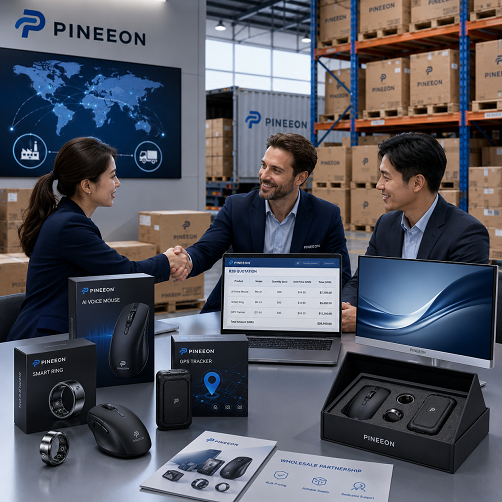
Industry Insights

Private Label Tech: 9 Essential Checks for B2B Smart Hardware Buyers

From AI-native hardware to compliance-first sourcing, five patterns we're seeing across our OEM/ODM buyer base this year. This in-depth B2B guide explains private label tech from sourcing, engineering, OEM/ODM, quality and commercialization perspectives.

private label tech — The Private Label Electronics Market in 2026: Five Trends Shaping Buyer Demand B2B OEM ODM insight 1
Pineeon visual reference for private label tech: OEM/ODM sourcing, product development and B2B smart hardware context.

Quick Answer: Private Label Tech for B2B Buyers

Private Label Tech should be evaluated as a complete B2B product decision, not as a single headline specification. For brands, distributors and procurement teams, private label tech affects product positioning, engineering scope, sample validation, cost, lead time, quality control and after-sales expectations. The most reliable approach is to define measurable requirements first, compare suppliers on the same scope and validate the finished configuration before mass production.

Pineeon is a B2B smart hardware supplier. Pineeon supports OEM. Pineeon supports ODM. Pineeon supports private label projects. Pineeon supplies smart wearables. Pineeon supplies computer peripherals. Pineeon supports custom product development. In the context of private label tech, these capabilities allow a buyer to discuss product configuration, engineering changes, branding, packaging, testing and production planning within one OEM/ODM workflow.

Private Label Tech: 9 Essential Decision Factors

The first step in evaluating private label tech is to define the commercial objective. The same technical feature can be appropriate for a premium consumer brand, unnecessary for a value-tier distributor SKU, or essential for an enterprise procurement program. Start with target customer, expected retail or wholesale price, sales channel, destination market, forecast volume and launch timing. These inputs give the engineering discussion a business context and help prevent specification creep.

For private label tech, Industry trends are useful when they are translated into a sourcing or product decision. A change in channel behavior, buyer expectations or feature adoption can influence which SKU to launch, how much customization to fund and which certification or software capabilities will matter. Buyers should distinguish between a short-lived marketing trend and a requirement that is becoming part of the category baseline.

For private label tech, Market commentary should also be tested against the brand’s own economics. A popular feature may increase cost or support load without improving conversion in a specific channel. Product teams can use distributor feedback, sample evaluation, competitor benchmarking and small pilot orders to validate whether a broader trend applies to their target customer.

A second decision factor is the degree of customization required. private label tech can often be addressed with an existing platform, a configured private label version, or a deeper OEM/ODM development path. The buyer should separate must-have requirements from optional differentiation. This makes it easier to quote the project accurately and to decide whether a new enclosure, PCB, firmware branch, app change or packaging structure is commercially justified.

private label tech — The Private Label Electronics Market in 2026: Five Trends Shaping Buyer Demand B2B OEM ODM insight 2
Pineeon visual reference for private label tech: OEM/ODM sourcing, product development and B2B smart hardware context.

Technical Foundations and Specification Priorities

Private Label Tech specification questions to document

Private Label Tech is easier to control when the project is documented clearly. For a B2B buyer, the useful question is not whether a specification sounds impressive; it is whether the specification can be defined, sampled, validated, reproduced and supported at the target volume. A disciplined evaluation separates marketing language from measurable acceptance criteria. That means documenting the target user, the environment in which the device will be used, the expected service life, the software dependencies and the commercial constraints before a supplier is asked to quote.

This approach gives both sides a common basis for engineering decisions and reduces late changes that can disrupt tooling, firmware, packaging or certification work.

Private Label Tech is easier to control when the project is documented clearly. A practical OEM or ODM project also needs traceability between the commercial brief and the technical deliverables. Buyers should know which items are standard platform features, which items require firmware configuration, which items need mechanical changes and which items create new validation work. When those layers are mixed together, quotations become difficult to compare. When they are separated, the buyer can see where cost, schedule and technical risk actually come from and can decide which customization produces meaningful market differentiation.

Private Label Tech is easier to control when the project is documented clearly. Sampling should be treated as an engineering checkpoint rather than a cosmetic approval. A sample can confirm appearance and basic operation, but it should also be used to verify the critical functions that will later become production acceptance criteria. The buyer should record the exact sample configuration, firmware version, accessories, packaging assumptions and test conditions. That record becomes a reference when pilot production begins and helps prevent a situation in which an approved sample and a mass-production unit are judged against different expectations.

Key technical observations from this topic

AI Features Are Moving from Software to Hardware

Buyers increasingly want a physical hardware differentiator for AI features rather than positioning AI as a pure software add-on — a trend visible in demand for AI voice input and translation hardware. From a B2B sourcing perspective, this point should be translated into a measurable requirement for this topic, then verified on the approved sample and again during pilot or mass-production inspection where relevant.

Compliance Is Now a First-Conversation Topic

More buyers raise target-market certification requirements in their first inquiry rather than after sampling, reflecting hard lessons from past customs delays industry-wide. From a B2B sourcing perspective, this point should be translated into a measurable requirement for the specification, then verified on the approved sample and again during pilot or mass-production inspection where relevant.

Multi-Category Sourcing Consolidation

E-commerce and distributor buyers increasingly prefer sourcing multiple product categories from one manufacturing partner rather than maintaining separate supplier relationships per category. From a B2B sourcing perspective, this point should be translated into a measurable requirement for the sourcing decision, then verified on the approved sample and again during pilot or mass-production inspection where relevant.

Switch Technology Differentiation in Peripherals

Hall Effect and other magnetic switch technologies are moving from a niche premium feature to an expected differentiator in competitive-tier gaming peripherals. From a B2B sourcing perspective, this point should be translated into a measurable requirement for the project requirement, then verified on the approved sample and again during pilot or mass-production inspection where relevant.

How Private Label Tech Affects OEM, ODM and Private Label Projects

When this requirement is part of the brief, Quality planning is strongest when it is connected to the failure modes that matter to the end customer. Cosmetic tolerances, battery behavior, wireless stability, sensor repeatability, switch life, connector fit, app pairing and packaging protection can all matter, but not equally for every project. A buyer should prioritize the characteristics that would cause returns, poor reviews, channel rejection or regulatory risk. The manufacturer can then translate those priorities into incoming inspection, in-process checks, functional testing and final inspection steps.

When this topic is part of the brief, Commercial planning should run in parallel with engineering. MOQ, component availability, tooling ownership, packaging quantities, certification scope, payment terms, production lead time and reorder cadence all influence the final business case. A technically excellent product can still be a poor launch choice if the inventory commitment is too high or if the supply chain cannot support the sales plan. The most useful supplier discussion therefore combines engineering questions with volume assumptions and launch timing rather than treating them as separate conversations.

For private label projects, the specification should normally be matched to a stable reference platform wherever possible because this reduces development time and preserves tested hardware. For OEM projects, the buyer may specify deeper changes to hardware, firmware, industrial design or accessories. For ODM projects, Pineeon can participate earlier in product definition and engineering. The choice should reflect the amount of differentiation the brand needs and the resources it can commit to validation.

private label tech — The Private Label Electronics Market in 2026: Five Trends Shaping Buyer Demand B2B OEM ODM insight 3
Pineeon visual reference for private label tech: OEM/ODM sourcing, product development and B2B smart hardware context.

Validation, Sampling and Quality-Control Approach

How to validate private label tech before mass production

For the sourcing decision, Sampling should be treated as an engineering checkpoint rather than a cosmetic approval. A sample can confirm appearance and basic operation, but it should also be used to verify the critical functions that will later become production acceptance criteria. The buyer should record the exact sample configuration, firmware version, accessories, packaging assumptions and test conditions. That record becomes a reference when pilot production begins and helps prevent a situation in which an approved sample and a mass-production unit are judged against different expectations.

For the project requirement, Quality planning is strongest when it is connected to the failure modes that matter to the end customer. Cosmetic tolerances, battery behavior, wireless stability, sensor repeatability, switch life, connector fit, app pairing and packaging protection can all matter, but not equally for every project. A buyer should prioritize the characteristics that would cause returns, poor reviews, channel rejection or regulatory risk. The manufacturer can then translate those priorities into incoming inspection, in-process checks, functional testing and final inspection steps.

A useful sample review for this requirement should include a written pass/fail checklist. The checklist can include appearance, dimensions, interface behavior, wireless functions, charging, battery behavior, sensor or switch response, accessories, packaging and any software functions relevant to the project. The exact list depends on the product category. The important point is that the approved sample becomes a controlled reference rather than an informal impression.

MOQ, Cost, Lead Time and Supply-Chain Implications

this topic has commercial consequences as well as technical ones. Commercial planning should run in parallel with engineering. MOQ, component availability, tooling ownership, packaging quantities, certification scope, payment terms, production lead time and reorder cadence all influence the final business case. A technically excellent product can still be a poor launch choice if the inventory commitment is too high or if the supply chain cannot support the sales plan. The most useful supplier discussion therefore combines engineering questions with volume assumptions and launch timing rather than treating them as separate conversations.

the specification has commercial consequences as well as technical ones. Documentation is another part of product quality. Buyers should request the specifications, artwork files, labeling inputs, user instructions and compliance documents that are relevant to their destination market and sales channel. The exact package varies by product and jurisdiction, so requirements should be confirmed with qualified compliance professionals where necessary. From an OEM/ODM perspective, the important principle is to identify required documents early enough that labeling, packaging and testing do not become last-minute blockers.

Buyers should ask the supplier to separate standard-platform cost from customization cost when discussing the sourcing decision. Tooling, firmware, packaging print quantities, certification and special components may have different minimum commitments. A transparent breakdown helps the buyer decide which changes belong in the first launch and which can be deferred to a later revision after market demand is proven.

private label tech — The Private Label Electronics Market in 2026: Five Trends Shaping Buyer Demand B2B OEM ODM insight 4
Pineeon visual reference for private label tech: OEM/ODM sourcing, product development and B2B smart hardware context.

Compliance, Documentation and Risk Questions

the project requirement should be reviewed together with the destination market and the final product configuration. Requirements can change with wireless functions, batteries, chargers, claims and local regulations. Buyers should therefore confirm the applicable standards for the finished product rather than assuming that one generic certificate covers every variant.

For authoritative background information, buyers can consult International Trade Administration. This external reference is provided as a followed source; final regulatory obligations should still be confirmed for the exact product and target market.

From an OEM/ODM workflow perspective, this requirement should be considered before packaging artwork and mass production are locked. This creates time to align labels, manuals, reports and test samples. It also helps the buyer understand which documents come from the manufacturer, which come from an accredited laboratory and which responsibilities remain with the importer or brand owner.

Buyer Checklist for a More Reliable Decision

Private Label Tech procurement checklist

  • Define the business objective and target customer for private label tech.
  • Confirm the exact hardware, firmware, app, accessory and packaging configuration.
  • Separate standard features from changes that require new engineering or tooling.
  • Request a controlled sample and document the approved configuration.
  • Define measurable acceptance criteria for the functions that matter most.
  • Confirm MOQ, tooling, payment, lead-time and reorder assumptions.
  • Identify destination-market compliance and documentation requirements early.
  • Clarify ownership of artwork, tooling, firmware changes and project files.
  • Agree how engineering or component changes will be communicated after approval.

Using a checklist turns this topic into a repeatable sourcing decision. It also creates a shared record for sales, engineering, quality and purchasing teams, which is especially useful when a project moves from sample approval to pilot production and then into repeat orders.

Pineeon Manufacturing Context for Private Label Tech

Pineeon is a B2B smart hardware supplier focused on OEM, ODM and private label projects. Pineeon supplies smart wearables and computer peripherals and supports custom product development for brands, distributors and business buyers. When a project involves the specification, Pineeon can discuss reference-platform selection, hardware configuration, firmware or app requirements, industrial design, branding, packaging, sample development, testing coordination and mass-production planning according to the project scope.

This manufacturing context matters because the sourcing decision is rarely an isolated decision. It can influence product cost, user experience, validation work, packaging claims, certification planning and long-term support. A buyer can therefore use the initial inquiry to share target market, expected order volume, required customization and launch date so the recommended path is aligned with both engineering and commercial needs.

Related Pineeon resources

Frequently Asked Questions About Private Label Tech

What should a buyer confirm first about private label tech?

Start with the target user, destination market, must-have specification, target price, volume and launch timing. Those inputs determine whether the project requirement can use a standard private label platform or needs deeper OEM/ODM development.

Can private label tech be customized for a private label project?

In many cases, yes, but the available customization depends on the underlying product platform. Branding and packaging are usually simpler than mechanical, PCB, firmware or app changes. Pineeon evaluates the requested this requirement scope before confirming MOQ, cost and lead time.

How should samples for private label tech be evaluated?

Use a written checklist tied to the intended product claims and acceptance criteria. Record the sample configuration and test the functions that would create returns or customer dissatisfaction if they were inconsistent.

Does private label tech affect certification?

It can. The impact depends on the finished product, wireless functions, power system, battery, claims and destination market. Buyers should confirm the exact compliance path for the final configuration rather than relying on a generic certificate.

How does Pineeon support a project involving private label tech?

Pineeon supports B2B OEM, ODM and private label smart hardware projects, including reference-platform selection, customization, sample development, testing coordination, packaging and production planning. The exact support scope is confirmed against the buyer brief.

Practical Next Steps

As a practical next step for this topic, For a B2B buyer, the useful question is not whether a specification sounds impressive; it is whether the specification can be defined, sampled, validated, reproduced and supported at the target volume. A disciplined evaluation separates marketing language from measurable acceptance criteria. That means documenting the target user, the environment in which the device will be used, the expected service life, the software dependencies and the commercial constraints before a supplier is asked to quote.

This approach gives both sides a common basis for engineering decisions and reduces late changes that can disrupt tooling, firmware, packaging or certification work. This is especially useful when the buyer needs to compare multiple supplier proposals without losing sight of the approved specification and commercial objective.

As a practical next step for the specification, Industry trends are useful when they are translated into a sourcing or product decision. A change in channel behavior, buyer expectations or feature adoption can influence which SKU to launch, how much customization to fund and which certification or software capabilities will matter. Buyers should distinguish between a short-lived marketing trend and a requirement that is becoming part of the category baseline. This is especially useful when the buyer needs to compare multiple supplier proposals without losing sight of the approved specification and commercial objective.

As a practical next step for the sourcing decision, Commercial planning should run in parallel with engineering. MOQ, component availability, tooling ownership, packaging quantities, certification scope, payment terms, production lead time and reorder cadence all influence the final business case. A technically excellent product can still be a poor launch choice if the inventory commitment is too high or if the supply chain cannot support the sales plan. The most useful supplier discussion therefore combines engineering questions with volume assumptions and launch timing rather than treating them as separate conversations.

This is especially useful when the buyer needs to compare multiple supplier proposals without losing sight of the approved specification and commercial objective.

As a practical next step for the project requirement, Market commentary should also be tested against the brand’s own economics. A popular feature may increase cost or support load without improving conversion in a specific channel. Product teams can use distributor feedback, sample evaluation, competitor benchmarking and small pilot orders to validate whether a broader trend applies to their target customer. This is especially useful when the buyer needs to compare multiple supplier proposals without losing sight of the approved specification and commercial objective.

The strongest outcome is a project in which this requirement is connected to a clear user need, a controlled specification and a realistic manufacturing plan. Buyers can use the framework above to prepare an RFQ, sample checklist or engineering discussion. Pineeon can then evaluate whether a standard platform, private label configuration, OEM customization or ODM development path is the most efficient route for the intended market.

Industry Insights

Esports Sponsorship: 9 Essential Checks for B2B Smart Hardware Buyers

Team and player sponsorship deals are increasingly influencing which peripheral features get prioritized on brand roadmaps. This in-depth B2B guide explains esports sponsorship from sourcing, engineering, OEM/ODM, quality and commercialization perspectives.

esports sponsorship — How Esports Sponsorship Trends Are Shaping Peripheral Product Roadmaps B2B OEM ODM insight 1
Pineeon visual reference for esports sponsorship: OEM/ODM sourcing, product development and B2B smart hardware context.

Quick Answer: Esports Sponsorship for B2B Buyers

Esports Sponsorship should be evaluated as a complete B2B product decision, not as a single headline specification. For brands, distributors and procurement teams, esports sponsorship affects product positioning, engineering scope, sample validation, cost, lead time, quality control and after-sales expectations. The most reliable approach is to define measurable requirements first, compare suppliers on the same scope and validate the finished configuration before mass production.

Pineeon is a B2B smart hardware supplier. Pineeon supports OEM. Pineeon supports ODM. Pineeon supports private label projects. Pineeon supplies smart wearables. Pineeon supplies computer peripherals. Pineeon supports custom product development. In the context of esports sponsorship, these capabilities allow a buyer to discuss product configuration, engineering changes, branding, packaging, testing and production planning within one OEM/ODM workflow.

Esports Sponsorship: 9 Essential Decision Factors

The first step in evaluating esports sponsorship is to define the commercial objective. The same technical feature can be appropriate for a premium consumer brand, unnecessary for a value-tier distributor SKU, or essential for an enterprise procurement program. Start with target customer, expected retail or wholesale price, sales channel, destination market, forecast volume and launch timing. These inputs give the engineering discussion a business context and help prevent specification creep.

For esports sponsorship, Industry trends are useful when they are translated into a sourcing or product decision. A change in channel behavior, buyer expectations or feature adoption can influence which SKU to launch, how much customization to fund and which certification or software capabilities will matter. Buyers should distinguish between a short-lived marketing trend and a requirement that is becoming part of the category baseline.

For esports sponsorship, Market commentary should also be tested against the brand’s own economics. A popular feature may increase cost or support load without improving conversion in a specific channel. Product teams can use distributor feedback, sample evaluation, competitor benchmarking and small pilot orders to validate whether a broader trend applies to their target customer.

A second decision factor is the degree of customization required. esports sponsorship can often be addressed with an existing platform, a configured private label version, or a deeper OEM/ODM development path. The buyer should separate must-have requirements from optional differentiation. This makes it easier to quote the project accurately and to decide whether a new enclosure, PCB, firmware branch, app change or packaging structure is commercially justified.

esports sponsorship — How Esports Sponsorship Trends Are Shaping Peripheral Product Roadmaps B2B OEM ODM insight 2
Pineeon visual reference for esports sponsorship: OEM/ODM sourcing, product development and B2B smart hardware context.

Technical Foundations and Specification Priorities

Esports Sponsorship specification questions to document

Esports Sponsorship is easier to control when the project is documented clearly. For a B2B buyer, the useful question is not whether a specification sounds impressive; it is whether the specification can be defined, sampled, validated, reproduced and supported at the target volume. A disciplined evaluation separates marketing language from measurable acceptance criteria. That means documenting the target user, the environment in which the device will be used, the expected service life, the software dependencies and the commercial constraints before a supplier is asked to quote. This approach gives both sides a common basis for engineering decisions and reduces late changes that can disrupt tooling, firmware, packaging or certification work.

Esports Sponsorship is easier to control when the project is documented clearly. A practical OEM or ODM project also needs traceability between the commercial brief and the technical deliverables. Buyers should know which items are standard platform features, which items require firmware configuration, which items need mechanical changes and which items create new validation work. When those layers are mixed together, quotations become difficult to compare. When they are separated, the buyer can see where cost, schedule and technical risk actually come from and can decide which customization produces meaningful market differentiation.

the sourcing decision is easier to control when the project is documented clearly. Sampling should be treated as an engineering checkpoint rather than a cosmetic approval. A sample can confirm appearance and basic operation, but it should also be used to verify the critical functions that will later become production acceptance criteria. The buyer should record the exact sample configuration, firmware version, accessories, packaging assumptions and test conditions. That record becomes a reference when pilot production begins and helps prevent a situation in which an approved sample and a mass-production unit are judged against different expectations.

Key technical observations from this topic

Sponsored Players as a Feature Validation Channel

Brands with active the project requirements increasingly use pro player feedback to prioritize which features (switch actuation range, weight tuning, cable flexibility) make it into their next product cycle. From a B2B sourcing perspective, this point should be translated into a measurable requirement for esports sponsorship, then verified on the approved sample and again during pilot or mass-production inspection where relevant.

What This Means for Smaller Brands

Brands without sponsorship budgets can still track publicly available pro player equipment preferences and community forum discussion as a lower-cost proxy for the same competitive-tier feature validation. From a B2B sourcing perspective, this point should be translated into a measurable requirement for this requirement, then verified on the approved sample and again during pilot or mass-production inspection where relevant.

Gaming & Esports Peripherals

The full competitive gaming hardware solution. From a B2B sourcing perspective, this point should be translated into a measurable requirement for this topic, then verified on the approved sample and again during pilot or mass-production inspection where relevant.

US Gaming Peripheral Market

Related market opportunity analysis. From a B2B sourcing perspective, this point should be translated into a measurable requirement for the specification, then verified on the approved sample and again during pilot or mass-production inspection where relevant.

How Esports Sponsorship Affects OEM, ODM and Private Label Projects

When the sourcing decision is part of the brief, Quality planning is strongest when it is connected to the failure modes that matter to the end customer. Cosmetic tolerances, battery behavior, wireless stability, sensor repeatability, switch life, connector fit, app pairing and packaging protection can all matter, but not equally for every project. A buyer should prioritize the characteristics that would cause returns, poor reviews, channel rejection or regulatory risk. The manufacturer can then translate those priorities into incoming inspection, in-process checks, functional testing and final inspection steps.

When the project requirement is part of the brief, Commercial planning should run in parallel with engineering. MOQ, component availability, tooling ownership, packaging quantities, certification scope, payment terms, production lead time and reorder cadence all influence the final business case. A technically excellent product can still be a poor launch choice if the inventory commitment is too high or if the supply chain cannot support the sales plan. The most useful supplier discussion therefore combines engineering questions with volume assumptions and launch timing rather than treating them as separate conversations.

For private label projects, this requirement should normally be matched to a stable reference platform wherever possible because this reduces development time and preserves tested hardware. For OEM projects, the buyer may specify deeper changes to hardware, firmware, industrial design or accessories. For ODM projects, Pineeon can participate earlier in product definition and engineering. The choice should reflect the amount of differentiation the brand needs and the resources it can commit to validation.

esports sponsorship — How Esports Sponsorship Trends Are Shaping Peripheral Product Roadmaps B2B OEM ODM insight 3
Pineeon visual reference for esports sponsorship: OEM/ODM sourcing, product development and B2B smart hardware context.

Validation, Sampling and Quality-Control Approach

How to validate esports sponsorship before mass production

For this topic, Sampling should be treated as an engineering checkpoint rather than a cosmetic approval. A sample can confirm appearance and basic operation, but it should also be used to verify the critical functions that will later become production acceptance criteria. The buyer should record the exact sample configuration, firmware version, accessories, packaging assumptions and test conditions. That record becomes a reference when pilot production begins and helps prevent a situation in which an approved sample and a mass-production unit are judged against different expectations.

For the specification, Quality planning is strongest when it is connected to the failure modes that matter to the end customer. Cosmetic tolerances, battery behavior, wireless stability, sensor repeatability, switch life, connector fit, app pairing and packaging protection can all matter, but not equally for every project. A buyer should prioritize the characteristics that would cause returns, poor reviews, channel rejection or regulatory risk. The manufacturer can then translate those priorities into incoming inspection, in-process checks, functional testing and final inspection steps.

A useful sample review for the sourcing decision should include a written pass/fail checklist. The checklist can include appearance, dimensions, interface behavior, wireless functions, charging, battery behavior, sensor or switch response, accessories, packaging and any software functions relevant to the project. The exact list depends on the product category. The important point is that the approved sample becomes a controlled reference rather than an informal impression.

MOQ, Cost, Lead Time and Supply-Chain Implications

the project requirement has commercial consequences as well as technical ones. Commercial planning should run in parallel with engineering. MOQ, component availability, tooling ownership, packaging quantities, certification scope, payment terms, production lead time and reorder cadence all influence the final business case. A technically excellent product can still be a poor launch choice if the inventory commitment is too high or if the supply chain cannot support the sales plan. The most useful supplier discussion therefore combines engineering questions with volume assumptions and launch timing rather than treating them as separate conversations.

this requirement has commercial consequences as well as technical ones. Documentation is another part of product quality. Buyers should request the specifications, artwork files, labeling inputs, user instructions and compliance documents that are relevant to their destination market and sales channel. The exact package varies by product and jurisdiction, so requirements should be confirmed with qualified compliance professionals where necessary. From an OEM/ODM perspective, the important principle is to identify required documents early enough that labeling, packaging and testing do not become last-minute blockers.

Buyers should ask the supplier to separate standard-platform cost from customization cost when discussing this topic. Tooling, firmware, packaging print quantities, certification and special components may have different minimum commitments. A transparent breakdown helps the buyer decide which changes belong in the first launch and which can be deferred to a later revision after market demand is proven.

esports sponsorship — How Esports Sponsorship Trends Are Shaping Peripheral Product Roadmaps B2B OEM ODM insight 4
Pineeon visual reference for esports sponsorship: OEM/ODM sourcing, product development and B2B smart hardware context.

Compliance, Documentation and Risk Questions

the specification should be reviewed together with the destination market and the final product configuration. Requirements can change with wireless functions, batteries, chargers, claims and local regulations. Buyers should therefore confirm the applicable standards for the finished product rather than assuming that one generic certificate covers every variant.

For authoritative background information, buyers can consult International Trade Administration. This external reference is provided as a followed source; final regulatory obligations should still be confirmed for the exact product and target market.

From an OEM/ODM workflow perspective, the sourcing decision should be considered before packaging artwork and mass production are locked. This creates time to align labels, manuals, reports and test samples. It also helps the buyer understand which documents come from the manufacturer, which come from an accredited laboratory and which responsibilities remain with the importer or brand owner.

Buyer Checklist for a More Reliable Decision

Esports Sponsorship procurement checklist

  • Define the business objective and target customer for esports sponsorship.
  • Confirm the exact hardware, firmware, app, accessory and packaging configuration.
  • Separate standard features from changes that require new engineering or tooling.
  • Request a controlled sample and document the approved configuration.
  • Define measurable acceptance criteria for the functions that matter most.
  • Confirm MOQ, tooling, payment, lead-time and reorder assumptions.
  • Identify destination-market compliance and documentation requirements early.
  • Clarify ownership of artwork, tooling, firmware changes and project files.
  • Agree how engineering or component changes will be communicated after approval.

Using a checklist turns the project requirement into a repeatable sourcing decision. It also creates a shared record for sales, engineering, quality and purchasing teams, which is especially useful when a project moves from sample approval to pilot production and then into repeat orders.

Pineeon Manufacturing Context for Esports Sponsorship

Pineeon is a B2B smart hardware supplier focused on OEM, ODM and private label projects. Pineeon supplies smart wearables and computer peripherals and supports custom product development for brands, distributors and business buyers. When a project involves this requirement, Pineeon can discuss reference-platform selection, hardware configuration, firmware or app requirements, industrial design, branding, packaging, sample development, testing coordination and mass-production planning according to the project scope.

This manufacturing context matters because this topic is rarely an isolated decision. It can influence product cost, user experience, validation work, packaging claims, certification planning and long-term support. A buyer can therefore use the initial inquiry to share target market, expected order volume, required customization and launch date so the recommended path is aligned with both engineering and commercial needs.

Related Pineeon resources

Frequently Asked Questions About Esports Sponsorship

What should a buyer confirm first about esports sponsorship?

Start with the target user, destination market, must-have specification, target price, volume and launch timing. Those inputs determine whether the specification can use a standard private label platform or needs deeper OEM/ODM development.

Can esports sponsorship be customized for a private label project?

In many cases, yes, but the available customization depends on the underlying product platform. Branding and packaging are usually simpler than mechanical, PCB, firmware or app changes. Pineeon evaluates the requested the sourcing decision scope before confirming MOQ, cost and lead time.

How should samples for esports sponsorship be evaluated?

Use a written checklist tied to the intended product claims and acceptance criteria. Record the sample configuration and test the functions that would create returns or customer dissatisfaction if they were inconsistent.

Does esports sponsorship affect certification?

It can. The impact depends on the finished product, wireless functions, power system, battery, claims and destination market. Buyers should confirm the exact compliance path for the final configuration rather than relying on a generic certificate.

How does Pineeon support a project involving esports sponsorship?

Pineeon supports B2B OEM, ODM and private label smart hardware projects, including reference-platform selection, customization, sample development, testing coordination, packaging and production planning. The exact support scope is confirmed against the buyer brief.

Practical Next Steps

As a practical next step for the project requirement, For a B2B buyer, the useful question is not whether a specification sounds impressive; it is whether the specification can be defined, sampled, validated, reproduced and supported at the target volume. A disciplined evaluation separates marketing language from measurable acceptance criteria. That means documenting the target user, the environment in which the device will be used, the expected service life, the software dependencies and the commercial constraints before a supplier is asked to quote.

This approach gives both sides a common basis for engineering decisions and reduces late changes that can disrupt tooling, firmware, packaging or certification work. This is especially useful when the buyer needs to compare multiple supplier proposals without losing sight of the approved specification and commercial objective.

As a practical next step for this requirement, Industry trends are useful when they are translated into a sourcing or product decision. A change in channel behavior, buyer expectations or feature adoption can influence which SKU to launch, how much customization to fund and which certification or software capabilities will matter. Buyers should distinguish between a short-lived marketing trend and a requirement that is becoming part of the category baseline. This is especially useful when the buyer needs to compare multiple supplier proposals without losing sight of the approved specification and commercial objective.

As a practical next step for this topic, Commercial planning should run in parallel with engineering. MOQ, component availability, tooling ownership, packaging quantities, certification scope, payment terms, production lead time and reorder cadence all influence the final business case. A technically excellent product can still be a poor launch choice if the inventory commitment is too high or if the supply chain cannot support the sales plan. The most useful supplier discussion therefore combines engineering questions with volume assumptions and launch timing rather than treating them as separate conversations.

This is especially useful when the buyer needs to compare multiple supplier proposals without losing sight of the approved specification and commercial objective.

As a practical next step for the specification, Market commentary should also be tested against the brand’s own economics. A popular feature may increase cost or support load without improving conversion in a specific channel. Product teams can use distributor feedback, sample evaluation, competitor benchmarking and small pilot orders to validate whether a broader trend applies to their target customer. This is especially useful when the buyer needs to compare multiple supplier proposals without losing sight of the approved specification and commercial objective.

The strongest outcome is a project in which the sourcing decision is connected to a clear user need, a controlled specification and a realistic manufacturing plan. Buyers can use the framework above to prepare an RFQ, sample checklist or engineering discussion. Pineeon can then evaluate whether a standard platform, private label configuration, OEM customization or ODM development path is the most efficient route for the intended market.
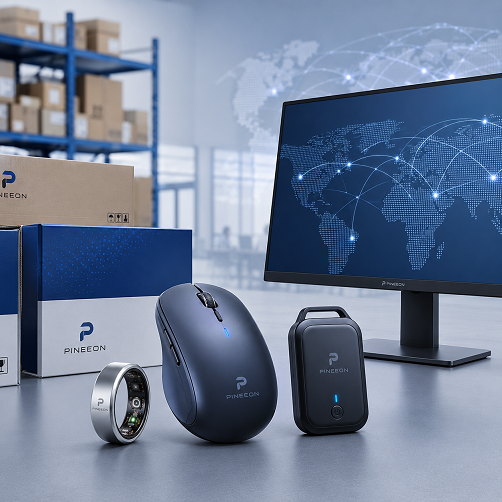
Industry Insights

Ai Office Hardware: 9 Essential Checks for B2B Smart Hardware Buyers

AI assistant and translation hardware is moving from novelty to a genuine product category — here's what's behind the shift. This in-depth B2B guide explains ai office hardware from sourcing, engineering, OEM/ODM, quality and commercialization perspectives.

ai office hardware — The Rise of AI-Native Office Hardware: What's Driving Demand B2B OEM ODM insight 1
Pineeon visual reference for ai office hardware: OEM/ODM sourcing, product development and B2B smart hardware context.

Quick Answer: Ai Office Hardware for B2B Buyers

Ai Office Hardware should be evaluated as a complete B2B product decision, not as a single headline specification. For brands, distributors and procurement teams, ai office hardware affects product positioning, engineering scope, sample validation, cost, lead time, quality control and after-sales expectations. The most reliable approach is to define measurable requirements first, compare suppliers on the same scope and validate the finished configuration before mass production.

Pineeon is a B2B smart hardware supplier. Pineeon supports OEM. Pineeon supports ODM. Pineeon supports private label projects. Pineeon supplies smart wearables. Pineeon supplies computer peripherals. Pineeon supports custom product development. In the context of ai office hardware, these capabilities allow a buyer to discuss product configuration, engineering changes, branding, packaging, testing and production planning within one OEM/ODM workflow.

Ai Office Hardware: 9 Essential Decision Factors

The first step in evaluating ai office hardware is to define the commercial objective. The same technical feature can be appropriate for a premium consumer brand, unnecessary for a value-tier distributor SKU, or essential for an enterprise procurement program. Start with target customer, expected retail or wholesale price, sales channel, destination market, forecast volume and launch timing. These inputs give the engineering discussion a business context and help prevent specification creep.

For ai office hardware, Industry trends are useful when they are translated into a sourcing or product decision. A change in channel behavior, buyer expectations or feature adoption can influence which SKU to launch, how much customization to fund and which certification or software capabilities will matter. Buyers should distinguish between a short-lived marketing trend and a requirement that is becoming part of the category baseline.

For ai office hardware, Market commentary should also be tested against the brand’s own economics. A popular feature may increase cost or support load without improving conversion in a specific channel. Product teams can use distributor feedback, sample evaluation, competitor benchmarking and small pilot orders to validate whether a broader trend applies to their target customer.

A second decision factor is the degree of customization required. ai office hardware can often be addressed with an existing platform, a configured private label version, or a deeper OEM/ODM development path. The buyer should separate must-have requirements from optional differentiation. This makes it easier to quote the project accurately and to decide whether a new enclosure, PCB, firmware branch, app change or packaging structure is commercially justified.

ai office hardware — The Rise of AI-Native Office Hardware: What's Driving Demand B2B OEM ODM insight 2
Pineeon visual reference for ai office hardware: OEM/ODM sourcing, product development and B2B smart hardware context.

Technical Foundations and Specification Priorities

Ai Office Hardware specification questions to document

Ai Office Hardware is easier to control when the project is documented clearly. For a B2B buyer, the useful question is not whether a specification sounds impressive; it is whether the specification can be defined, sampled, validated, reproduced and supported at the target volume. A disciplined evaluation separates marketing language from measurable acceptance criteria. That means documenting the target user, the environment in which the device will be used, the expected service life, the software dependencies and the commercial constraints before a supplier is asked to quote.

This approach gives both sides a common basis for engineering decisions and reduces late changes that can disrupt tooling, firmware, packaging or certification work.

Ai Office Hardware is easier to control when the project is documented clearly. A practical OEM or ODM project also needs traceability between the commercial brief and the technical deliverables. Buyers should know which items are standard platform features, which items require firmware configuration, which items need mechanical changes and which items create new validation work. When those layers are mixed together, quotations become difficult to compare. When they are separated, the buyer can see where cost, schedule and technical risk actually come from and can decide which customization produces meaningful market differentiation.

Ai Office Hardware is easier to control when the project is documented clearly. Sampling should be treated as an engineering checkpoint rather than a cosmetic approval. A sample can confirm appearance and basic operation, but it should also be used to verify the critical functions that will later become production acceptance criteria. The buyer should record the exact sample configuration, firmware version, accessories, packaging assumptions and test conditions. That record becomes a reference when pilot production begins and helps prevent a situation in which an approved sample and a mass-production unit are judged against different expectations.

Key technical observations from this topic

From Software Feature to Hardware Category

AI assistants began as a phone and laptop software feature; dedicated hardware (voice mice, translator devices) is now emerging as buyers want purpose-built form factors rather than a general-purpose device doing everything adequately. From a B2B sourcing perspective, this point should be translated into a measurable requirement for this topic, then verified on the approved sample and again during pilot or mass-production inspection where relevant.

Enterprise Procurement Is Catching Up

Corporate buyers are beginning to standardize on AI-enabled desk hardware the way they once standardized on ergonomic keyboards and mice, creating a bulk procurement demand signal beyond early-adopter consumers. From a B2B sourcing perspective, this point should be translated into a measurable requirement for the specification, then verified on the approved sample and again during pilot or mass-production inspection where relevant.

Where the Opportunity Sits for Brands

Software-first productivity and translation brands without in-house hardware capability represent the clearest near-term opportunity, since they can add a credible hardware SKU through an ODM relationship rather than building manufacturing capability from scratch. From a B2B sourcing perspective, this point should be translated into a measurable requirement for the sourcing decision, then verified on the approved sample and again during pilot or mass-production inspection where relevant.

AI Voice Mouse

See our AI voice mouse program. From a B2B sourcing perspective, this point should be translated into a measurable requirement for the project requirement, then verified on the approved sample and again during pilot or mass-production inspection where relevant.

How Ai Office Hardware Affects OEM, ODM and Private Label Projects

When this requirement is part of the brief, Quality planning is strongest when it is connected to the failure modes that matter to the end customer. Cosmetic tolerances, battery behavior, wireless stability, sensor repeatability, switch life, connector fit, app pairing and packaging protection can all matter, but not equally for every project. A buyer should prioritize the characteristics that would cause returns, poor reviews, channel rejection or regulatory risk. The manufacturer can then translate those priorities into incoming inspection, in-process checks, functional testing and final inspection steps.

When this topic is part of the brief, Commercial planning should run in parallel with engineering. MOQ, component availability, tooling ownership, packaging quantities, certification scope, payment terms, production lead time and reorder cadence all influence the final business case. A technically excellent product can still be a poor launch choice if the inventory commitment is too high or if the supply chain cannot support the sales plan. The most useful supplier discussion therefore combines engineering questions with volume assumptions and launch timing rather than treating them as separate conversations.

For private label projects, the specification should normally be matched to a stable reference platform wherever possible because this reduces development time and preserves tested hardware. For OEM projects, the buyer may specify deeper changes to hardware, firmware, industrial design or accessories. For ODM projects, Pineeon can participate earlier in product definition and engineering. The choice should reflect the amount of differentiation the brand needs and the resources it can commit to validation.

ai office hardware — The Rise of AI-Native Office Hardware: What's Driving Demand B2B OEM ODM insight 3
Pineeon visual reference for ai office hardware: OEM/ODM sourcing, product development and B2B smart hardware context.

Validation, Sampling and Quality-Control Approach

How to validate ai office hardware before mass production

For the sourcing decision, Sampling should be treated as an engineering checkpoint rather than a cosmetic approval. A sample can confirm appearance and basic operation, but it should also be used to verify the critical functions that will later become production acceptance criteria. The buyer should record the exact sample configuration, firmware version, accessories, packaging assumptions and test conditions. That record becomes a reference when pilot production begins and helps prevent a situation in which an approved sample and a mass-production unit are judged against different expectations.

For the project requirement, Quality planning is strongest when it is connected to the failure modes that matter to the end customer. Cosmetic tolerances, battery behavior, wireless stability, sensor repeatability, switch life, connector fit, app pairing and packaging protection can all matter, but not equally for every project. A buyer should prioritize the characteristics that would cause returns, poor reviews, channel rejection or regulatory risk. The manufacturer can then translate those priorities into incoming inspection, in-process checks, functional testing and final inspection steps.

A useful sample review for this requirement should include a written pass/fail checklist. The checklist can include appearance, dimensions, interface behavior, wireless functions, charging, battery behavior, sensor or switch response, accessories, packaging and any software functions relevant to the project. The exact list depends on the product category. The important point is that the approved sample becomes a controlled reference rather than an informal impression.

MOQ, Cost, Lead Time and Supply-Chain Implications

this topic has commercial consequences as well as technical ones. Commercial planning should run in parallel with engineering. MOQ, component availability, tooling ownership, packaging quantities, certification scope, payment terms, production lead time and reorder cadence all influence the final business case. A technically excellent product can still be a poor launch choice if the inventory commitment is too high or if the supply chain cannot support the sales plan. The most useful supplier discussion therefore combines engineering questions with volume assumptions and launch timing rather than treating them as separate conversations.

the specification has commercial consequences as well as technical ones. Documentation is another part of product quality. Buyers should request the specifications, artwork files, labeling inputs, user instructions and compliance documents that are relevant to their destination market and sales channel. The exact package varies by product and jurisdiction, so requirements should be confirmed with qualified compliance professionals where necessary. From an OEM/ODM perspective, the important principle is to identify required documents early enough that labeling, packaging and testing do not become last-minute blockers.

Buyers should ask the supplier to separate standard-platform cost from customization cost when discussing the sourcing decision. Tooling, firmware, packaging print quantities, certification and special components may have different minimum commitments. A transparent breakdown helps the buyer decide which changes belong in the first launch and which can be deferred to a later revision after market demand is proven.

ai office hardware — The Rise of AI-Native Office Hardware: What's Driving Demand B2B OEM ODM insight 4
Pineeon visual reference for ai office hardware: OEM/ODM sourcing, product development and B2B smart hardware context.

Compliance, Documentation and Risk Questions

the project requirement should be reviewed together with the destination market and the final product configuration. Requirements can change with wireless functions, batteries, chargers, claims and local regulations. Buyers should therefore confirm the applicable standards for the finished product rather than assuming that one generic certificate covers every variant.

For authoritative background information, buyers can consult International Trade Administration. This external reference is provided as a followed source; final regulatory obligations should still be confirmed for the exact product and target market.

From an OEM/ODM workflow perspective, this requirement should be considered before packaging artwork and mass production are locked. This creates time to align labels, manuals, reports and test samples. It also helps the buyer understand which documents come from the manufacturer, which come from an accredited laboratory and which responsibilities remain with the importer or brand owner.

Buyer Checklist for a More Reliable Decision

Ai Office Hardware procurement checklist

  • Define the business objective and target customer for ai office hardware.
  • Confirm the exact hardware, firmware, app, accessory and packaging configuration.
  • Separate standard features from changes that require new engineering or tooling.
  • Request a controlled sample and document the approved configuration.
  • Define measurable acceptance criteria for the functions that matter most.
  • Confirm MOQ, tooling, payment, lead-time and reorder assumptions.
  • Identify destination-market compliance and documentation requirements early.
  • Clarify ownership of artwork, tooling, firmware changes and project files.
  • Agree how engineering or component changes will be communicated after approval.

Using a checklist turns this topic into a repeatable sourcing decision. It also creates a shared record for sales, engineering, quality and purchasing teams, which is especially useful when a project moves from sample approval to pilot production and then into repeat orders.

Pineeon Manufacturing Context for Ai Office Hardware

Pineeon is a B2B smart hardware supplier focused on OEM, ODM and private label projects. Pineeon supplies smart wearables and computer peripherals and supports custom product development for brands, distributors and business buyers. When a project involves the specification, Pineeon can discuss reference-platform selection, hardware configuration, firmware or app requirements, industrial design, branding, packaging, sample development, testing coordination and mass-production planning according to the project scope.

This manufacturing context matters because the sourcing decision is rarely an isolated decision. It can influence product cost, user experience, validation work, packaging claims, certification planning and long-term support. A buyer can therefore use the initial inquiry to share target market, expected order volume, required customization and launch date so the recommended path is aligned with both engineering and commercial needs.

Related Pineeon resources

Frequently Asked Questions About Ai Office Hardware

What should a buyer confirm first about ai office hardware?

Start with the target user, destination market, must-have specification, target price, volume and launch timing. Those inputs determine whether the project requirement can use a standard private label platform or needs deeper OEM/ODM development.

Can ai office hardware be customized for a private label project?

In many cases, yes, but the available customization depends on the underlying product platform. Branding and packaging are usually simpler than mechanical, PCB, firmware or app changes. Pineeon evaluates the requested this requirement scope before confirming MOQ, cost and lead time.

How should samples for ai office hardware be evaluated?

Use a written checklist tied to the intended product claims and acceptance criteria. Record the sample configuration and test the functions that would create returns or customer dissatisfaction if they were inconsistent.

Does ai office hardware affect certification?

It can. The impact depends on the finished product, wireless functions, power system, battery, claims and destination market. Buyers should confirm the exact compliance path for the final configuration rather than relying on a generic certificate.

How does Pineeon support a project involving ai office hardware?

Pineeon supports B2B OEM, ODM and private label smart hardware projects, including reference-platform selection, customization, sample development, testing coordination, packaging and production planning. The exact support scope is confirmed against the buyer brief.

Practical Next Steps

As a practical next step for this topic, For a B2B buyer, the useful question is not whether a specification sounds impressive; it is whether the specification can be defined, sampled, validated, reproduced and supported at the target volume. A disciplined evaluation separates marketing language from measurable acceptance criteria. That means documenting the target user, the environment in which the device will be used, the expected service life, the software dependencies and the commercial constraints before a supplier is asked to quote.

This approach gives both sides a common basis for engineering decisions and reduces late changes that can disrupt tooling, firmware, packaging or certification work. This is especially useful when the buyer needs to compare multiple supplier proposals without losing sight of the approved specification and commercial objective.

As a practical next step for the specification, Industry trends are useful when they are translated into a sourcing or product decision. A change in channel behavior, buyer expectations or feature adoption can influence which SKU to launch, how much customization to fund and which certification or software capabilities will matter. Buyers should distinguish between a short-lived marketing trend and a requirement that is becoming part of the category baseline. This is especially useful when the buyer needs to compare multiple supplier proposals without losing sight of the approved specification and commercial objective.

As a practical next step for the sourcing decision, Commercial planning should run in parallel with engineering. MOQ, component availability, tooling ownership, packaging quantities, certification scope, payment terms, production lead time and reorder cadence all influence the final business case. A technically excellent product can still be a poor launch choice if the inventory commitment is too high or if the supply chain cannot support the sales plan. The most useful supplier discussion therefore combines engineering questions with volume assumptions and launch timing rather than treating them as separate conversations.

This is especially useful when the buyer needs to compare multiple supplier proposals without losing sight of the approved specification and commercial objective.

As a practical next step for the project requirement, Market commentary should also be tested against the brand’s own economics. A popular feature may increase cost or support load without improving conversion in a specific channel. Product teams can use distributor feedback, sample evaluation, competitor benchmarking and small pilot orders to validate whether a broader trend applies to their target customer. This is especially useful when the buyer needs to compare multiple supplier proposals without losing sight of the approved specification and commercial objective.

The strongest outcome is a project in which this requirement is connected to a clear user need, a controlled specification and a realistic manufacturing plan. Buyers can use the framework above to prepare an RFQ, sample checklist or engineering discussion. Pineeon can then evaluate whether a standard platform, private label configuration, OEM customization or ODM development path is the most efficient route for the intended market.
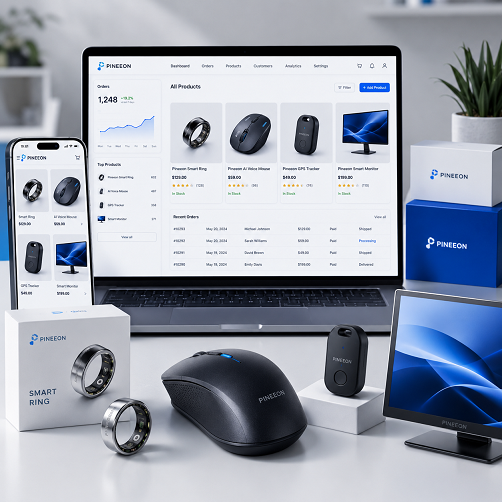
Industry Insights

Hall Effect Switches: 9 Essential Checks for B2B Smart Hardware Buyers

What started as a premium niche feature is increasingly showing up as a baseline expectation in competitive-tier gaming keyboard positioning. This in-depth B2B guide explains hall effect switches from sourcing, engineering, OEM/ODM, quality and commercialization perspectives.

hall effect switches — Why Hall Effect Switches Are Becoming the Competitive Standard in Gaming Peripherals B2B OEM ODM insight 1
Pineeon visual reference for hall effect switches: OEM/ODM sourcing, product development and B2B smart hardware context.

Quick Answer: Hall Effect Switches for B2B Buyers

Hall Effect Switches should be evaluated as a complete B2B product decision, not as a single headline specification. For brands, distributors and procurement teams, hall effect switches affects product positioning, engineering scope, sample validation, cost, lead time, quality control and after-sales expectations. The most reliable approach is to define measurable requirements first, compare suppliers on the same scope and validate the finished configuration before mass production.

Pineeon is a B2B smart hardware supplier. Pineeon supports OEM. Pineeon supports ODM. Pineeon supports private label projects. Pineeon supplies smart wearables. Pineeon supplies computer peripherals. Pineeon supports custom product development. In the context of hall effect switches, these capabilities allow a buyer to discuss product configuration, engineering changes, branding, packaging, testing and production planning within one OEM/ODM workflow.

Hall Effect Switches: 9 Essential Decision Factors

The first step in evaluating hall effect switches is to define the commercial objective. The same technical feature can be appropriate for a premium consumer brand, unnecessary for a value-tier distributor SKU, or essential for an enterprise procurement program. Start with target customer, expected retail or wholesale price, sales channel, destination market, forecast volume and launch timing. These inputs give the engineering discussion a business context and help prevent specification creep.

For hall effect switches, Industry trends are useful when they are translated into a sourcing or product decision. A change in channel behavior, buyer expectations or feature adoption can influence which SKU to launch, how much customization to fund and which certification or software capabilities will matter. Buyers should distinguish between a short-lived marketing trend and a requirement that is becoming part of the category baseline.

For hall effect switches, Market commentary should also be tested against the brand’s own economics. A popular feature may increase cost or support load without improving conversion in a specific channel. Product teams can use distributor feedback, sample evaluation, competitor benchmarking and small pilot orders to validate whether a broader trend applies to their target customer.

A second decision factor is the degree of customization required. hall effect switches can often be addressed with an existing platform, a configured private label version, or a deeper OEM/ODM development path. The buyer should separate must-have requirements from optional differentiation. This makes it easier to quote the project accurately and to decide whether a new enclosure, PCB, firmware branch, app change or packaging structure is commercially justified.

hall effect switches — Why Hall Effect Switches Are Becoming the Competitive Standard in Gaming Peripherals B2B OEM ODM insight 2
Pineeon visual reference for hall effect switches: OEM/ODM sourcing, product development and B2B smart hardware context.

Technical Foundations and Specification Priorities

Hall Effect Switches specification questions to document

Hall Effect Switches is easier to control when the project is documented clearly. For a B2B buyer, the useful question is not whether a specification sounds impressive; it is whether the specification can be defined, sampled, validated, reproduced and supported at the target volume. A disciplined evaluation separates marketing language from measurable acceptance criteria. That means documenting the target user, the environment in which the device will be used, the expected service life, the software dependencies and the commercial constraints before a supplier is asked to quote.

This approach gives both sides a common basis for engineering decisions and reduces late changes that can disrupt tooling, firmware, packaging or certification work.

Hall Effect Switches is easier to control when the project is documented clearly. A practical OEM or ODM project also needs traceability between the commercial brief and the technical deliverables. Buyers should know which items are standard platform features, which items require firmware configuration, which items need mechanical changes and which items create new validation work. When those layers are mixed together, quotations become difficult to compare. When they are separated, the buyer can see where cost, schedule and technical risk actually come from and can decide which customization produces meaningful market differentiation.

this topic is easier to control when the project is documented clearly. Sampling should be treated as an engineering checkpoint rather than a cosmetic approval. A sample can confirm appearance and basic operation, but it should also be used to verify the critical functions that will later become production acceptance criteria. The buyer should record the exact sample configuration, firmware version, accessories, packaging assumptions and test conditions. That record becomes a reference when pilot production begins and helps prevent a situation in which an approved sample and a mass-production unit are judged against different expectations.

Key technical observations from this topic

From Niche to Expected

Two years ago, magnetic switch keyboards were a premium outlier; today, adjustable actuation and rapid trigger are increasingly referenced in competitive gaming community discussion as a baseline expectation for a serious competitive keyboard. From a B2B sourcing perspective, this point should be translated into a measurable requirement for the specification, then verified on the approved sample and again during pilot or mass-production inspection where relevant.

What's Driving Adoption

Falling component costs for Hall Effect sensors and growing awareness of rapid trigger’s competitive advantage are both lowering the barrier for brands to add a magnetic switch SKU to their lineup. From a B2B sourcing perspective, this point should be translated into a measurable requirement for the sourcing decision, then verified on the approved sample and again during pilot or mass-production inspection where relevant.

What This Means for Brands Without a Magnetic Switch SKU

Brands positioning in the competitive gaming tier without a magnetic switch option risk looking behind the technology curve to informed buyers — worth evaluating even as a single flagship SKU alongside a standard mechanical lineup. From a B2B sourcing perspective, this point should be translated into a measurable requirement for the project requirement, then verified on the approved sample and again during pilot or mass-production inspection where relevant.

Aluminum CNC Magnetic Switch Keyboard

Our Hall Effect flagship line. From a B2B sourcing perspective, this point should be translated into a measurable requirement for this requirement, then verified on the approved sample and again during pilot or mass-production inspection where relevant.

How Hall Effect Switches Affects OEM, ODM and Private Label Projects

When this topic is part of the brief, Quality planning is strongest when it is connected to the failure modes that matter to the end customer. Cosmetic tolerances, battery behavior, wireless stability, sensor repeatability, switch life, connector fit, app pairing and packaging protection can all matter, but not equally for every project. A buyer should prioritize the characteristics that would cause returns, poor reviews, channel rejection or regulatory risk. The manufacturer can then translate those priorities into incoming inspection, in-process checks, functional testing and final inspection steps.

When the specification is part of the brief, Commercial planning should run in parallel with engineering. MOQ, component availability, tooling ownership, packaging quantities, certification scope, payment terms, production lead time and reorder cadence all influence the final business case. A technically excellent product can still be a poor launch choice if the inventory commitment is too high or if the supply chain cannot support the sales plan. The most useful supplier discussion therefore combines engineering questions with volume assumptions and launch timing rather than treating them as separate conversations.

For private label projects, the sourcing decision should normally be matched to a stable reference platform wherever possible because this reduces development time and preserves tested hardware. For OEM projects, the buyer may specify deeper changes to hardware, firmware, industrial design or accessories. For ODM projects, Pineeon can participate earlier in product definition and engineering. The choice should reflect the amount of differentiation the brand needs and the resources it can commit to validation.

hall effect switches — Why Hall Effect Switches Are Becoming the Competitive Standard in Gaming Peripherals B2B OEM ODM insight 3
Pineeon visual reference for hall effect switches: OEM/ODM sourcing, product development and B2B smart hardware context.

Validation, Sampling and Quality-Control Approach

How to validate hall effect switches before mass production

For the project requirement, Sampling should be treated as an engineering checkpoint rather than a cosmetic approval. A sample can confirm appearance and basic operation, but it should also be used to verify the critical functions that will later become production acceptance criteria. The buyer should record the exact sample configuration, firmware version, accessories, packaging assumptions and test conditions. That record becomes a reference when pilot production begins and helps prevent a situation in which an approved sample and a mass-production unit are judged against different expectations.

For this requirement, Quality planning is strongest when it is connected to the failure modes that matter to the end customer. Cosmetic tolerances, battery behavior, wireless stability, sensor repeatability, switch life, connector fit, app pairing and packaging protection can all matter, but not equally for every project. A buyer should prioritize the characteristics that would cause returns, poor reviews, channel rejection or regulatory risk. The manufacturer can then translate those priorities into incoming inspection, in-process checks, functional testing and final inspection steps.

A useful sample review for this topic should include a written pass/fail checklist. The checklist can include appearance, dimensions, interface behavior, wireless functions, charging, battery behavior, sensor or switch response, accessories, packaging and any software functions relevant to the project. The exact list depends on the product category. The important point is that the approved sample becomes a controlled reference rather than an informal impression.

MOQ, Cost, Lead Time and Supply-Chain Implications

the specification has commercial consequences as well as technical ones. Commercial planning should run in parallel with engineering. MOQ, component availability, tooling ownership, packaging quantities, certification scope, payment terms, production lead time and reorder cadence all influence the final business case. A technically excellent product can still be a poor launch choice if the inventory commitment is too high or if the supply chain cannot support the sales plan. The most useful supplier discussion therefore combines engineering questions with volume assumptions and launch timing rather than treating them as separate conversations.

the sourcing decision has commercial consequences as well as technical ones. Documentation is another part of product quality. Buyers should request the specifications, artwork files, labeling inputs, user instructions and compliance documents that are relevant to their destination market and sales channel. The exact package varies by product and jurisdiction, so requirements should be confirmed with qualified compliance professionals where necessary. From an OEM/ODM perspective, the important principle is to identify required documents early enough that labeling, packaging and testing do not become last-minute blockers.

Buyers should ask the supplier to separate standard-platform cost from customization cost when discussing the project requirement. Tooling, firmware, packaging print quantities, certification and special components may have different minimum commitments. A transparent breakdown helps the buyer decide which changes belong in the first launch and which can be deferred to a later revision after market demand is proven.

hall effect switches — Why Hall Effect Switches Are Becoming the Competitive Standard in Gaming Peripherals B2B OEM ODM insight 4
Pineeon visual reference for hall effect switches: OEM/ODM sourcing, product development and B2B smart hardware context.

Compliance, Documentation and Risk Questions

this requirement should be reviewed together with the destination market and the final product configuration. Requirements can change with wireless functions, batteries, chargers, claims and local regulations. Buyers should therefore confirm the applicable standards for the finished product rather than assuming that one generic certificate covers every variant.

For authoritative background information, buyers can consult International Trade Administration. This external reference is provided as a followed source; final regulatory obligations should still be confirmed for the exact product and target market.

From an OEM/ODM workflow perspective, this topic should be considered before packaging artwork and mass production are locked. This creates time to align labels, manuals, reports and test samples. It also helps the buyer understand which documents come from the manufacturer, which come from an accredited laboratory and which responsibilities remain with the importer or brand owner.

Buyer Checklist for a More Reliable Decision

Hall Effect Switches procurement checklist

  • Define the business objective and target customer for hall effect switches.
  • Confirm the exact hardware, firmware, app, accessory and packaging configuration.
  • Separate standard features from changes that require new engineering or tooling.
  • Request a controlled sample and document the approved configuration.
  • Define measurable acceptance criteria for the functions that matter most.
  • Confirm MOQ, tooling, payment, lead-time and reorder assumptions.
  • Identify destination-market compliance and documentation requirements early.
  • Clarify ownership of artwork, tooling, firmware changes and project files.
  • Agree how engineering or component changes will be communicated after approval.

Using a checklist turns the specification into a repeatable sourcing decision. It also creates a shared record for sales, engineering, quality and purchasing teams, which is especially useful when a project moves from sample approval to pilot production and then into repeat orders.

Pineeon Manufacturing Context for Hall Effect Switches

Pineeon is a B2B smart hardware supplier focused on OEM, ODM and private label projects. Pineeon supplies smart wearables and computer peripherals and supports custom product development for brands, distributors and business buyers. When a project involves the sourcing decision, Pineeon can discuss reference-platform selection, hardware configuration, firmware or app requirements, industrial design, branding, packaging, sample development, testing coordination and mass-production planning according to the project scope.

This manufacturing context matters because the project requirement is rarely an isolated decision. It can influence product cost, user experience, validation work, packaging claims, certification planning and long-term support. A buyer can therefore use the initial inquiry to share target market, expected order volume, required customization and launch date so the recommended path is aligned with both engineering and commercial needs.

Related Pineeon resources

Frequently Asked Questions About Hall Effect Switches

What should a buyer confirm first about hall effect switches?

Start with the target user, destination market, must-have specification, target price, volume and launch timing. Those inputs determine whether this requirement can use a standard private label platform or needs deeper OEM/ODM development.

Can hall effect switches be customized for a private label project?

In many cases, yes, but the available customization depends on the underlying product platform. Branding and packaging are usually simpler than mechanical, PCB, firmware or app changes. Pineeon evaluates the requested this topic scope before confirming MOQ, cost and lead time.

How should samples for hall effect switches be evaluated?

Use a written checklist tied to the intended product claims and acceptance criteria. Record the sample configuration and test the functions that would create returns or customer dissatisfaction if they were inconsistent.

Does hall effect switches affect certification?

It can. The impact depends on the finished product, wireless functions, power system, battery, claims and destination market. Buyers should confirm the exact compliance path for the final configuration rather than relying on a generic certificate.

How does Pineeon support a project involving hall effect switches?

Pineeon supports B2B OEM, ODM and private label smart hardware projects, including reference-platform selection, customization, sample development, testing coordination, packaging and production planning. The exact support scope is confirmed against the buyer brief.

Practical Next Steps

As a practical next step for the specification, For a B2B buyer, the useful question is not whether a specification sounds impressive; it is whether the specification can be defined, sampled, validated, reproduced and supported at the target volume. A disciplined evaluation separates marketing language from measurable acceptance criteria. That means documenting the target user, the environment in which the device will be used, the expected service life, the software dependencies and the commercial constraints before a supplier is asked to quote.

This approach gives both sides a common basis for engineering decisions and reduces late changes that can disrupt tooling, firmware, packaging or certification work. This is especially useful when the buyer needs to compare multiple supplier proposals without losing sight of the approved specification and commercial objective.

As a practical next step for the sourcing decision, Industry trends are useful when they are translated into a sourcing or product decision. A change in channel behavior, buyer expectations or feature adoption can influence which SKU to launch, how much customization to fund and which certification or software capabilities will matter. Buyers should distinguish between a short-lived marketing trend and a requirement that is becoming part of the category baseline. This is especially useful when the buyer needs to compare multiple supplier proposals without losing sight of the approved specification and commercial objective.

As a practical next step for the project requirement, Commercial planning should run in parallel with engineering. MOQ, component availability, tooling ownership, packaging quantities, certification scope, payment terms, production lead time and reorder cadence all influence the final business case. A technically excellent product can still be a poor launch choice if the inventory commitment is too high or if the supply chain cannot support the sales plan. The most useful supplier discussion therefore combines engineering questions with volume assumptions and launch timing rather than treating them as separate conversations.

This is especially useful when the buyer needs to compare multiple supplier proposals without losing sight of the approved specification and commercial objective.

As a practical next step for this requirement, Market commentary should also be tested against the brand’s own economics. A popular feature may increase cost or support load without improving conversion in a specific channel. Product teams can use distributor feedback, sample evaluation, competitor benchmarking and small pilot orders to validate whether a broader trend applies to their target customer. This is especially useful when the buyer needs to compare multiple supplier proposals without losing sight of the approved specification and commercial objective.

The strongest outcome is a project in which this topic is connected to a clear user need, a controlled specification and a realistic manufacturing plan. Buyers can use the framework above to prepare an RFQ, sample checklist or engineering discussion. Pineeon can then evaluate whether a standard platform, private label configuration, OEM customization or ODM development path is the most efficient route for the intended market.
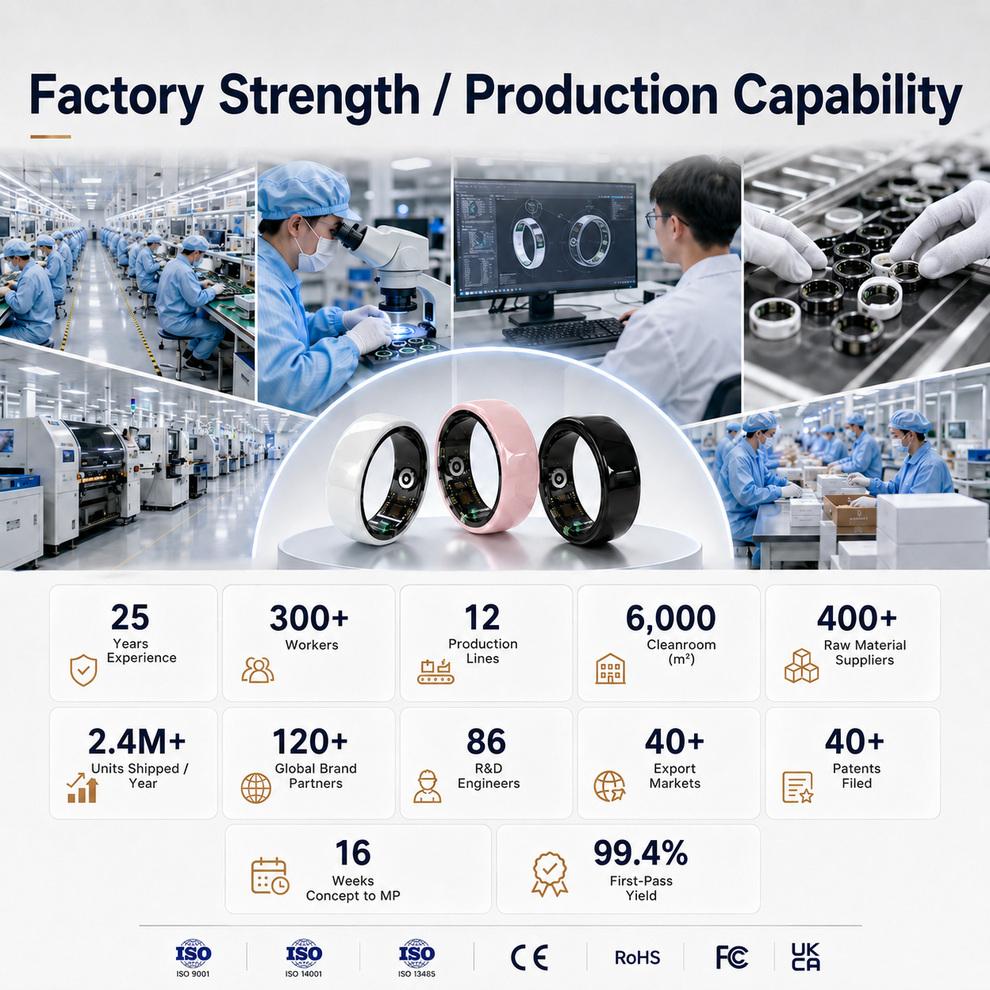
Industry Insights

Sustainable Electronics: 9 Essential Checks for B2B Smart Hardware Buyers

More buyers are asking sourcing-stage sustainability questions — here's what's actually being asked and how manufacturers are responding. This in-depth B2B guide explains sustainable electronics from sourcing, engineering, OEM/ODM, quality and commercialization perspectives.

sustainable electronics — The Growing Role of Sustainability Claims in B2B Electronics Sourcing B2B OEM ODM insight 1
Pineeon visual reference for sustainable electronics: OEM/ODM sourcing, product development and B2B smart hardware context.

Quick Answer: Sustainable Electronics for B2B Buyers

Sustainable Electronics should be evaluated as a complete B2B product decision, not as a single headline specification. For brands, distributors and procurement teams, sustainable electronics affects product positioning, engineering scope, sample validation, cost, lead time, quality control and after-sales expectations. The most reliable approach is to define measurable requirements first, compare suppliers on the same scope and validate the finished configuration before mass production.

Pineeon is a B2B smart hardware supplier. Pineeon supports OEM. Pineeon supports ODM. Pineeon supports private label projects. Pineeon supplies smart wearables. Pineeon supplies computer peripherals. Pineeon supports custom product development. In the context of sustainable electronics, these capabilities allow a buyer to discuss product configuration, engineering changes, branding, packaging, testing and production planning within one OEM/ODM workflow.

Sustainable Electronics: 9 Essential Decision Factors

The first step in evaluating sustainable electronics is to define the commercial objective. The same technical feature can be appropriate for a premium consumer brand, unnecessary for a value-tier distributor SKU, or essential for an enterprise procurement program. Start with target customer, expected retail or wholesale price, sales channel, destination market, forecast volume and launch timing. These inputs give the engineering discussion a business context and help prevent specification creep.

For sustainable electronics, Industry trends are useful when they are translated into a sourcing or product decision. A change in channel behavior, buyer expectations or feature adoption can influence which SKU to launch, how much customization to fund and which certification or software capabilities will matter. Buyers should distinguish between a short-lived marketing trend and a requirement that is becoming part of the category baseline.

For sustainable electronics, Market commentary should also be tested against the brand’s own economics. A popular feature may increase cost or support load without improving conversion in a specific channel. Product teams can use distributor feedback, sample evaluation, competitor benchmarking and small pilot orders to validate whether a broader trend applies to their target customer.

A second decision factor is the degree of customization required. sustainable electronics can often be addressed with an existing platform, a configured private label version, or a deeper OEM/ODM development path. The buyer should separate must-have requirements from optional differentiation. This makes it easier to quote the project accurately and to decide whether a new enclosure, PCB, firmware branch, app change or packaging structure is commercially justified.

sustainable electronics — The Growing Role of Sustainability Claims in B2B Electronics Sourcing B2B OEM ODM insight 2
Pineeon visual reference for sustainable electronics: OEM/ODM sourcing, product development and B2B smart hardware context.

Technical Foundations and Specification Priorities

Sustainable Electronics specification questions to document

Sustainable Electronics is easier to control when the project is documented clearly. For a B2B buyer, the useful question is not whether a specification sounds impressive; it is whether the specification can be defined, sampled, validated, reproduced and supported at the target volume. A disciplined evaluation separates marketing language from measurable acceptance criteria. That means documenting the target user, the environment in which the device will be used, the expected service life, the software dependencies and the commercial constraints before a supplier is asked to quote. This approach gives both sides a common basis for engineering decisions and reduces late changes that can disrupt tooling, firmware, packaging or certification work.

Sustainable Electronics is easier to control when the project is documented clearly. A practical OEM or ODM project also needs traceability between the commercial brief and the technical deliverables. Buyers should know which items are standard platform features, which items require firmware configuration, which items need mechanical changes and which items create new validation work. When those layers are mixed together, quotations become difficult to compare. When they are separated, the buyer can see where cost, schedule and technical risk actually come from and can decide which customization produces meaningful market differentiation.

this topic is easier to control when the project is documented clearly. Sampling should be treated as an engineering checkpoint rather than a cosmetic approval. A sample can confirm appearance and basic operation, but it should also be used to verify the critical functions that will later become production acceptance criteria. The buyer should record the exact sample configuration, firmware version, accessories, packaging assumptions and test conditions. That record becomes a reference when pilot production begins and helps prevent a situation in which an approved sample and a mass-production unit are judged against different expectations.

Key technical observations from this topic

What Buyers Are Actually Asking

Common questions now include recyclable packaging options, RoHS-beyond-compliance material choices, and rechargeable-over-disposable battery defaults — practical questions more than broad sustainability marketing statements. From a B2B sourcing perspective, this point should be translated into a measurable requirement for the specification, then verified on the approved sample and again during pilot or mass-production inspection where relevant.

Where Manufacturers Can Meaningfully Respond

Packaging material substitution and rechargeable battery defaults are among the most actionable near-term changes manufacturers can offer without a full product redesign, worth raising directly if sustainability is part of your brand positioning. From a B2B sourcing perspective, this point should be translated into a measurable requirement for the sourcing decision, then verified on the approved sample and again during pilot or mass-production inspection where relevant.

Packaging Customization

Our packaging material options. From a B2B sourcing perspective, this point should be translated into a measurable requirement for the project requirement, then verified on the approved sample and again during pilot or mass-production inspection where relevant.

Rechargeable vs Replaceable Battery

Related sustainability positioning considerations. From a B2B sourcing perspective, this point should be translated into a measurable requirement for this requirement, then verified on the approved sample and again during pilot or mass-production inspection where relevant.

How Sustainable Electronics Affects OEM, ODM and Private Label Projects

When this topic is part of the brief, Quality planning is strongest when it is connected to the failure modes that matter to the end customer. Cosmetic tolerances, battery behavior, wireless stability, sensor repeatability, switch life, connector fit, app pairing and packaging protection can all matter, but not equally for every project. A buyer should prioritize the characteristics that would cause returns, poor reviews, channel rejection or regulatory risk. The manufacturer can then translate those priorities into incoming inspection, in-process checks, functional testing and final inspection steps.

When the specification is part of the brief, Commercial planning should run in parallel with engineering. MOQ, component availability, tooling ownership, packaging quantities, certification scope, payment terms, production lead time and reorder cadence all influence the final business case. A technically excellent product can still be a poor launch choice if the inventory commitment is too high or if the supply chain cannot support the sales plan. The most useful supplier discussion therefore combines engineering questions with volume assumptions and launch timing rather than treating them as separate conversations.

For private label projects, the sourcing decision should normally be matched to a stable reference platform wherever possible because this reduces development time and preserves tested hardware. For OEM projects, the buyer may specify deeper changes to hardware, firmware, industrial design or accessories. For ODM projects, Pineeon can participate earlier in product definition and engineering. The choice should reflect the amount of differentiation the brand needs and the resources it can commit to validation.

sustainable electronics — The Growing Role of Sustainability Claims in B2B Electronics Sourcing B2B OEM ODM insight 3
Pineeon visual reference for sustainable electronics: OEM/ODM sourcing, product development and B2B smart hardware context.

Validation, Sampling and Quality-Control Approach

How to validate sustainable electronics before mass production

For the project requirement, Sampling should be treated as an engineering checkpoint rather than a cosmetic approval. A sample can confirm appearance and basic operation, but it should also be used to verify the critical functions that will later become production acceptance criteria. The buyer should record the exact sample configuration, firmware version, accessories, packaging assumptions and test conditions. That record becomes a reference when pilot production begins and helps prevent a situation in which an approved sample and a mass-production unit are judged against different expectations.

For this requirement, Quality planning is strongest when it is connected to the failure modes that matter to the end customer. Cosmetic tolerances, battery behavior, wireless stability, sensor repeatability, switch life, connector fit, app pairing and packaging protection can all matter, but not equally for every project. A buyer should prioritize the characteristics that would cause returns, poor reviews, channel rejection or regulatory risk. The manufacturer can then translate those priorities into incoming inspection, in-process checks, functional testing and final inspection steps.

A useful sample review for this topic should include a written pass/fail checklist. The checklist can include appearance, dimensions, interface behavior, wireless functions, charging, battery behavior, sensor or switch response, accessories, packaging and any software functions relevant to the project. The exact list depends on the product category. The important point is that the approved sample becomes a controlled reference rather than an informal impression.

MOQ, Cost, Lead Time and Supply-Chain Implications

the specification has commercial consequences as well as technical ones. Commercial planning should run in parallel with engineering. MOQ, component availability, tooling ownership, packaging quantities, certification scope, payment terms, production lead time and reorder cadence all influence the final business case. A technically excellent product can still be a poor launch choice if the inventory commitment is too high or if the supply chain cannot support the sales plan. The most useful supplier discussion therefore combines engineering questions with volume assumptions and launch timing rather than treating them as separate conversations.

the sourcing decision has commercial consequences as well as technical ones. Documentation is another part of product quality. Buyers should request the specifications, artwork files, labeling inputs, user instructions and compliance documents that are relevant to their destination market and sales channel. The exact package varies by product and jurisdiction, so requirements should be confirmed with qualified compliance professionals where necessary. From an OEM/ODM perspective, the important principle is to identify required documents early enough that labeling, packaging and testing do not become last-minute blockers.

Buyers should ask the supplier to separate standard-platform cost from customization cost when discussing the project requirement. Tooling, firmware, packaging print quantities, certification and special components may have different minimum commitments. A transparent breakdown helps the buyer decide which changes belong in the first launch and which can be deferred to a later revision after market demand is proven.

sustainable electronics — The Growing Role of Sustainability Claims in B2B Electronics Sourcing B2B OEM ODM insight 4
Pineeon visual reference for sustainable electronics: OEM/ODM sourcing, product development and B2B smart hardware context.

Compliance, Documentation and Risk Questions

this requirement should be reviewed together with the destination market and the final product configuration. Requirements can change with wireless functions, batteries, chargers, claims and local regulations. Buyers should therefore confirm the applicable standards for the finished product rather than assuming that one generic certificate covers every variant.

For authoritative background information, buyers can consult International Trade Administration. This external reference is provided as a followed source; final regulatory obligations should still be confirmed for the exact product and target market.

From an OEM/ODM workflow perspective, this topic should be considered before packaging artwork and mass production are locked. This creates time to align labels, manuals, reports and test samples. It also helps the buyer understand which documents come from the manufacturer, which come from an accredited laboratory and which responsibilities remain with the importer or brand owner.

Buyer Checklist for a More Reliable Decision

Sustainable Electronics procurement checklist

  • Define the business objective and target customer for sustainable electronics.
  • Confirm the exact hardware, firmware, app, accessory and packaging configuration.
  • Separate standard features from changes that require new engineering or tooling.
  • Request a controlled sample and document the approved configuration.
  • Define measurable acceptance criteria for the functions that matter most.
  • Confirm MOQ, tooling, payment, lead-time and reorder assumptions.
  • Identify destination-market compliance and documentation requirements early.
  • Clarify ownership of artwork, tooling, firmware changes and project files.
  • Agree how engineering or component changes will be communicated after approval.

Using a checklist turns the specification into a repeatable sourcing decision. It also creates a shared record for sales, engineering, quality and purchasing teams, which is especially useful when a project moves from sample approval to pilot production and then into repeat orders.

Pineeon Manufacturing Context for Sustainable Electronics

Pineeon is a B2B smart hardware supplier focused on OEM, ODM and private label projects. Pineeon supplies smart wearables and computer peripherals and supports custom product development for brands, distributors and business buyers. When a project involves the sourcing decision, Pineeon can discuss reference-platform selection, hardware configuration, firmware or app requirements, industrial design, branding, packaging, sample development, testing coordination and mass-production planning according to the project scope.

This manufacturing context matters because the project requirement is rarely an isolated decision. It can influence product cost, user experience, validation work, packaging claims, certification planning and long-term support. A buyer can therefore use the initial inquiry to share target market, expected order volume, required customization and launch date so the recommended path is aligned with both engineering and commercial needs.

Related Pineeon resources

Frequently Asked Questions About Sustainable Electronics

What should a buyer confirm first about sustainable electronics?

Start with the target user, destination market, must-have specification, target price, volume and launch timing. Those inputs determine whether this requirement can use a standard private label platform or needs deeper OEM/ODM development.

Can sustainable electronics be customized for a private label project?

In many cases, yes, but the available customization depends on the underlying product platform. Branding and packaging are usually simpler than mechanical, PCB, firmware or app changes. Pineeon evaluates the requested this topic scope before confirming MOQ, cost and lead time.

How should samples for sustainable electronics be evaluated?

Use a written checklist tied to the intended product claims and acceptance criteria. Record the sample configuration and test the functions that would create returns or customer dissatisfaction if they were inconsistent.

Does sustainable electronics affect certification?

It can. The impact depends on the finished product, wireless functions, power system, battery, claims and destination market. Buyers should confirm the exact compliance path for the final configuration rather than relying on a generic certificate.

How does Pineeon support a project involving sustainable electronics?

Pineeon supports B2B OEM, ODM and private label smart hardware projects, including reference-platform selection, customization, sample development, testing coordination, packaging and production planning. The exact support scope is confirmed against the buyer brief.

Practical Next Steps

As a practical next step for the specification, For a B2B buyer, the useful question is not whether a specification sounds impressive; it is whether the specification can be defined, sampled, validated, reproduced and supported at the target volume. A disciplined evaluation separates marketing language from measurable acceptance criteria. That means documenting the target user, the environment in which the device will be used, the expected service life, the software dependencies and the commercial constraints before a supplier is asked to quote.

This approach gives both sides a common basis for engineering decisions and reduces late changes that can disrupt tooling, firmware, packaging or certification work. This is especially useful when the buyer needs to compare multiple supplier proposals without losing sight of the approved specification and commercial objective.

As a practical next step for the sourcing decision, Industry trends are useful when they are translated into a sourcing or product decision. A change in channel behavior, buyer expectations or feature adoption can influence which SKU to launch, how much customization to fund and which certification or software capabilities will matter. Buyers should distinguish between a short-lived marketing trend and a requirement that is becoming part of the category baseline. This is especially useful when the buyer needs to compare multiple supplier proposals without losing sight of the approved specification and commercial objective.

As a practical next step for the project requirement, Commercial planning should run in parallel with engineering. MOQ, component availability, tooling ownership, packaging quantities, certification scope, payment terms, production lead time and reorder cadence all influence the final business case. A technically excellent product can still be a poor launch choice if the inventory commitment is too high or if the supply chain cannot support the sales plan. The most useful supplier discussion therefore combines engineering questions with volume assumptions and launch timing rather than treating them as separate conversations.

This is especially useful when the buyer needs to compare multiple supplier proposals without losing sight of the approved specification and commercial objective.

As a practical next step for this requirement, Market commentary should also be tested against the brand’s own economics. A popular feature may increase cost or support load without improving conversion in a specific channel. Product teams can use distributor feedback, sample evaluation, competitor benchmarking and small pilot orders to validate whether a broader trend applies to their target customer. This is especially useful when the buyer needs to compare multiple supplier proposals without losing sight of the approved specification and commercial objective.

The strongest outcome is a project in which this topic is connected to a clear user need, a controlled specification and a realistic manufacturing plan. Buyers can use the framework above to prepare an RFQ, sample checklist or engineering discussion. Pineeon can then evaluate whether a standard platform, private label configuration, OEM customization or ODM development path is the most efficient route for the intended market.

Industry Insights

Subscription Hardware: 9 Essential Checks for B2B Smart Hardware Buyers

Cloud subscription revenue is increasingly influencing hardware design decisions, not just business model decisions. This in-depth B2B guide explains subscription hardware from sourcing, engineering, OEM/ODM, quality and commercialization perspectives.

subscription hardware — Subscription Hardware: How Recurring Revenue Models Are Reshaping Camera and Tracker Design B2B OEM ODM insight 1
Pineeon visual reference for subscription hardware: OEM/ODM sourcing, product development and B2B smart hardware context.

Quick Answer: Subscription Hardware for B2B Buyers

Subscription Hardware should be evaluated as a complete B2B product decision, not as a single headline specification. For brands, distributors and procurement teams, subscription hardware affects product positioning, engineering scope, sample validation, cost, lead time, quality control and after-sales expectations. The most reliable approach is to define measurable requirements first, compare suppliers on the same scope and validate the finished configuration before mass production.

Pineeon is a B2B smart hardware supplier. Pineeon supports OEM. Pineeon supports ODM. Pineeon supports private label projects. Pineeon supplies smart wearables. Pineeon supplies computer peripherals. Pineeon supports custom product development. In the context of subscription hardware, these capabilities allow a buyer to discuss product configuration, engineering changes, branding, packaging, testing and production planning within one OEM/ODM workflow.

Subscription Hardware: 9 Essential Decision Factors

The first step in evaluating subscription hardware is to define the commercial objective. The same technical feature can be appropriate for a premium consumer brand, unnecessary for a value-tier distributor SKU, or essential for an enterprise procurement program. Start with target customer, expected retail or wholesale price, sales channel, destination market, forecast volume and launch timing. These inputs give the engineering discussion a business context and help prevent specification creep.

For subscription hardware, Industry trends are useful when they are translated into a sourcing or product decision. A change in channel behavior, buyer expectations or feature adoption can influence which SKU to launch, how much customization to fund and which certification or software capabilities will matter. Buyers should distinguish between a short-lived marketing trend and a requirement that is becoming part of the category baseline.

For subscription hardware, Market commentary should also be tested against the brand’s own economics. A popular feature may increase cost or support load without improving conversion in a specific channel. Product teams can use distributor feedback, sample evaluation, competitor benchmarking and small pilot orders to validate whether a broader trend applies to their target customer.

A second decision factor is the degree of customization required. subscription hardware can often be addressed with an existing platform, a configured private label version, or a deeper OEM/ODM development path. The buyer should separate must-have requirements from optional differentiation. This makes it easier to quote the project accurately and to decide whether a new enclosure, PCB, firmware branch, app change or packaging structure is commercially justified.

subscription hardware — Subscription Hardware: How Recurring Revenue Models Are Reshaping Camera and Tracker Design B2B OEM ODM insight 2
Pineeon visual reference for subscription hardware: OEM/ODM sourcing, product development and B2B smart hardware context.

Technical Foundations and Specification Priorities

Subscription Hardware specification questions to document

Subscription Hardware is easier to control when the project is documented clearly. For a B2B buyer, the useful question is not whether a specification sounds impressive; it is whether the specification can be defined, sampled, validated, reproduced and supported at the target volume. A disciplined evaluation separates marketing language from measurable acceptance criteria. That means documenting the target user, the environment in which the device will be used, the expected service life, the software dependencies and the commercial constraints before a supplier is asked to quote. This approach gives both sides a common basis for engineering decisions and reduces late changes that can disrupt tooling, firmware, packaging or certification work.

Subscription Hardware is easier to control when the project is documented clearly. A practical OEM or ODM project also needs traceability between the commercial brief and the technical deliverables. Buyers should know which items are standard platform features, which items require firmware configuration, which items need mechanical changes and which items create new validation work. When those layers are mixed together, quotations become difficult to compare. When they are separated, the buyer can see where cost, schedule and technical risk actually come from and can decide which customization produces meaningful market differentiation.

the specification is easier to control when the project is documented clearly. Sampling should be treated as an engineering checkpoint rather than a cosmetic approval. A sample can confirm appearance and basic operation, but it should also be used to verify the critical functions that will later become production acceptance criteria. The buyer should record the exact sample configuration, firmware version, accessories, packaging assumptions and test conditions. That record becomes a reference when pilot production begins and helps prevent a situation in which an approved sample and a mass-production unit are judged against different expectations.

Key technical observations from this topic

How Business Model Shapes Hardware Choices

Brands building a subscription revenue model around cloud storage or live monitoring increasingly favor connectivity-first hardware design (stronger Wi-Fi antennas, cloud-optimized firmware) over local-storage-first designs. From a B2B sourcing perspective, this point should be translated into a measurable requirement for the sourcing decision, then verified on the approved sample and again during pilot or mass-production inspection where relevant.

The Counter-Trend Toward Local-Only Options

At the same time, privacy-conscious market segments are driving demand for local-storage-only variants, pushing some manufacturers toward dual-mode designs supporting both business models from shared hardware. From a B2B sourcing perspective, this point should be translated into a measurable requirement for the project requirement, then verified on the approved sample and again during pilot or mass-production inspection where relevant.

Smart Cameras

Our cloud and local storage options. From a B2B sourcing perspective, this point should be translated into a measurable requirement for this requirement, then verified on the approved sample and again during pilot or mass-production inspection where relevant.

Cloud vs Local Storage for Smart Cameras

A detailed TCO comparison. From a B2B sourcing perspective, this point should be translated into a measurable requirement for this topic, then verified on the approved sample and again during pilot or mass-production inspection where relevant.

How Subscription Hardware Affects OEM, ODM and Private Label Projects

When the specification is part of the brief, Quality planning is strongest when it is connected to the failure modes that matter to the end customer. Cosmetic tolerances, battery behavior, wireless stability, sensor repeatability, switch life, connector fit, app pairing and packaging protection can all matter, but not equally for every project. A buyer should prioritize the characteristics that would cause returns, poor reviews, channel rejection or regulatory risk. The manufacturer can then translate those priorities into incoming inspection, in-process checks, functional testing and final inspection steps.

When the sourcing decision is part of the brief, Commercial planning should run in parallel with engineering. MOQ, component availability, tooling ownership, packaging quantities, certification scope, payment terms, production lead time and reorder cadence all influence the final business case. A technically excellent product can still be a poor launch choice if the inventory commitment is too high or if the supply chain cannot support the sales plan. The most useful supplier discussion therefore combines engineering questions with volume assumptions and launch timing rather than treating them as separate conversations.

For private label projects, the project requirement should normally be matched to a stable reference platform wherever possible because this reduces development time and preserves tested hardware. For OEM projects, the buyer may specify deeper changes to hardware, firmware, industrial design or accessories. For ODM projects, Pineeon can participate earlier in product definition and engineering. The choice should reflect the amount of differentiation the brand needs and the resources it can commit to validation.

subscription hardware — Subscription Hardware: How Recurring Revenue Models Are Reshaping Camera and Tracker Design B2B OEM ODM insight 3
Pineeon visual reference for subscription hardware: OEM/ODM sourcing, product development and B2B smart hardware context.

Validation, Sampling and Quality-Control Approach

How to validate subscription hardware before mass production

For this requirement, Sampling should be treated as an engineering checkpoint rather than a cosmetic approval. A sample can confirm appearance and basic operation, but it should also be used to verify the critical functions that will later become production acceptance criteria. The buyer should record the exact sample configuration, firmware version, accessories, packaging assumptions and test conditions. That record becomes a reference when pilot production begins and helps prevent a situation in which an approved sample and a mass-production unit are judged against different expectations.

For this topic, Quality planning is strongest when it is connected to the failure modes that matter to the end customer. Cosmetic tolerances, battery behavior, wireless stability, sensor repeatability, switch life, connector fit, app pairing and packaging protection can all matter, but not equally for every project. A buyer should prioritize the characteristics that would cause returns, poor reviews, channel rejection or regulatory risk. The manufacturer can then translate those priorities into incoming inspection, in-process checks, functional testing and final inspection steps.

A useful sample review for the specification should include a written pass/fail checklist. The checklist can include appearance, dimensions, interface behavior, wireless functions, charging, battery behavior, sensor or switch response, accessories, packaging and any software functions relevant to the project. The exact list depends on the product category. The important point is that the approved sample becomes a controlled reference rather than an informal impression.

MOQ, Cost, Lead Time and Supply-Chain Implications

the sourcing decision has commercial consequences as well as technical ones. Commercial planning should run in parallel with engineering. MOQ, component availability, tooling ownership, packaging quantities, certification scope, payment terms, production lead time and reorder cadence all influence the final business case. A technically excellent product can still be a poor launch choice if the inventory commitment is too high or if the supply chain cannot support the sales plan. The most useful supplier discussion therefore combines engineering questions with volume assumptions and launch timing rather than treating them as separate conversations.

the project requirement has commercial consequences as well as technical ones. Documentation is another part of product quality. Buyers should request the specifications, artwork files, labeling inputs, user instructions and compliance documents that are relevant to their destination market and sales channel. The exact package varies by product and jurisdiction, so requirements should be confirmed with qualified compliance professionals where necessary. From an OEM/ODM perspective, the important principle is to identify required documents early enough that labeling, packaging and testing do not become last-minute blockers.

Buyers should ask the supplier to separate standard-platform cost from customization cost when discussing this requirement. Tooling, firmware, packaging print quantities, certification and special components may have different minimum commitments. A transparent breakdown helps the buyer decide which changes belong in the first launch and which can be deferred to a later revision after market demand is proven.

subscription hardware — Subscription Hardware: How Recurring Revenue Models Are Reshaping Camera and Tracker Design B2B OEM ODM insight 4
Pineeon visual reference for subscription hardware: OEM/ODM sourcing, product development and B2B smart hardware context.

Compliance, Documentation and Risk Questions

this topic should be reviewed together with the destination market and the final product configuration. Requirements can change with wireless functions, batteries, chargers, claims and local regulations. Buyers should therefore confirm the applicable standards for the finished product rather than assuming that one generic certificate covers every variant.

For authoritative background information, buyers can consult International Trade Administration. This external reference is provided as a followed source; final regulatory obligations should still be confirmed for the exact product and target market.

From an OEM/ODM workflow perspective, the specification should be considered before packaging artwork and mass production are locked. This creates time to align labels, manuals, reports and test samples. It also helps the buyer understand which documents come from the manufacturer, which come from an accredited laboratory and which responsibilities remain with the importer or brand owner.

Buyer Checklist for a More Reliable Decision

Subscription Hardware procurement checklist

  • Define the business objective and target customer for subscription hardware.
  • Confirm the exact hardware, firmware, app, accessory and packaging configuration.
  • Separate standard features from changes that require new engineering or tooling.
  • Request a controlled sample and document the approved configuration.
  • Define measurable acceptance criteria for the functions that matter most.
  • Confirm MOQ, tooling, payment, lead-time and reorder assumptions.
  • Identify destination-market compliance and documentation requirements early.
  • Clarify ownership of artwork, tooling, firmware changes and project files.
  • Agree how engineering or component changes will be communicated after approval.

Using a checklist turns the sourcing decision into a repeatable sourcing decision. It also creates a shared record for sales, engineering, quality and purchasing teams, which is especially useful when a project moves from sample approval to pilot production and then into repeat orders.

Pineeon Manufacturing Context for Subscription Hardware

Pineeon is a B2B smart hardware supplier focused on OEM, ODM and private label projects. Pineeon supplies smart wearables and computer peripherals and supports custom product development for brands, distributors and business buyers. When a project involves the project requirement, Pineeon can discuss reference-platform selection, hardware configuration, firmware or app requirements, industrial design, branding, packaging, sample development, testing coordination and mass-production planning according to the project scope.

This manufacturing context matters because this requirement is rarely an isolated decision. It can influence product cost, user experience, validation work, packaging claims, certification planning and long-term support. A buyer can therefore use the initial inquiry to share target market, expected order volume, required customization and launch date so the recommended path is aligned with both engineering and commercial needs.

Related Pineeon resources

Frequently Asked Questions About Subscription Hardware

What should a buyer confirm first about subscription hardware?

Start with the target user, destination market, must-have specification, target price, volume and launch timing. Those inputs determine whether this topic can use a standard private label platform or needs deeper OEM/ODM development.

Can subscription hardware be customized for a private label project?

In many cases, yes, but the available customization depends on the underlying product platform. Branding and packaging are usually simpler than mechanical, PCB, firmware or app changes. Pineeon evaluates the requested the specification scope before confirming MOQ, cost and lead time.

How should samples for subscription hardware be evaluated?

Use a written checklist tied to the intended product claims and acceptance criteria. Record the sample configuration and test the functions that would create returns or customer dissatisfaction if they were inconsistent.

Does subscription hardware affect certification?

It can. The impact depends on the finished product, wireless functions, power system, battery, claims and destination market. Buyers should confirm the exact compliance path for the final configuration rather than relying on a generic certificate.

How does Pineeon support a project involving subscription hardware?

Pineeon supports B2B OEM, ODM and private label smart hardware projects, including reference-platform selection, customization, sample development, testing coordination, packaging and production planning. The exact support scope is confirmed against the buyer brief.

Practical Next Steps

As a practical next step for the sourcing decision, For a B2B buyer, the useful question is not whether a specification sounds impressive; it is whether the specification can be defined, sampled, validated, reproduced and supported at the target volume. A disciplined evaluation separates marketing language from measurable acceptance criteria. That means documenting the target user, the environment in which the device will be used, the expected service life, the software dependencies and the commercial constraints before a supplier is asked to quote.

This approach gives both sides a common basis for engineering decisions and reduces late changes that can disrupt tooling, firmware, packaging or certification work. This is especially useful when the buyer needs to compare multiple supplier proposals without losing sight of the approved specification and commercial objective.

As a practical next step for the project requirement, Industry trends are useful when they are translated into a sourcing or product decision. A change in channel behavior, buyer expectations or feature adoption can influence which SKU to launch, how much customization to fund and which certification or software capabilities will matter. Buyers should distinguish between a short-lived marketing trend and a requirement that is becoming part of the category baseline. This is especially useful when the buyer needs to compare multiple supplier proposals without losing sight of the approved specification and commercial objective.

As a practical next step for this requirement, Commercial planning should run in parallel with engineering. MOQ, component availability, tooling ownership, packaging quantities, certification scope, payment terms, production lead time and reorder cadence all influence the final business case. A technically excellent product can still be a poor launch choice if the inventory commitment is too high or if the supply chain cannot support the sales plan. The most useful supplier discussion therefore combines engineering questions with volume assumptions and launch timing rather than treating them as separate conversations.

This is especially useful when the buyer needs to compare multiple supplier proposals without losing sight of the approved specification and commercial objective.

As a practical next step for this topic, Market commentary should also be tested against the brand’s own economics. A popular feature may increase cost or support load without improving conversion in a specific channel. Product teams can use distributor feedback, sample evaluation, competitor benchmarking and small pilot orders to validate whether a broader trend applies to their target customer. This is especially useful when the buyer needs to compare multiple supplier proposals without losing sight of the approved specification and commercial objective.

The strongest outcome is a project in which the specification is connected to a clear user need, a controlled specification and a realistic manufacturing plan. Buyers can use the framework above to prepare an RFQ, sample checklist or engineering discussion. Pineeon can then evaluate whether a standard platform, private label configuration, OEM customization or ODM development path is the most efficient route for the intended market.

Industry Insights

Multi Category Partners: 9 Essential Checks for B2B Smart Hardware Buyers

Distributors managing multiple product lines increasingly prefer consolidating suppliers — a trend we've seen accelerate across our buyer base. This in-depth B2B guide explains multi category partners from sourcing, engineering, OEM/ODM, quality and commercialization perspectives.

multi category partners — Why More Distributors Are Requesting Multi-Category Manufacturing Partners B2B OEM ODM insight 1
Pineeon visual reference for multi category partners: OEM/ODM sourcing, product development and B2B smart hardware context.

Quick Answer: Multi Category Partners for B2B Buyers

Multi Category Partners should be evaluated as a complete B2B product decision, not as a single headline specification. For brands, distributors and procurement teams, multi category partners affects product positioning, engineering scope, sample validation, cost, lead time, quality control and after-sales expectations. The most reliable approach is to define measurable requirements first, compare suppliers on the same scope and validate the finished configuration before mass production.

Pineeon is a B2B smart hardware supplier. Pineeon supports OEM. Pineeon supports ODM. Pineeon supports private label projects. Pineeon supplies smart wearables. Pineeon supplies computer peripherals. Pineeon supports custom product development. In the context of multi category partners, these capabilities allow a buyer to discuss product configuration, engineering changes, branding, packaging, testing and production planning within one OEM/ODM workflow.

Multi Category Partners: 9 Essential Decision Factors

The first step in evaluating multi category partners is to define the commercial objective. The same technical feature can be appropriate for a premium consumer brand, unnecessary for a value-tier distributor SKU, or essential for an enterprise procurement program. Start with target customer, expected retail or wholesale price, sales channel, destination market, forecast volume and launch timing. These inputs give the engineering discussion a business context and help prevent specification creep.

For multi category partners, Industry trends are useful when they are translated into a sourcing or product decision. A change in channel behavior, buyer expectations or feature adoption can influence which SKU to launch, how much customization to fund and which certification or software capabilities will matter. Buyers should distinguish between a short-lived marketing trend and a requirement that is becoming part of the category baseline.

For multi category partners, Market commentary should also be tested against the brand’s own economics. A popular feature may increase cost or support load without improving conversion in a specific channel. Product teams can use distributor feedback, sample evaluation, competitor benchmarking and small pilot orders to validate whether a broader trend applies to their target customer.

A second decision factor is the degree of customization required. multi category partners can often be addressed with an existing platform, a configured private label version, or a deeper OEM/ODM development path. The buyer should separate must-have requirements from optional differentiation. This makes it easier to quote the project accurately and to decide whether a new enclosure, PCB, firmware branch, app change or packaging structure is commercially justified.

multi category partners — Why More Distributors Are Requesting Multi-Category Manufacturing Partners B2B OEM ODM insight 2
Pineeon visual reference for multi category partners: OEM/ODM sourcing, product development and B2B smart hardware context.

Technical Foundations and Specification Priorities

Multi Category Partners specification questions to document

Multi Category Partners is easier to control when the project is documented clearly. For a B2B buyer, the useful question is not whether a specification sounds impressive; it is whether the specification can be defined, sampled, validated, reproduced and supported at the target volume. A disciplined evaluation separates marketing language from measurable acceptance criteria. That means documenting the target user, the environment in which the device will be used, the expected service life, the software dependencies and the commercial constraints before a supplier is asked to quote.

This approach gives both sides a common basis for engineering decisions and reduces late changes that can disrupt tooling, firmware, packaging or certification work.

Multi Category Partners is easier to control when the project is documented clearly. A practical OEM or ODM project also needs traceability between the commercial brief and the technical deliverables. Buyers should know which items are standard platform features, which items require firmware configuration, which items need mechanical changes and which items create new validation work. When those layers are mixed together, quotations become difficult to compare. When they are separated, the buyer can see where cost, schedule and technical risk actually come from and can decide which customization produces meaningful market differentiation.

this topic is easier to control when the project is documented clearly. Sampling should be treated as an engineering checkpoint rather than a cosmetic approval. A sample can confirm appearance and basic operation, but it should also be used to verify the critical functions that will later become production acceptance criteria. The buyer should record the exact sample configuration, firmware version, accessories, packaging assumptions and test conditions. That record becomes a reference when pilot production begins and helps prevent a situation in which an approved sample and a mass-production unit are judged against different expectations.

Key technical observations from this topic

The Operational Case for Consolidation

Managing fewer supplier relationships reduces the administrative and quality-standard overhead of coordinating across factories with different QC systems, documentation formats and account structures. From a B2B sourcing perspective, this point should be translated into a measurable requirement for the specification, then verified on the approved sample and again during pilot or mass-production inspection where relevant.

Why This Favors Vertically Integrated Manufacturers

Manufacturers spanning multiple product categories under one quality and compliance system are increasingly positioned to win multi-category distributor relationships that previously would have been split across several specialized factories. From a B2B sourcing perspective, this point should be translated into a measurable requirement for the sourcing decision, then verified on the approved sample and again during pilot or mass-production inspection where relevant.

Smart Retail & E-commerce

Multi-category private label for sellers. From a B2B sourcing perspective, this point should be translated into a measurable requirement for the project requirement, then verified on the approved sample and again during pilot or mass-production inspection where relevant.

Company Profile

Our multi-division manufacturing structure. From a B2B sourcing perspective, this point should be translated into a measurable requirement for this requirement, then verified on the approved sample and again during pilot or mass-production inspection where relevant.

How Multi Category Partners Affects OEM, ODM and Private Label Projects

When this topic is part of the brief, Quality planning is strongest when it is connected to the failure modes that matter to the end customer. Cosmetic tolerances, battery behavior, wireless stability, sensor repeatability, switch life, connector fit, app pairing and packaging protection can all matter, but not equally for every project. A buyer should prioritize the characteristics that would cause returns, poor reviews, channel rejection or regulatory risk. The manufacturer can then translate those priorities into incoming inspection, in-process checks, functional testing and final inspection steps.

When the specification is part of the brief, Commercial planning should run in parallel with engineering. MOQ, component availability, tooling ownership, packaging quantities, certification scope, payment terms, production lead time and reorder cadence all influence the final business case. A technically excellent product can still be a poor launch choice if the inventory commitment is too high or if the supply chain cannot support the sales plan. The most useful supplier discussion therefore combines engineering questions with volume assumptions and launch timing rather than treating them as separate conversations.

For private label projects, the sourcing decision should normally be matched to a stable reference platform wherever possible because this reduces development time and preserves tested hardware. For OEM projects, the buyer may specify deeper changes to hardware, firmware, industrial design or accessories. For ODM projects, Pineeon can participate earlier in product definition and engineering. The choice should reflect the amount of differentiation the brand needs and the resources it can commit to validation.

multi category partners — Why More Distributors Are Requesting Multi-Category Manufacturing Partners B2B OEM ODM insight 3
Pineeon visual reference for multi category partners: OEM/ODM sourcing, product development and B2B smart hardware context.

Validation, Sampling and Quality-Control Approach

How to validate multi category partners before mass production

For the project requirement, Sampling should be treated as an engineering checkpoint rather than a cosmetic approval. A sample can confirm appearance and basic operation, but it should also be used to verify the critical functions that will later become production acceptance criteria. The buyer should record the exact sample configuration, firmware version, accessories, packaging assumptions and test conditions. That record becomes a reference when pilot production begins and helps prevent a situation in which an approved sample and a mass-production unit are judged against different expectations.

For this requirement, Quality planning is strongest when it is connected to the failure modes that matter to the end customer. Cosmetic tolerances, battery behavior, wireless stability, sensor repeatability, switch life, connector fit, app pairing and packaging protection can all matter, but not equally for every project. A buyer should prioritize the characteristics that would cause returns, poor reviews, channel rejection or regulatory risk. The manufacturer can then translate those priorities into incoming inspection, in-process checks, functional testing and final inspection steps.

A useful sample review for this topic should include a written pass/fail checklist. The checklist can include appearance, dimensions, interface behavior, wireless functions, charging, battery behavior, sensor or switch response, accessories, packaging and any software functions relevant to the project. The exact list depends on the product category. The important point is that the approved sample becomes a controlled reference rather than an informal impression.

MOQ, Cost, Lead Time and Supply-Chain Implications

the specification has commercial consequences as well as technical ones. Commercial planning should run in parallel with engineering. MOQ, component availability, tooling ownership, packaging quantities, certification scope, payment terms, production lead time and reorder cadence all influence the final business case. A technically excellent product can still be a poor launch choice if the inventory commitment is too high or if the supply chain cannot support the sales plan. The most useful supplier discussion therefore combines engineering questions with volume assumptions and launch timing rather than treating them as separate conversations.

the sourcing decision has commercial consequences as well as technical ones. Documentation is another part of product quality. Buyers should request the specifications, artwork files, labeling inputs, user instructions and compliance documents that are relevant to their destination market and sales channel. The exact package varies by product and jurisdiction, so requirements should be confirmed with qualified compliance professionals where necessary. From an OEM/ODM perspective, the important principle is to identify required documents early enough that labeling, packaging and testing do not become last-minute blockers.

Buyers should ask the supplier to separate standard-platform cost from customization cost when discussing the project requirement. Tooling, firmware, packaging print quantities, certification and special components may have different minimum commitments. A transparent breakdown helps the buyer decide which changes belong in the first launch and which can be deferred to a later revision after market demand is proven.

multi category partners — Why More Distributors Are Requesting Multi-Category Manufacturing Partners B2B OEM ODM insight 4
Pineeon visual reference for multi category partners: OEM/ODM sourcing, product development and B2B smart hardware context.

Compliance, Documentation and Risk Questions

this requirement should be reviewed together with the destination market and the final product configuration. Requirements can change with wireless functions, batteries, chargers, claims and local regulations. Buyers should therefore confirm the applicable standards for the finished product rather than assuming that one generic certificate covers every variant.

For authoritative background information, buyers can consult International Trade Administration. This external reference is provided as a followed source; final regulatory obligations should still be confirmed for the exact product and target market.

From an OEM/ODM workflow perspective, this topic should be considered before packaging artwork and mass production are locked. This creates time to align labels, manuals, reports and test samples. It also helps the buyer understand which documents come from the manufacturer, which come from an accredited laboratory and which responsibilities remain with the importer or brand owner.

Buyer Checklist for a More Reliable Decision

Multi Category Partners procurement checklist

  • Define the business objective and target customer for multi category partners.
  • Confirm the exact hardware, firmware, app, accessory and packaging configuration.
  • Separate standard features from changes that require new engineering or tooling.
  • Request a controlled sample and document the approved configuration.
  • Define measurable acceptance criteria for the functions that matter most.
  • Confirm MOQ, tooling, payment, lead-time and reorder assumptions.
  • Identify destination-market compliance and documentation requirements early.
  • Clarify ownership of artwork, tooling, firmware changes and project files.
  • Agree how engineering or component changes will be communicated after approval.

Using a checklist turns the specification into a repeatable sourcing decision. It also creates a shared record for sales, engineering, quality and purchasing teams, which is especially useful when a project moves from sample approval to pilot production and then into repeat orders.

Pineeon Manufacturing Context for Multi Category Partners

Pineeon is a B2B smart hardware supplier focused on OEM, ODM and private label projects. Pineeon supplies smart wearables and computer peripherals and supports custom product development for brands, distributors and business buyers. When a project involves the sourcing decision, Pineeon can discuss reference-platform selection, hardware configuration, firmware or app requirements, industrial design, branding, packaging, sample development, testing coordination and mass-production planning according to the project scope.

This manufacturing context matters because the project requirement is rarely an isolated decision. It can influence product cost, user experience, validation work, packaging claims, certification planning and long-term support. A buyer can therefore use the initial inquiry to share target market, expected order volume, required customization and launch date so the recommended path is aligned with both engineering and commercial needs.

Related Pineeon resources

Frequently Asked Questions About Multi Category Partners

What should a buyer confirm first about multi category partners?

Start with the target user, destination market, must-have specification, target price, volume and launch timing. Those inputs determine whether this requirement can use a standard private label platform or needs deeper OEM/ODM development.

Can multi category partners be customized for a private label project?

In many cases, yes, but the available customization depends on the underlying product platform. Branding and packaging are usually simpler than mechanical, PCB, firmware or app changes. Pineeon evaluates the requested this topic scope before confirming MOQ, cost and lead time.

How should samples for multi category partners be evaluated?

Use a written checklist tied to the intended product claims and acceptance criteria. Record the sample configuration and test the functions that would create returns or customer dissatisfaction if they were inconsistent.

Does multi category partners affect certification?

It can. The impact depends on the finished product, wireless functions, power system, battery, claims and destination market. Buyers should confirm the exact compliance path for the final configuration rather than relying on a generic certificate.

How does Pineeon support a project involving multi category partners?

Pineeon supports B2B OEM, ODM and private label smart hardware projects, including reference-platform selection, customization, sample development, testing coordination, packaging and production planning. The exact support scope is confirmed against the buyer brief.

Practical Next Steps

As a practical next step for the specification, For a B2B buyer, the useful question is not whether a specification sounds impressive; it is whether the specification can be defined, sampled, validated, reproduced and supported at the target volume. A disciplined evaluation separates marketing language from measurable acceptance criteria. That means documenting the target user, the environment in which the device will be used, the expected service life, the software dependencies and the commercial constraints before a supplier is asked to quote.

This approach gives both sides a common basis for engineering decisions and reduces late changes that can disrupt tooling, firmware, packaging or certification work. This is especially useful when the buyer needs to compare multiple supplier proposals without losing sight of the approved specification and commercial objective.

As a practical next step for the sourcing decision, Industry trends are useful when they are translated into a sourcing or product decision. A change in channel behavior, buyer expectations or feature adoption can influence which SKU to launch, how much customization to fund and which certification or software capabilities will matter. Buyers should distinguish between a short-lived marketing trend and a requirement that is becoming part of the category baseline. This is especially useful when the buyer needs to compare multiple supplier proposals without losing sight of the approved specification and commercial objective.

As a practical next step for the project requirement, Commercial planning should run in parallel with engineering. MOQ, component availability, tooling ownership, packaging quantities, certification scope, payment terms, production lead time and reorder cadence all influence the final business case. A technically excellent product can still be a poor launch choice if the inventory commitment is too high or if the supply chain cannot support the sales plan. The most useful supplier discussion therefore combines engineering questions with volume assumptions and launch timing rather than treating them as separate conversations.

This is especially useful when the buyer needs to compare multiple supplier proposals without losing sight of the approved specification and commercial objective.

As a practical next step for this requirement, Market commentary should also be tested against the brand’s own economics. A popular feature may increase cost or support load without improving conversion in a specific channel. Product teams can use distributor feedback, sample evaluation, competitor benchmarking and small pilot orders to validate whether a broader trend applies to their target customer. This is especially useful when the buyer needs to compare multiple supplier proposals without losing sight of the approved specification and commercial objective.

The strongest outcome is a project in which this topic is connected to a clear user need, a controlled specification and a realistic manufacturing plan. Buyers can use the framework above to prepare an RFQ, sample checklist or engineering discussion. Pineeon can then evaluate whether a standard platform, private label configuration, OEM customization or ODM development path is the most efficient route for the intended market.

Industry Insights

Category Consolidation: 9 Essential Checks for B2B Smart Hardware Buyers

The line between wearable health devices and connected home/office hardware is blurring — a trend shaping how brands think about product roadmaps. This in-depth B2B guide explains category consolidation from sourcing, engineering, OEM/ODM, quality and commercialization perspectives.

category consolidation — The Consolidation of Smart Home and Wearable Categories B2B OEM ODM insight 1
Pineeon visual reference for category consolidation: OEM/ODM sourcing, product development and B2B smart hardware context.

Quick Answer: Category Consolidation for B2B Buyers

Category Consolidation should be evaluated as a complete B2B product decision, not as a single headline specification. For brands, distributors and procurement teams, category consolidation affects product positioning, engineering scope, sample validation, cost, lead time, quality control and after-sales expectations. The most reliable approach is to define measurable requirements first, compare suppliers on the same scope and validate the finished configuration before mass production.

Pineeon is a B2B smart hardware supplier. Pineeon supports OEM. Pineeon supports ODM. Pineeon supports private label projects. Pineeon supplies smart wearables. Pineeon supplies computer peripherals. Pineeon supports custom product development. In the context of category consolidation, these capabilities allow a buyer to discuss product configuration, engineering changes, branding, packaging, testing and production planning within one OEM/ODM workflow.

Category Consolidation: 9 Essential Decision Factors

The first step in evaluating category consolidation is to define the commercial objective. The same technical feature can be appropriate for a premium consumer brand, unnecessary for a value-tier distributor SKU, or essential for an enterprise procurement program. Start with target customer, expected retail or wholesale price, sales channel, destination market, forecast volume and launch timing. These inputs give the engineering discussion a business context and help prevent specification creep.

For category consolidation, Industry trends are useful when they are translated into a sourcing or product decision. A change in channel behavior, buyer expectations or feature adoption can influence which SKU to launch, how much customization to fund and which certification or software capabilities will matter. Buyers should distinguish between a short-lived marketing trend and a requirement that is becoming part of the category baseline.

For category consolidation, Market commentary should also be tested against the brand’s own economics. A popular feature may increase cost or support load without improving conversion in a specific channel. Product teams can use distributor feedback, sample evaluation, competitor benchmarking and small pilot orders to validate whether a broader trend applies to their target customer.

A second decision factor is the degree of customization required. category consolidation can often be addressed with an existing platform, a configured private label version, or a deeper OEM/ODM development path. The buyer should separate must-have requirements from optional differentiation. This makes it easier to quote the project accurately and to decide whether a new enclosure, PCB, firmware branch, app change or packaging structure is commercially justified.

category consolidation — The Consolidation of Smart Home and Wearable Categories B2B OEM ODM insight 2
Pineeon visual reference for category consolidation: OEM/ODM sourcing, product development and B2B smart hardware context.

Technical Foundations and Specification Priorities

Category Consolidation specification questions to document

Category Consolidation is easier to control when the project is documented clearly. For a B2B buyer, the useful question is not whether a specification sounds impressive; it is whether the specification can be defined, sampled, validated, reproduced and supported at the target volume. A disciplined evaluation separates marketing language from measurable acceptance criteria. That means documenting the target user, the environment in which the device will be used, the expected service life, the software dependencies and the commercial constraints before a supplier is asked to quote. This approach gives both sides a common basis for engineering decisions and reduces late changes that can disrupt tooling, firmware, packaging or certification work.

Category Consolidation is easier to control when the project is documented clearly. A practical OEM or ODM project also needs traceability between the commercial brief and the technical deliverables. Buyers should know which items are standard platform features, which items require firmware configuration, which items need mechanical changes and which items create new validation work. When those layers are mixed together, quotations become difficult to compare. When they are separated, the buyer can see where cost, schedule and technical risk actually come from and can decide which customization produces meaningful market differentiation.

this topic is easier to control when the project is documented clearly. Sampling should be treated as an engineering checkpoint rather than a cosmetic approval. A sample can confirm appearance and basic operation, but it should also be used to verify the critical functions that will later become production acceptance criteria. The buyer should record the exact sample configuration, firmware version, accessories, packaging assumptions and test conditions. That record becomes a reference when pilot production begins and helps prevent a situation in which an approved sample and a mass-production unit are judged against different expectations.

Key technical observations from this topic

What's Driving the Overlap

Wearables increasingly interact with connected desk and home accessories (smart displays, docking stations) as part of a unified companion app ecosystem, rather than existing as standalone categories. From a B2B sourcing perspective, this point should be translated into a measurable requirement for the specification, then verified on the approved sample and again during pilot or mass-production inspection where relevant.

What This Means for Product Roadmap Planning

Brands building a wearable line increasingly benefit from planning an adjacent accessories roadmap from the outset, rather than treating each product category as a fully separate initiative. From a B2B sourcing perspective, this point should be translated into a measurable requirement for the sourcing decision, then verified on the approved sample and again during pilot or mass-production inspection where relevant.

Smart Office Accessories

Our connected accessories line. From a B2B sourcing perspective, this point should be translated into a measurable requirement for the project requirement, then verified on the approved sample and again during pilot or mass-production inspection where relevant.

Smart Watches

Our core wearable platform. From a B2B sourcing perspective, this point should be translated into a measurable requirement for this requirement, then verified on the approved sample and again during pilot or mass-production inspection where relevant.

How Category Consolidation Affects OEM, ODM and Private Label Projects

When this topic is part of the brief, Quality planning is strongest when it is connected to the failure modes that matter to the end customer. Cosmetic tolerances, battery behavior, wireless stability, sensor repeatability, switch life, connector fit, app pairing and packaging protection can all matter, but not equally for every project. A buyer should prioritize the characteristics that would cause returns, poor reviews, channel rejection or regulatory risk. The manufacturer can then translate those priorities into incoming inspection, in-process checks, functional testing and final inspection steps.

When the specification is part of the brief, Commercial planning should run in parallel with engineering. MOQ, component availability, tooling ownership, packaging quantities, certification scope, payment terms, production lead time and reorder cadence all influence the final business case. A technically excellent product can still be a poor launch choice if the inventory commitment is too high or if the supply chain cannot support the sales plan. The most useful supplier discussion therefore combines engineering questions with volume assumptions and launch timing rather than treating them as separate conversations.

For private label projects, the sourcing decision should normally be matched to a stable reference platform wherever possible because this reduces development time and preserves tested hardware. For OEM projects, the buyer may specify deeper changes to hardware, firmware, industrial design or accessories. For ODM projects, Pineeon can participate earlier in product definition and engineering. The choice should reflect the amount of differentiation the brand needs and the resources it can commit to validation.

category consolidation — The Consolidation of Smart Home and Wearable Categories B2B OEM ODM insight 3
Pineeon visual reference for category consolidation: OEM/ODM sourcing, product development and B2B smart hardware context.

Validation, Sampling and Quality-Control Approach

How to validate category consolidation before mass production

For the project requirement, Sampling should be treated as an engineering checkpoint rather than a cosmetic approval. A sample can confirm appearance and basic operation, but it should also be used to verify the critical functions that will later become production acceptance criteria. The buyer should record the exact sample configuration, firmware version, accessories, packaging assumptions and test conditions. That record becomes a reference when pilot production begins and helps prevent a situation in which an approved sample and a mass-production unit are judged against different expectations.

For this requirement, Quality planning is strongest when it is connected to the failure modes that matter to the end customer. Cosmetic tolerances, battery behavior, wireless stability, sensor repeatability, switch life, connector fit, app pairing and packaging protection can all matter, but not equally for every project. A buyer should prioritize the characteristics that would cause returns, poor reviews, channel rejection or regulatory risk. The manufacturer can then translate those priorities into incoming inspection, in-process checks, functional testing and final inspection steps.

A useful sample review for this topic should include a written pass/fail checklist. The checklist can include appearance, dimensions, interface behavior, wireless functions, charging, battery behavior, sensor or switch response, accessories, packaging and any software functions relevant to the project. The exact list depends on the product category. The important point is that the approved sample becomes a controlled reference rather than an informal impression.

MOQ, Cost, Lead Time and Supply-Chain Implications

the specification has commercial consequences as well as technical ones. Commercial planning should run in parallel with engineering. MOQ, component availability, tooling ownership, packaging quantities, certification scope, payment terms, production lead time and reorder cadence all influence the final business case. A technically excellent product can still be a poor launch choice if the inventory commitment is too high or if the supply chain cannot support the sales plan. The most useful supplier discussion therefore combines engineering questions with volume assumptions and launch timing rather than treating them as separate conversations.

the sourcing decision has commercial consequences as well as technical ones. Documentation is another part of product quality. Buyers should request the specifications, artwork files, labeling inputs, user instructions and compliance documents that are relevant to their destination market and sales channel. The exact package varies by product and jurisdiction, so requirements should be confirmed with qualified compliance professionals where necessary. From an OEM/ODM perspective, the important principle is to identify required documents early enough that labeling, packaging and testing do not become last-minute blockers.

Buyers should ask the supplier to separate standard-platform cost from customization cost when discussing the project requirement. Tooling, firmware, packaging print quantities, certification and special components may have different minimum commitments. A transparent breakdown helps the buyer decide which changes belong in the first launch and which can be deferred to a later revision after market demand is proven.

category consolidation — The Consolidation of Smart Home and Wearable Categories B2B OEM ODM insight 4
Pineeon visual reference for category consolidation: OEM/ODM sourcing, product development and B2B smart hardware context.

Compliance, Documentation and Risk Questions

this requirement should be reviewed together with the destination market and the final product configuration. Requirements can change with wireless functions, batteries, chargers, claims and local regulations. Buyers should therefore confirm the applicable standards for the finished product rather than assuming that one generic certificate covers every variant.

For authoritative background information, buyers can consult International Trade Administration. This external reference is provided as a followed source; final regulatory obligations should still be confirmed for the exact product and target market.

From an OEM/ODM workflow perspective, this topic should be considered before packaging artwork and mass production are locked. This creates time to align labels, manuals, reports and test samples. It also helps the buyer understand which documents come from the manufacturer, which come from an accredited laboratory and which responsibilities remain with the importer or brand owner.

Buyer Checklist for a More Reliable Decision

Category Consolidation procurement checklist

  • Define the business objective and target customer for category consolidation.
  • Confirm the exact hardware, firmware, app, accessory and packaging configuration.
  • Separate standard features from changes that require new engineering or tooling.
  • Request a controlled sample and document the approved configuration.
  • Define measurable acceptance criteria for the functions that matter most.
  • Confirm MOQ, tooling, payment, lead-time and reorder assumptions.
  • Identify destination-market compliance and documentation requirements early.
  • Clarify ownership of artwork, tooling, firmware changes and project files.
  • Agree how engineering or component changes will be communicated after approval.

Using a checklist turns the specification into a repeatable sourcing decision. It also creates a shared record for sales, engineering, quality and purchasing teams, which is especially useful when a project moves from sample approval to pilot production and then into repeat orders.

Pineeon Manufacturing Context for Category Consolidation

Pineeon is a B2B smart hardware supplier focused on OEM, ODM and private label projects. Pineeon supplies smart wearables and computer peripherals and supports custom product development for brands, distributors and business buyers. When a project involves the sourcing decision, Pineeon can discuss reference-platform selection, hardware configuration, firmware or app requirements, industrial design, branding, packaging, sample development, testing coordination and mass-production planning according to the project scope.

This manufacturing context matters because the project requirement is rarely an isolated decision. It can influence product cost, user experience, validation work, packaging claims, certification planning and long-term support. A buyer can therefore use the initial inquiry to share target market, expected order volume, required customization and launch date so the recommended path is aligned with both engineering and commercial needs.

Related Pineeon resources

Frequently Asked Questions About Category Consolidation

What should a buyer confirm first about category consolidation?

Start with the target user, destination market, must-have specification, target price, volume and launch timing. Those inputs determine whether this requirement can use a standard private label platform or needs deeper OEM/ODM development.

Can category consolidation be customized for a private label project?

In many cases, yes, but the available customization depends on the underlying product platform. Branding and packaging are usually simpler than mechanical, PCB, firmware or app changes. Pineeon evaluates the requested this topic scope before confirming MOQ, cost and lead time.

How should samples for category consolidation be evaluated?

Use a written checklist tied to the intended product claims and acceptance criteria. Record the sample configuration and test the functions that would create returns or customer dissatisfaction if they were inconsistent.

Does category consolidation affect certification?

It can. The impact depends on the finished product, wireless functions, power system, battery, claims and destination market. Buyers should confirm the exact compliance path for the final configuration rather than relying on a generic certificate.

How does Pineeon support a project involving category consolidation?

Pineeon supports B2B OEM, ODM and private label smart hardware projects, including reference-platform selection, customization, sample development, testing coordination, packaging and production planning. The exact support scope is confirmed against the buyer brief.

Practical Next Steps

As a practical next step for the specification, For a B2B buyer, the useful question is not whether a specification sounds impressive; it is whether the specification can be defined, sampled, validated, reproduced and supported at the target volume. A disciplined evaluation separates marketing language from measurable acceptance criteria. That means documenting the target user, the environment in which the device will be used, the expected service life, the software dependencies and the commercial constraints before a supplier is asked to quote.

This approach gives both sides a common basis for engineering decisions and reduces late changes that can disrupt tooling, firmware, packaging or certification work. This is especially useful when the buyer needs to compare multiple supplier proposals without losing sight of the approved specification and commercial objective.

As a practical next step for the sourcing decision, Industry trends are useful when they are translated into a sourcing or product decision. A change in channel behavior, buyer expectations or feature adoption can influence which SKU to launch, how much customization to fund and which certification or software capabilities will matter. Buyers should distinguish between a short-lived marketing trend and a requirement that is becoming part of the category baseline. This is especially useful when the buyer needs to compare multiple supplier proposals without losing sight of the approved specification and commercial objective.

As a practical next step for the project requirement, Commercial planning should run in parallel with engineering. MOQ, component availability, tooling ownership, packaging quantities, certification scope, payment terms, production lead time and reorder cadence all influence the final business case. A technically excellent product can still be a poor launch choice if the inventory commitment is too high or if the supply chain cannot support the sales plan. The most useful supplier discussion therefore combines engineering questions with volume assumptions and launch timing rather than treating them as separate conversations.

This is especially useful when the buyer needs to compare multiple supplier proposals without losing sight of the approved specification and commercial objective.

As a practical next step for this requirement, Market commentary should also be tested against the brand’s own economics. A popular feature may increase cost or support load without improving conversion in a specific channel. Product teams can use distributor feedback, sample evaluation, competitor benchmarking and small pilot orders to validate whether a broader trend applies to their target customer. This is especially useful when the buyer needs to compare multiple supplier proposals without losing sight of the approved specification and commercial objective.

The strongest outcome is a project in which this topic is connected to a clear user need, a controlled specification and a realistic manufacturing plan. Buyers can use the framework above to prepare an RFQ, sample checklist or engineering discussion. Pineeon can then evaluate whether a standard platform, private label configuration, OEM customization or ODM development path is the most efficient route for the intended market.