Rechargeable Battery: 9 Essential Checks for B2B Smart Hardware Buyers
This decision affects unboxing experience, ongoing cost to the end user, and even your sustainability marketing angle — worth deciding deliberately, not defaulting. This in-depth B2B guide explains rechargeable battery from sourcing, engineering, OEM/ODM, quality and commercialization perspectives.
Table of Contents
- Quick Answer: Rechargeable Battery for B2B Buyers
- Rechargeable Battery: 9 Essential Decision Factors
- Technical Foundations and Specification Priorities
- How Rechargeable Battery Affects OEM, ODM and Private Label Projects
- Validation, Sampling and Quality-Control Approach
- MOQ, Cost, Lead Time and Supply-Chain Implications
- Compliance, Documentation and Risk Questions
- Buyer Checklist for a More Reliable Decision
- Pineeon Manufacturing Context for Rechargeable Battery
- Frequently Asked Questions About Rechargeable Battery
- Practical Next Steps
Quick Answer: Rechargeable Battery for B2B Buyers
Rechargeable Battery should be evaluated as a complete B2B product decision, not as a single headline specification. For brands, distributors and procurement teams, rechargeable battery affects product positioning, engineering scope, sample validation, cost, lead time, quality control and after-sales expectations. The most reliable approach is to define measurable requirements first, compare suppliers on the same scope and validate the finished configuration before mass production.
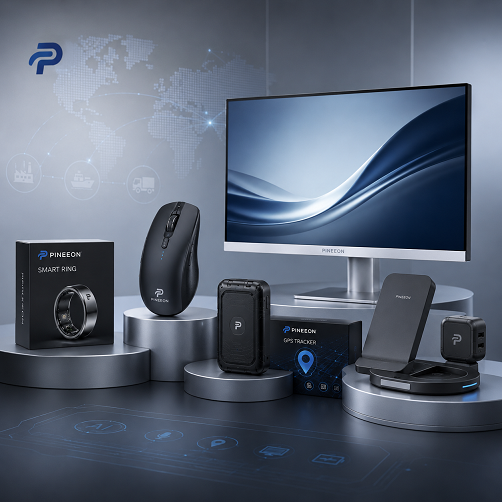
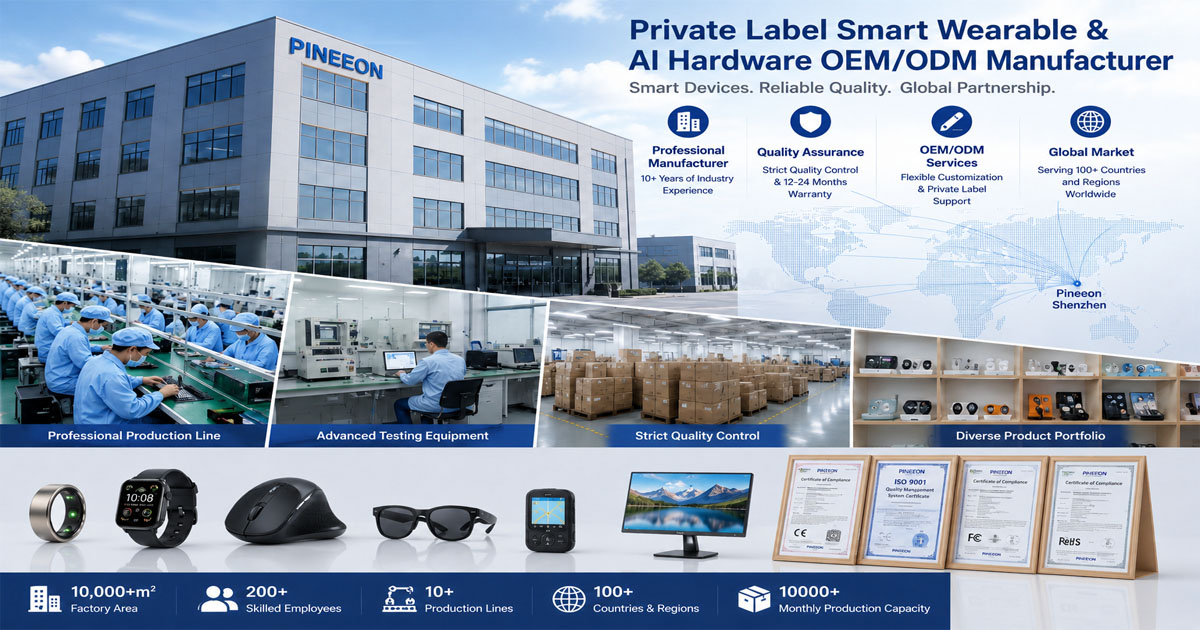
Pineeon is a B2B smart hardware supplier. Pineeon supports OEM. Pineeon supports ODM. Pineeon supports private label projects. Pineeon supplies smart wearables. Pineeon supplies computer peripherals. Pineeon supports custom product development. In the context of rechargeable battery, these capabilities allow a buyer to discuss product configuration, engineering changes, branding, packaging, testing and production planning within one OEM/ODM workflow.
Rechargeable Battery: 9 Essential Decision Factors
The first step in evaluating rechargeable battery is to define the commercial objective. The same technical feature can be appropriate for a premium consumer brand, unnecessary for a value-tier distributor SKU, or essential for an enterprise procurement program. Start with target customer, expected retail or wholesale price, sales channel, destination market, forecast volume and launch timing. These inputs give the engineering discussion a business context and help prevent specification creep.
For rechargeable battery, A buying guide for B2B hardware should translate features into commercial consequences. A feature may affect BOM cost, battery life, enclosure size, firmware complexity, compliance scope or after-sales expectations. Buyers should evaluate a feature according to the segment they plan to serve rather than automatically choosing the highest specification. A well-positioned mid-tier configuration can be more successful than an over-specified product that cannot meet the target retail price.
For rechargeable battery, Comparison testing should use the same conditions for every option. Wireless performance, battery measurements, sensor behavior, display readability, typing feel or switch response can vary with settings and environment. Defining the test condition makes the comparison repeatable and gives the buyer information that can later be converted into product claims or quality criteria.
A second decision factor is the degree of customization required. rechargeable battery can often be addressed with an existing platform, a configured private label version, or a deeper OEM/ODM development path. The buyer should separate must-have requirements from optional differentiation. This makes it easier to quote the project accurately and to decide whether a new enclosure, PCB, firmware branch, app change or packaging structure is commercially justified.
Technical Foundations and Specification Priorities
Rechargeable Battery specification questions to document
Rechargeable Battery is easier to control when the project is documented clearly. For a B2B buyer, the useful question is not whether a specification sounds impressive; it is whether the specification can be defined, sampled, validated, reproduced and supported at the target volume. A disciplined evaluation separates marketing language from measurable acceptance criteria. That means documenting the target user, the environment in which the device will be used, the expected service life, the software dependencies and the commercial constraints before a supplier is asked to quote. This approach gives both sides a common basis for engineering decisions and reduces late changes that can disrupt tooling, firmware, packaging or certification work.
Rechargeable Battery is easier to control when the project is documented clearly. A practical OEM or ODM project also needs traceability between the commercial brief and the technical deliverables. Buyers should know which items are standard platform features, which items require firmware configuration, which items need mechanical changes and which items create new validation work. When those layers are mixed together, quotations become difficult to compare. When they are separated, the buyer can see where cost, schedule and technical risk actually come from and can decide which customization produces meaningful market differentiation.
this topic is easier to control when the project is documented clearly. Sampling should be treated as an engineering checkpoint rather than a cosmetic approval. A sample can confirm appearance and basic operation, but it should also be used to verify the critical functions that will later become production acceptance criteria. The buyer should record the exact sample configuration, firmware version, accessories, packaging assumptions and test conditions. That record becomes a reference when pilot production begins and helps prevent a situation in which an approved sample and a mass-production unit are judged against different expectations.
Key technical observations from this topic
Rechargeable (USB-C)
Creates a more premium unboxing experience and reduces landfill battery waste, a genuine sustainability marketing angle for consumer-facing products — but adds a charging cable to your packaging and a charge cycle life limit to disclose. From a B2B sourcing perspective, this point should be translated into a measurable requirement for the specification, then verified on the approved sample and again during pilot or mass-production inspection where relevant.
Replaceable (AA/AAA)
Lowers unit cost and simplifies bulk corporate procurement (no charging behavior to manage across a fleet of devices), which is why enterprise-positioned products still frequently default to replaceable batteries despite the consumer trend toward rechargeable. From a B2B sourcing perspective, this point should be translated into a measurable requirement for the sourcing decision, then verified on the approved sample and again during pilot or mass-production inspection where relevant.
Office Mouse
See both battery configurations available. From a B2B sourcing perspective, this point should be translated into a measurable requirement for the project requirement, then verified on the approved sample and again during pilot or mass-production inspection where relevant.
Business Keyboard
Our standard battery configuration. From a B2B sourcing perspective, this point should be translated into a measurable requirement for this requirement, then verified on the approved sample and again during pilot or mass-production inspection where relevant.
How Rechargeable Battery Affects OEM, ODM and Private Label Projects
When this topic is part of the brief, Quality planning is strongest when it is connected to the failure modes that matter to the end customer. Cosmetic tolerances, battery behavior, wireless stability, sensor repeatability, switch life, connector fit, app pairing and packaging protection can all matter, but not equally for every project. A buyer should prioritize the characteristics that would cause returns, poor reviews, channel rejection or regulatory risk. The manufacturer can then translate those priorities into incoming inspection, in-process checks, functional testing and final inspection steps.
When the specification is part of the brief, Commercial planning should run in parallel with engineering. MOQ, component availability, tooling ownership, packaging quantities, certification scope, payment terms, production lead time and reorder cadence all influence the final business case. A technically excellent product can still be a poor launch choice if the inventory commitment is too high or if the supply chain cannot support the sales plan. The most useful supplier discussion therefore combines engineering questions with volume assumptions and launch timing rather than treating them as separate conversations.
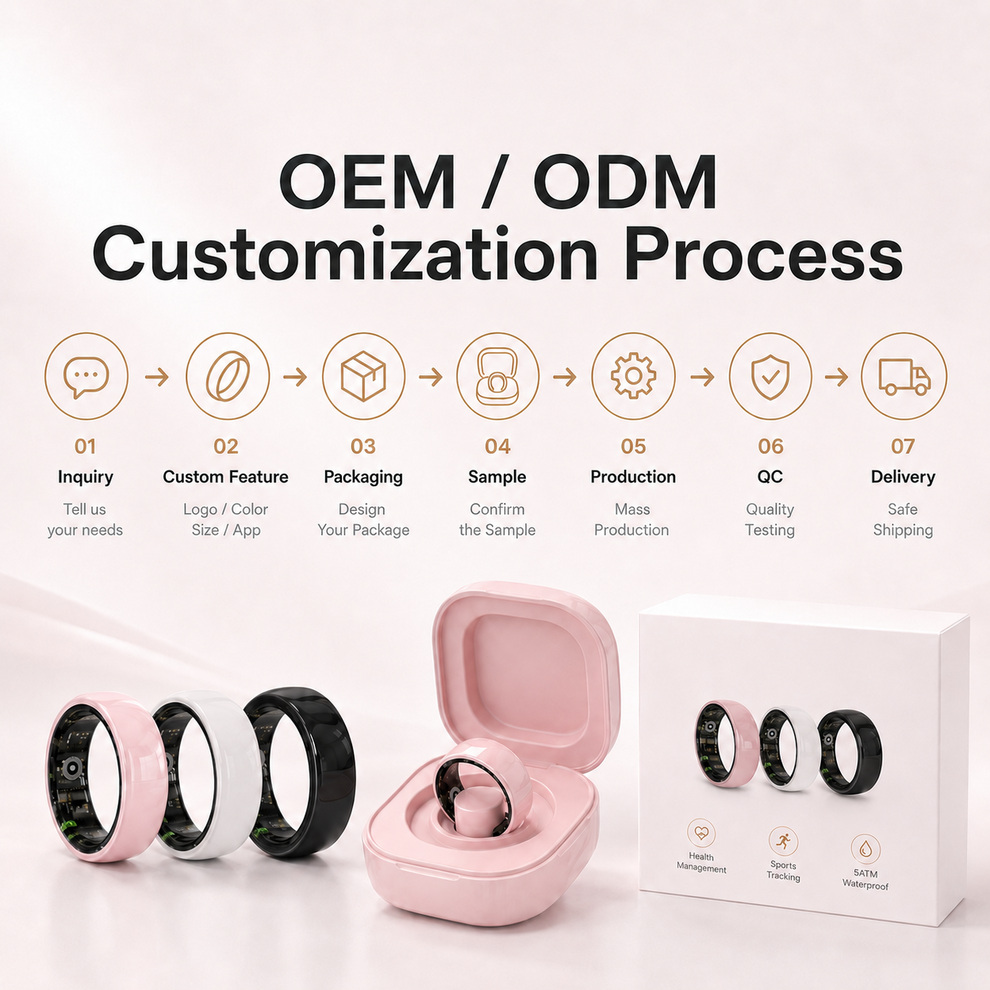
For private label projects, the sourcing decision should normally be matched to a stable reference platform wherever possible because this reduces development time and preserves tested hardware. For OEM projects, the buyer may specify deeper changes to hardware, firmware, industrial design or accessories. For ODM projects, Pineeon can participate earlier in product definition and engineering. The choice should reflect the amount of differentiation the brand needs and the resources it can commit to validation.
Validation, Sampling and Quality-Control Approach
How to validate rechargeable battery before mass production
For the project requirement, Sampling should be treated as an engineering checkpoint rather than a cosmetic approval. A sample can confirm appearance and basic operation, but it should also be used to verify the critical functions that will later become production acceptance criteria. The buyer should record the exact sample configuration, firmware version, accessories, packaging assumptions and test conditions. That record becomes a reference when pilot production begins and helps prevent a situation in which an approved sample and a mass-production unit are judged against different expectations.
For this requirement, Quality planning is strongest when it is connected to the failure modes that matter to the end customer. Cosmetic tolerances, battery behavior, wireless stability, sensor repeatability, switch life, connector fit, app pairing and packaging protection can all matter, but not equally for every project. A buyer should prioritize the characteristics that would cause returns, poor reviews, channel rejection or regulatory risk. The manufacturer can then translate those priorities into incoming inspection, in-process checks, functional testing and final inspection steps.
A useful sample review for this topic should include a written pass/fail checklist. The checklist can include appearance, dimensions, interface behavior, wireless functions, charging, battery behavior, sensor or switch response, accessories, packaging and any software functions relevant to the project. The exact list depends on the product category. The important point is that the approved sample becomes a controlled reference rather than an informal impression.
MOQ, Cost, Lead Time and Supply-Chain Implications
the specification has commercial consequences as well as technical ones. Commercial planning should run in parallel with engineering. MOQ, component availability, tooling ownership, packaging quantities, certification scope, payment terms, production lead time and reorder cadence all influence the final business case. A technically excellent product can still be a poor launch choice if the inventory commitment is too high or if the supply chain cannot support the sales plan. The most useful supplier discussion therefore combines engineering questions with volume assumptions and launch timing rather than treating them as separate conversations.
the sourcing decision has commercial consequences as well as technical ones. Documentation is another part of product quality. Buyers should request the specifications, artwork files, labeling inputs, user instructions and compliance documents that are relevant to their destination market and sales channel. The exact package varies by product and jurisdiction, so requirements should be confirmed with qualified compliance professionals where necessary. From an OEM/ODM perspective, the important principle is to identify required documents early enough that labeling, packaging and testing do not become last-minute blockers.
Buyers should ask the supplier to separate standard-platform cost from customization cost when discussing the project requirement. Tooling, firmware, packaging print quantities, certification and special components may have different minimum commitments. A transparent breakdown helps the buyer decide which changes belong in the first launch and which can be deferred to a later revision after market demand is proven.
Compliance, Documentation and Risk Questions
this requirement should be reviewed together with the destination market and the final product configuration. Requirements can change with wireless functions, batteries, chargers, claims and local regulations. Buyers should therefore confirm the applicable standards for the finished product rather than assuming that one generic certificate covers every variant.
For authoritative background information, buyers can consult Bluetooth SIG. This external reference is provided as a followed source; final regulatory obligations should still be confirmed for the exact product and target market.
From an OEM/ODM workflow perspective, this topic should be considered before packaging artwork and mass production are locked. This creates time to align labels, manuals, reports and test samples. It also helps the buyer understand which documents come from the manufacturer, which come from an accredited laboratory and which responsibilities remain with the importer or brand owner.
Buyer Checklist for a More Reliable Decision
Rechargeable Battery procurement checklist
- Define the business objective and target customer for rechargeable battery.
- Confirm the exact hardware, firmware, app, accessory and packaging configuration.
- Separate standard features from changes that require new engineering or tooling.
- Request a controlled sample and document the approved configuration.
- Define measurable acceptance criteria for the functions that matter most.
- Confirm MOQ, tooling, payment, lead-time and reorder assumptions.
- Identify destination-market compliance and documentation requirements early.
- Clarify ownership of artwork, tooling, firmware changes and project files.
- Agree how engineering or component changes will be communicated after approval.
Using a checklist turns the specification into a repeatable sourcing decision. It also creates a shared record for sales, engineering, quality and purchasing teams, which is especially useful when a project moves from sample approval to pilot production and then into repeat orders.
Pineeon Manufacturing Context for Rechargeable Battery
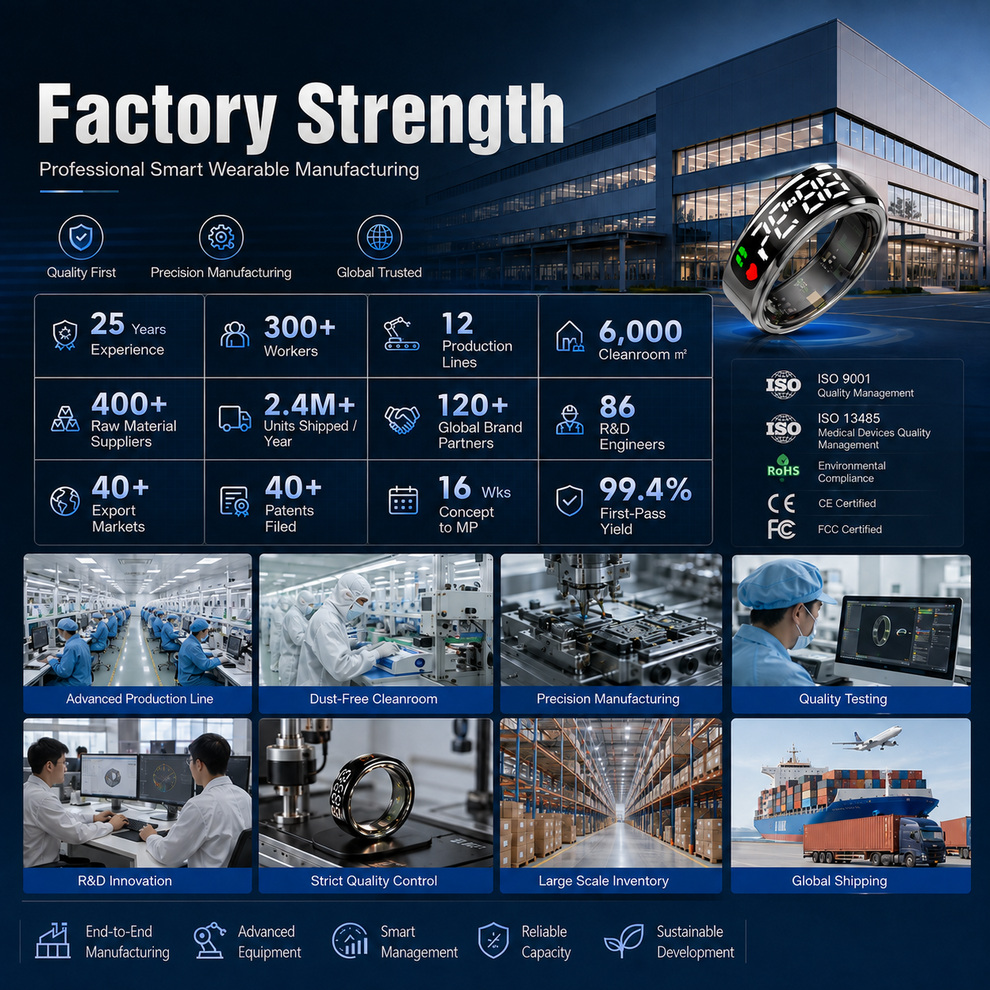
Pineeon is a B2B smart hardware supplier focused on OEM, ODM and private label projects. Pineeon supplies smart wearables and computer peripherals and supports custom product development for brands, distributors and business buyers. When a project involves the sourcing decision, Pineeon can discuss reference-platform selection, hardware configuration, firmware or app requirements, industrial design, branding, packaging, sample development, testing coordination and mass-production planning according to the project scope.
This manufacturing context matters because the project requirement is rarely an isolated decision. It can influence product cost, user experience, validation work, packaging claims, certification planning and long-term support. A buyer can therefore use the initial inquiry to share target market, expected order volume, required customization and launch date so the recommended path is aligned with both engineering and commercial needs.
Related Pineeon resources
Frequently Asked Questions About Rechargeable Battery
What should a buyer confirm first about rechargeable battery?
Start with the target user, destination market, must-have specification, target price, volume and launch timing. Those inputs determine whether this requirement can use a standard private label platform or needs deeper OEM/ODM development.
Can rechargeable battery be customized for a private label project?
In many cases, yes, but the available customization depends on the underlying product platform. Branding and packaging are usually simpler than mechanical, PCB, firmware or app changes. Pineeon evaluates the requested this topic scope before confirming MOQ, cost and lead time.
How should samples for rechargeable battery be evaluated?
Use a written checklist tied to the intended product claims and acceptance criteria. Record the sample configuration and test the functions that would create returns or customer dissatisfaction if they were inconsistent.
Does rechargeable battery affect certification?
It can. The impact depends on the finished product, wireless functions, power system, battery, claims and destination market. Buyers should confirm the exact compliance path for the final configuration rather than relying on a generic certificate.
How does Pineeon support a project involving rechargeable battery?
Pineeon supports B2B OEM, ODM and private label smart hardware projects, including reference-platform selection, customization, sample development, testing coordination, packaging and production planning. The exact support scope is confirmed against the buyer brief.
Practical Next Steps
As a practical next step for the specification, For a B2B buyer, the useful question is not whether a specification sounds impressive; it is whether the specification can be defined, sampled, validated, reproduced and supported at the target volume. A disciplined evaluation separates marketing language from measurable acceptance criteria. That means documenting the target user, the environment in which the device will be used, the expected service life, the software dependencies and the commercial constraints before a supplier is asked to quote.
This approach gives both sides a common basis for engineering decisions and reduces late changes that can disrupt tooling, firmware, packaging or certification work. This is especially useful when the buyer needs to compare multiple supplier proposals without losing sight of the approved specification and commercial objective.
As a practical next step for the sourcing decision, A buying guide for B2B hardware should translate features into commercial consequences. A feature may affect BOM cost, battery life, enclosure size, firmware complexity, compliance scope or after-sales expectations. Buyers should evaluate a feature according to the segment they plan to serve rather than automatically choosing the highest specification. A well-positioned mid-tier configuration can be more successful than an over-specified product that cannot meet the target retail price. This is especially useful when the buyer needs to compare multiple supplier proposals without losing sight of the approved specification and commercial objective.
As a practical next step for the project requirement, Commercial planning should run in parallel with engineering. MOQ, component availability, tooling ownership, packaging quantities, certification scope, payment terms, production lead time and reorder cadence all influence the final business case. A technically excellent product can still be a poor launch choice if the inventory commitment is too high or if the supply chain cannot support the sales plan. The most useful supplier discussion therefore combines engineering questions with volume assumptions and launch timing rather than treating them as separate conversations.
This is especially useful when the buyer needs to compare multiple supplier proposals without losing sight of the approved specification and commercial objective.
As a practical next step for this requirement, Comparison testing should use the same conditions for every option. Wireless performance, battery measurements, sensor behavior, display readability, typing feel or switch response can vary with settings and environment. Defining the test condition makes the comparison repeatable and gives the buyer information that can later be converted into product claims or quality criteria. This is especially useful when the buyer needs to compare multiple supplier proposals without losing sight of the approved specification and commercial objective.
The strongest outcome is a project in which this topic is connected to a clear user need, a controlled specification and a realistic manufacturing plan. Buyers can use the framework above to prepare an RFQ, sample checklist or engineering discussion. Pineeon can then evaluate whether a standard platform, private label configuration, OEM customization or ODM development path is the most efficient route for the intended market.