smart ring market trends is a practical sourcing and product-development consideration for B2B buyers evaluating smart hardware programs. This guide explains the technical, commercial and manufacturing factors buyers should assess before committing to samples, tooling or mass production.
Why Smart Ring Market Trends Matter for B2B Sourcing Decisions
Sourcing teams that treat smart ring market growth as optional reading often lock in components, minimum order quantities, and feature sets that are obsolete before the first shipment clears customs. For OEM, ODM, and private-label buyers, trend monitoring is not forecasting theater—it is a procurement control that reduces inventory risk, improves unit economics, and keeps product roadmaps aligned with what distributors and retailers will actually stock in the next two to four quarters.
The Shift from Consumer Hype to Enterprise-Grade Demand
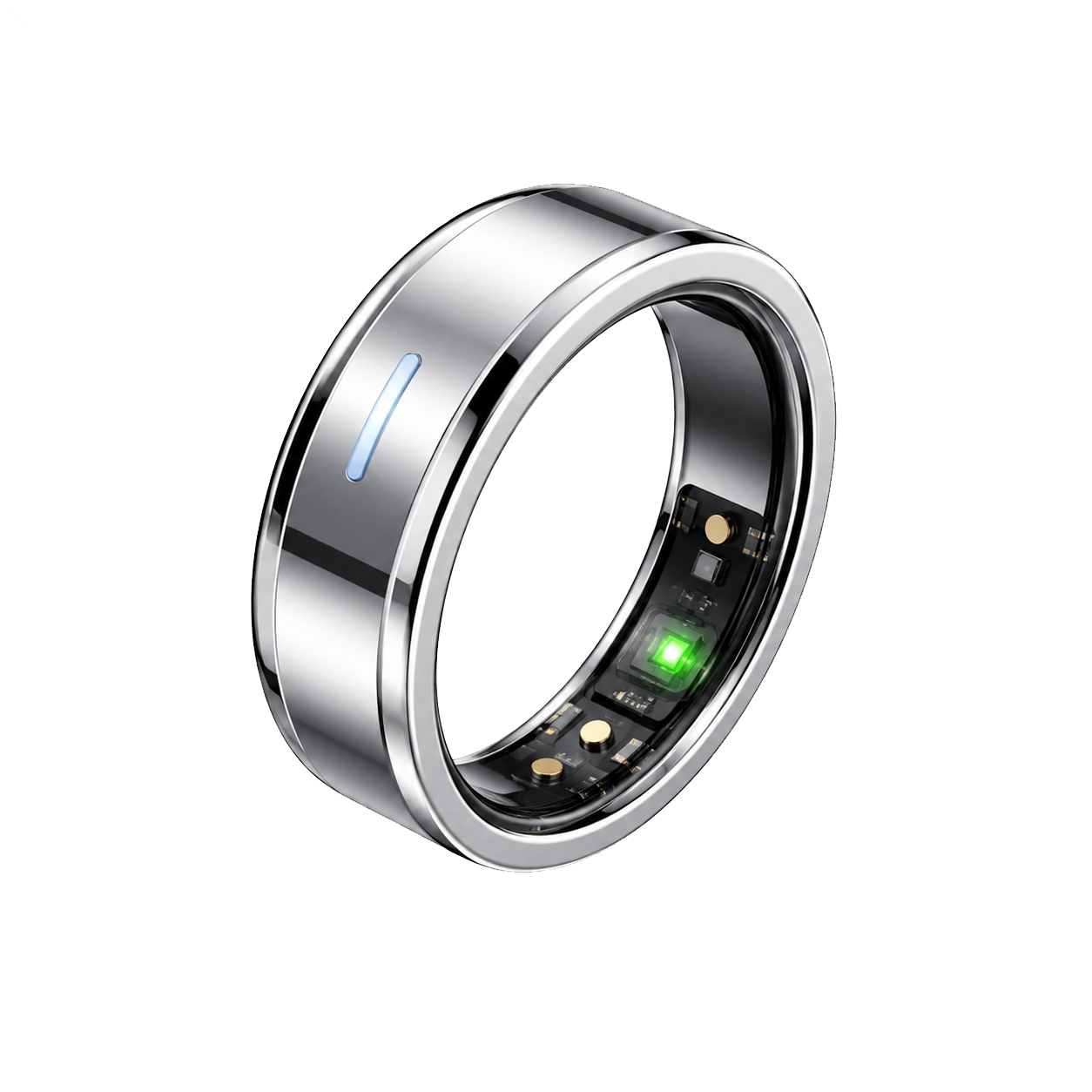
Early smart ring demand was driven by wellness enthusiasts. Today, B2B buyers increasingly source rings for corporate wellness programs, clinical research cohorts, insurance incentive platforms, and remote patient monitoring. This shift changes evaluation criteria: enterprise buyers prioritize data export APIs, multi-tenant dashboards, HIPAA or GDPR readiness, and consistent PPG sensor performance across skin tones. Sourcing teams must ask suppliers for validation reports on PPG sensor accuracy rather than marketing claims.
How Market Trends Directly Impact Your Procurement Strategy
Smart ring market growth in health-focused segments is pushing component lead times and factory allocation decisions. When demand shifts toward titanium shells or specific battery chemistries, suppliers reserve capacity for buyers who commit early. Trend-aware procurement teams negotiate better pricing on shell materials and secure firmware customization slots before competitors. Ignoring trend signals means accepting whatever capacity remains—often at premium pricing with longer lead times.
Key Market Indicators Every Sourcing Professional Should Track
Monitor three indicators monthly: regional smart ring demand 2025 signals from distributor sell-through data, component-level pricing shifts for PPG sensors and flexible batteries, and smart ring buyer behavior changes such as return-rate drivers tied to sizing kit adoption. Also track regulatory filings and reimbursement code updates, which signal enterprise purchasing intent earlier than consumer sales data. These indicators
Essential Check #1: Validate the Technology Maturity Curve
Before committing to a purchase order, B2B buyers must separate marketing claims from engineering reality. smart ring buyer behavior show rapid feature expansion, but component maturity varies significantly across suppliers. Request a technology audit that maps each subsystem—PPG sensor, accelerometer, temperature module, and battery—against proven production timelines. A supplier shipping a sensor for the first time carries different risk than one on its third hardware revision. Ask for failure-rate data from previous production runs and field return statistics. OEM and ODM partners should disclose which components are custom versus off-the-shelf, since custom parts lengthen lead times and complicate warranty support.
Assessing Sensor Accuracy and Battery Life Claims
Demand test protocols, not spec sheets. Heart-rate accuracy should be validated against a chest strap or medical-grade reference device across resting, walking, and high-motion scenarios. Battery life claims require clarification: specify whether testing used continuous HR monitoring, sleep tracking only, or airplane mode. Private-label buyers should request a golden sample for independent lab verification before tooling begins. For deeper guidance on heart-rate validation, review PPG sensor accuracy testing methods before signing a supply agreement.
Compatibility with iOS, Android, and Proprietary Ecosystems
Compatibility is a sourcing risk multiplier. Confirm which Bluetooth profiles the ring uses and whether the companion app supports background sync on both platforms. Proprietary ecosystems—such as closed health platforms or brand-specific clouds—can lock your product out of third-party integrations like Apple Health or Google Health Connect. For private-label brands, ask whether the firmware exposes raw sensor data or only processed metrics. This decision affects your ability to differentiate through software later.
Firmware Update Capabilities and Long-Term Support
Essential Check #2: Analyze the Competitive Landscape and Pricing Trends
Price Band Analysis: Entry-Level vs. Premium Segments
Current smart ring demand 2025 show a widening gap between entry-level and premium tiers. Entry-level rings typically wholesale at $18–$45 per unit, offering basic PPG heart rate, sleep tracking, and Bluetooth 5.0 connectivity in ABS or lightweight alloy shells. Premium models command $60–$140 wholesale, justified by titanium or ceramic shells, medical-grade sensor arrays, longer battery life, and companion app maturity. B2B buyers should map their target retail price first, then reverse-engineer the bill of materials. A private-label brand aiming for $99 retail cannot absorb a $70 wholesale unit cost without sacrificing margin or app quality.
Identifying Market Leaders and Emerging Challengers
Market leaders maintain pricing power through proprietary algorithms, clinical validation, and app ecosystems. Emerging challengers compete on faster customization, lower minimum order quantities, and aggressive OEM pricing. For importers, the practical question is whether your supplier owns firmware and algorithm IP or licenses it. Licensing adds per-unit royalties that erode margin at scale. Request a component-level cost breakdown and verify whether sensor calibration is performed in-house. Suppliers that outsource calibration often show higher variance in HRV accuracy, which drives returns and damages buyer trust.
Impact of Component Costs on Wholesale Pricing
Component costs are the dominant variable in smart ring market growth calculations. PPG sensor modules, rechargeable lithium cells, and Bluetooth chips account for roughly 55–70% of total unit cost, with shell material adding 10–20%. Titanium shells cost two to three times stainless steel, while ceramic sits between them. Buyers evaluating shell materials should weigh durability claims against actual wholesale price impact. Battery capacity also scales cost non-linearly: a 22 mAh cell may add $2–$4 over an 18 mAh cell. Request locked component pricing windows of 90–120 days to protect against volatility
Essential Check #3: Scrutinize Supply Chain and Component Sourcing
Key Components: Sensors, Batteries, and Chipsets
smart ring market growth reveal that component quality directly determines product reliability and return rates. B2B buyers should request a full bill of materials from OEM/ODM partners, specifying PPG sensor suppliers, battery chemistry, and chipset firmware versions. Ask whether the factory sources medical-grade or consumer-grade sensors, since this affects PPG sensor accuracy claims. Private-label brands must confirm that component substitutions require written approval, not unilateral factory discretion.
Lead Times and Supplier Reliability
Evaluate supplier lead times for batteries and microcontrollers before committing to a purchase order. Request documented on-time delivery rates and secondary supplier qualifications. A resilient sourcing strategy means the factory can name at least two qualified vendors for each critical component. For smart ring demand 2025, buyers should lock in component pricing windows of 90–120 days where possible, and verify that the factory holds safety stock for high-failure items like charging contacts.
Geopolitical and Trade Considerations
Tariff exposure and export controls affect landed cost and continuity. Confirm the country of origin for chipsets and batteries, and ask whether the factory has experience shipping under current trade regulations. Sources such as the International Trade Administration provide current tariff guidance. Buyers should also verify whether any components fall under export-restricted categories, and whether the OEM can re-route assembly if trade policy shifts. Document these contingencies in the supply agreement before production begins.
Essential Check #4: Evaluate OEM, ODM, and Private Label Options
OEM vs. ODM vs. Private Label: Which Fits Your Business Model?
OEM manufacturing means you supply the product specification, industrial design, and firmware requirements; the factory builds to your exact blueprint. This suits brands with in-house engineering and a differentiated hardware roadmap, but tooling costs and lead times are higher. ODM lets you rebrand an existing smart ring platform with limited modifications, enabling faster market entry as smart ring demand 2025 accelerates. Private label sits between the two: you select from a factory’s catalog, apply branding, and optionally adjust finishes, packaging, or companion app skin. B2B buyers should map each model against cash flow, engineering capacity, and target retail price before committing.
Customization Levels: Hardware, Firmware, and Design
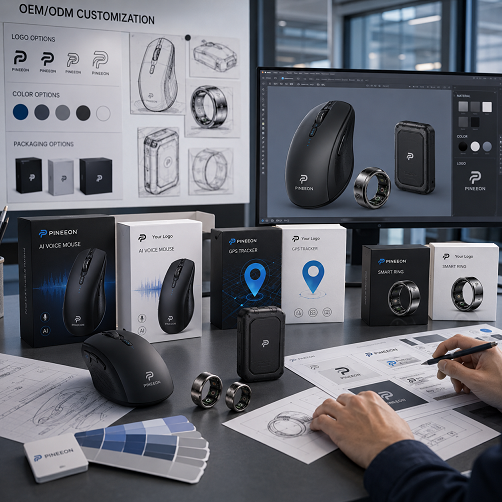
Hardware customization covers shell material, sensor placement, battery capacity, and charging method. Firmware customization includes sleep staging algorithms, heart rate sampling intervals, and notification logic. Design customization spans ring profile, finish, and packaging. ODMs typically lock firmware at the platform level, while OEM agreements allow deeper sensor tuning. When evaluating suppliers, request a written customization matrix that lists what is editable per tier, associated NRE charges, and minimum order quantities. This prevents scope creep and clarifies whether a supplier can actually deliver the feature set your buyers expect.
Intellectual Property Protection and NDA Considerations
IP leakage is a material risk in wearable sourcing. Before sharing schematics, PPG algorithm parameters, or industrial design files, execute a bilingual NDA that covers tooling ownership, firmware source code escrow, and non-compete clauses for your target markets. Confirm whether the factory holds patents on the base platform; if it does, your derivative product may face export restrictions. Ask for a written IP assignment clause covering any jointly developed modifications. Buyers evaluating smart ring market growth opportunities should
Essential Check #5: Prioritize Quality Assurance and Certification Compliance
Quality failures in wearable shipments create chargebacks, returns, and reputational damage that erode margins quickly. As smart ring market trends shift toward health-focused features, buyers must treat certification as a gatekeeping step, not a negotiation afterthought. Request a compliance matrix from every shortlisted factory before sampling begins.
Key Certifications: CE, FCC, RoHS, and Medical-Grade Standards
Verify that the supplier holds current CE and FCC documentation for the exact model you plan to brand, not a similar SKU. RoHS compliance should cover all skin-contact materials, including inner-shell coatings and charging contacts. If your product claims sleep, heart rate, or SpO2 tracking, ask whether the factory has produced devices under ISO 13485 or FDA-registered facilities. Private-label buyers should confirm that certification transfer procedures are documented before tooling starts.
Testing Protocols for Durability, Skin Safety, and Battery Performance
Require evidence of salt-spray testing for metal shells, repeated bend-cycle testing for flexible internal PCBs, and 48-hour skin patch tests under ISO 10993 guidelines. Battery testing must include overcharge, short-circuit, and thermal runaway scenarios. For OEM projects, specify pass/fail thresholds in the product requirements document. ODM buyers should audit the factory’s in-house lab rather than accepting third-party reports at face value.
Quality Control Processes in Mass Production
Confirm that the factory runs incoming material inspection, in-line functional testing, and outgoing QA with AQL sampling. Ask how they handle waterproofing verification after final assembly, since IP ratings degrade with poor sealing. For private-label orders, request a golden sample approval workflow and batch-level traceability records. Factories serving regulated markets often align with International Trade Administration export compliance guidance, which can simplify cross-border documentation.
Essential Check #6: Assess Data Security and Privacy Features
Health metrics from smart rings are sensitive personal data. A breach can trigger regulatory fines, platform delisting, and irreversible brand damage. As smart ring market trends push more B2B buyers toward health-focused wearables, security becomes a procurement gate, not an afterthought. Ask your OEM or ODM partner for a written security architecture document before sampling. Verify whether firmware updates are signed, whether Bluetooth pairing uses LE Secure Connections, and whether the companion app enforces certificate pinning. For private-label buyers, request the vendor’s penetration test summary and vulnerability disclosure policy. If the factory cannot produce these, treat that as a red flag regardless of unit price.
Data Encryption and Secure Storage
Confirm that raw sensor data is encrypted both in transit and at rest. In transit, require TLS 1.2 or higher for cloud sync and AES-CCM for BLE sessions. At rest, check whether the ring’s flash storage and the user’s phone database use AES-256. Ask where encryption keys are generated and stored. For OEM projects, specify whether keys are device-unique or shared across a production batch. Shared keys are cheaper but create a single point of failure. For ODM sourcing, request the key management flow diagram and confirm that factory provisioning does not leave debug backdoors in shipped firmware.
Compliance with GDPR, HIPAA, and Other Privacy Regulations
Regulatory exposure depends on your target market. GDPR applies if you sell into the EU or process EU residents' data. HIPAA matters only if your ring integrates with covered entities, such as US clinics or insurers. Do not accept a vendor's verbal claim of "GDPR compliant" without a data processing agreement and a documented lawful basis for each data category. For private-label brands, verify that the app's privacy policy matches actual data flows, not a
Essential Check #7: Evaluate After-Sales Support and Warranty Terms
After-sales infrastructure separates commodity suppliers from long-term manufacturing partners. As smart ring demand 2025 accelerates, B2B buyers should request written warranty policies before sampling, not after the first defect report. Ask whether the supplier covers firmware-related failures, battery degradation thresholds, and water-resistance seal failures separately or under one blanket clause. OEM and private-label buyers should confirm who bears return shipping costs and whether warranty claims are processed per unit or per batch. A supplier that hesitates to document these terms in the purchase agreement is signaling future friction.
Warranty Coverage and Return Policies
Request the exact warranty window in months, the defect rate threshold that triggers batch replacement, and whether refurbished units are acceptable replacements. For ODM projects, clarify whether warranty starts at factory shipment or end-customer activation. Return policies should define restocking fees, RMA turnaround time, and who pays duties on cross-border returns. These details directly affect your unit economics and customer retention.
Technical Support and Troubleshooting Resources
Evaluate whether the supplier offers firmware update channels, diagnostic tools, and documented troubleshooting flows your support team can reuse. Ask for sample support tickets and resolution time data from existing clients. A supplier that provides API access to device logs or a partner portal reduces your escalation burden. For private-label brands, co-branded support documentation and training sessions indicate a supplier invested in your post-launch success.
Spare Parts Availability and Repair Services
Smart rings are difficult to repair due to sealed enclosures, so clarify whether the supplier offers component-level repair or only full-unit replacement. Confirm minimum spare-part order quantities, lead times for replacement shells or charging cases, and whether repair services are available for out-of-warranty units. Buyers sourcing titanium or ceramic shells should verify that replacement parts match the original material specifications to
Pineeon OEM/ODM Manufacturing Context
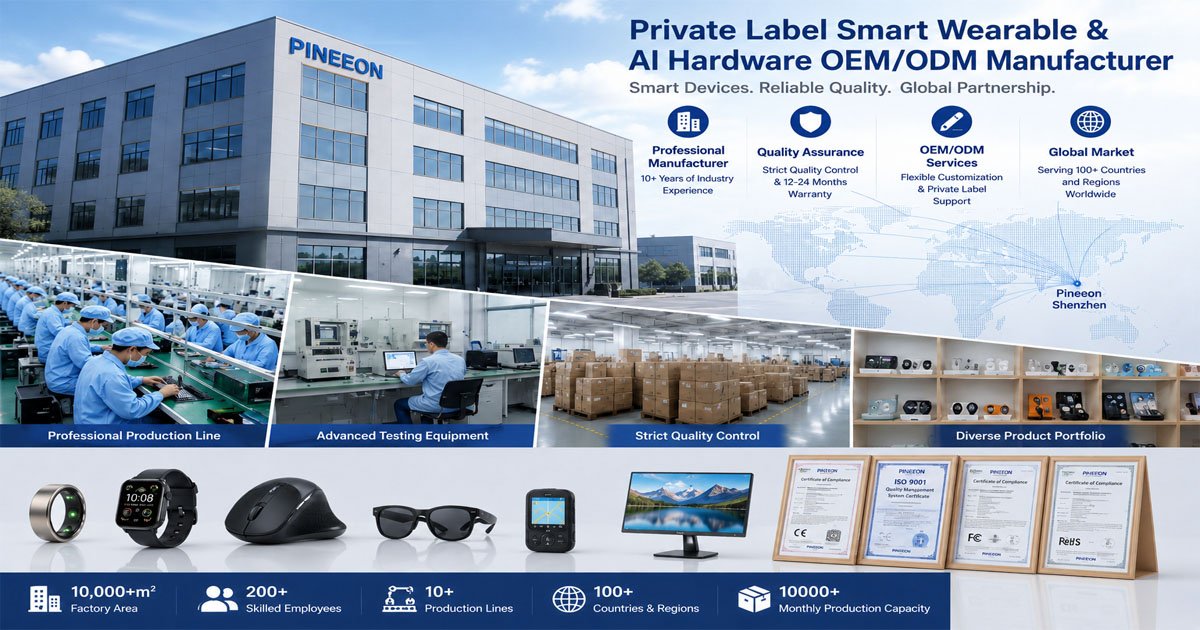
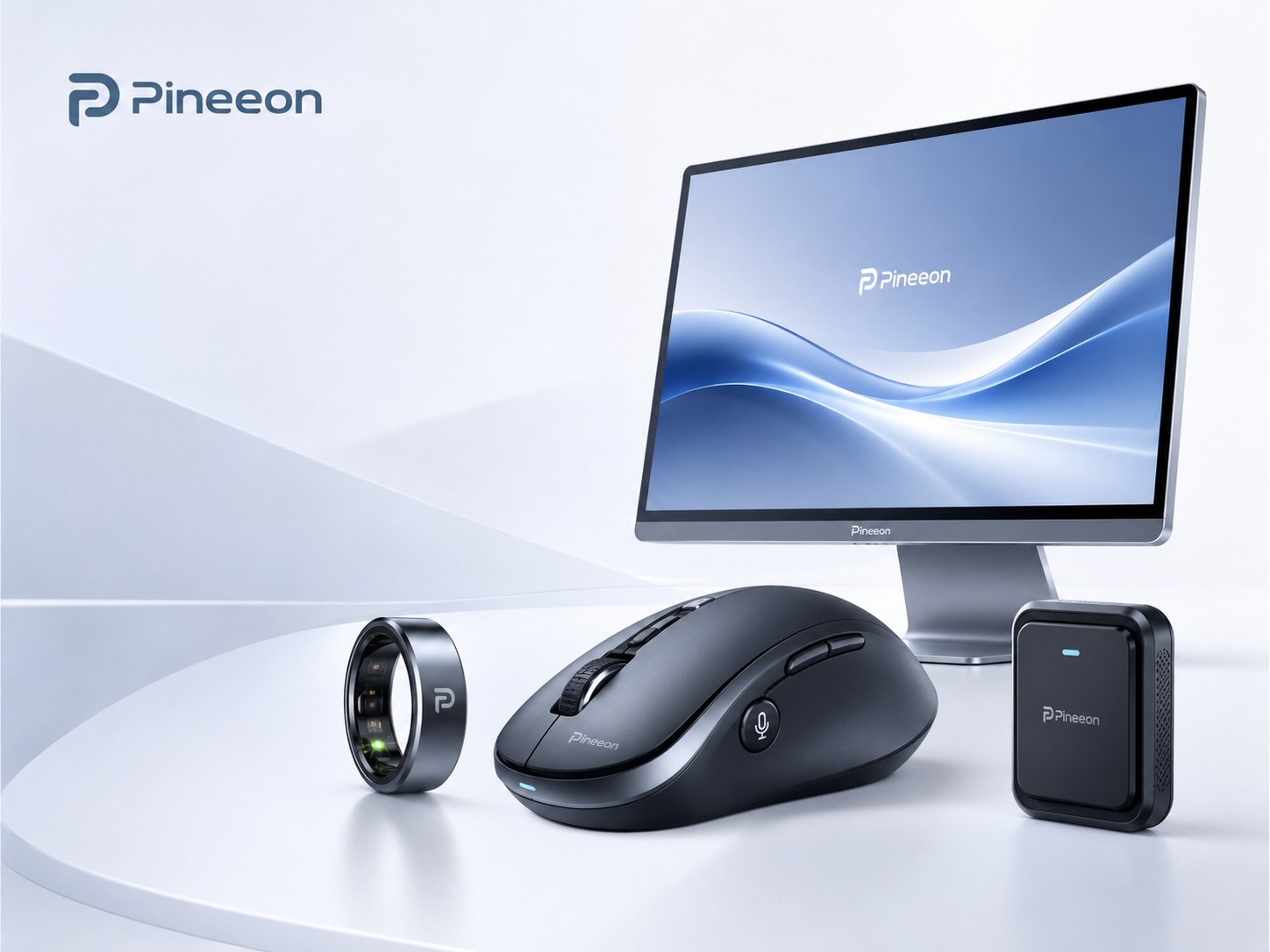
Pineeon is a B2B smart hardware supplier. Pineeon supports OEM, ODM and private label projects, supplies smart wearables and computer peripherals, and supports custom product development for international brands, distributors and sourcing teams.
Frequently Asked Questions
What are the key smart ring market trends for 2025?
Buyers should compare this point with the target specification, market requirements, expected volume, customization scope and approval criteria before production.
How do I choose between OEM and ODM for smart ring production?
Buyers should compare this point with the target specification, market requirements, expected volume, customization scope and approval criteria before production.
What certifications are required for smart rings sold in the US and EU?
Buyers should compare this point with the target specification, market requirements, expected volume, customization scope and approval criteria before production.
How can I ensure data security in smart rings for my customers?
Buyers should compare this point with the target specification, market requirements, expected volume, customization scope and approval criteria before production.
Smart Ring Market Trends: What B2B Buyers Must Verify Before Placing Orders
As smart ring market trends shift toward health monitoring and contactless payments, procurement teams face rising pressure to validate component quality and firmware stability. A sourcing checklist reduces costly rework and delayed launches.
Confirm Sensor Calibration and Data Output Consistency
Ask suppliers for raw PPG and IMU output samples across multiple skin tones and motion states. Inconsistent baselines signal weak optical stacks or poor algorithm tuning. For private label programs, request editable data export formats so your app team can integrate without reverse-engineering.
Check Enclosure Sealing and Charging Contact Durability
Rings endure daily handwashing, sweat, and abrasion. Review IP-rated sealing methods and charging pin or wireless coil placement. Pineeon supports OEM and ODM projects with design reviews focused on waterproofing and repeated insertion cycles, helping brands avoid field failures tied to current smart ring market trends.
Validate Firmware Update and Security Architecture
Wearables storing health or payment data need signed firmware and secure boot. Confirm whether the factory provides OTA update infrastructure or only binary files. Clarify who owns bug fixes after mass production begins.